Jailbreaking the AI Terminal: Inside x1xhlol/better-clawd
How a community fork stripped the telemetry and vendor lock-in from a flagship coding agent, turning a corporate walled garden into an open ecosystem.
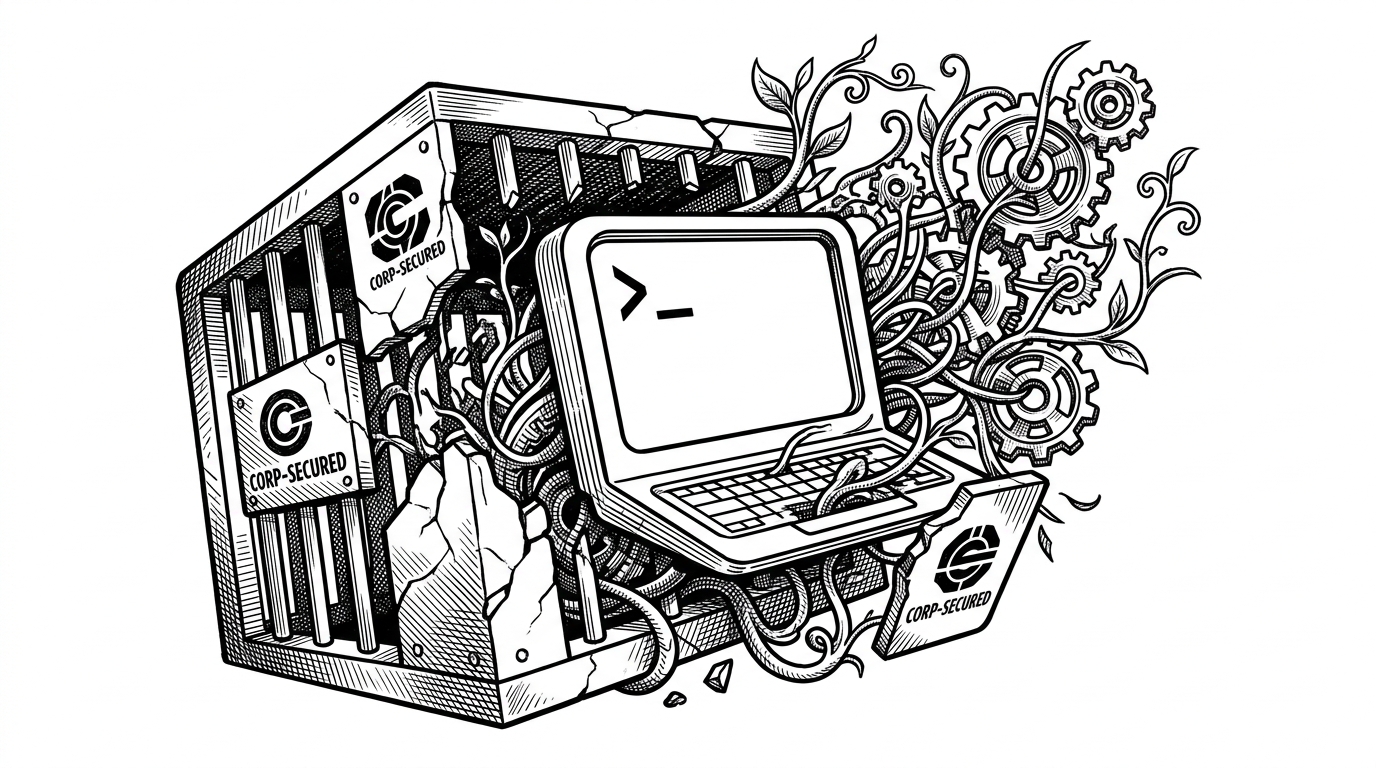

Better-Clawd exists because the original had a genuinely great core idea and too many self-inflicted problems around it. This fork keeps what worked, fixes what did not, and gives people real choice over how they log in, which provider they use, and how much of the product they actually want phoning home.
- Better-Clawd uses a Bridge pattern to abstract Anthropic's SDK, enabling OpenAI and OpenRouter models in the same terminal UI.
- The project renders a complex agentic state and companion sprites as a React component tree entirely within standard out.
- By stripping forced OpenTelemetry and switching to Bun for builds, the fork eliminates idle CPU churn and ensures a local-first environment.
The Terminal Rebellion
Developers want agentic power in their CLI. They want tools that can read files, write code, and execute shell commands autonomously. However, they increasingly reject the strings attached to flagship corporate tools. Forced OpenTelemetry, vendor lock-in, and opaque data practices are the friction points of modern AI development.
Enter Better-Clawd. This aggressive fork of Anthropic's Claude Code was born from a desire to keep the powerful user experience while discarding the corporate baggage. It represents a growing movement of developers claiming digital sovereignty over their local environments.
Shattering the Walled Garden
The defining technical achievement of Better-Clawd is its API Bridge pattern. The upstream project is hardcoded to communicate exclusively with Anthropic's servers. Better-Clawd abstracts this entirely.
The tooling system normalizes the underlying SDK. It routes requests seamlessly to OpenAI or OpenRouter without breaking the sophisticated terminal UX. The internal state machine treats all providers as equals, dynamically translating the required JSON schemas on the fly.
React in the Shell
Under the hood, Better-Clawd is not a standard procedural Node script. It runs a full React tree inside the terminal. Using a custom react-reconciler implementation alongside Ink, the project manages complex agentic states as React components.
Progress bars, loading spinners, and even companion sprites are rendered to standard out. This architecture allows the CLI to feel more like a modern IDE than a traditional shell script. It manages tool execution and file system updates with the declarative predictability of a web app.

Exorcising the Telemetry
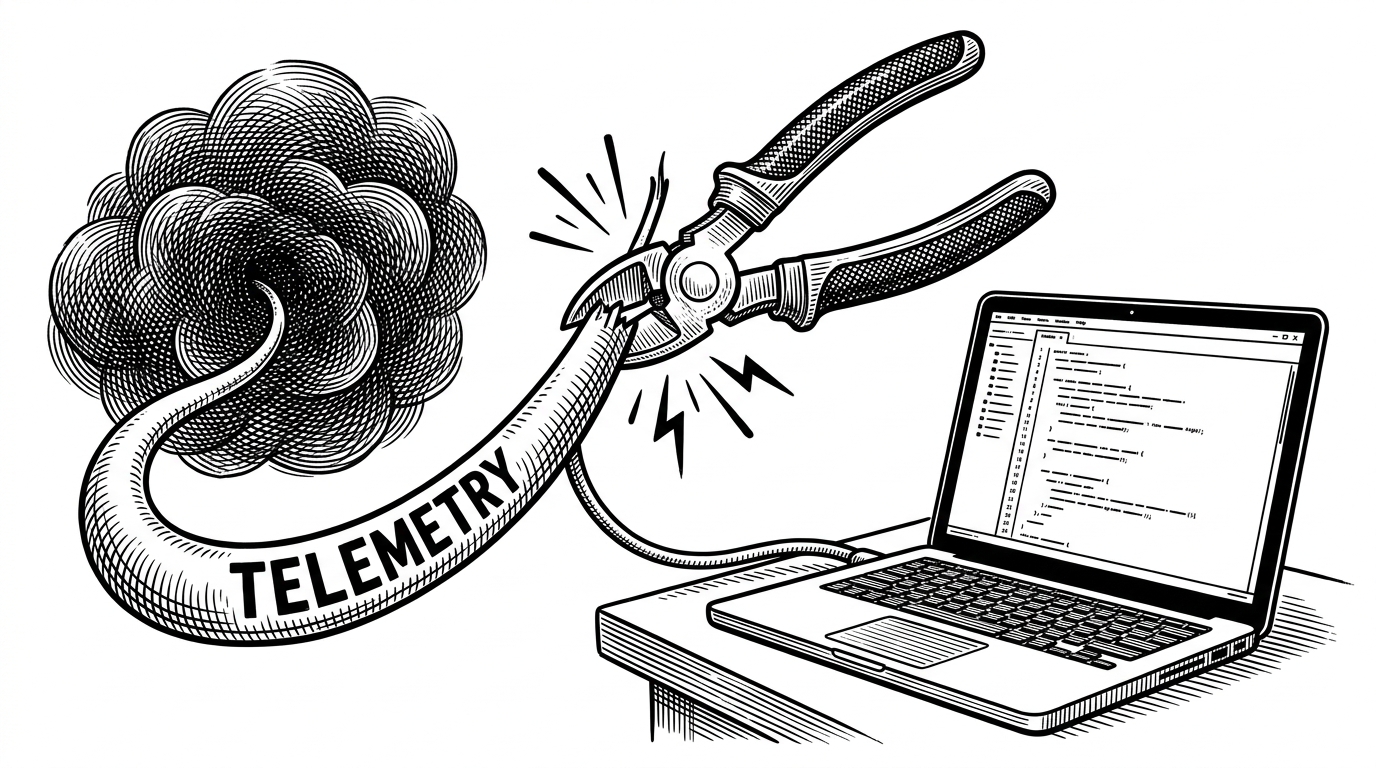
Performance and privacy are deeply intertwined in this fork. The original codebase included heavy OpenTelemetry instrumentation designed to phone home. Better-Clawd surgically removes or redirects this logic.
By stripping the telemetry and utilizing Bun for optimized builds, the project eliminates idle CPU churn. Memory management is vastly improved during long, transcript-heavy coding sessions. The result is a lean, local-first environment that respects the developer's hardware.
| Feature | better-clawd | Claude Code (Upstream) |
|---|---|---|
| LLM Backend | Anthropic, OpenAI, OpenRouter | Anthropic Only |
| Telemetry | None (Stripped out) | Forced OpenTelemetry |
| Performance | Lean, Bun optimized | Unoptimized Node default |
| Ecosystem | Sovereign Open Source | Corporate Walled Garden |