BlueHammer: How Windows Defender Became the Attack Surface
A Windows PoC that blends private RPC, Object Manager symlinks, and offline registry tricks to show how a protection service can be steered into doing the wrong thing.
- BlueHammer is compelling because it turns Defender’s own privilege into the exploit surface, not because it is just another Windows bug.
- The repository reads like research code, with private RPC, native NT APIs, and offline registry tooling wired into a single PoC.
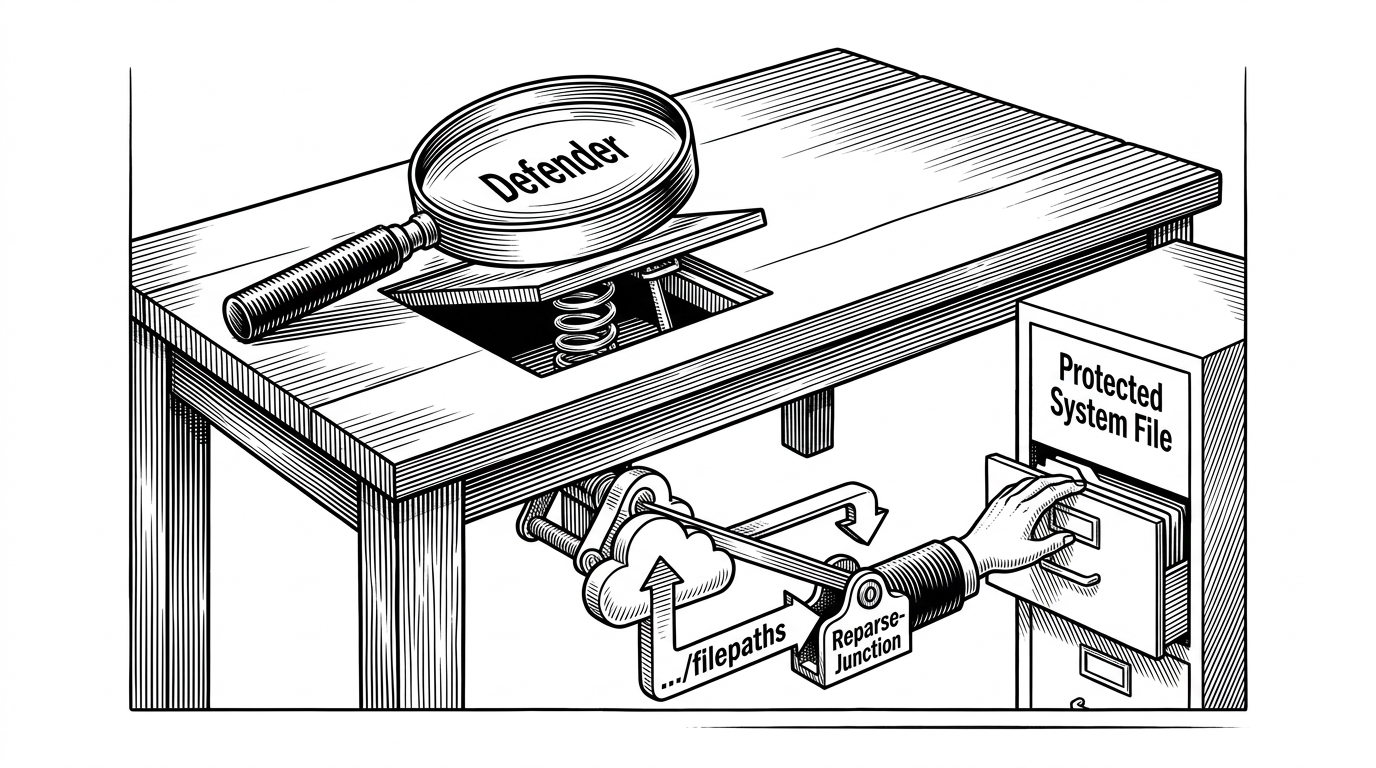
- The most important idea is path confusion, where what the service believes it touched diverges from what the OS actually resolves.
- Its real lesson is broader than one exploit: modern security services inherit some of the largest and most brittle attack surfaces on the machine.
The Guard That Can Be Tricked
BlueHammer is interesting because it attacks the thing Windows users are supposed to trust. Defender is not a random background process. It is a privileged service that sits close to the system and coordinates with parts of Windows most software never touches.
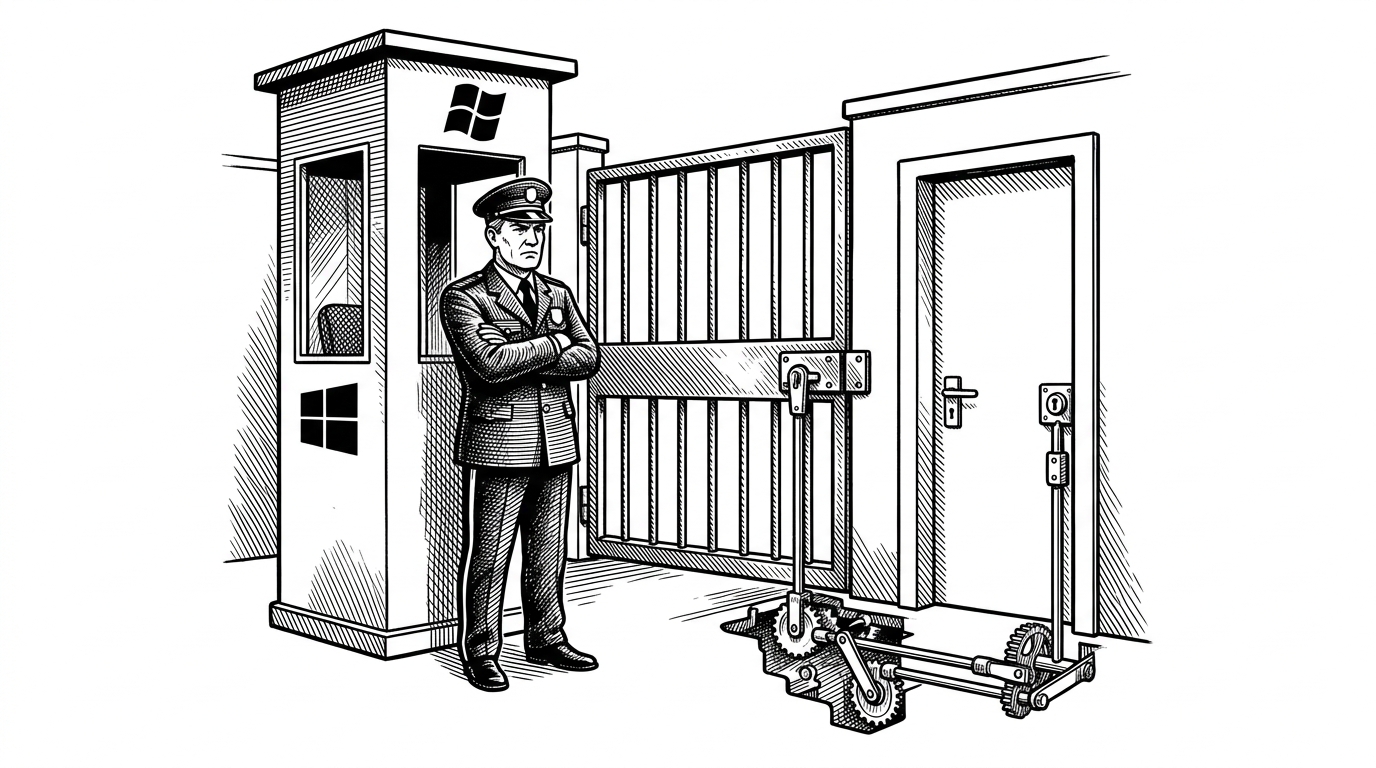
That is why the repo feels more like a lesson in boundary failure than a flashy exploit demo. The story is not that the attacker found one bad file operation. It is that a SYSTEM-level service can be nudged into following the wrong path once name resolution, object namespaces, and privileged automation start disagreeing with each other.
I'm just really wondering what was the math behind their decision, like you knew this was going to happen and you still did whatever you did ? Are they serious ?
What BlueHammer Actually Is
The repository is a C and C++ Windows console project built around Visual Studio files, generated RPC stubs, low-level NT calls, and offline registry support. That mix matters. It tells you this is not a throwaway proof-of-concept, but a compact research artifact that crosses layers on purpose.
The core files line up with that reading. FunnyApp.cpp orchestrates the exploit flow, windefend.idl describes a private Defender RPC surface, and offreg support suggests the author wanted to manipulate registry state without relying on normal live registry APIs.
Repo shape, in plain English:
- Visual Studio solution and project files
- Main exploit orchestrator in FunnyApp.cpp
- Private Defender RPC interface in windefend.idl
- Generated RPC client and server stubs
- Offline registry library for on-disk hive work
The Trick: Make Defender Chase the Wrong Path
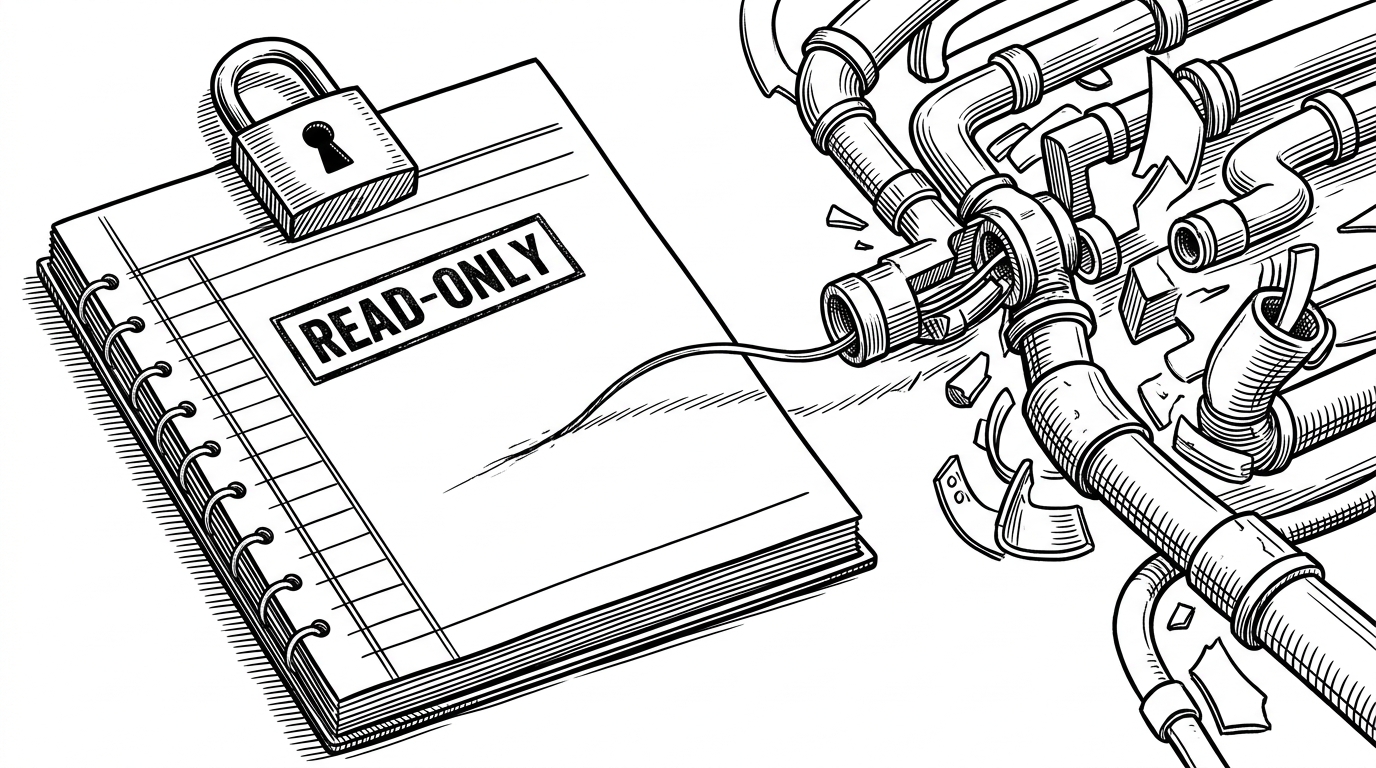
The heart of BlueHammer is a resolution mismatch. The service believes it is operating on one target, but the object manager and symbolic link machinery can make the OS resolve that path somewhere else. Once that happens inside a privileged service, the wrong operation lands with the right authority.

Why Offline Registry Matters
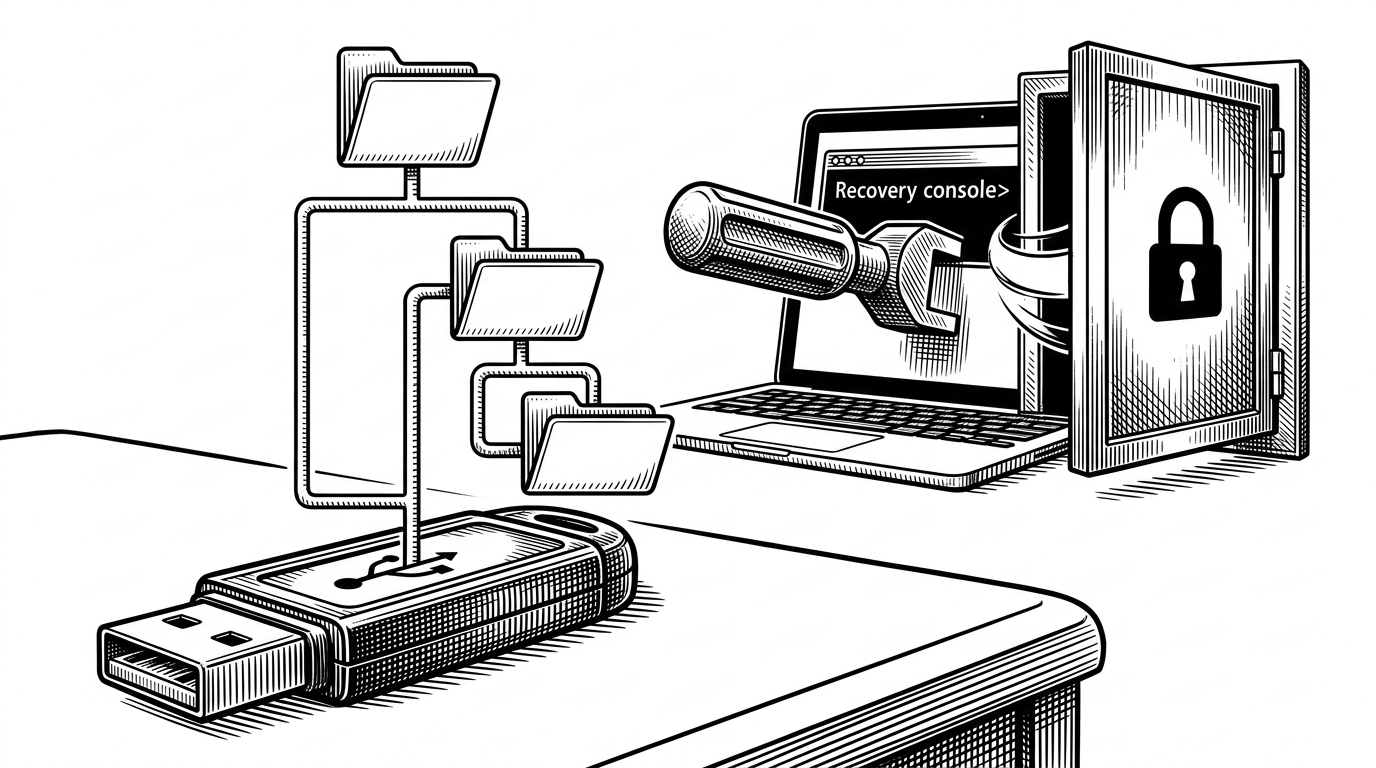
Offline registry access is a clue about intent. It says the author wanted to change state on disk without walking through the live Windows registry APIs that defenders and hooks often watch most closely.
That choice also fits the broader shape of the PoC. When a project uses private RPC, native Object Manager calls, and offline hive edits together, it usually means the exploit is trying to control the environment as much as the endpoint. That is tradecraft, not convenience.
Why This Repo Feels Research-Grade
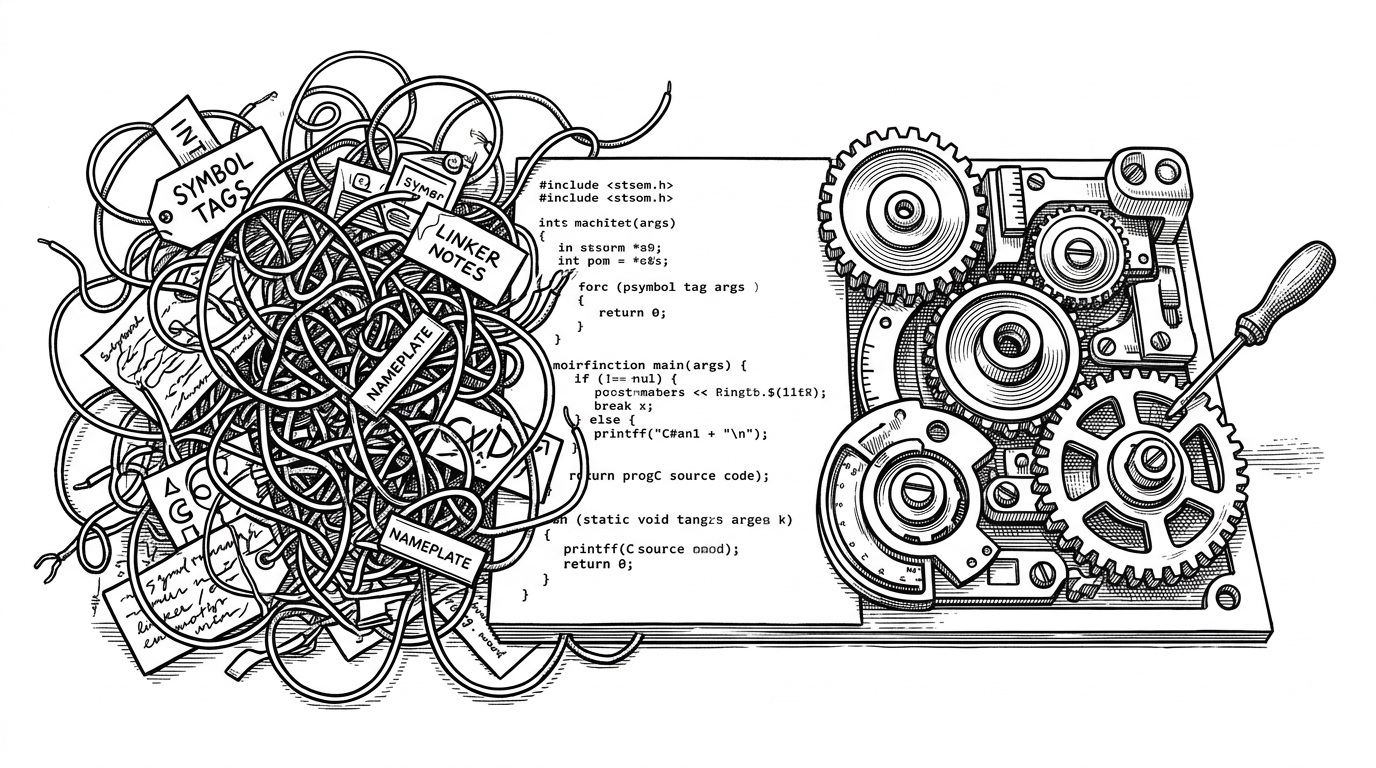
BlueHammer has the texture of a serious Windows internals project. It resolves low-level NT functions dynamically, pulls in RPC plumbing, and uses multithreaded orchestration to coordinate the trigger path. Even the file layout feels like a carefully assembled lab instrument.
That matters because exploit PoCs are often judged by whether they run. This one is more revealing than that. It shows how an attacker can combine object namespace manipulation, private service behavior, and timing-sensitive coordination into a single working demonstration.
| Dimension | BlueHammer | Typical local privilege escalation PoC |
|---|---|---|
| Target surface | Privileged Defender service and its private RPC path | A single vulnerable driver, service, or registry key |
| Core mechanism | Path confusion through Object Manager and symlink redirection | Direct overwrite, token abuse, or command execution |
| Hidden complexity | Coordination across RPC, NT namespace resolution, and registry state | Usually one dominant boundary |
| Why it matters | Shows how security software itself can become the entry point | Shows a narrow flaw in one component |
BlueHammer in Context
It is easy to hear a name like BlueHammer and think of BlueBorne, the Bluetooth vulnerability family. That comparison is useful, but BlueHammer is doing something different. It is less about wireless proximity and more about the trust boundaries inside Windows itself.
The better comparison is with other local privilege escalation PoCs that abuse privileged services. BlueHammer is more layered than a plain overwrite or token trick because it relies on service interaction, native object manipulation, and path resolution behavior that only makes sense if you know how Windows stitches subsystems together.
| Project | Primary surface | Mechanism | Takeaway |
|---|---|---|---|
| BlueHammer | Windows Defender and private RPC | Object Manager redirection plus offline state manipulation | Trusted services can be steered into unintended actions |
| BlueBorne | Bluetooth stacks | Remote wireless compromise | Proximity software can open broad attack paths |
| Classic LPE PoC | Local service or driver boundary | Overwrite, race, or token abuse | One weak boundary can be enough |
That is why BlueHammer stands out. It is not just a bug in a component. It is a demonstration that the seams between components can become the real vulnerability.
What This Says About Windows Security
Windows security services have to live close to the core of the system. They read sensitive paths, coordinate across subsystems, and run with high privileges because that is what protection requires. The same design choice also makes them rich targets.
BlueHammer turns that fact into a clear warning. The more a service must trust names, objects, and paths across layers, the more important it becomes to ask what happens when those layers disagree. In this repo, that disagreement is the exploit.