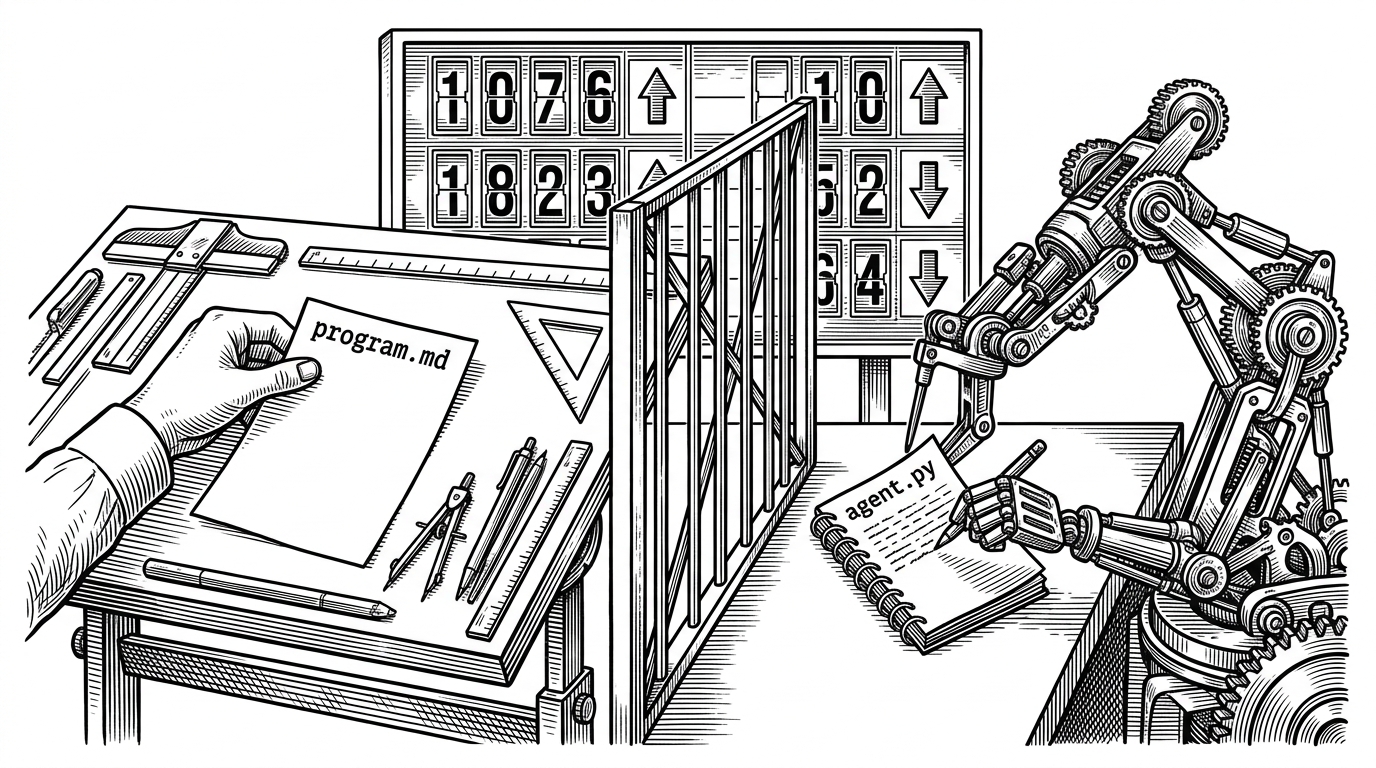
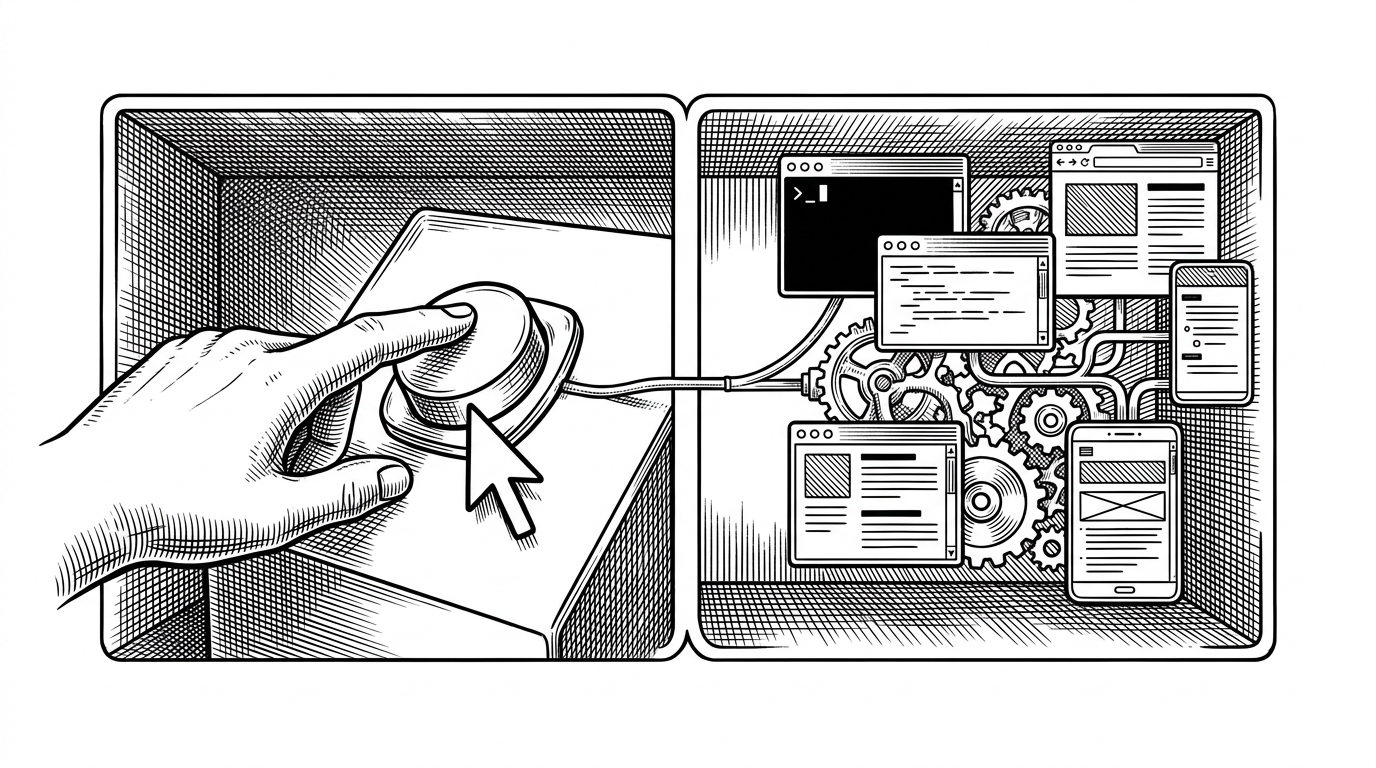
hermes-agent-self-evolution: Hermes Agent Self-Evolution: When an Agent Starts Rewriting Its Own Skills
A look at the GEPA loop, the Skill-as-Module abstraction, and the guardrails that keep self-improvement from turning into prompt bloat.
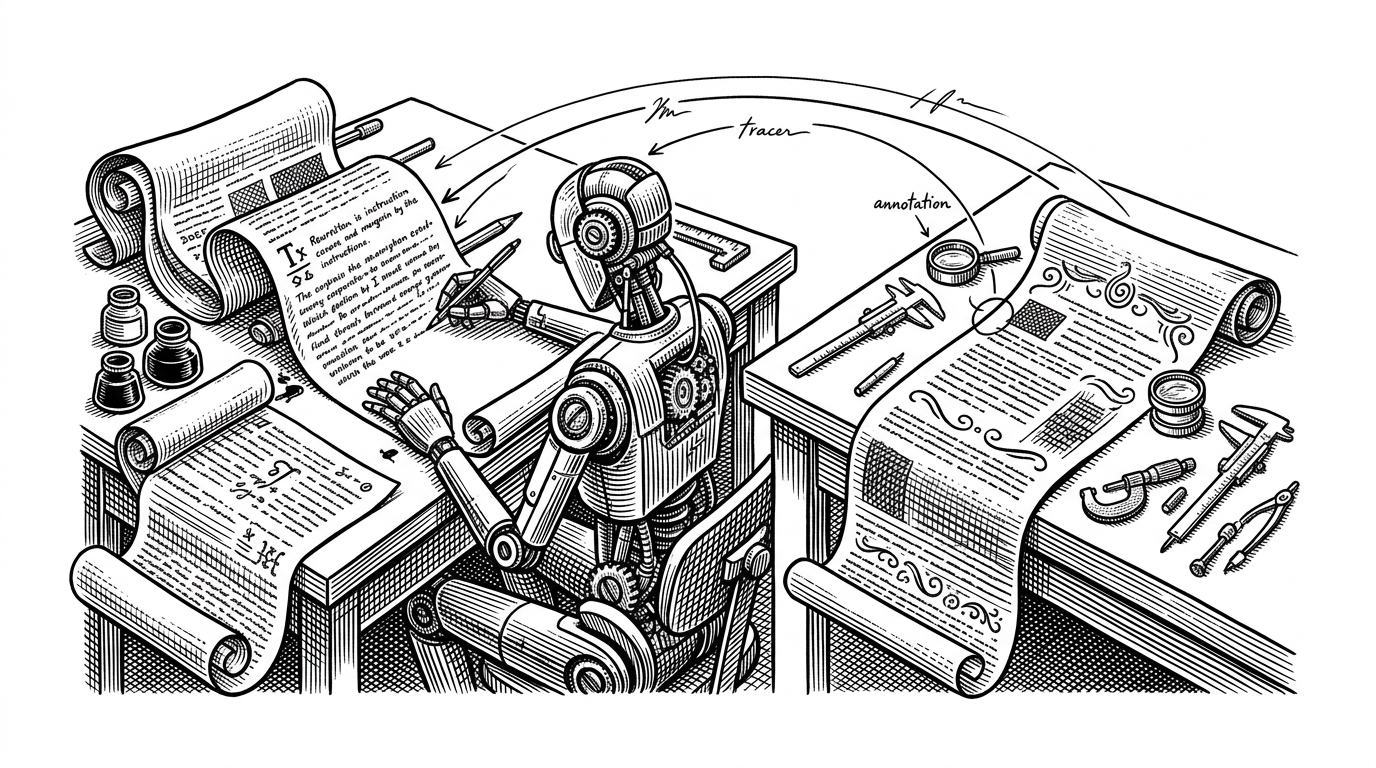
- Hermes Agent Self-Evolution treats instructions as something you can optimize, not something you have to hand-edit forever.
- GEPA matters because it uses failure traces and reflective feedback to propose targeted rewrites instead of blind prompt mutation.
- The project stays in text space, which makes self-improvement cheaper and more practical than weight training.
- Its guardrails are the point, because an optimizer without size limits and semantic checks will happily grow the wrong skill.
Hermes Agent Self-Evolution is not a prompt-tuning demo. It is a system for making an agent better at becoming an agent. The important trick is that it can take a skill, run it, inspect the failure, and then rewrite the skill itself into something stronger.
That sounds abstract until you realize what it replaces. Instead of a human endlessly polishing instructions, the repo turns instruction design into a measurable optimization loop. The result is closer to software refactoring than to artisanal prompt crafting.
The Agent That Edits Its Own Playbook
The story starts with recursion. Hermes does not just execute a skill and move on. It can absorb the result of a task, turn that run into a reusable instruction artifact, and feed the artifact back into the next cycle.
That is why this repo matters to anyone thinking about agents. It hints at a future where the most useful improvement is not a bigger model, but a better instruction file. In this project, the skill becomes the thing that learns.
Skill Text Is Treated Like a Model Parameter
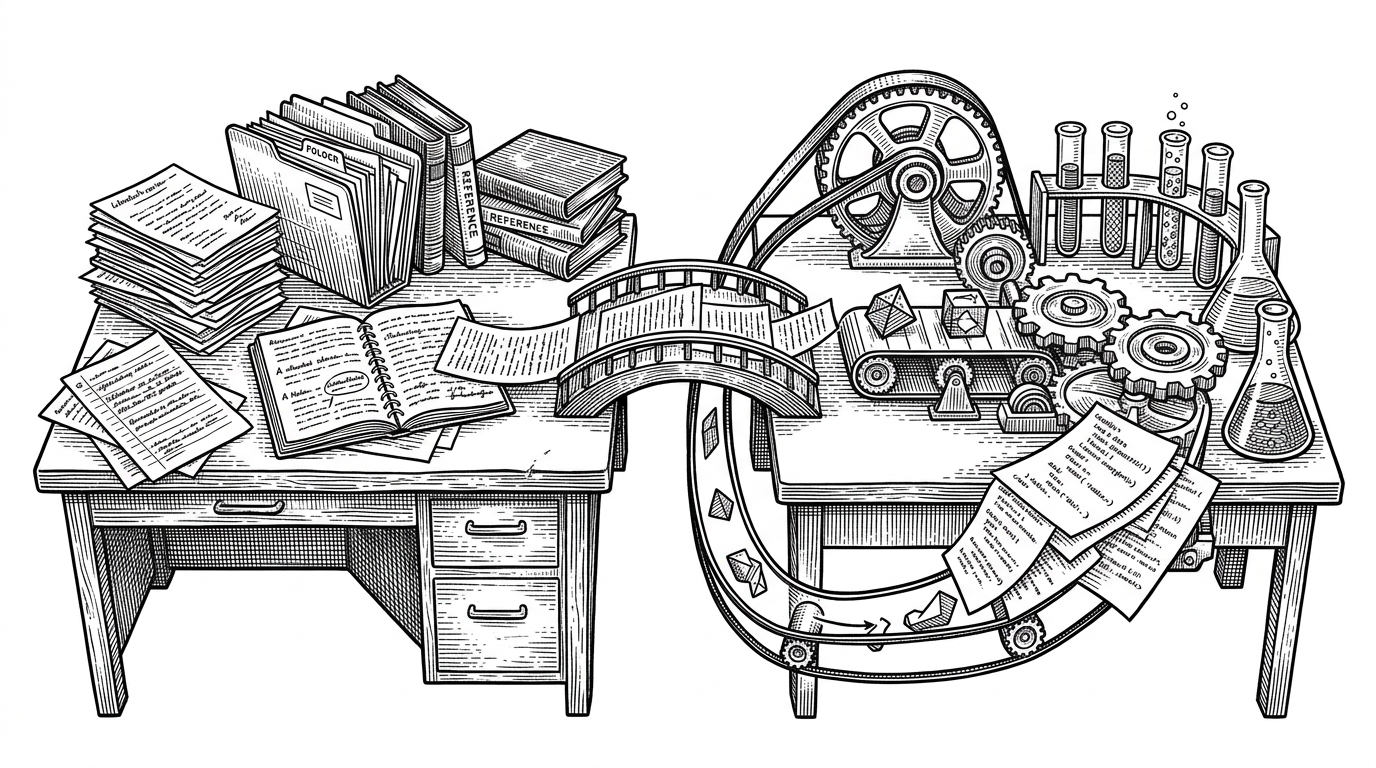
The key abstraction is `SkillModule`. In plain terms, it treats the text of a `SKILL.md` file as an optimizable object inside DSPy. That lets the system evaluate instruction content the way a model framework evaluates a program.
class SkillModule(dspy.Module):
    def __init__(self, skill_text: str):
        super().__init__()
        self.skill_text = skill_text

    def forward(self, task):
        # Skill text is used like a tunable parameter
        return dspy.Predict(TaskWithSkill)(skill=self.skill_text, task=task)
This is the bridge that makes the whole repo feel unusual. Instruction text stops being sacred prose and becomes a candidate for optimization. Once that happens, prompt work starts looking a lot more like engineering.
GEPA Does Not Guess. It Reads Failure Traces.
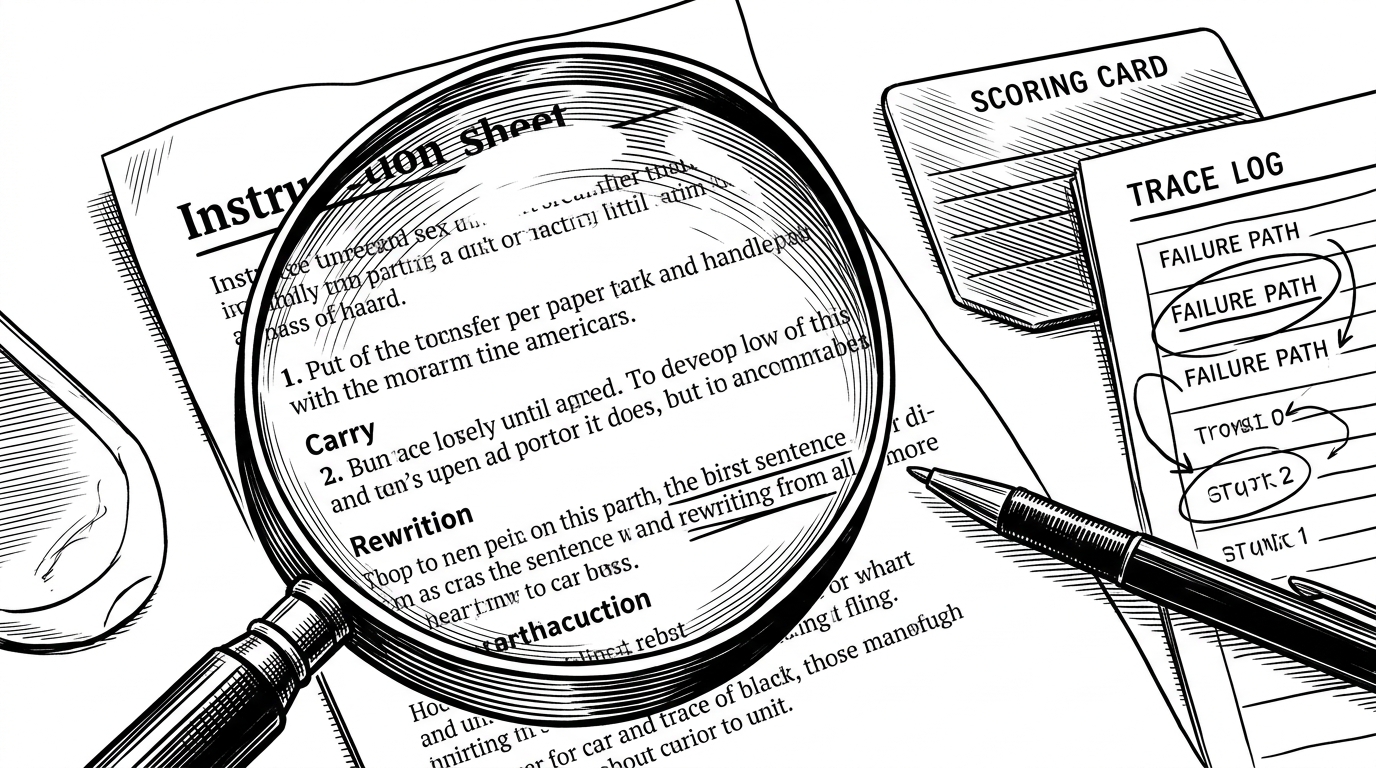
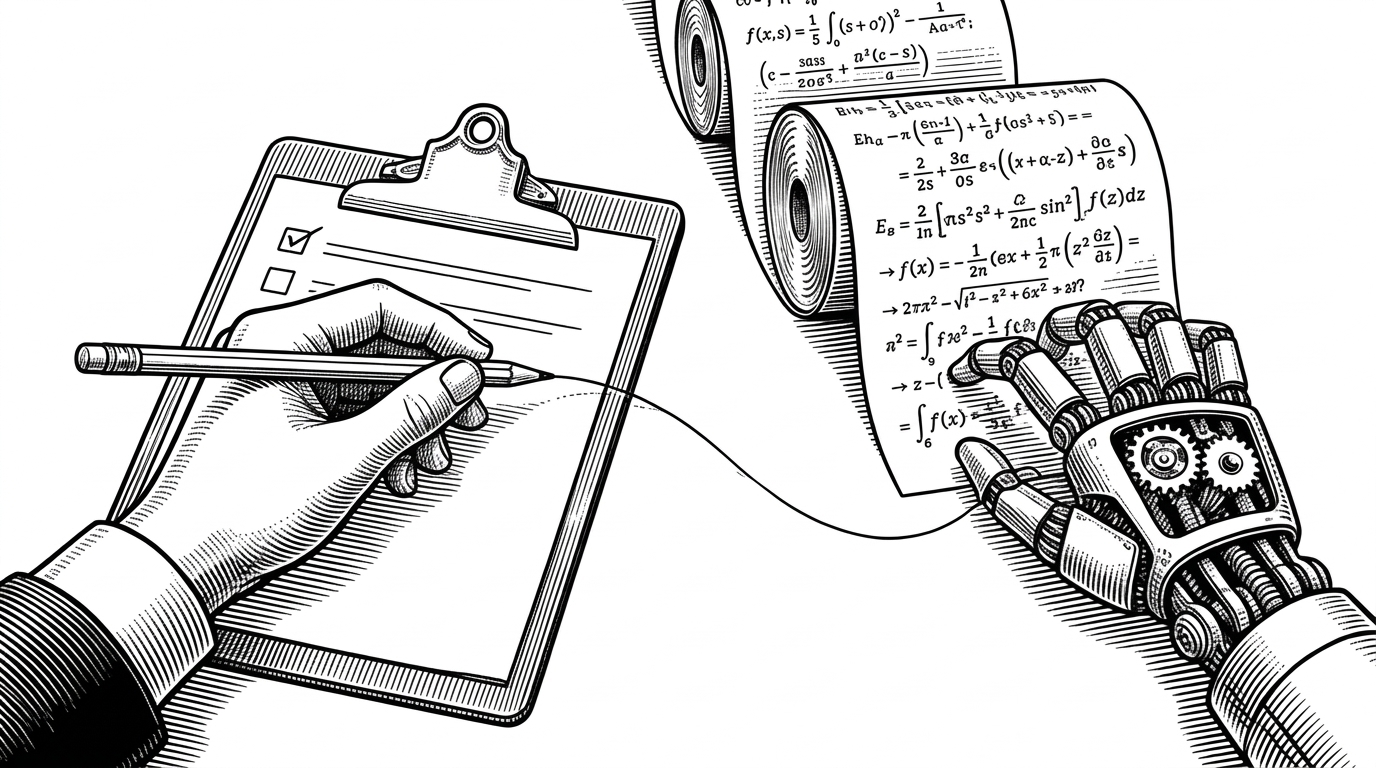
GEPA is the project’s real differentiator. The repo is not just mutating instructions and hoping for the best. It reads execution traces, studies why a task failed, and uses that reflection to propose a targeted rewrite.
That distinction matters. Random mutation can create a larger prompt or a different prompt. Reflective mutation can create a better prompt because it knows what broke. In other words, the system is learning from causality, not just from error counts.
GEPA reads execution traces to understand why things fail (not just that they failed), then proposes targeted improvements.
The Guardrails That Keep Self-Evolution Honest
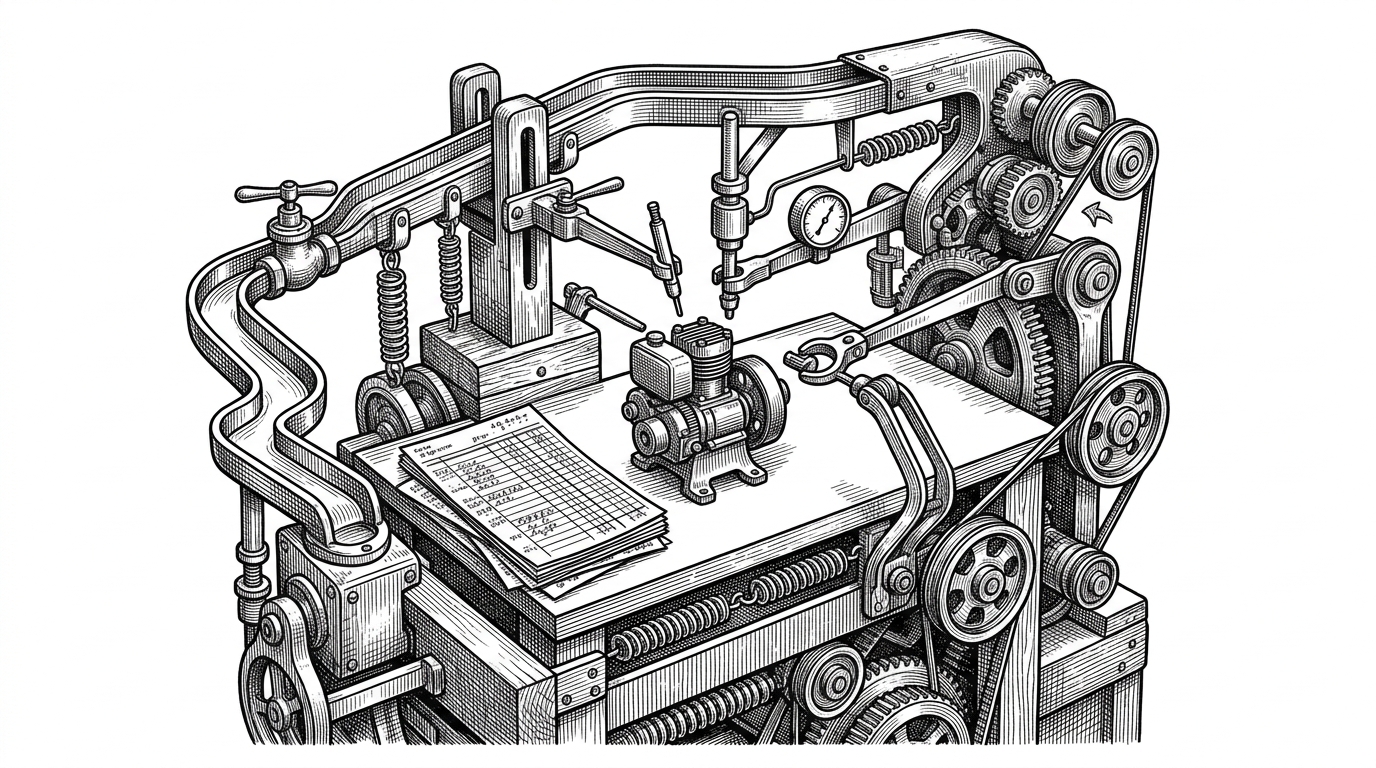
The repo is careful about what can change. `ConstraintValidator` applies size limits, growth limits, semantic preservation checks, and test integration so the system does not optimize itself into nonsense.
That is not a minor detail. A self-improving agent is only interesting if the improvement stays bounded. Otherwise the optimizer can reward bloat, drift, or brittle shortcuts that look good on paper and fail in production.
This is why the project feels more serious than a novelty. It is not promising magical autonomy. It is building an environment where improvement can happen without losing the original intent of the skill.
| Capability | Hermes Self-Evolution | Static automation | Ordinary prompt editing |
|---|---|---|---|
| Learning loop | Closed loop skill rewriting | No built-in learning | Manual iteration only |
| Optimization signal | Execution traces and reflective feedback | Trigger-action rules | Human judgment |
| Adaptation | Skill content changes over time | Workflow stays fixed | Prompt changes only when edited |
| Guardrails | Size, semantic, and test checks | Mostly external | Up to the author |
| Goal | Better agent behavior | Reliable task routing | Better instructions |
Why This Is Different From Static Automation
Zapier, Make, and n8n are excellent at moving information through predefined paths. Hermes self-evolution is trying to do something more ambitious. It wants the path itself to become smarter by rewriting the instructions that describe it.
That makes it closer to software optimization than workflow automation. The repo is not saying static tools are bad. It is saying they are not designed to evolve their own operating logic.
The comparison with prompt editing is just as sharp. Manual prompt tuning can be effective, but it is also labor-intensive and easy to drift into fluff. GEPA gives the repo a way to make changes that are trace-backed, testable, and constrained.
What Still Feels Early
The repo is interesting precisely because it is not finished. Phase 1, skill evolution, is the part that exists. Tool optimization, system prompt evolution, and code-level evolution are still planned.
That matters for credibility. The project is not pretending to have solved agent self-improvement end to end. It is showing a plausible first step, and that first step is already enough to change how you think about instruction design.
- Phase 1 is implemented, so the core loop is real rather than hypothetical.
- Later phases are planned, which means the architecture is intentionally broader than the current code.
- The strongest claim here is not autonomy, but a disciplined path toward better reusable skills.