ai-powered-aptitude-learning-app: QuizMania: The Adaptive Quiz Engine That Turns Wrong Answers Into the Next Lesson
A full-stack learning platform that combines spaced repetition, AI feedback, and weighted question selection to steer students toward what they actually need to study.
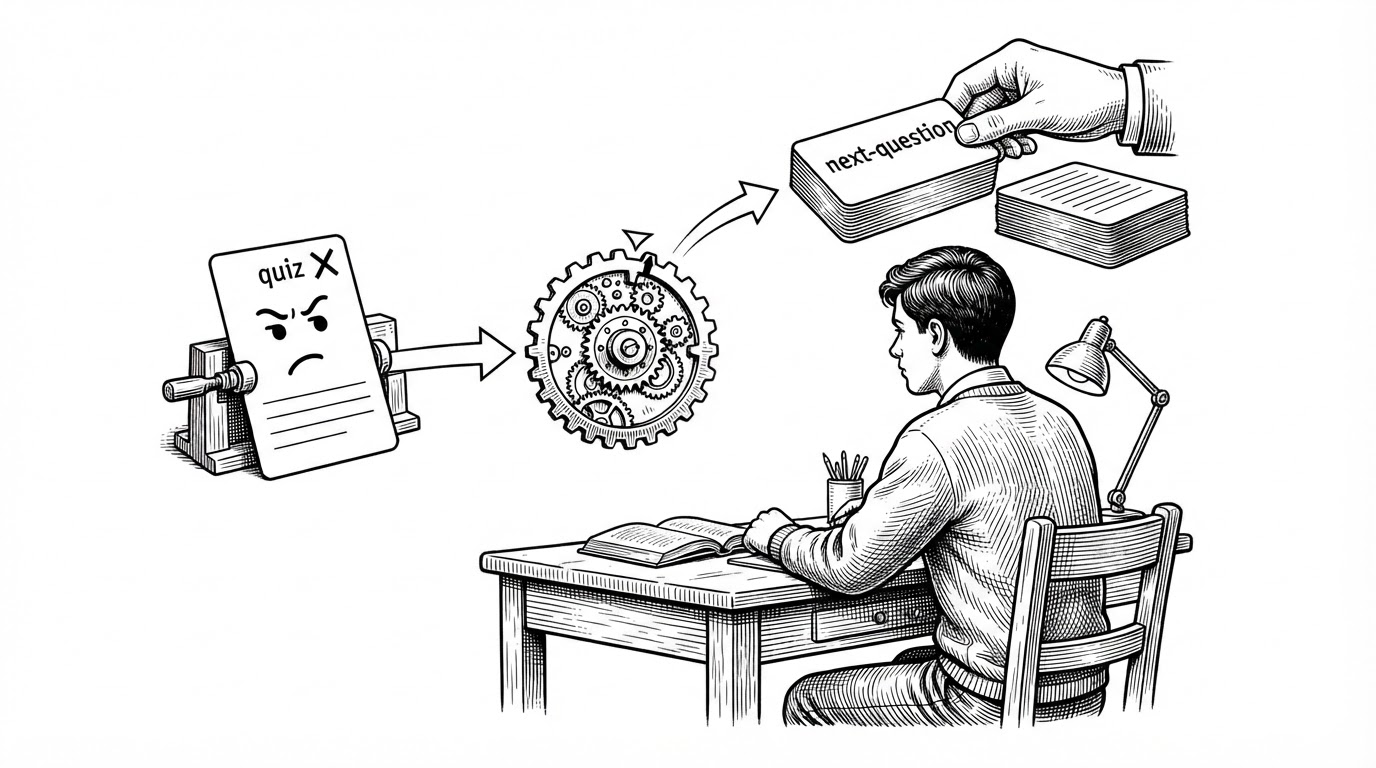
- QuizMania is built around a feedback loop, so each wrong answer changes what the student sees next.
- Its spaced repetition engine turns mastery into a scheduling problem, not just a scoring problem.
- AI feedback is constrained by validation, logging, and normalization, which keeps the tutor from drifting.
- The product feels durable because it combines memory, recommendation, and auditability instead of relying on a single model call.
Most quiz apps stop at scoring. QuizMania uses the score as a control signal. A wrong answer triggers feedback, updates mastery, changes review timing, and can alter the next question the student sees. That makes it feel closer to a lightweight tutor than a content feed.
The quiz app that behaves like a tutor
The repo’s core idea is simple: studying should react to performance. In the backend, that means the system does not just record correctness. It uses correctness to decide whether a topic should be reviewed, whether a mastery stage should advance, and whether the next question should come from a weak, medium, or strong area.
That architecture matters because it changes the product’s center of gravity. The unit of value is not a question bank. It is the loop that connects answer, diagnosis, memory, and selection.
What happens after a student gets one wrong
// Simplified flow from the backend
if (!isCorrect) {
  const feedback = await generateAIFeedback(attempt);
  const cleaned = cleanAIResponse(feedback);
  validateErrorType(cleaned.errorType);
  await saveAttempt(cleaned);
  await updateMastery(studentId, topicId, false);
  return getNextQuestion(studentId);
}
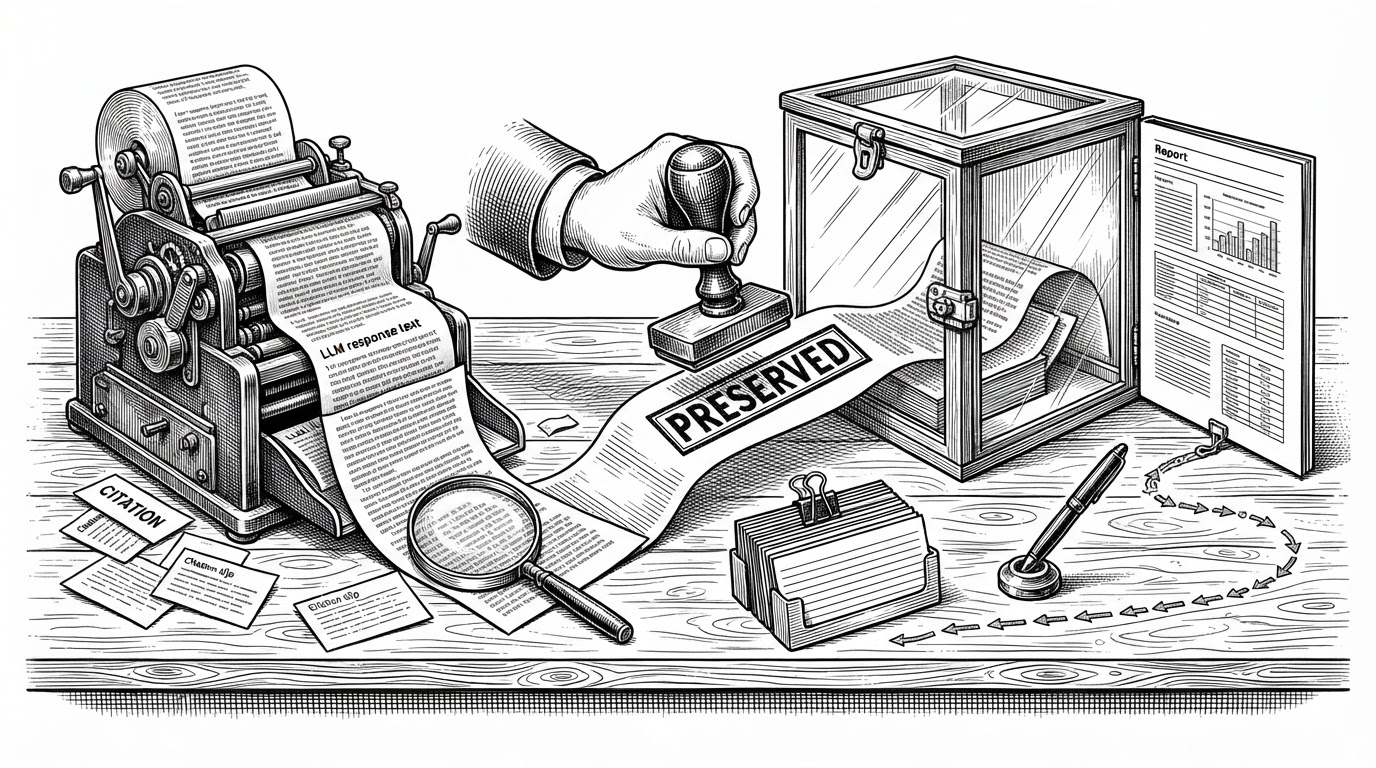
The important part is not that Gemini is involved. It is that the repo does not trust the model blindly. The feedback is cleaned, normalized, and validated before it touches persistence. That defensive layer keeps AI output from becoming product logic.
The real brain lives in spaced repetition
The learning engine in learningEngine.js is the most important non-AI part of the repo. It uses fixed review intervals, with correct answers advancing the review stage and incorrect answers resetting the student back to stage 1. That is a memory model, not just a quiz mechanic.
This is what makes QuizMania more durable than a generic tutor bot. The system remembers how hard a topic was, when it was last seen, and whether it is due again. The student is not merely practicing. They are being scheduled.
How QuizMania decides the next question
The recommendation logic is blunt in a good way. If a review is due, it wins. If not, the system falls back to weighted sampling across subtopics, with a strong bias toward weak areas. The design resists the student’s comfort zone instead of rewarding it.
| Model | Remembers mistakes | Uses AI feedback | Schedules review | Biases toward weak areas | Keeps an audit trail |
|---|---|---|---|---|---|
| Static quiz bank | No | No | No | No | Usually not |
| Generic AI tutor | Sometimes | Yes | Often no | Depends on prompt | Rarely |
| QuizMania | Yes | Yes | Yes | Yes | Yes |
// Recommendation priority
if (dueForReview) {
  return pickReviewQuestion();
}

// Otherwise, bias toward weak material
const roll = Math.random();
if (roll < 0.6) return pickWeakSubtopic();
if (roll < 0.9) return pickMediumSubtopic();
return pickStrongSubtopic();
AI feedback, but with guardrails
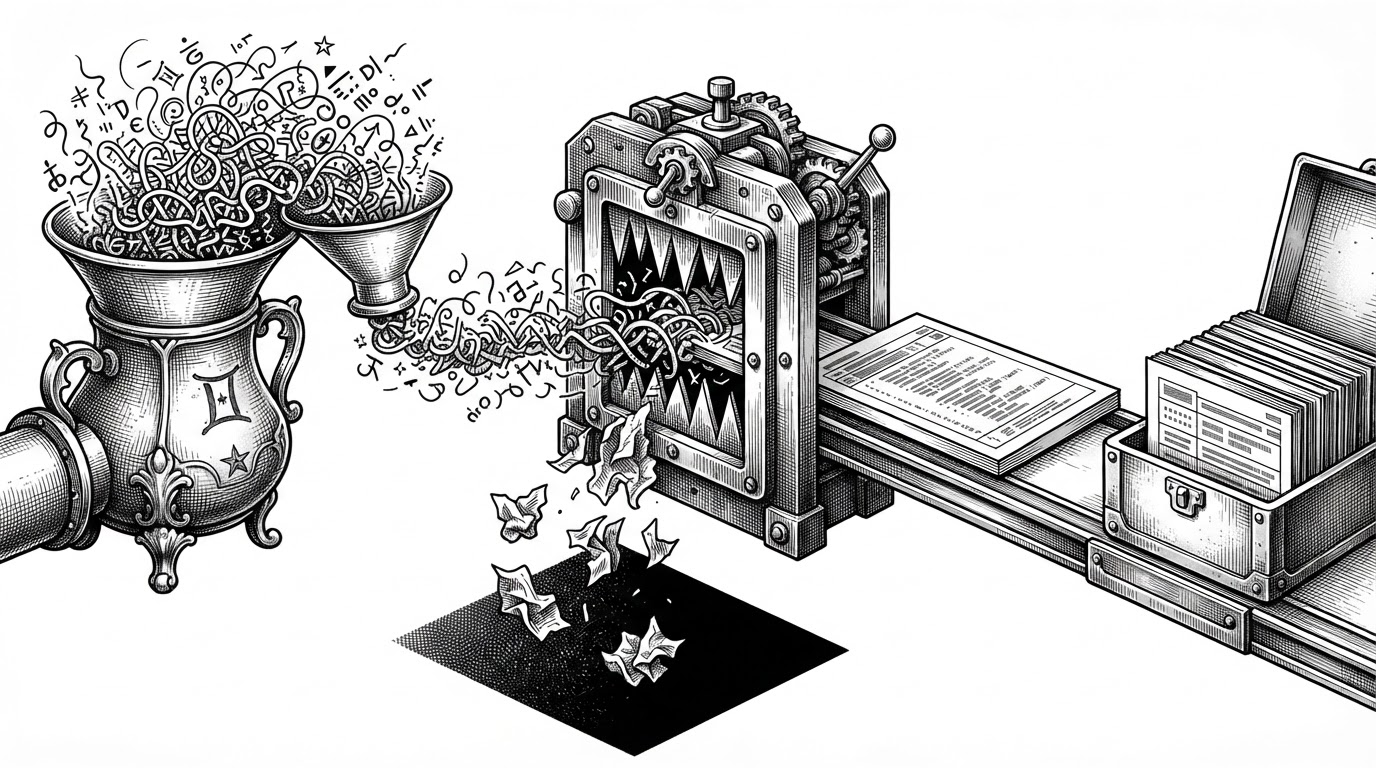
The AI layer is structured, not free-form. The repo prompts Gemini for a specific JSON shape, strips formatting quirks, and validates the final error type before storing anything. That is a practical pattern: use AI for diagnosis, then force the result through a schema.
That choice also reveals the product philosophy. QuizMania wants AI to help interpret mistakes, not to decide the learning system’s rules. The rules stay in code.
Why the data model matters
The mastery model denormalizes topicId so the app can report on learning at the topic level without expensive lookup chains. That is not textbook purity, but it is operationally smart. The data model is shaped for fast analytics and simpler recommendation logic.
You can see the same pragmatism in the attempt log and AI log flow. The system keeps track of what happened, what was asked, what the model returned, and how long it took. That gives the team room to debug, audit, and tune the product instead of guessing.
The admin side reveals the product’s maturity
The superadmin workflow, draft question approval, rate limiting, Swagger docs, and security middleware all point in the same direction. This is not a toy demo stitched together to impress with one API call. It is trying to behave like a production system with roles, logs, and controls.
| Layer | What it does | Why it matters |
|---|---|---|
| Superadmin workflow | Approves or manages content | Keeps generated material human-reviewed |
| AiLog | Tracks prompts and execution time | Makes model behavior observable |
| Rate limiting | Caps request volume | Controls abuse and cost |
| Security middleware | Adds baseline hardening | Fits a real service boundary |
Quiz bank, static tutor, or adaptive learning system?
| Approach | Core strength | Core weakness | QuizMania’s advantage |
|---|---|---|---|
| Static quiz bank | Simple content delivery | No memory | Learns from the last mistake |
| Generic AI chat tutor | Flexible explanation | Hard to govern | Uses AI inside a controlled loop |
| Conventional LMS | Course management | Often passive | Connects mastery to question selection |
QuizMania’s real value is orchestration. It combines memory, retrieval, feedback, and validation into one learning loop. That is a sturdier idea than either a plain quiz app or a pure chatbot tutor.