NiubiGEO: The Audit Trail for How LLMs See Your Brand
A TypeScript GEO tool that treats AI visibility like forensic evidence, preserving raw model responses, citations, and analysis history instead of hiding behind a proprietary score.


We want every team to understand how they appear in AI answers at a low cost, with a way to verify every conclusion.
- NiubiGEO is built around a receipt trail, not a proprietary score, so every conclusion stays tied to the raw model evidence that produced it.
- Its save-first, parse-later design preserves answers before extraction, which keeps failed parses from destroying the audit record.
- Local re-analysis turns preserved responses into reusable evidence, so better parsing logic can improve reports without paying for new model calls.
- The project’s real differentiator is methodological: it tries to make AI visibility defensible, reproducible, and inspectable.
NiubiGEO is not trying to be the prettiest GEO dashboard in the room. Its sharper idea is that an AI visibility audit is only useful if you can replay it later, inspect the inputs, and explain exactly why a brand was mentioned, recommended, or ignored.
The real product is the receipt trail
The project’s strongest claim is also its least marketable one: it treats every LLM answer as forensic material. That means raw provider responses, raw answers, citations, field issues, and source attempts are preserved as evidence, not flattened into a single score.
That matters because GEO is not a stable measurement problem. LLMs cite differently, summarize differently, and sometimes surface answers through reasoning paths that are hard to see after the fact. NiubiGEO’s answer is to keep the record intact before interpretation can muddy it.
Why GEO needs a different kind of tool
Traditional SEO tools were built for ranking systems that left obvious traces. GEO tools have to deal with models that may recommend a brand, cite a rival, or blend both into a single response. The unit of analysis is no longer a blue link. It is a mixed bundle of answer text, citations, and provenance.
| Dimension | Traditional SEO | NiubiGEO's model |
|---|---|---|
| Primary signal | Search ranking and clicks | Model mention, recommendation, and citation trail |
| Evidence | SERP snapshots and metrics | Raw provider response, raw answer, and source attempts |
| Failure mode | Missed keywords or rank drops | Opaque model output that cannot be replayed |
| Interpretation | Score-first reporting | Evidence-first audit record |
| Ownership | Often SaaS-controlled | Self-hosted, inspectable, and replayable |
The important shift is philosophical. In a GEO workflow, the report should not be the source of truth. The source of truth should be the preserved evidence that the report summarizes.
How NiubiGEO keeps evidence intact
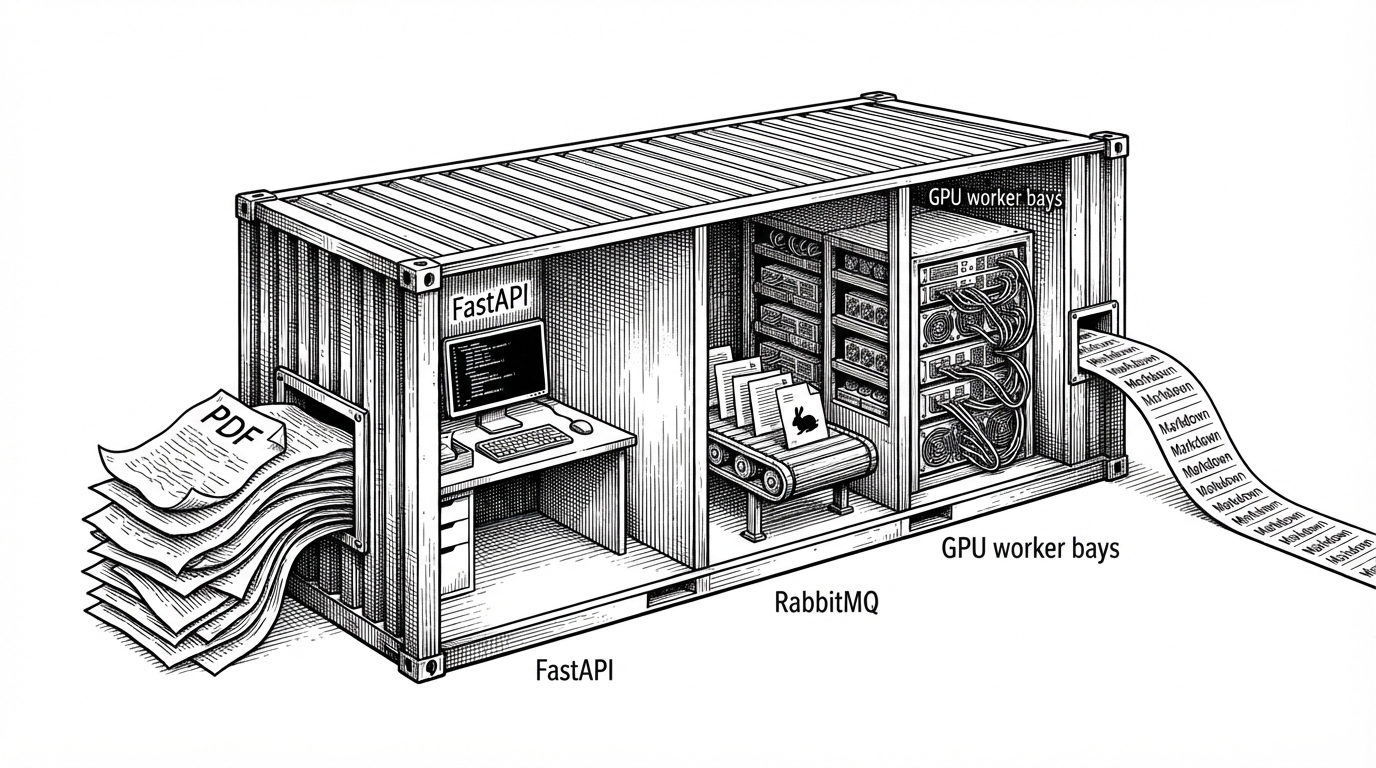
The save-first, parse-later discipline is the heart of the codebase. The system stores the raw provider response before parsing, so a failed extractor does not erase the evidence. That is a small implementation choice with a big consequence: you can change the parser later and rerun analysis against the same archive.
type RecognitionArchive = {
  rawProviderResponse: unknown;
  rawAnswer: string;
  fieldIssues: string[];
  sourceAttemptMap: Record<string, unknown>;
};

async function persistThenParse(response: unknown) {
  await saveArchive(response);
  return parseStructuredEvidence(response);
}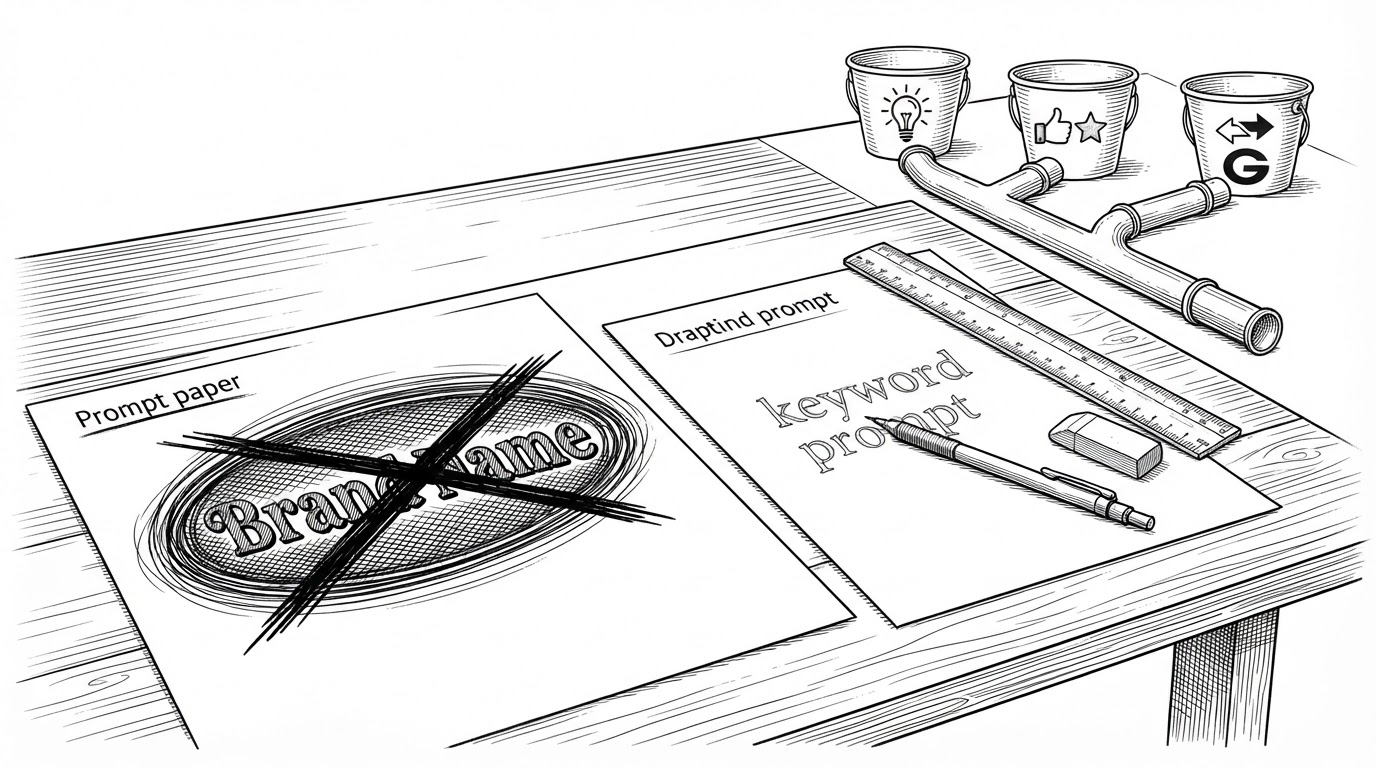
That neutrality rule is easy to miss, but it is the kind of thing that separates a useful audit from a self-fulfilling one. If you name the brand inside the prompt, you are no longer measuring discovery. You are nudging the result.
Why local re-analysis is the quiet superpower
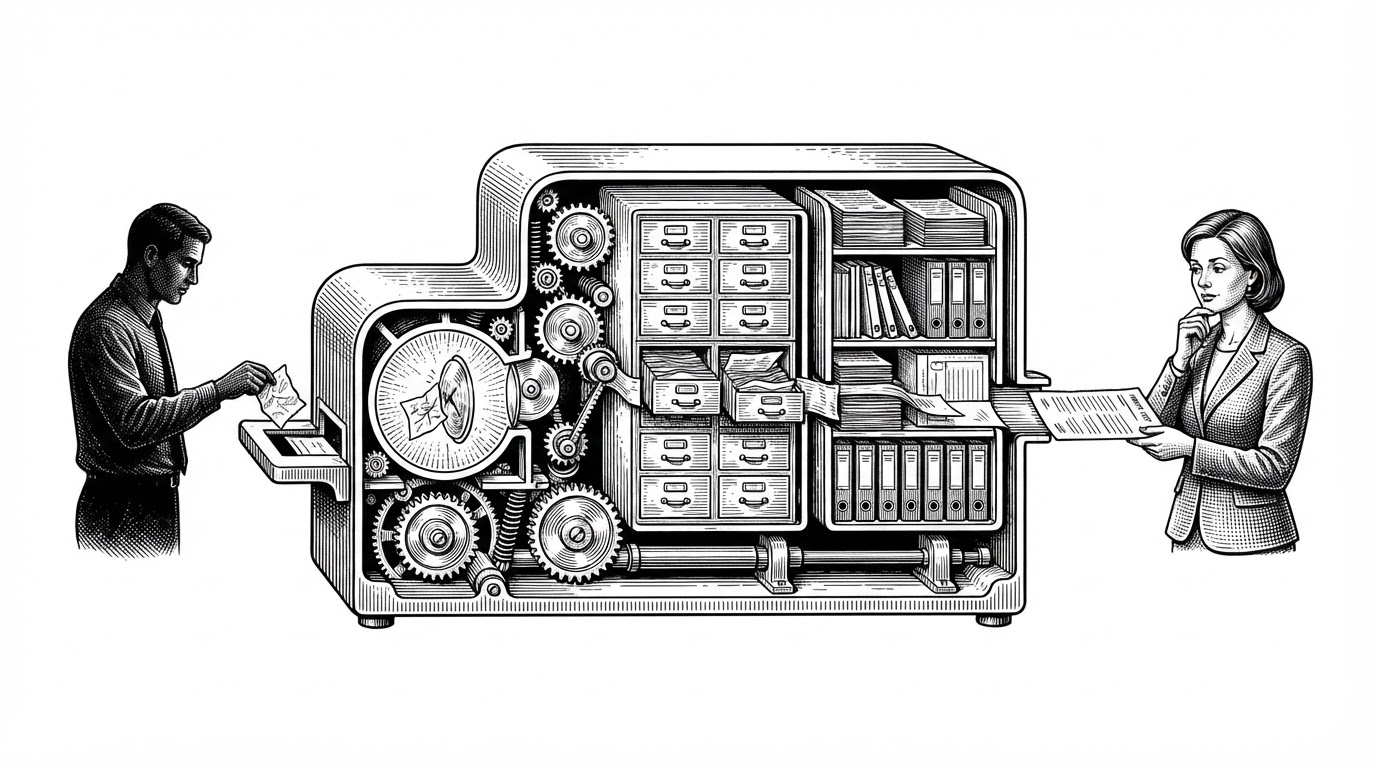
RecognitionAnalysisRevision is the feature that makes the evidence model pay off. Once raw answers are archived, improved extraction logic can revisit the same material and recompute the analysis without making new provider calls.
| What changes | What stays fixed |
|---|---|
| Parser rules, extraction heuristics, and field mapping | The raw evidence archive |
| Report formatting and derived labels | The original provider response |
| Analysis quality over time | The audit trail itself |
That creates a cleaner operational loop. The team can improve the analysis engine without changing the historical record, which is exactly what you want if the goal is defensible reporting rather than a one-off dashboard.
Where NiubiGEO sits in the GEO landscape
| Tool family | Strength | Trade-off |
|---|---|---|
| Commercial GEO SaaS | Polished monitoring and packaged scoring | Opaque logic and limited evidence ownership |
| Open-source browser automation tools | Closer to the user interface | More brittle and harder to normalize |
| NiubiGEO | Preserved evidence, local re-analysis, and traceable reports | Less glossy, but far easier to audit |
That is the real contrast. NiubiGEO is not trying to win by layering more features onto a score. It is trying to make the score secondary to the receipts.
What the codebase says about the project
The repository looks methodical in the way the product idea suggests it should. It is TypeScript-first, split into provider abstractions, product services, UI layers, and Playwright coverage, with documentation that reads like an internal methodology manual rather than a marketing README.
That matters for trust. A tool that audits model behavior needs to be auditable itself, and NiubiGEO’s modular structure, explicit evidence model, and repeatable test coverage all point in the same direction: this is built to be inspected, not merely used.