Inside `dailydoseofai`: The News Pipeline That Tries to Filter AI Hype Before You See It
An automated briefing app that scores, deduplicates, and summarizes AI news into a high-signal daily read, then wraps it in a full-stack TypeScript product built on TanStack Start.

- `dailydoseofai` treats AI news as a filtering problem, not an aggregation problem.
- Its most distinctive move is an opinionated curation engine that scores hype, suppresses low-signal items, and collapses overlapping stories before they reach readers.
- The stack matters because TanStack Start, server functions, and Drizzle turn that editorial logic into a single cohesive product.
- The repo already points past a reader app toward a habit loop with streaks, bookmarks, likes, and comments.
Why AI news needs a filter, not just a feed
AI coverage is abundant, repetitive, and often optimized for clicks. That means the hard part is not collecting stories. It is deciding which ones deserve a slot in a daily briefing.
That is the core idea behind dailydoseofai. The repo turns newsroom judgment into software: what counts as signal, what gets suppressed as noise, and which overlapping items collapse into one update.
The result is a product that behaves less like a generic reader and more like an editor with rules.
The pipeline that decides what counts as signal
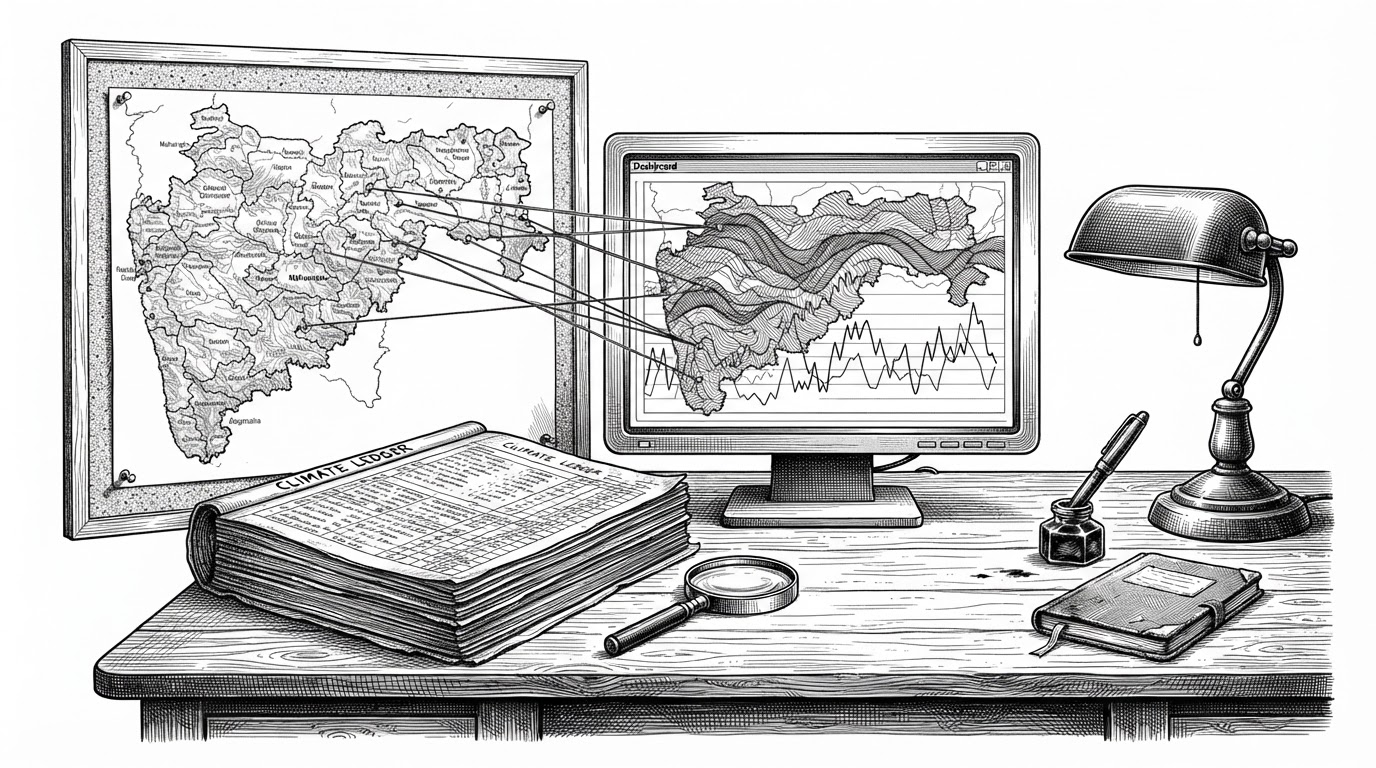
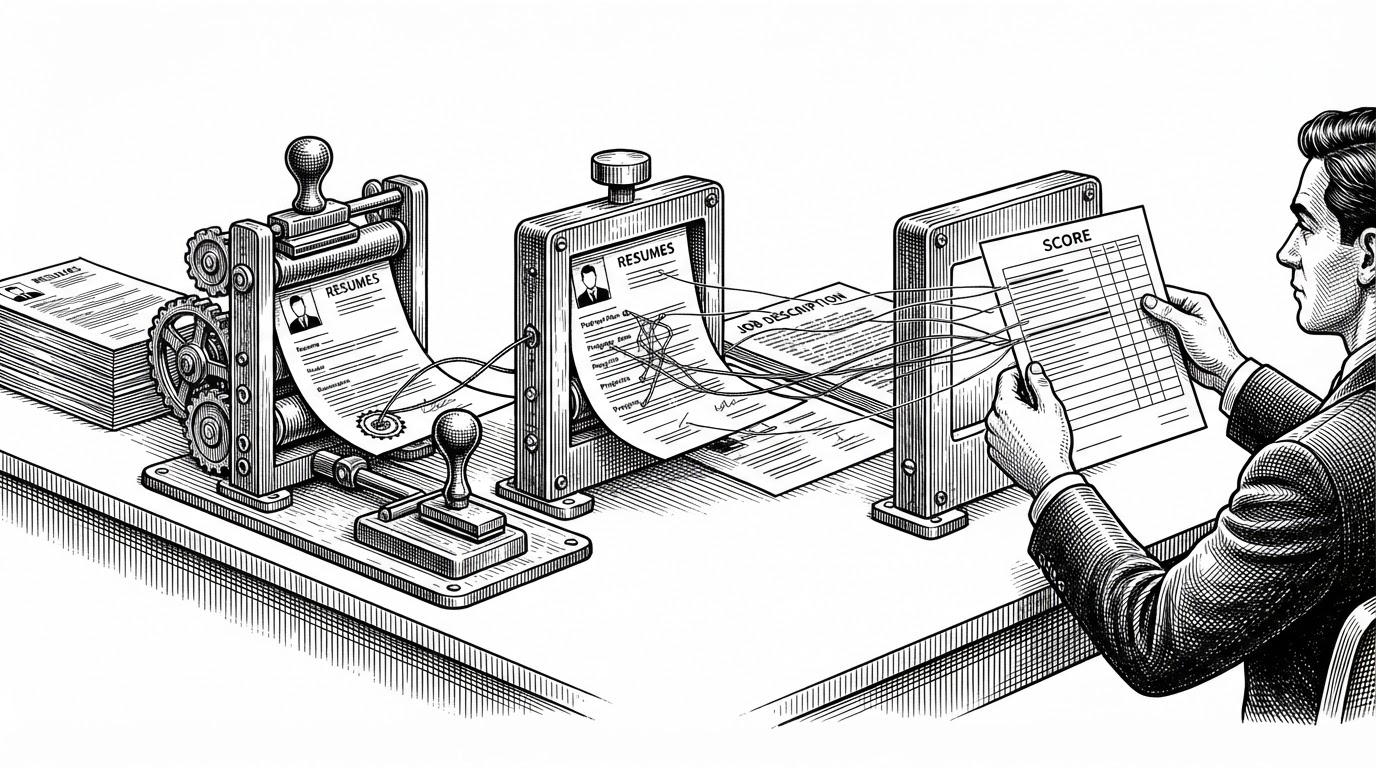
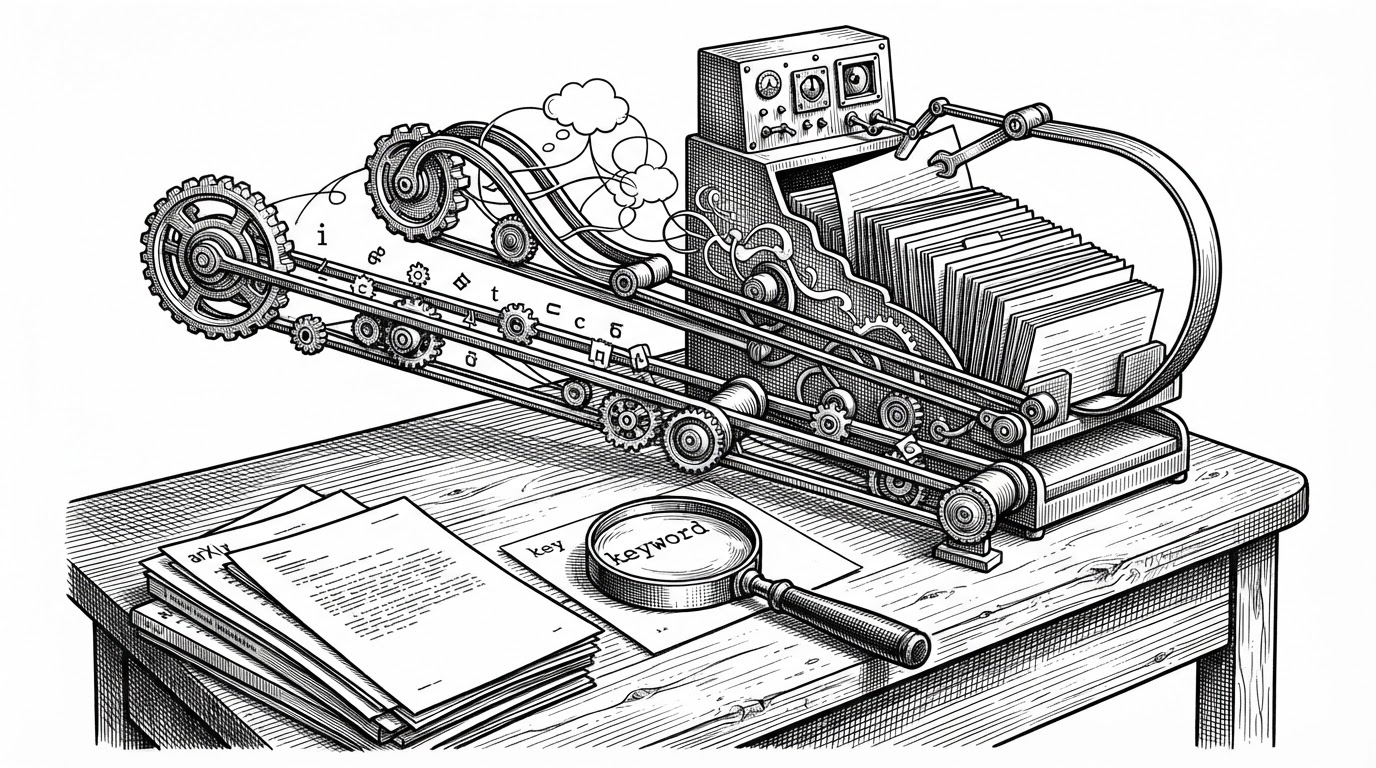
The ingestion flow starts with RSS feeds, official blogs, Google News searches, and community signals from places like Hacker News and Reddit. From there, the system scores items using keyword signals, hype terms, and low-value penalties.
// The heart of the system is not collection. It is selection.
// Raw items only survive if they clear scoring, deduplication, and summarization.

if (isLowSignalNews(item)) return discard(item);
if (isFomoNews(item)) boost(item);
if (isDuplicateDisplayUpdate(item, existing)) merge(item, existing);
return summarizeWithGemini(item);
That flow matters because it makes editorial judgment explicit. The code is not pretending to be neutral. It encodes a preference for big events, meaningful novelty, and less repetition.
The Fomo filter is the project’s editorial thesis
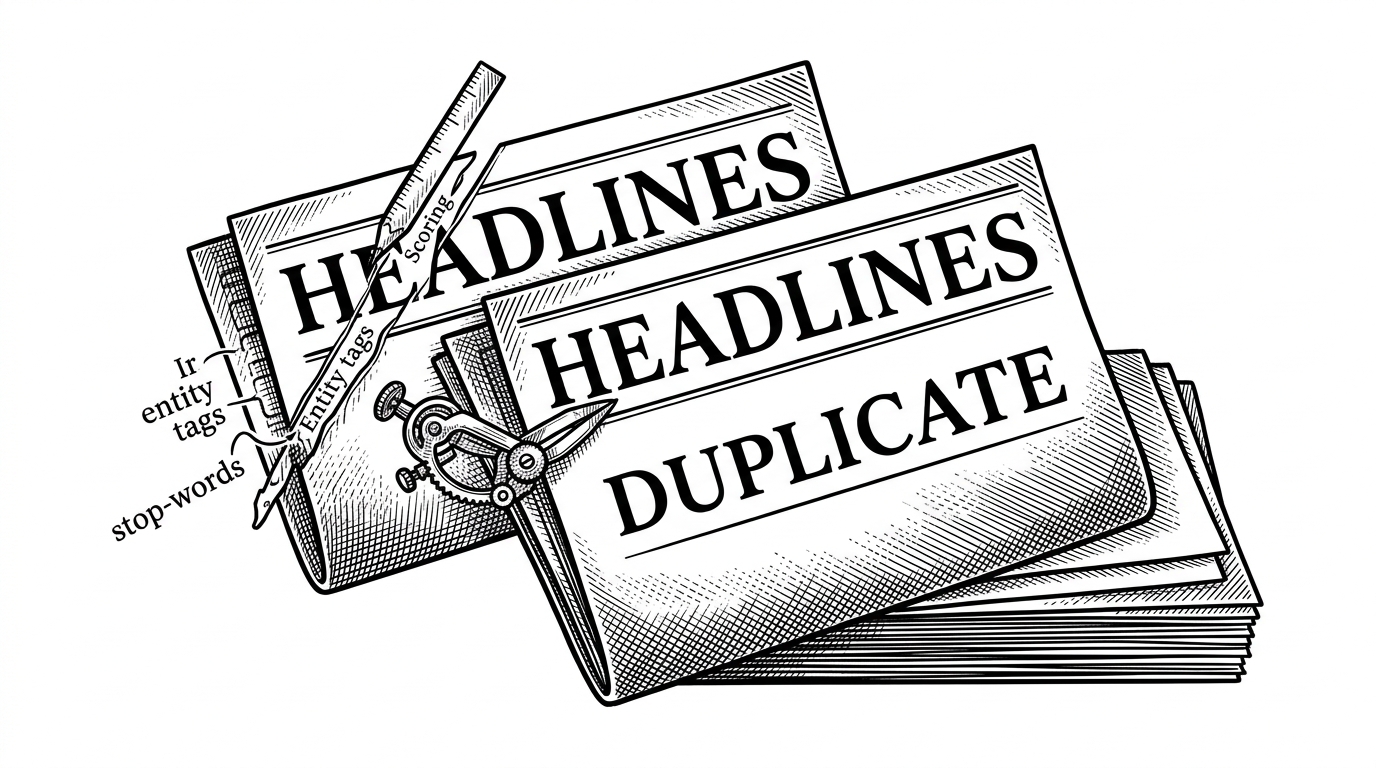
The signature move in the repo is the Fomo filter. It does not simply ask whether a story is about AI. It asks whether the story feels important enough to rise above the stream.
| Axis | Standard RSS reader | Generic AI news dashboard | dailydoseofai |
|---|---|---|---|
| Ingestion | Mostly raw subscriptions | Often broad source scraping | RSS, official blogs, Google News, and community signals |
| Deduplication | URL-based at best | Usually shallow similarity checks | Title, URL key, token overlap, and entity matching |
| Editorial judgment | Left to the user | Hidden inside ranking | Encoded as explicit scoring rules |
| Summaries | None or manual | Sometimes generic LLM blurbs | Gemini-generated "why it matters" summaries |
| Retention | Bookmarks and history | Light engagement | Streaks, likes, comments, and bookmarks |
| Product feel | Utility | Dashboard | Briefing with opinions baked into the pipeline |
How the app stitches backend logic into a product
The stack is modern, but the important part is how unified it feels. TanStack Start, Vite, Nitro, Drizzle, and server functions let the app blur the line between frontend and backend without turning the codebase into a knot of ad hoc APIs.
That matters for a curation product. The same system that fetches a story can score it, dedupe it, summarize it, and serve it in one typed path.
In practice, that keeps the editorial logic close to the product surface instead of buried in a separate service.
What the architecture is doing under the hood
The repo also suggests a frontier-stack mindset. The point is not just that the tools are new. It is that they are being used to make the editorial pipeline feel like one system instead of several glued together.
From news reader to habit engine
The schema hints that this is more than a daily briefing. Streaks, bookmarks, likes, comments, and read history point toward retention mechanics that can turn a utility into a recurring habit.
That is a meaningful shift. Once users can react, save, and return, the product is no longer only about distribution. It becomes a place where the audience starts leaving traces.
| Feature | What it does | Why it matters |
|---|---|---|
| Streaks | Tracks consistency of visits | Creates a reason to come back |
| Bookmarks | Saves articles for later | Supports deeper reading |
| Likes | Captures lightweight feedback | Adds a signal the system can surface |
| Comments | Lets readers respond | Opens a community layer |
| User views | Records reading history | Enables personalized behavior |
What it beats, and what it does not
Compared with a traditional RSS reader, this repo does more of the editorial work for you. Compared with a static AI news roundup, it is more adaptive and operational. Compared with a manual newsletter workflow, it is faster and more consistent.
The trade-off is clear. Automation can scale the first pass, but it cannot fully replace judgment about context, nuance, or timing. The strongest version of this product still leaves room for humans to tune the rules.
| Workflow | Strength | Weakness |
|---|---|---|
| Traditional RSS reader | Maximum user control | Too much noise to skim quickly |
| Static AI roundup | Simple and readable | Often opaque about why items matter |
| Manual newsletter workflow | Strong editorial taste | Slow, expensive, and hard to scale |
| dailydoseofai | Explicit filtering and summarization | Needs ongoing human judgment to stay sharp |
Why this repo is worth watching
The most interesting thing here is not the stack. It is the thesis: editorial judgment can be encoded as software without pretending that taste has vanished.
That makes dailydoseofai more than an AI news app. It is a template for building systems that sort information before people ever have to.