SuperClaude_Framework: SuperClaude Framework: The Control Layer That Teaches Claude Code to Act Like an Engineering Team
A meta-programming system for Claude Code that adds confidence gates, self-checks, long-term memory, and parallel execution so an AI session behaves more like a disciplined development workflow than a loose chat.
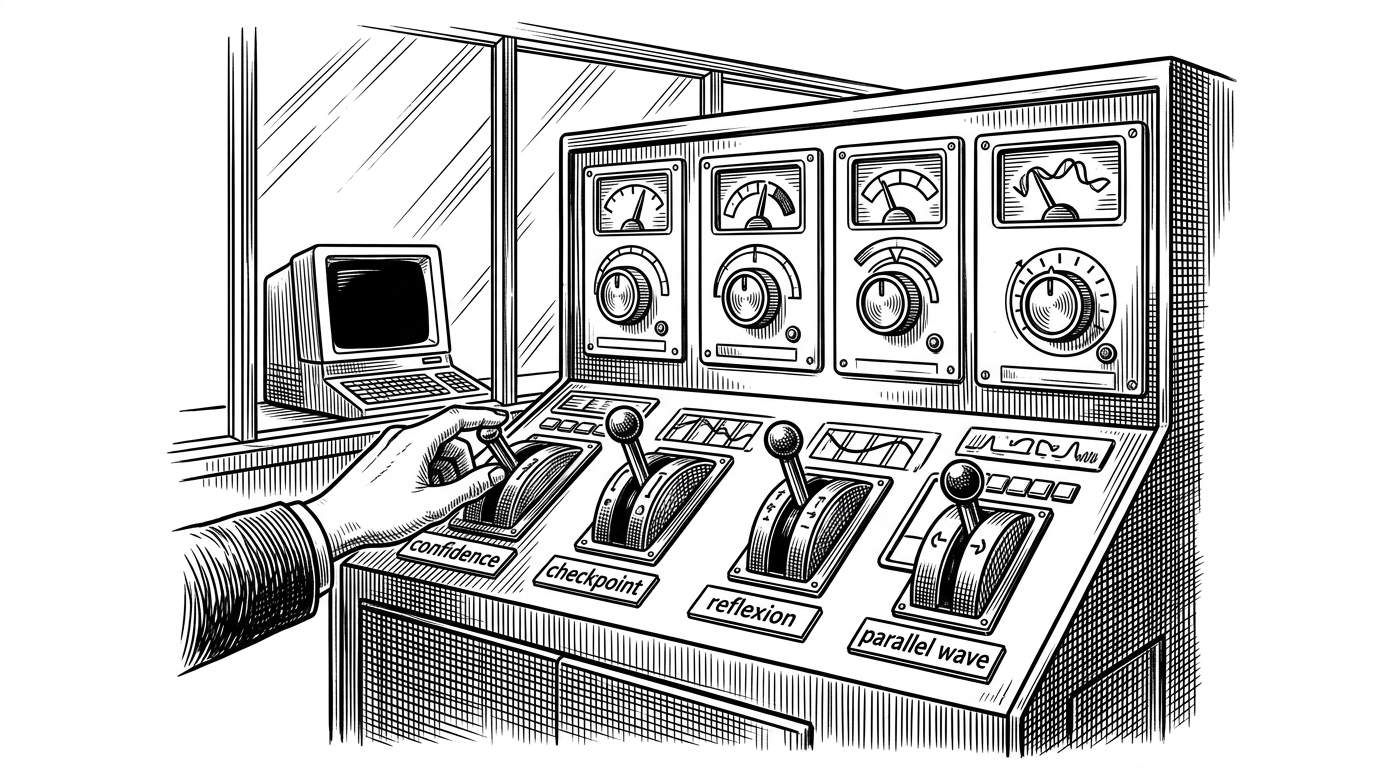

SuperClaude is a meta-programming configuration framework that transforms Claude Code into a structured development platform through behavioral instruction injection and component orchestration.
- SuperClaude’s real trick is not adding capability, but adding permission, so Claude Code has to earn the right to continue.
- Its confidence gates, post-edit checks, and reflexion loop turn one-off prompt luck into a governed development process.
- The wave, checkpoint, wave rhythm speeds work up without pretending parallelism removes the need for verification.
- The project points toward a bigger shift in AI coding: the control surface around the model may matter more than model size alone.
SuperClaude is interesting because it treats AI coding as a governed process, not a freeform chat. That changes the unit of value. The question is no longer, “Can Claude do the task?” It becomes, “What system makes Claude behave like a disciplined engineer while it does it?”
Why SuperClaude Exists
Raw Claude Code is powerful, but power is not the same as reliability. A chatty coding session can drift, overcommit, and burn context on the wrong path before anyone notices. SuperClaude wraps the model in rules and thresholds so it has to slow down when certainty is low and speed up when the path is clear.
That is why the project feels less like a prompt pack and more like an operating layer. It is trying to solve the boring, expensive part of AI development: wrong assumptions, missed checks, and the token waste that comes from letting an LLM improvise its way through uncertainty.
The Core Idea: A PM Agent for Claude Code
The cleanest way to understand SuperClaude is as a PM agent wrapped around Claude Code. It does not just tell the model what to do. It tells the model how to decide whether it should proceed, pause, or stop. In that sense, it behaves like a manager, reviewer, and process guardrail all at once.
Confidence Gates, Not Guessing
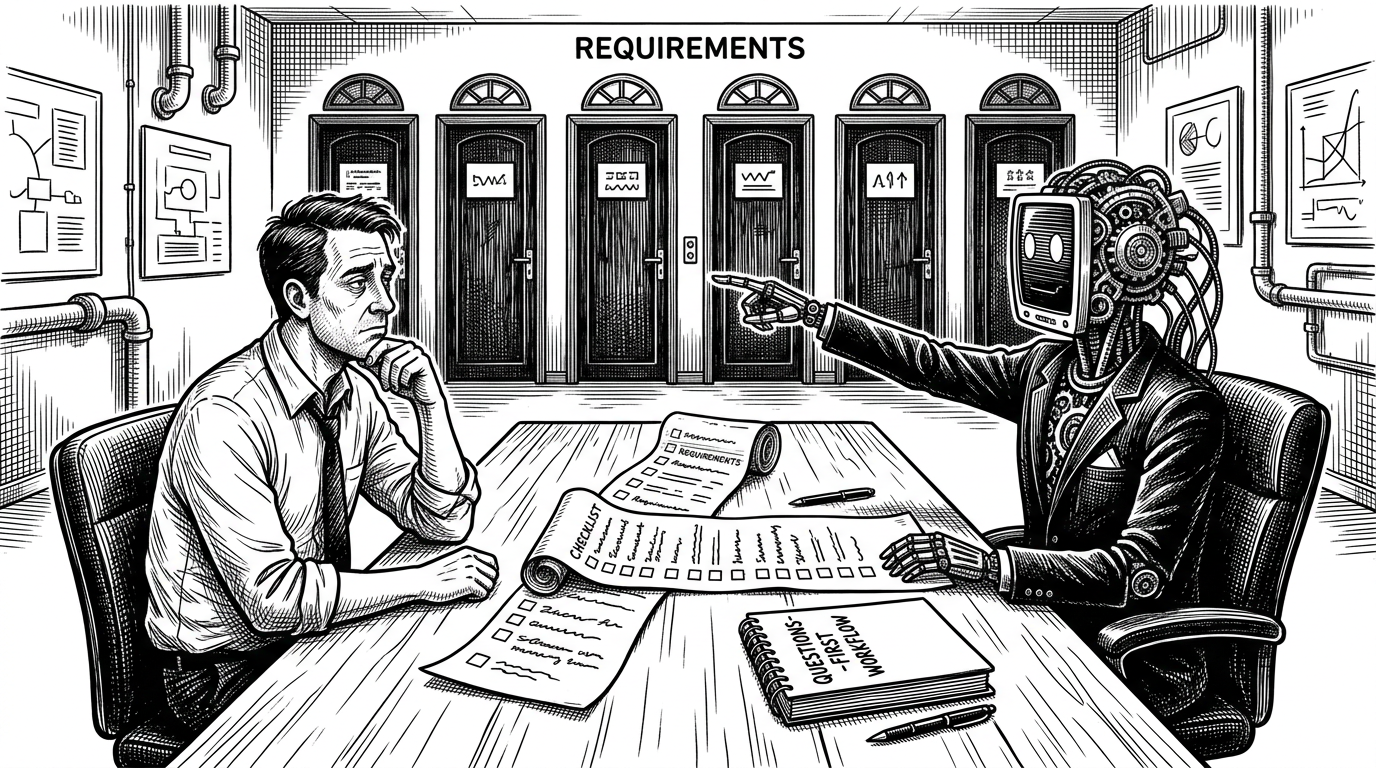
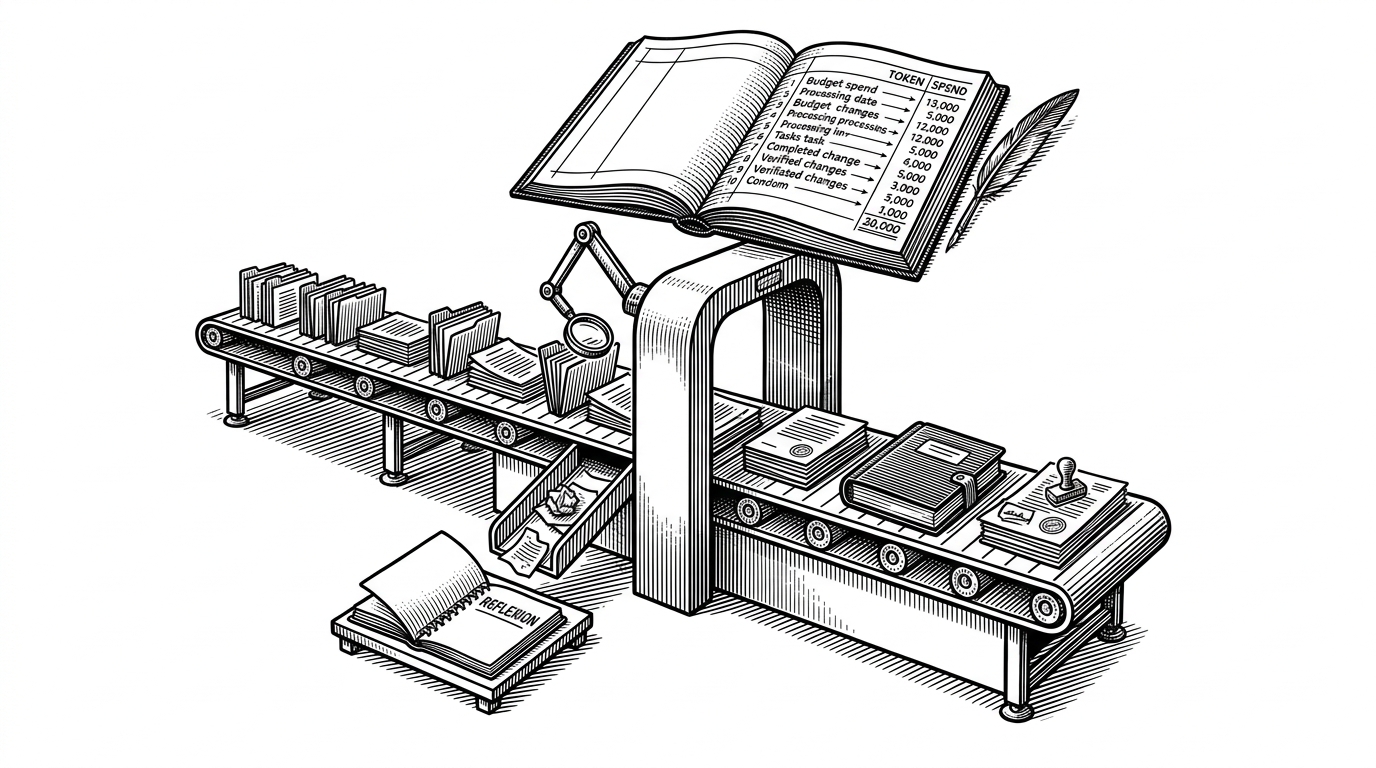
The confidence gate is the project’s most revealing mechanism. Instead of pretending every request is equally clear, SuperClaude tries to score readiness. If the model does not understand the task well enough, it should not keep improvising. It should clarify, stop, or narrow the problem first.
That sounds modest, but it changes the behavior of the whole session. It makes the system explicitly skeptical. In practice, that means a shorter path to the right answer and a much longer leash for the wrong one to grow into a mess.
def should_proceed(confidence: float) -> str:
    if confidence >= 0.90:
        return "proceed"
    if confidence < 0.70:
        return "stop_and_clarify"
    return "checkpoint_and_verify"
The important thing is not the exact number. It is the shape of the policy. SuperClaude makes uncertainty visible and actionable. That is a very different philosophy from the common agent pattern, where the model barrels ahead and only checks itself after the damage is done.
The Wave, Checkpoint, Wave Pattern
SuperClaude’s parallel engine is not just a speed trick. It is a rhythm change. The framework batches reads and subtasks into waves, then forces a checkpoint before the next wave begins. That means parallelism is not treated as free chaos. It is treated as a burst of work that still has to earn the next round.
| Mode | Unit of control | Primary goal | Strength | Trade-off |
|---|---|---|---|---|
| Sequential Claude Code | One instruction at a time | Move forward conversationally | Simple and flexible | Slower, drift-prone, easy to overrun context |
| SuperClaude wave workflow | Batched tasks with checkpoints | Improve reliability and throughput together | Parallel reads with enforced verification | More orchestration, more process overhead |
This is where the project’s “engineering team” metaphor becomes literal. One part explores, another verifies, and the checkpoint decides whether the team has enough evidence to keep going. The model is still doing the work. The workflow is deciding how that work gets admitted into the next step.
Hooks, Skills, and the Hidden Claude Layer
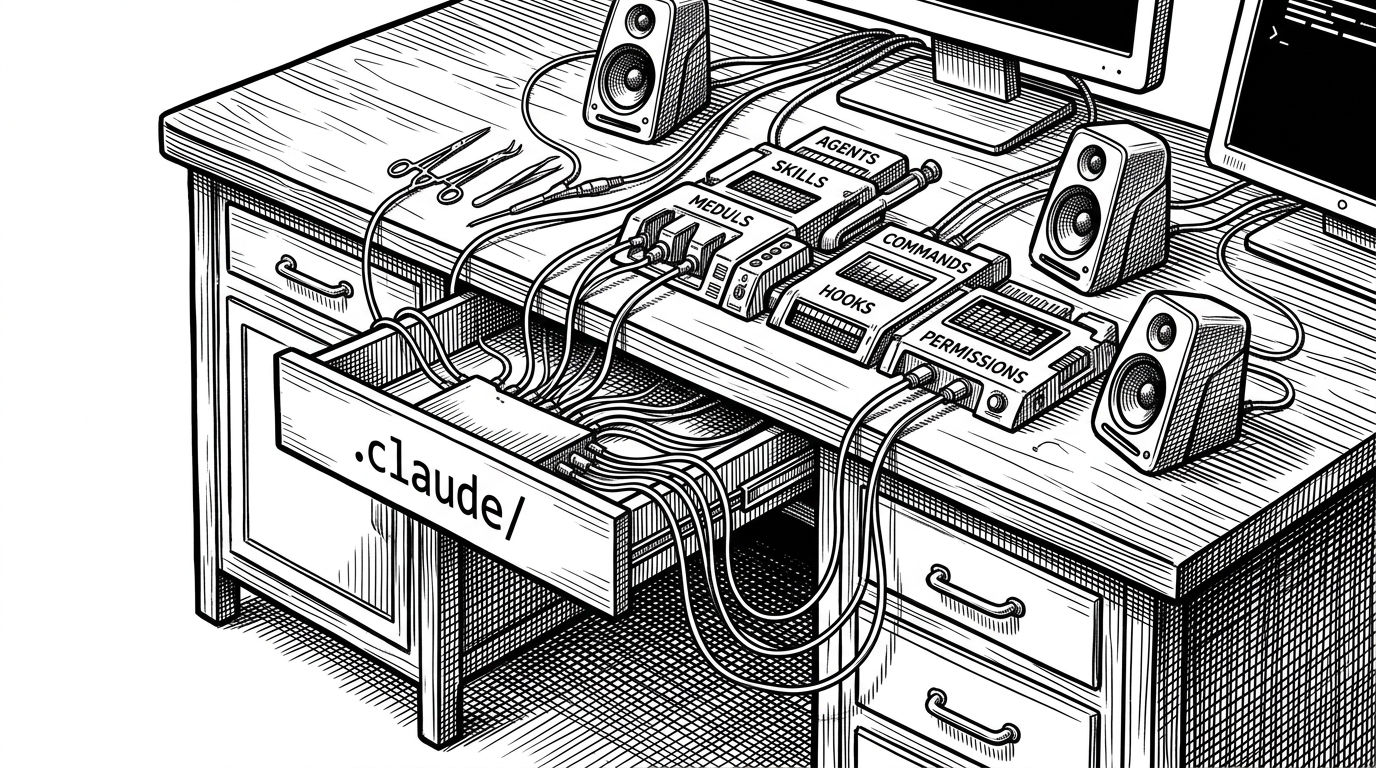
A lot of the project’s leverage comes from where it lives. SuperClaude installs itself into `.claude/`, uses hooks like `SessionStart` and `PostToolUse`, and adds installer and doctor flows so the environment is prepared before the session really begins. The user experiences Claude Code, but the session is already being shaped underneath.
{
  "hooks": {
    "SessionStart": "session-init.sh",
    "PostToolUse": "verify-edit-and-check-syntax"
  }
}
That hidden layer matters because it turns good intentions into defaults. The AI does not need to remember to self-check. The system reminds it after every edit. In practice, that is the difference between a prompt and a process.
Why the Project Feels So Opinionated
SuperClaude is unusually explicit about token ROI, evidence-based development, and red flags. That can feel strict, but the strictness is the point. The repository is not trying to maximize creative freedom. It is trying to minimize false confidence.
The philosophy is easy to summarize: spend a little now to avoid spending a lot later. A confidence check is cheap compared with a 50,000-token dead end. A skeptical workflow is not bureaucracy when the alternative is a model confidently editing the wrong file for the wrong reason.
Open-source is not just about code. It's about building communities and empowering creators.
SuperClaude vs. the Rest of the Claude Ecosystem
The most useful comparison is not between feature lists. It is between control models. SuperClaude optimizes a single Claude Code session with governance, while swarm-style frameworks try to coordinate many agents at once. Context reducers attack a different problem entirely: how to fit more signal into the window.
| Project type | What it controls | What it is best at | Where it falls short |
|---|---|---|---|
| Generic Claude Code usage | A prompt thread | Fast experimentation | Inconsistent discipline and weak verification |
| SuperClaude | A governed session | Confidence gates, memory, parallel checkpoints | More setup and opinionated workflow |
| Swarm orchestration frameworks | Many agents across tasks | Large-scale parallel coordination | Harder coordination and greater complexity |
| Context-only enhancers | Prompt size and retrieval | Packing more into context | Does not change the workflow itself |
That is the key distinction. SuperClaude is not trying to out-agent the agent frameworks. It is trying to make one session behave better. Different problem, different answer.
The Trade-Offs
The dual-state architecture is the obvious cost. Python handles the core logic and reflexion machinery. TypeScript and Claude-native plugin pieces handle session integration. That flexibility is useful, but it creates transition friction and a larger surface area to maintain.
Still, the trade-off seems deliberate. SuperClaude values control, reproducibility, and process discipline more than minimalism. If you want a lightweight prompt helper, this is too opinionated. If you want a framework that treats AI work like engineering work, the opinionation is the product.
What SuperClaude Suggests About the Future
SuperClaude points to a plausible future in AI coding: the model gets smarter, but the bigger wins come from the layer around it. The next competitive frontier may not be who has the best answer generator. It may be who has the best way to force good habits, verify outputs, and preserve memory across sessions.
That is why the project is more interesting than another enhancer. It is a thesis about control surfaces. SuperClaude argues that disciplined systems beat casual brilliance, especially when the worker is an LLM that can move fast, forget fast, and overconfidently explain both.