`claude-code-best-practice`: The Repo That Turns Claude Code Into an Agent OS
A community-built system for skills, agents, commands, hooks, and permissions, with audio telemetry that lets developers hear autonomous work happen.
- This repo matters because it turns Claude Code from a promptable tool into an inspectable system.
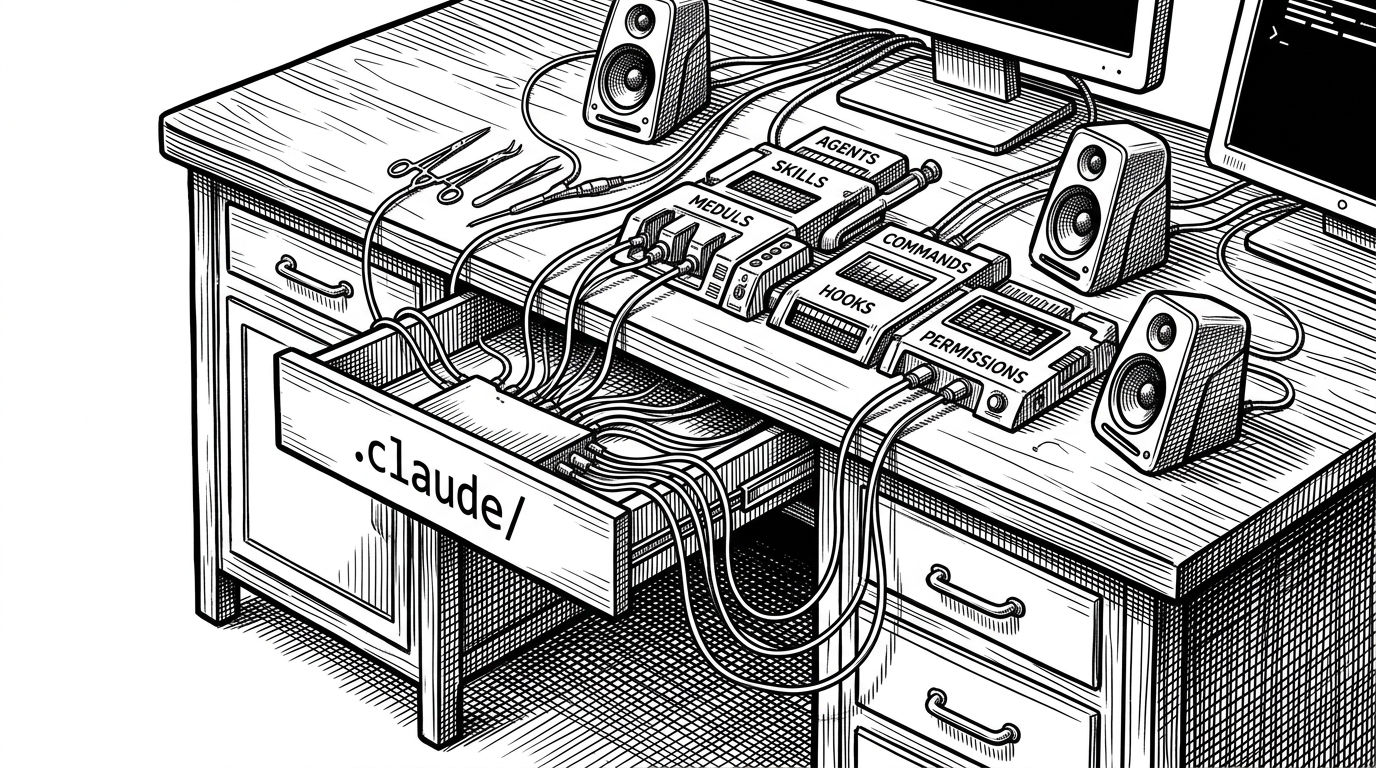
- The `.claude/` directory is the real architecture, because it separates agents, skills, commands, hooks, rules, and memory into one coordination model.
- The hook system is the sharpest differentiator, because it makes autonomous work audible instead of invisible.
- The project’s value is operational, not inspirational, because it pairs capability with guardrails, persistence, and observability.
When the Agent Starts Talking Back
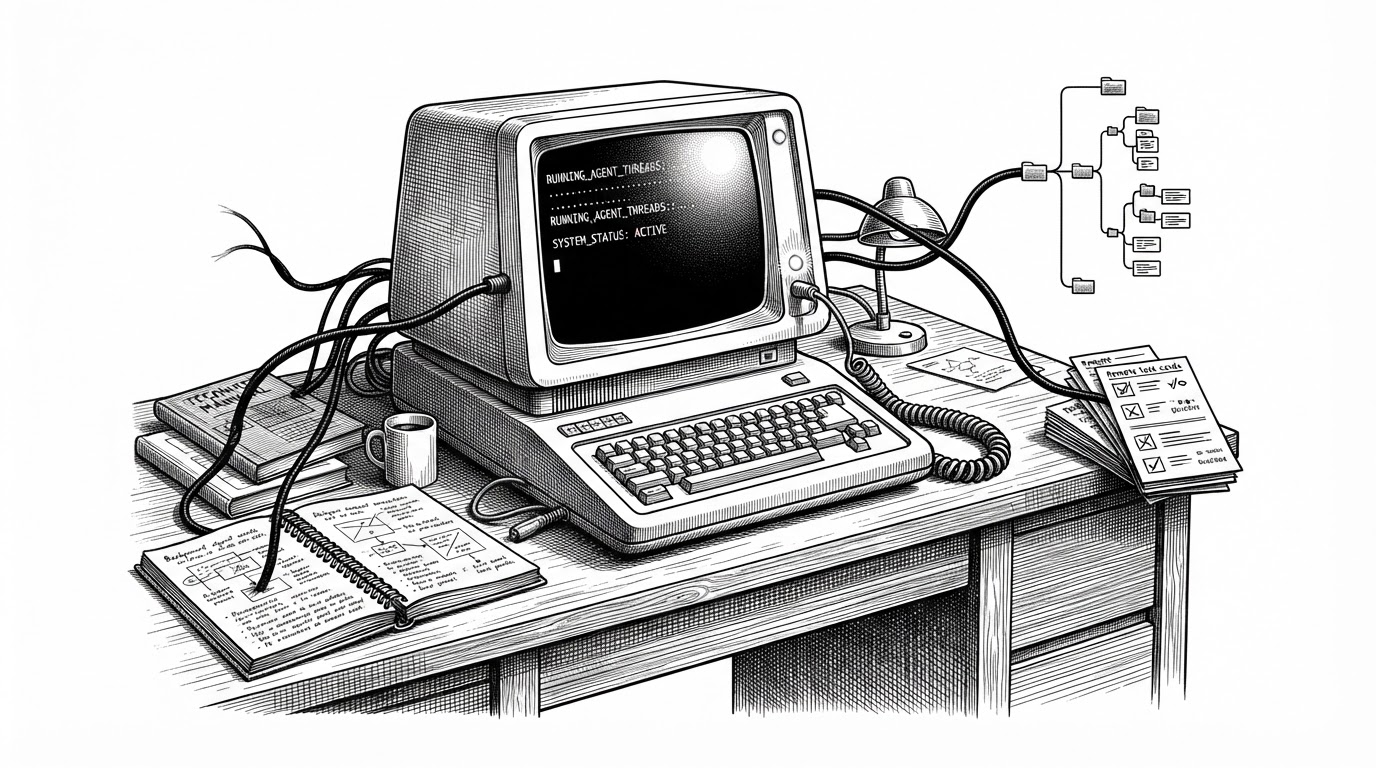
The surprise in this repository is not that it helps you use Claude Code better. It is that it treats Claude Code like a system you can instrument. The hook layer turns agent activity into audio telemetry, so tool use, errors, and state changes can literally produce sound.
That matters because autonomous coding is usually hard to follow. You get logs, tokens, and maybe a spinner. Here, the repo argues for a richer control surface: if the agent is working, you should be able to hear it.
from vibe coding to agentic engineering - practice makes claude perfect
The `.claude/` Directory Is the Real Product
The repository is organized around `.claude/`, and that is the point. Inside it, the project splits responsibilities across agents, skills, commands, hooks, rules, and settings. It reads less like a tips file and more like a platform layout.
The mental model is simple. Skills are reusable capabilities. Agents are stateful workers. Commands orchestrate the flow. Hooks watch what happens and react. Rules and settings keep the whole thing inside guardrails.
.claude/
  agents/
  skills/
  commands/
  hooks/
  rules/
  settings.json
  memory/

Command -> Agent -> Skill
Hooks -> observe and react
Skills, Agents, Commands: Three Layers, Three Jobs
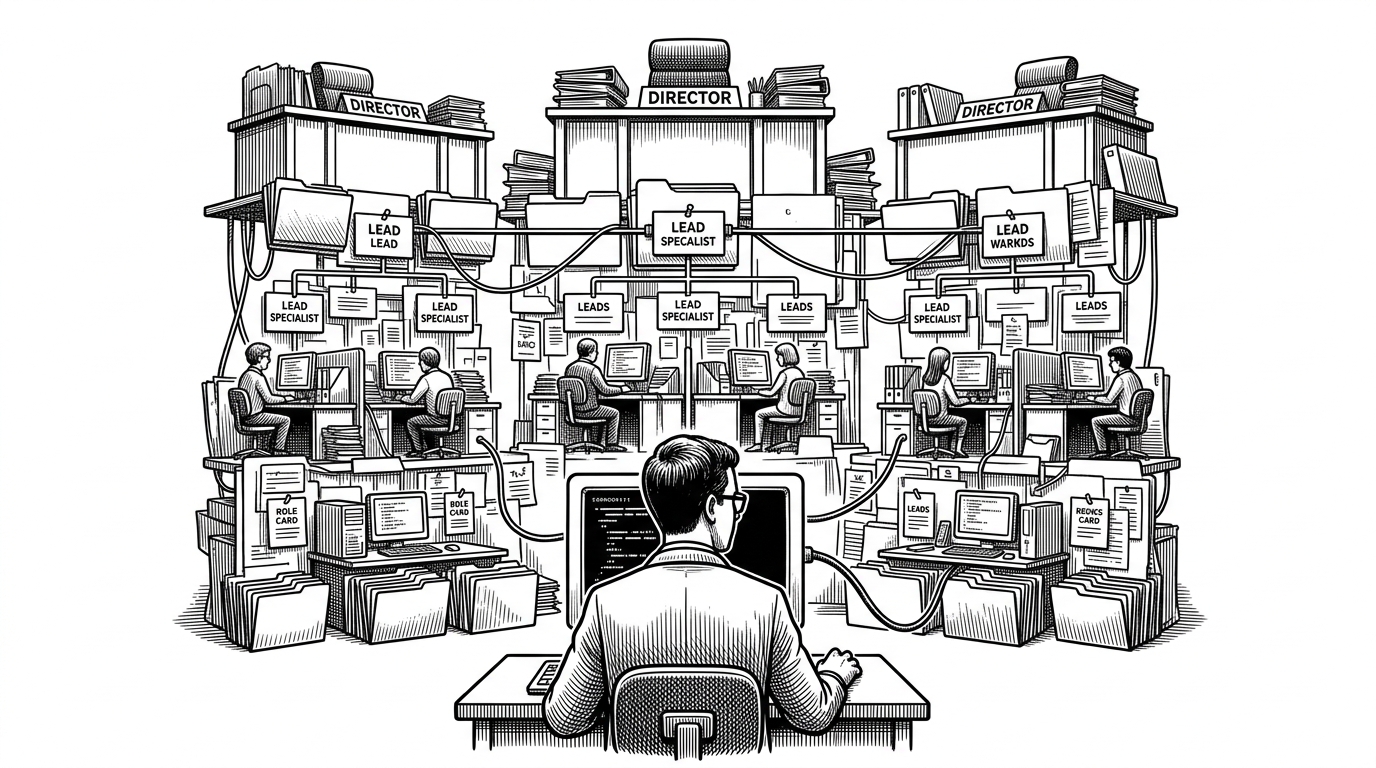
The repo’s strongest architectural idea is the separation of concerns between skills, agents, and commands. That split keeps the system from collapsing into one giant prompt blob.
| Layer | Job | What it owns | Why it matters |
|---|---|---|---|
| Skills | Reusable capability | Atomic tasks and procedures | Prevents duplication and keeps behaviors composable |
| Agents | Stateful worker | Identity, tools, and allowed scope | Lets Claude act with a stable role and constraints |
| Commands | Orchestration | How work gets routed across agents and skills | Makes the system usable from the terminal without manual choreography |
That separation is what makes the repository feel closer to an operating system than a guide. The parts are small, but the coordination model is the product.
The Hook System Makes Autonomy Observable
The technical centerpiece is the hook dispatcher in Python. It maps Claude Code events such as PreToolUse, PostToolUse, Elicitation, Stop, and PostCompact to actions, then routes those actions through OS-specific audio cues.
That is a different idea from ordinary automation. The system is not just responding to events. It is translating agent state into sensory feedback, which makes long-running work easier to supervise.
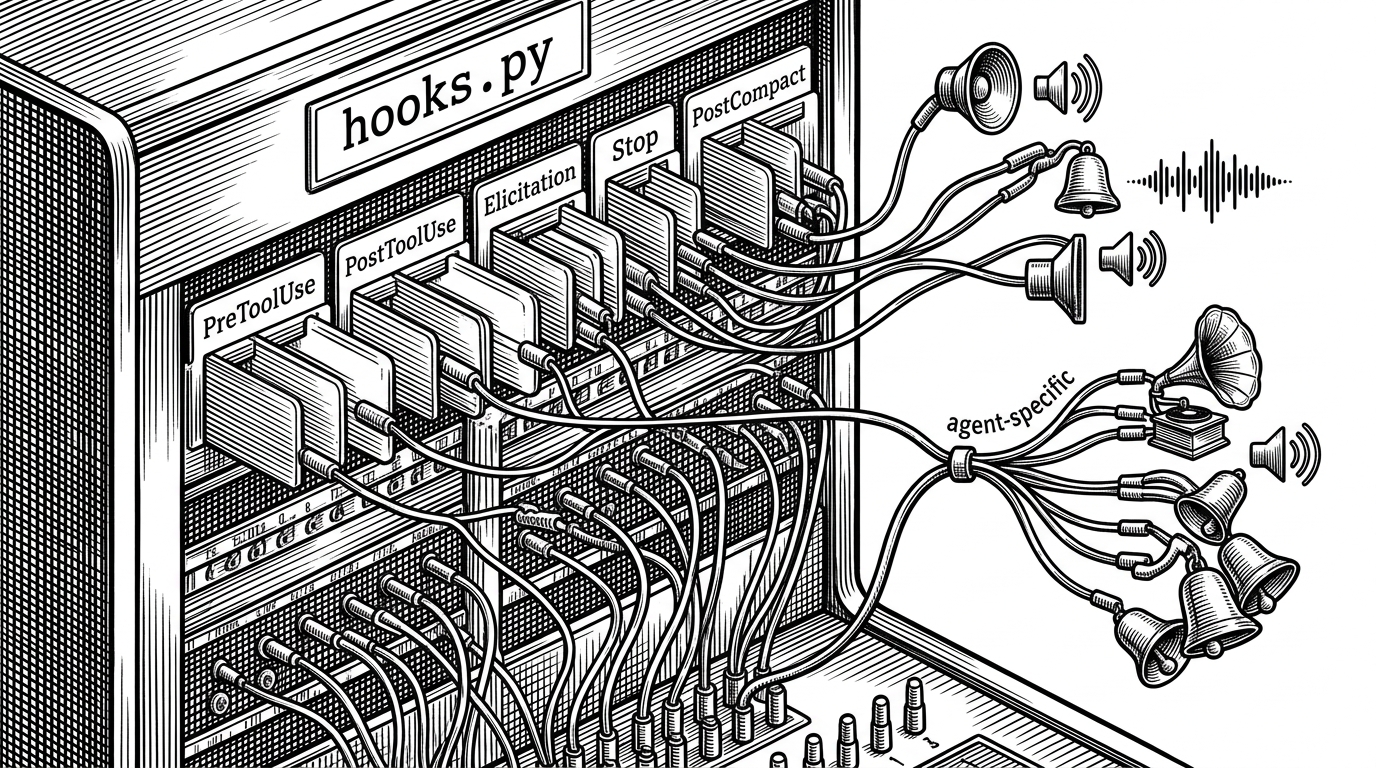
The repo’s own structure reinforces that idea. Event handling is not hidden inside a random script. It sits in a clear dispatcher, with sound assets organized by operating system and agent.
EVENTS = ["PreToolUse", "PostToolUse", "Elicitation", "Stop", "PostCompact"]

for event in EVENTS:
    route = dispatcher.map(event)
    play_audio(route.os_specific_sound)
    if route.agent_specific:
        play_audio(route.agent_sound_folder)
Guardrails Before Magic
This is not a chaos-friendly setup. The repository pushes permissions, allow lists, ask lists, and context management up front. That tells you the authors are optimizing for durable workflows, not demo theater.
The security posture is practical. Dangerous commands need human confirmation. Web access is limited to known sources. Context management is treated as a resource, not an afterthought.
| Control | Purpose | Effect |
|---|---|---|
| Allow-list | Constrain external access | Keeps fetches and integrations bounded |
| Ask-list | Force human review for risky actions | Prevents silent destructive steps |
| Context management | Preserve token budget | Keeps long sessions usable |
| Rules files | Encode operating norms | Turns best practice into default behavior |
That is the difference between a prompt collection and an operational stack. One asks the model to behave. The other encodes behavior into the environment.
Why This Beats Generic AI Coding Advice
Compared with Cursor, GitHub Copilot, or broad Claude Code tips, this repository is unusually specific. It is built around the Claude Code CLI and the primitives that matter inside it: subagents, skills, hooks, MCP, commands, and persistent memory.
| Capability | claude-code-best-practice | Cursor | GitHub Copilot | Generic guide |
|---|---|---|---|---|
| Tool specificity | Tight Claude Code focus | Editor-centric | Broad assistant | Usually generic |
| Multi-agent orchestration | Central theme | Limited | Limited | Rare |
| Hooks and event handling | Explicit and prominent | Not the focus | Not the focus | Usually absent |
| Permissions and sandboxing | Operationally explicit | Some controls | Some controls | Often skipped |
| Persistent memory | First-class via repo structure | Mixed | Mixed | Usually minimal |
| Observability / telemetry | Audio cues and hooks | Not central | Not central | Absent |
| Best for | Terminal-native agent workflows | Interactive editing | Inline code help | Conceptual advice |
The distinction is simple. Other tools help you code. This repo helps you run a Claude Code workspace as a governed system.
What the Community Is Actually Building
The project’s community gravity is part of the story. It folds official Claude Code ideas, Boris Cherny references, and a large body of community experimentation into one executable knowledge base.
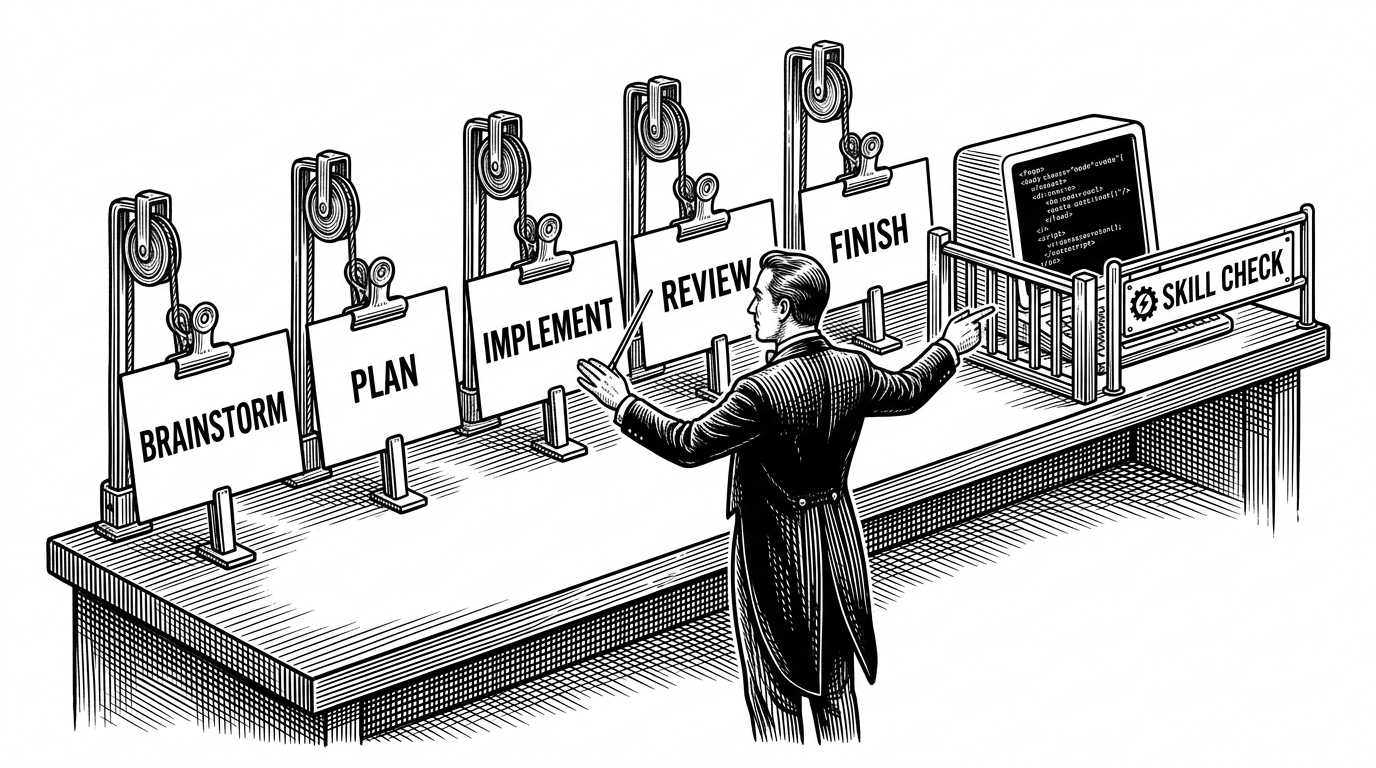
All major workflows converge on the same architectural pattern: Research → Plan → Execute → Review → Ship
That workflow line is the project’s real thesis. It is not trying to teach tricks in isolation. It is teaching a repeatable operating model for agentic work.