Superpowers: The Repository That Turns Prompts Into Engineering Discipline
How Jesse Vincent built a skills-and-hooks system that makes coding agents follow plans, write tests, delegate work, and review themselves like a real software team.

This sure looks like slop to me.
- Superpowers is not a prompt library. It is a workflow governor that forces an LLM to behave like a disciplined engineering team.
- Its core idea is to turn skills into gates, so planning, testing, review, and documentation happen before code can drift off course.
- The repo’s subagent pattern compresses a manager, implementer, and reviewer into one session while preserving separation of duties.
- Its real innovation is not more autonomy. It is durable process, written in Markdown and shell, that survives the model’s tendency to freeload.
The Real Product Is Process
Most AI coding tools sell speed. Superpowers sells restraint. It sits on top of assistants like Claude Code and Cursor, but its real job is to make the session feel less like a chat and more like an engineering process with checkpoints, artifacts, and reviews.
That is why the repo matters. It does not merely suggest better prompting. It tries to make good habits mandatory: ask for the shape of the problem, write a plan, verify the work, and leave a paper trail behind.
Skills Are Not Prompts. They Are Gates
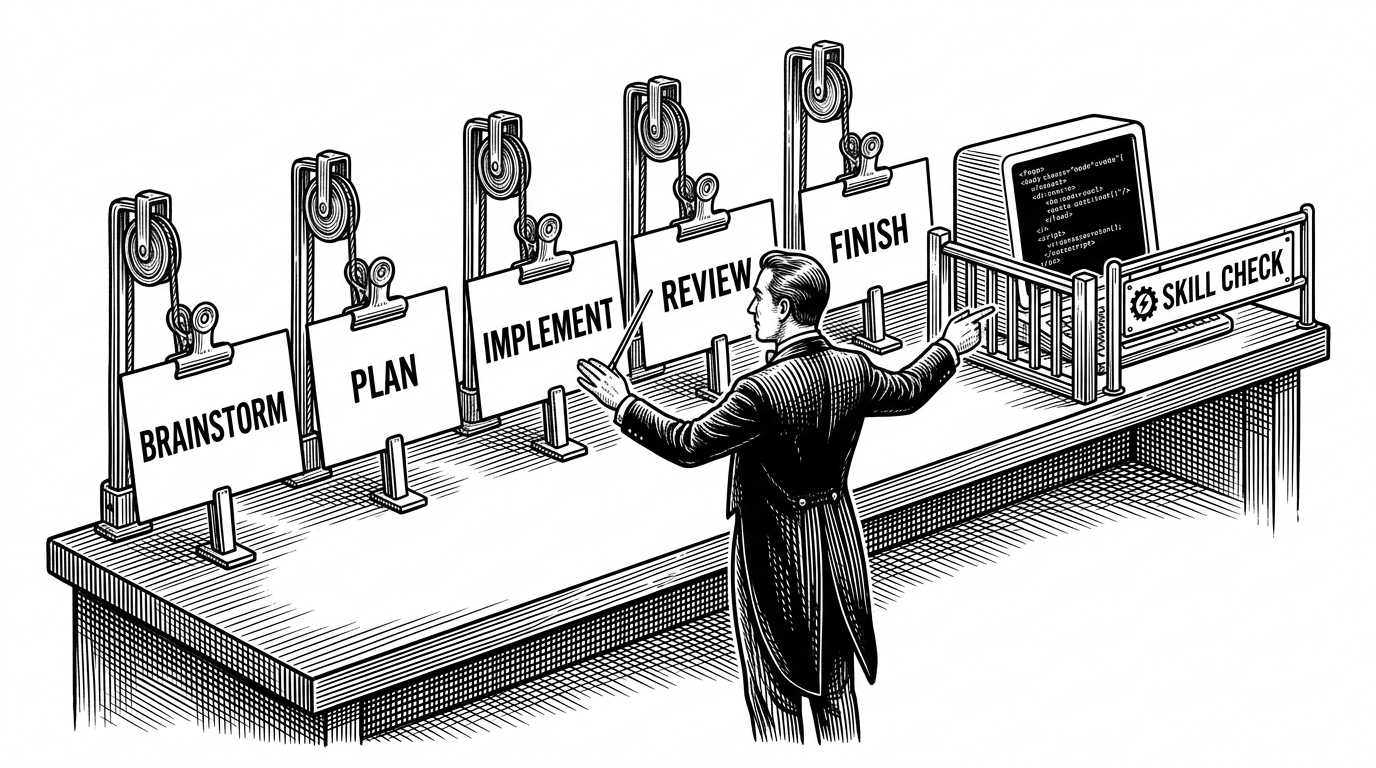
The heart of the repo is skills/*/SKILL.md. These files do not act like loose guidance. They behave more like operational protocols, with hard-gate language, red flags, and step ordering designed to block the agent from freelancing.
That matters because most failure modes in agentic coding are procedural, not intelligent. The model jumps to implementation before the problem is framed, or it answers a vague request with plausible code and no verification. Superpowers tries to catch that failure at the doorway.
The Subagent Factory
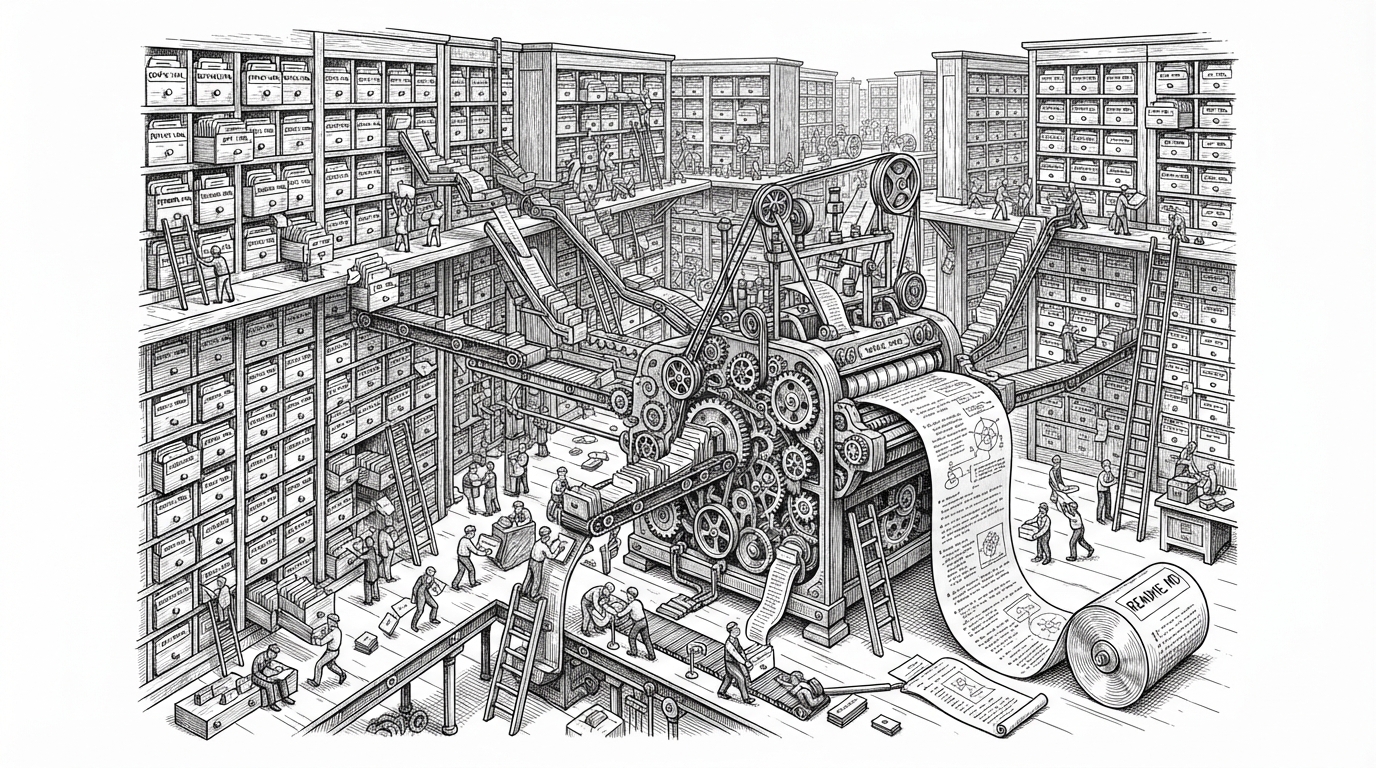
Superpowers gets especially interesting when it splits work across subagents. One role plans, another implements, and reviewers check the result in sequence. That makes the session feel less like a single chatbot and more like a compressed engineering org.
The value is not just parallelism. It is role separation. Fresh context can reduce self-confirming mistakes, while the review chain forces the output to survive multiple passes before anyone calls it done.
| Model | What it gives you | What it does not force |
|---|---|---|
| LangChain | Primitives for building workflows | A specific engineering method |
| AutoGPT | Goal-seeking autonomy | Planning discipline or review gates |
| Claude Code or Cursor | A capable coding assistant | Mandatory process, paper trail, or role separation |
| Superpowers | An enforced software workflow | Freedom to ignore the workflow |
Why the paper trail matters
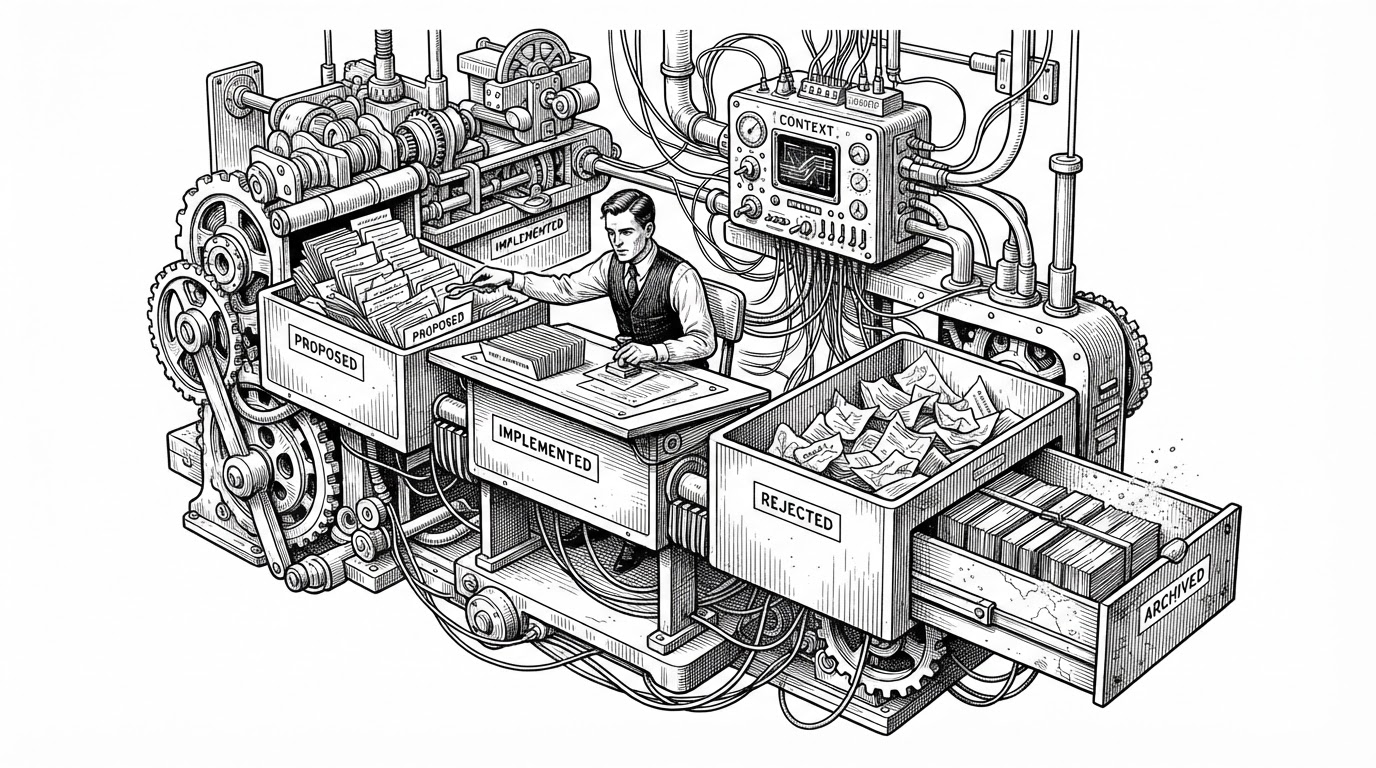
The repo’s docs directories are not bureaucracy for its own sake. docs/plans and docs/superpowers/specs make decisions durable. That turns a transient LLM session into something you can audit, resume, and critique later.
This is the quiet genius of the project. It understands that the hardest part of agentic work is not generating output. It is preserving intent long enough for the next step, the next reviewer, or the next day to make sense of it.
What Makes It Different From Other Agent Frameworks
Superpowers is not trying to out-framework LangChain or out-autonomize AutoGPT. It is after a different prize. It treats coding quality as a process property, not a model property.
| Approach | Primary strength | Core weakness |
|---|---|---|
| General agent frameworks | Flexible primitives | You must design the discipline yourself |
| Autonomous agents | Can pursue goals with little supervision | They can wander, repeat, or ship sloppy work |
| Native coding assistants | Fast local help inside the editor | They often need external process to stay rigorous |
| Superpowers | Codified engineering habits | Less freedom, by design |
Jesse Vincent’s Constraint-First Philosophy
Jesse Vincent’s background shows in the repo’s temperament. The system thinks in protocols, failure modes, and enforcement points. That is the mind-set of someone who has learned that software quality usually fails at the seams, not the syntax.
So Superpowers reads less like a product demo and more like a theory of operations. The point is not to make the agent cleverer. The point is to make the agent harder to derail.
The Bigger Shift
The broader implication is bigger than one repo. Markdown, shell scripts, and repository structure are becoming the control plane for AI work. The prompt is no longer a one-off instruction. It is policy.
That is why Superpowers feels important. It suggests a future where the repo itself defines behavior: what gets asked, what gets checked, what gets written down, and what cannot be skipped.