anthropics/financial-services-plugins: Turning Claude Into a Financial Workstation
A plugin, skill, and MCP stack that pushes Claude past chat and into governed financial modeling, deck checking, and audit-ready document generation.
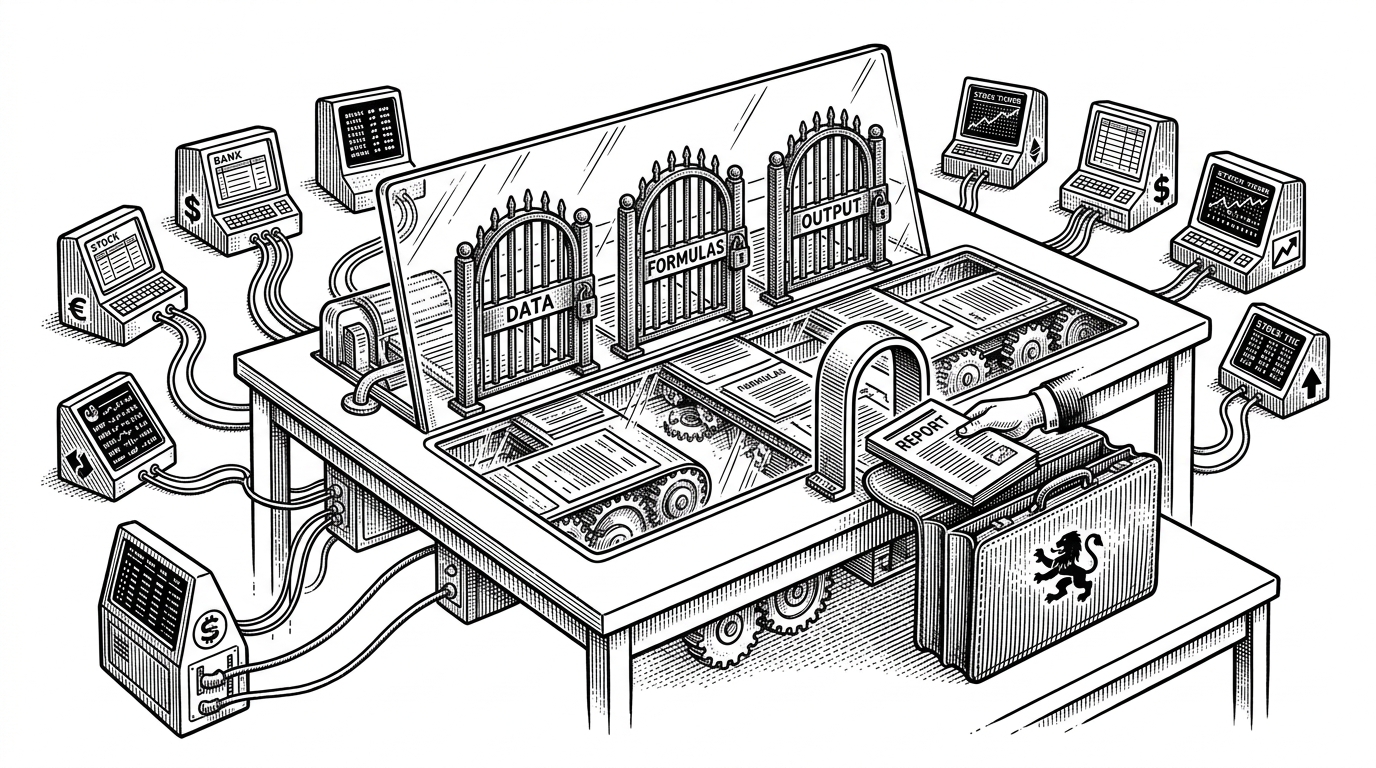
- This repo matters because it turns finance rules into executable infrastructure, not just another plugin catalog.
- MCP is the grounding layer, but the real product is the workflow control wrapped around it.
- The DCF and deck-checking tools encode banker discipline as validation logic, so bad numbers can be stopped before export.
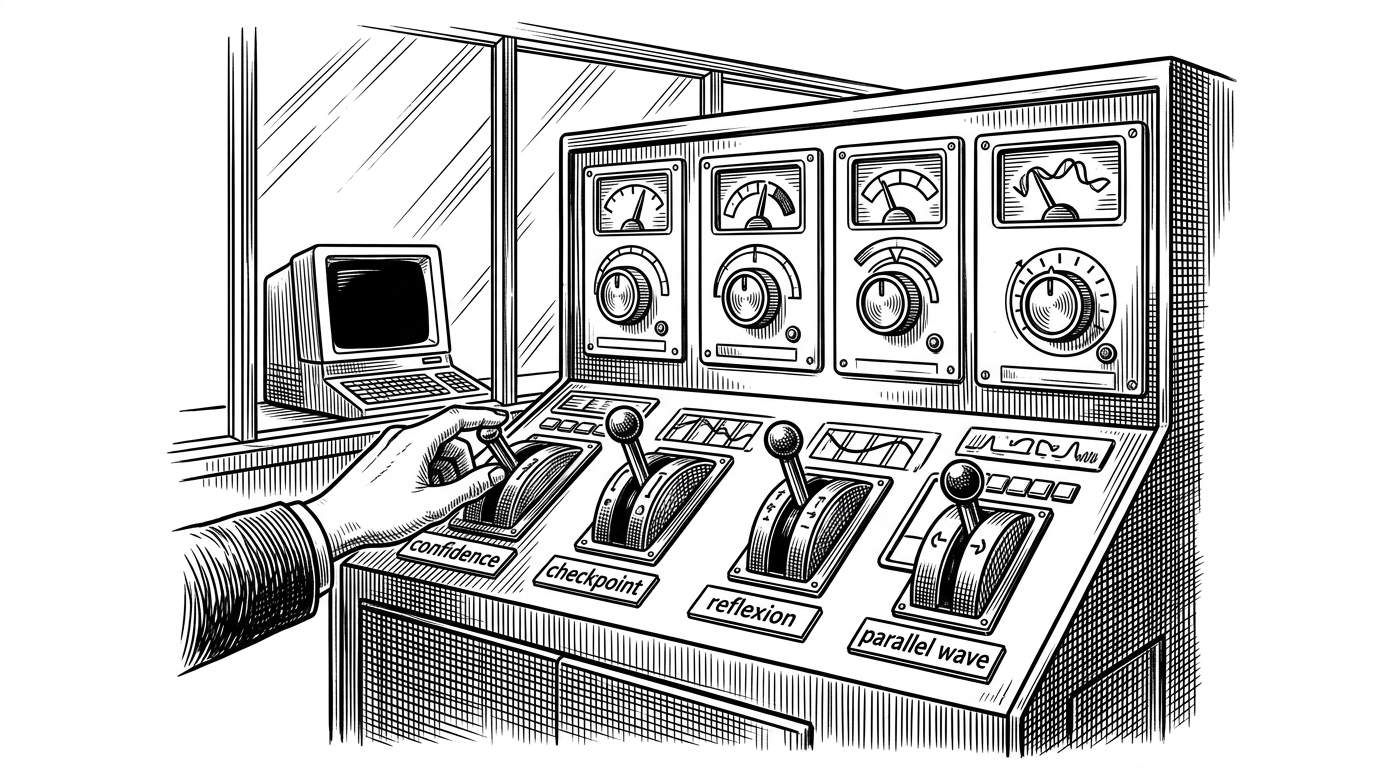
- Anthropic’s design choice is environment-aware execution, which makes Claude behave like a workstation instead of a chat assistant.
The surprise in anthropics/financial-services-plugins is not that Claude can reach finance data. It is that the repo keeps asking a sharper question: how do you make an LLM behave like a governed financial operator, with rules that survive contact with Excel, PowerPoint, and audit review?
That is why this project feels more serious than a typical agent demo. Finance is a brutal test case. A model that is almost right is still wrong, and a slide deck with one mismatched number can blow up trust fast. This repo responds by encoding banker habits as software constraints.
build and deploy financial services plugins
How Anthropic turns finance into a constrained workflow
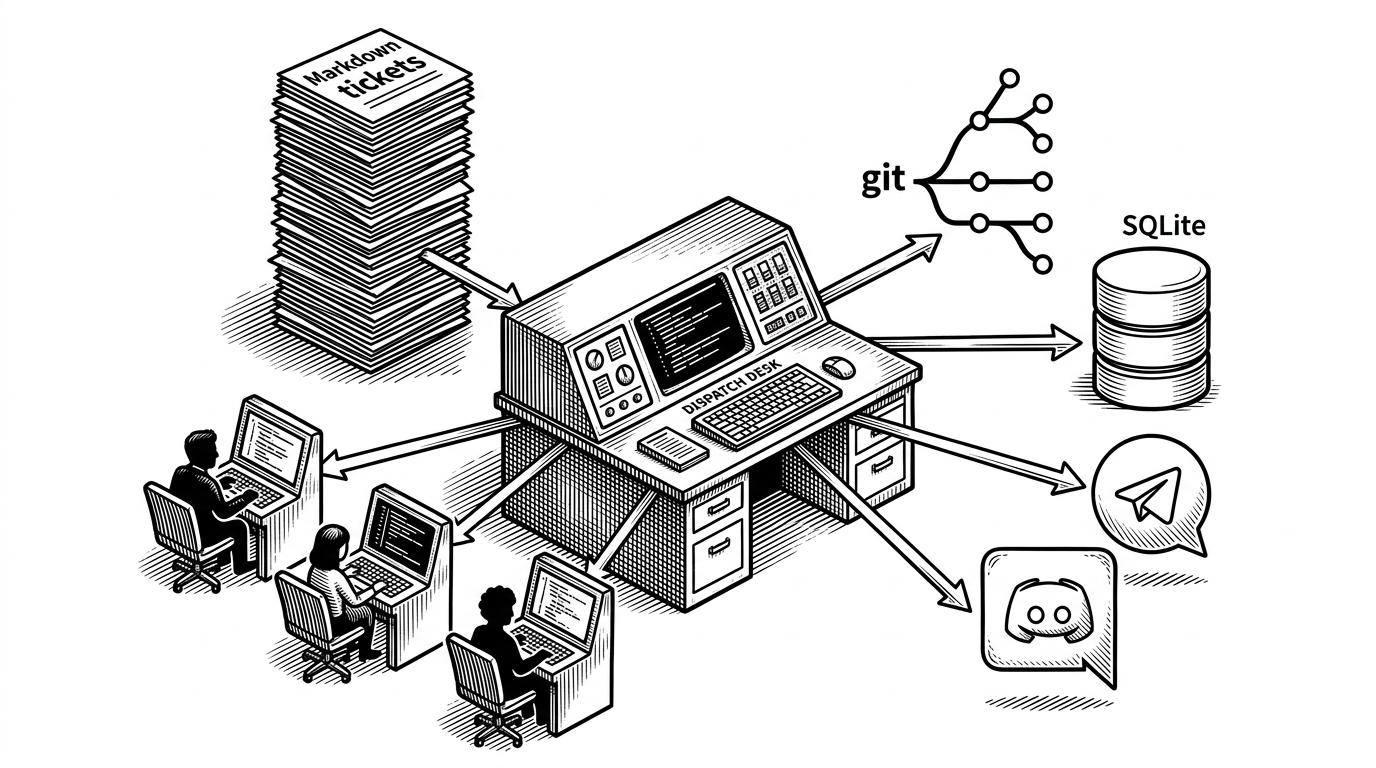
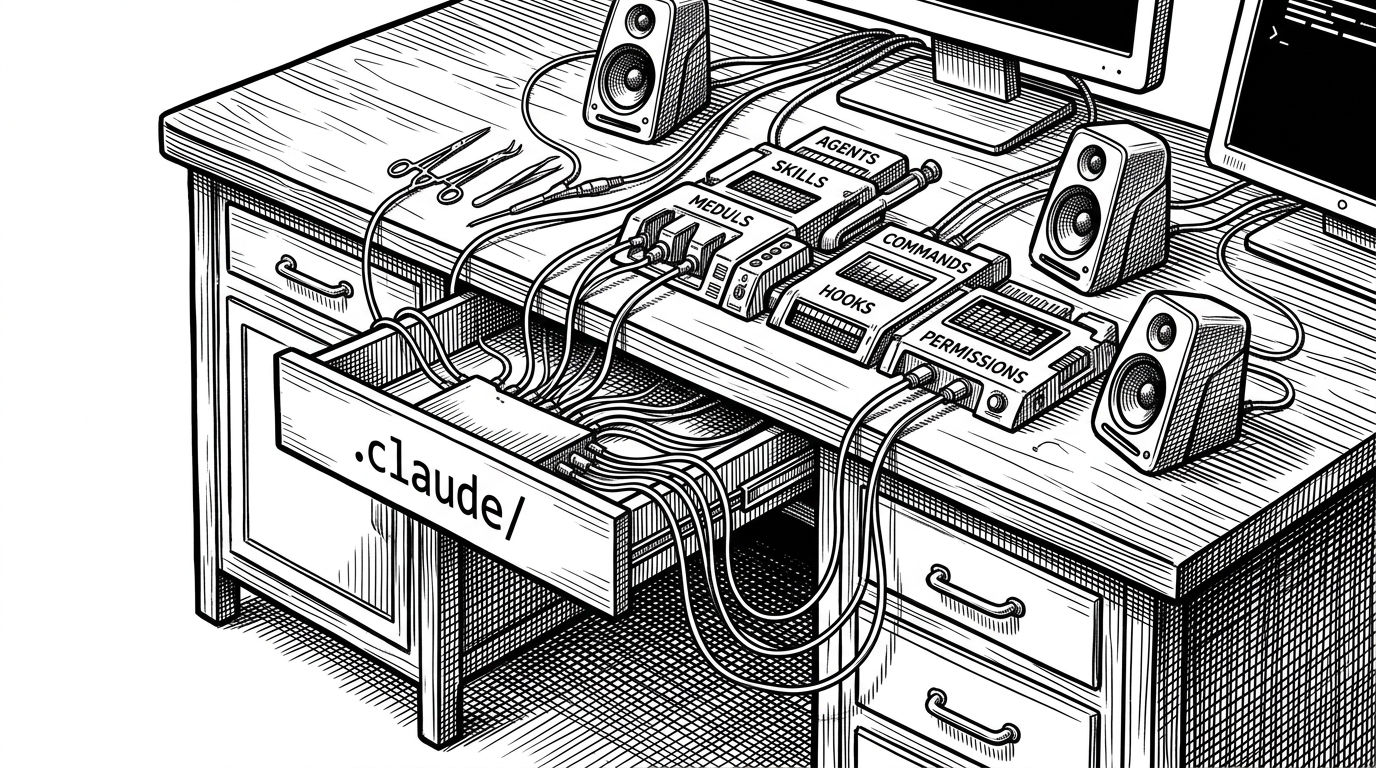
The repository is organized like a layered operating system. At the top sits the plugin marketplace in .claude-plugin. Beneath that is financial-analysis, the core layer that defines the MCP servers and the modeling skills. Around it sit vertical add-ons for investment banking and equity research, plus partner-built integrations and a separate claude-in-office path for Microsoft 365 deployment.
Why MCP is the spine of the whole system
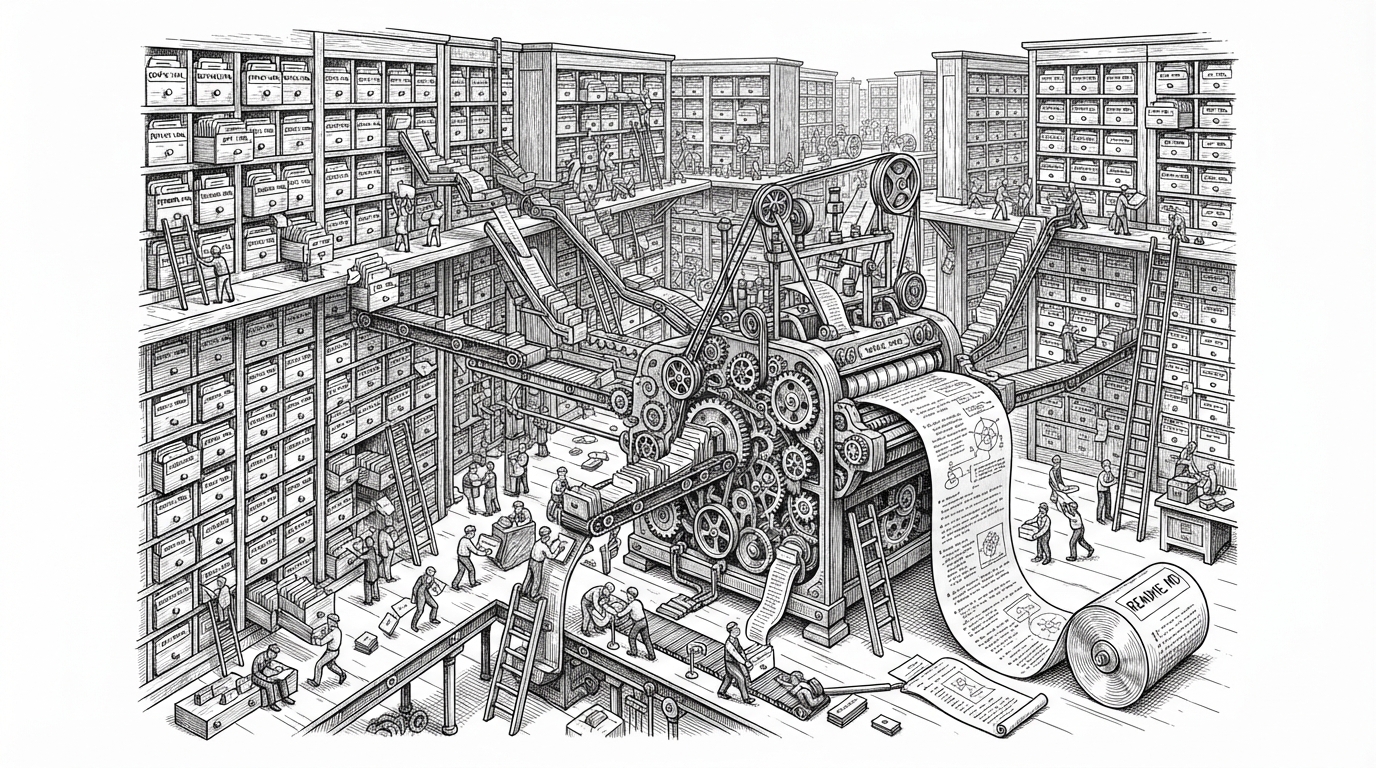
The MCP layer is the anti-hallucination move. Instead of letting Claude improvise from memory, the repo wires it to live financial sources through a set of servers spanning market data, filings, pricing, and private-company intelligence. That changes the job of the model from answer generator to orchestrator of verified inputs.
| Repo | Primary purpose | Data grounding | Output control | Finance specificity | Best use case |
|---|---|---|---|---|---|
| anthropics/financial-services-plugins | Governed finance workflows for Claude | MCP servers and finance APIs | Validation-heavy, format-aware | High | Audit-ready modeling and documents |
| General LLM plugins | Broad tool access | Varies by plugin | Usually light | Low | General task extension |
| LangChain apps | Build custom LLM apps | Depends on developer setup | Developer-defined | Low to medium | Flexible orchestration |
| Traditional finance software | Native financial workflows | Built-in or vendor data | Strong but closed | High | Production finance operations |
The point of the comparison is not that the repo is bigger. It is that it is narrower and more opinionated. It cares less about breadth of tools than about whether a finance workflow can be trusted end to end.
The DCF skill is where the repo becomes serious
The DCF package shows the project’s actual discipline. SKILL.md does not read like a casual prompt. It reads like a rulebook. It insists on formulas over hardcodes, live recalculation, and sensitivity tables that keep the base case in the center. The companion validator, validate_dcf.py, checks for both spreadsheet errors and financial logic errors.
def validate_dcf_model(ws):
    errors = []

    if terminal_growth >= wacc:
        errors.append("Terminal growth must be less than WACC")

    if has_formula_errors(ws):
        errors.append("Spreadsheet contains formula errors")

    if not sensitivity_table_has_center_cell(ws):
        errors.append("Sensitivity grid must have a true center base case")

    return errors
That is the most important distinction in the whole repo. The model is not trusted to be right by default. It is forced to prove itself through checks that mirror how analysts actually work.
The hidden rulebook: environment-aware execution
One of the smartest design choices in the codebase is the split between JavaScript and Python. If Claude is inside a live Excel session, it uses JavaScript and Office tooling. If it is generating or validating files headlessly, it uses Python. That seems small until you realize it keeps the system aligned with the runtime instead of pretending one language fits every context.
That is a subtle but important form of governance. It avoids awkward tool misuse, keeps the workflow deterministic, and makes the output path visible. In finance, that matters as much as model quality.
The junior-analyst chores this automates
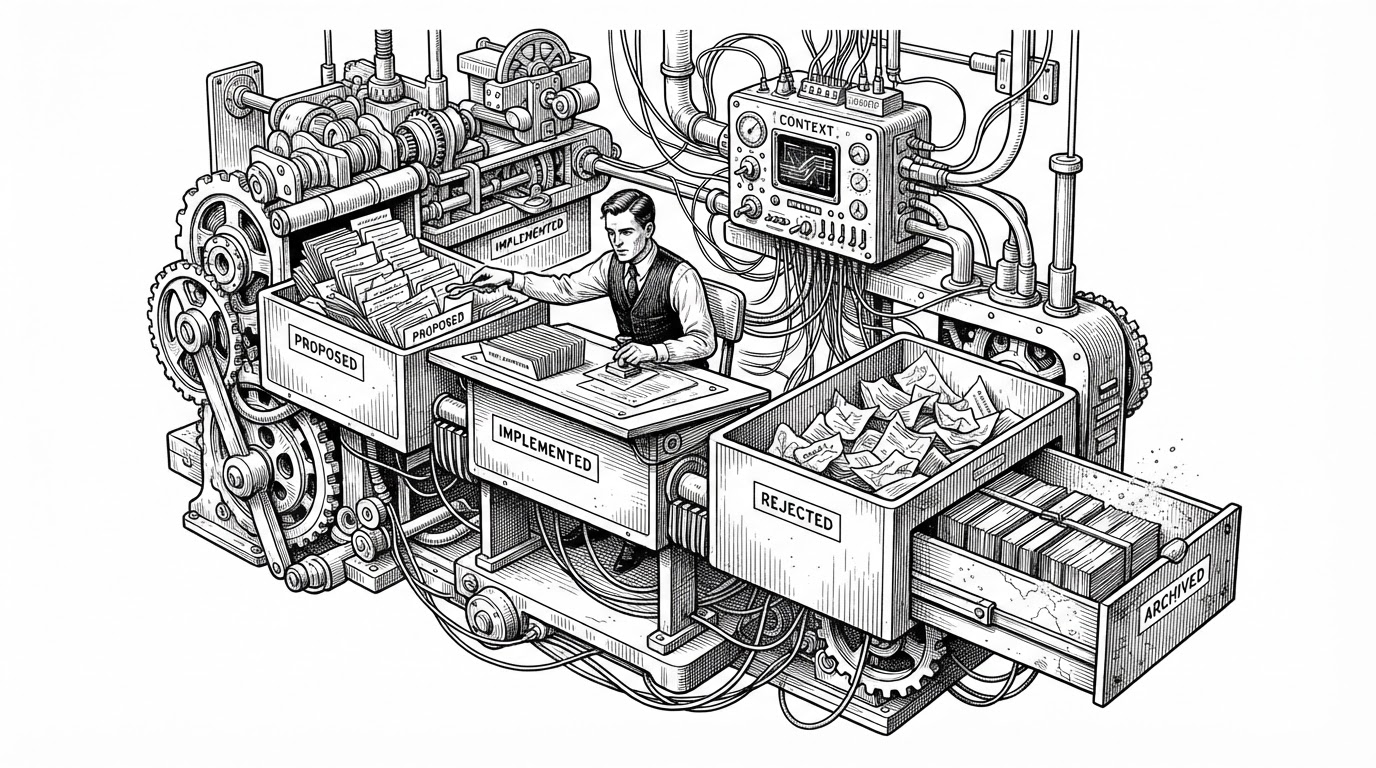
If you have ever reconciled a pitch deck, you know the pain. Slide 5 says one number. Slide 12 says another. Somewhere in the appendix, a percentage is off by a few basis points. The repo’s deck tooling, including extract_numbers.py, attacks exactly that job by parsing numbers from markdown-style deck content and checking consistency across the document.
| Task | Manual analyst workflow | Repo workflow |
|---|---|---|
| Deck number reconciliation | Read every slide and hunt for mismatches | Parse all numeric claims and compare them automatically |
| Model checking | Spot-check formulas and scan for broken links | Validate formulas, errors, and impossible assumptions |
| File generation | Rebuild decks and workbooks by hand | Generate structured outputs with enforcement rules |
| Tie-outs | Cross-reference tables manually | Flag inconsistent figures before export |
This is where the repo starts to feel less like a demo and more like labor automation. It does not replace the analyst’s judgment. It removes the repetitive policing that sits around the judgment.
Why this is not just another agent framework
Generic agent stacks optimize for flexibility. This repo optimizes for workflow fidelity. The target is not any task with a tool attached. The target is a finance deliverable that can survive review, revision, and audit scrutiny. That difference explains why the stack is built around grounded data, live formulas, and validation gates instead of open-ended autonomy.
| Dimension | Financial-services-plugins | Generic agent framework | Traditional finance tooling |
|---|---|---|---|
| Primary goal | Governed finance output | Broad task orchestration | Narrow domain workflows |
| Data access | MCP-grounded and source-driven | Usually developer-defined | Built into the product |
| Validation | Explicit and finance-specific | Optional | Strong but not LLM-aware |
| Output style | Workbook, deck, memo | Any artifact | Usually bounded formats |
| Best strength | Trustworthy execution | Breadth and flexibility | Established control |
That is the deeper takeaway. The future of enterprise AI is not only about better answers. It is about runtime rules that make output trustworthy enough to use.
What this project implies about the future of enterprise AI
The next useful enterprise systems will probably look less like chatbots and more like governed workstations. They will pull data from approved sources, enforce business logic, preserve formatting, and refuse to ship broken output. This repo is valuable because it shows that pattern in a domain where the cost of being sloppy is immediately visible.