codex-autorunner: The Control Plane That Turns Coding Agents Into a Real Workflow System
A deep dive into how CAR uses tickets, durable context, and resumable flows to make agents behave less like chatbots and more like managed processes.
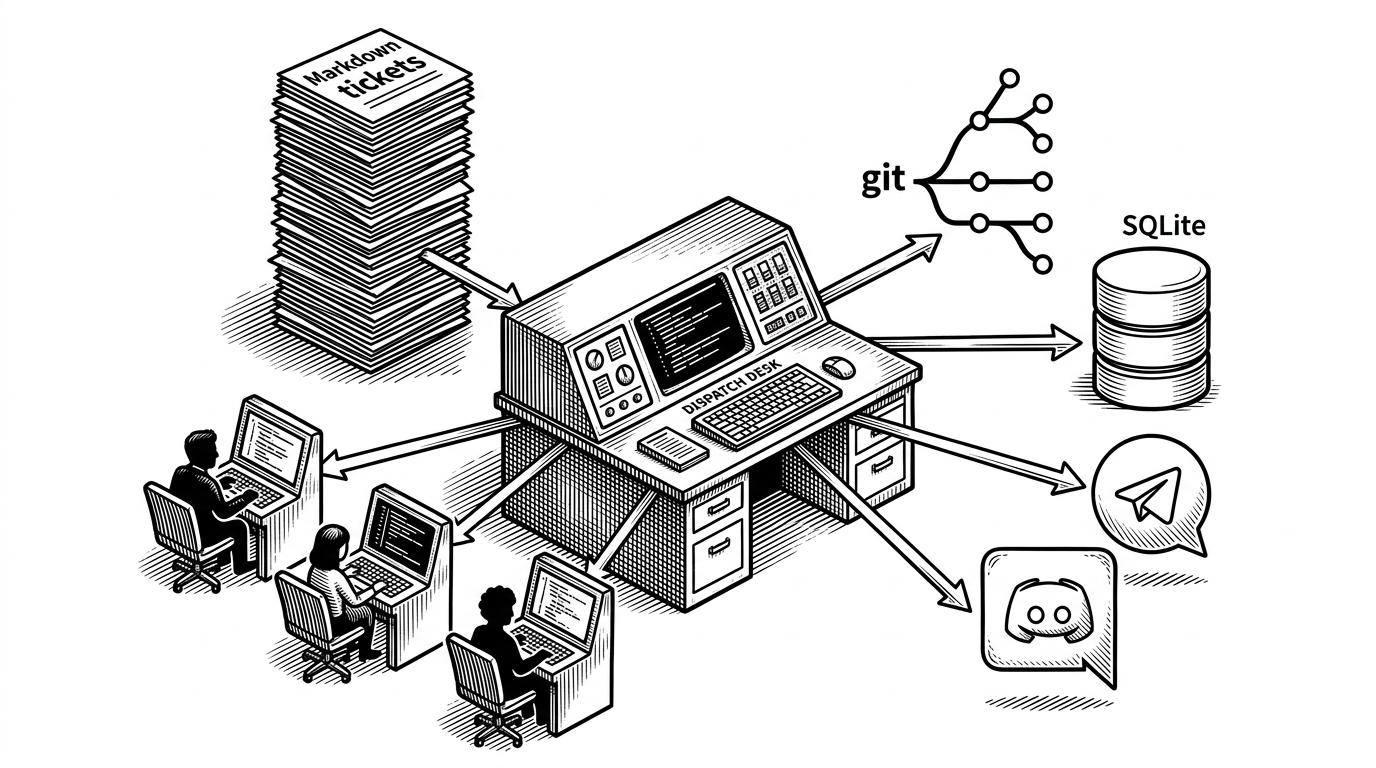

CAR is not a coding agent, it's a meta-harness for coding agents.
- CAR matters because it treats agent work as an operating environment, not a chat session.
- Its ticket system makes state human-readable, git-versioned, and easy to resume after interruption.
- The flow engine and reconciler turn failure into a managed condition instead of a broken demo path.
- Contextspace gives agents durable memory without hiding everything inside prompts.
Most agent tools ask a model to keep going. CAR asks a different question: how do you run agent work like a system? Its answer is blunt and effective. Put the work in tickets, persist the state, and let the agent behave like a worker inside a larger control plane.
Stop Chatting With Agents. Hand Them Tickets.
CAR’s biggest shift is visible before you read the code. Work lives in Markdown tickets with frontmatter, not in an endless prompt thread. That means a task is inspectable, editable, and versionable with the same tools developers already trust.
| Dimension | Typical chat-first agent | CAR |
|---|---|---|
| Primary unit | Conversation | Ticket |
| State | Prompt memory | Filesystem plus SQLite plus git |
| Human intervention | Interrupt the chat | Edit the ticket and resume |
| Failure mode | Session dies | Flow can pause, fail, and continue |
| Best fit | One-off tasks | Long-running implementations |
That is why the article’s hook is not autonomy. It is durability. CAR makes the filesystem part of the product, which is a more practical bet than pretending the model alone is the system.
CAR Is an OS Layer, Not Another Agent
That line is the project’s thesis in miniature. CAR does not try to out-agent the agent. It manages the execution environment around agents, the way an OS manages processes rather than pretending to be the process itself.
How the Flow Engine Turns Work Into Resumable State
The internal model is simple enough to matter. A `FlowDefinition` describes the steps, `FlowRuntime` executes them, and each step returns a `StepOutcome` such as `continue_to`, `pause`, or `fail`. That structure makes human-in-the-loop work a first-class branch in the system, not a special case bolted on later.
# Conceptual shape of CAR's flow model
result = await step()
if result.kind == 'pause':
    store_to_sqlite(run_state)
    emit_lifecycle_event('paused')
    wait_for_resume()
elif result.kind == 'continue_to':
    run_next_step(result.next_step)
elif result.kind == 'fail':
    mark_failed()
    trigger_reconciler()
That persistence layer is the point. If a run pauses, the work does not vanish into the prompt window. It becomes durable state that can be resumed later, from another surface, by another operator, or after a crash.
Contextspace Gives the Agent a Memory That Survives the Prompt
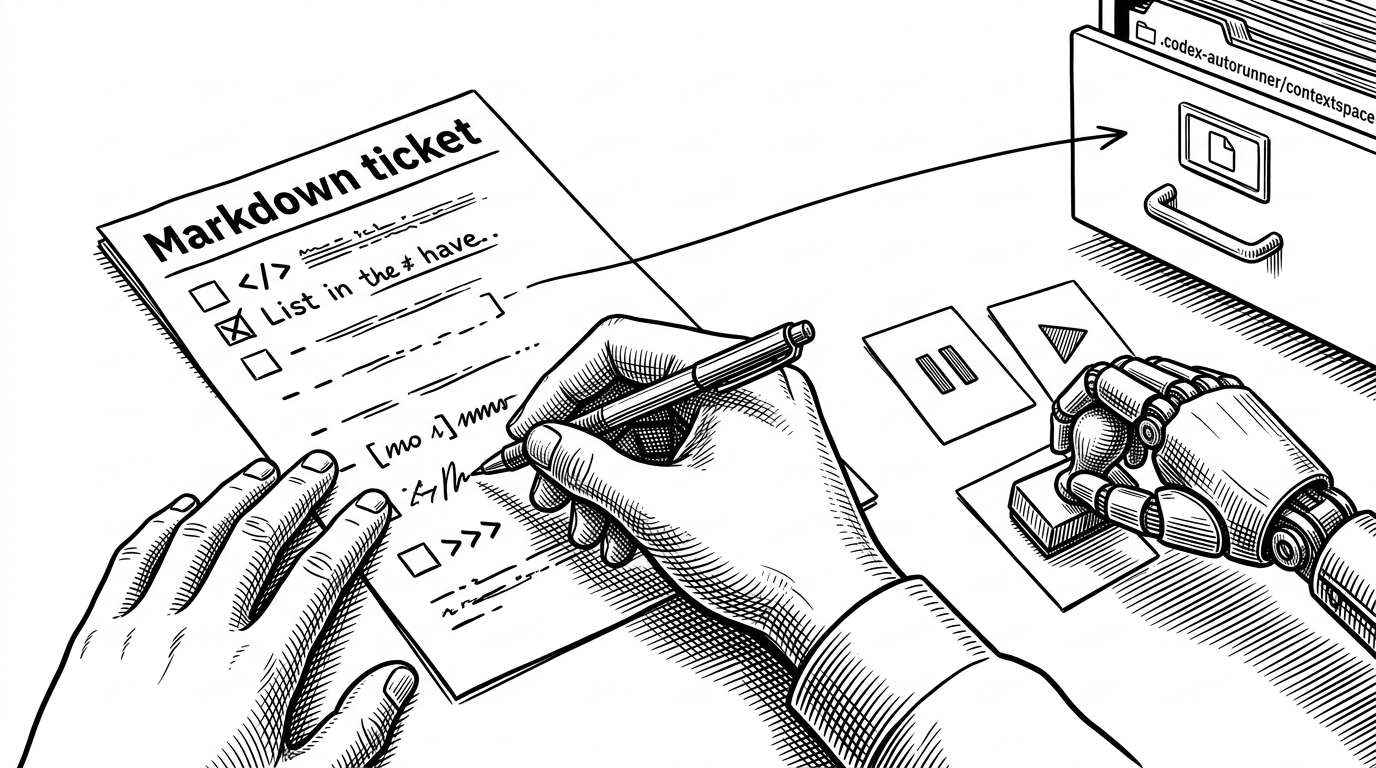
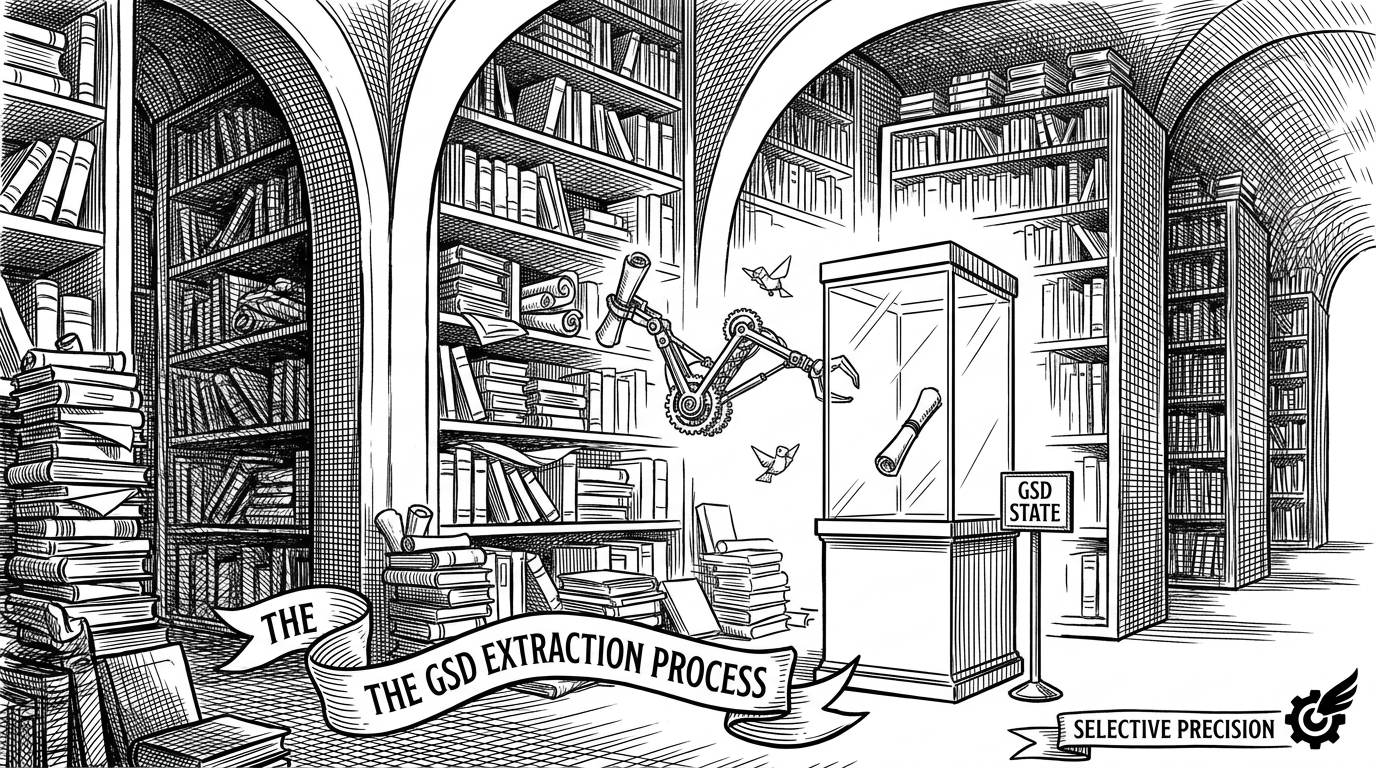
CAR draws a line between the Workspace and the Contextspace. The Workspace is where the code lives. The Contextspace is where rationale, decisions, and operating knowledge live. That separation matters because it gives the system a memory that survives the prompt window.
The clever part is that CAR can expand context when the agent is asking about itself. In practice, that means the system can answer questions about tickets, state, or internal rules without forcing every session to carry every detail all the time. It is ambient context, but implemented as files and logic instead of vibes.
What Happens When a Worker Crashes
The reconciler is what keeps this from being a fragile demo. It watches for stale or dead workers, captures stderr tails, and records a `worker_crash` artifact. That means failure becomes observable state, not a mystery event.
| Event | What a simple agent tool does | What CAR does |
|---|---|---|
| Worker disappears | Drops the session | Marks the run stale and reconciles it |
| Error output | Lost in terminal noise | Captured as crash evidence |
| Operator confusion | Common after interruption | Reduced by explicit recovery artifacts |
| Resume path | Manual guesswork | Structured through lifecycle state |
This is the difference between a toy loop and an operational system. CAR assumes things will break. Then it designs recovery into the flow instead of treating it like an exception.
Why CAR Feels Different From AutoGPT, LangChain, and BabyAGI
The comparison is useful because the category is crowded. AutoGPT and BabyAGI are closer to autonomous agents. LangChain is a general application framework. CAR is narrower than both, and that is the advantage.
| Project | Primary role | State model | Human role | Best use |
|---|---|---|---|---|
| CAR | Control plane for agents | Filesystem, git, SQLite | Supervisor and editor | Long-running implementation work |
| AutoGPT | Autonomous agent | Agent-centric memory and loops | Observer and rescuer | Self-directed task execution |
| LangChain | LLM app framework | Composable app state | Builder | Custom LLM products |
| BabyAGI | Task orchestration agent | Task list and execution loop | Task feeder | Simple goal-driven automation |
CAR does not want to be the model, the planner, or the app framework. It wants to be the environment where those pieces can run without collapsing into a chat transcript. That is a narrower ambition, and a more believable one.
The Hidden Thesis: Durable Software Beats Clever Prompts
The philosophy behind CAR is to let the agents do what they do best, and get out of their way. CAR is very bitter-lesson-pilled. As models and agents get more powerful, CAR should serve as a form of leverage, and avoid constraining models and their harnesses.
That philosophy explains the rest of the design. Tickets are versioned. State is persistent. Context is durable. Crashes are reconciled. Surfaces multiply, but the underlying work stays in one place. CAR is interesting because it assumes agent systems get better when they become more like software operations and less like conversation.