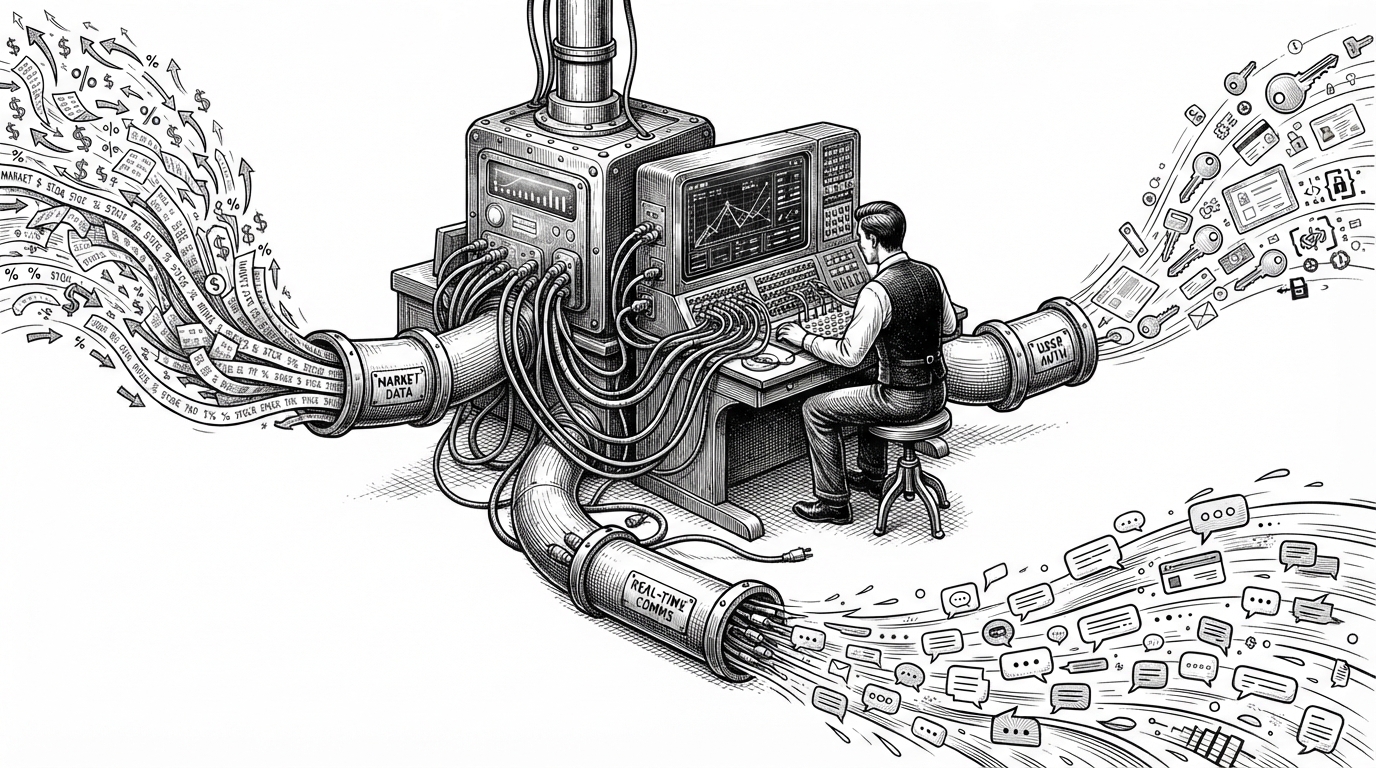
Mentor_Connect-Project: MentorConnect: Where AI Drafts the Roadmap and Mentors Shape the Work
A full-stack EdTech platform that turns mentorship into a shared workspace, combining generative planning, real-time collaboration, and installable web app delivery.
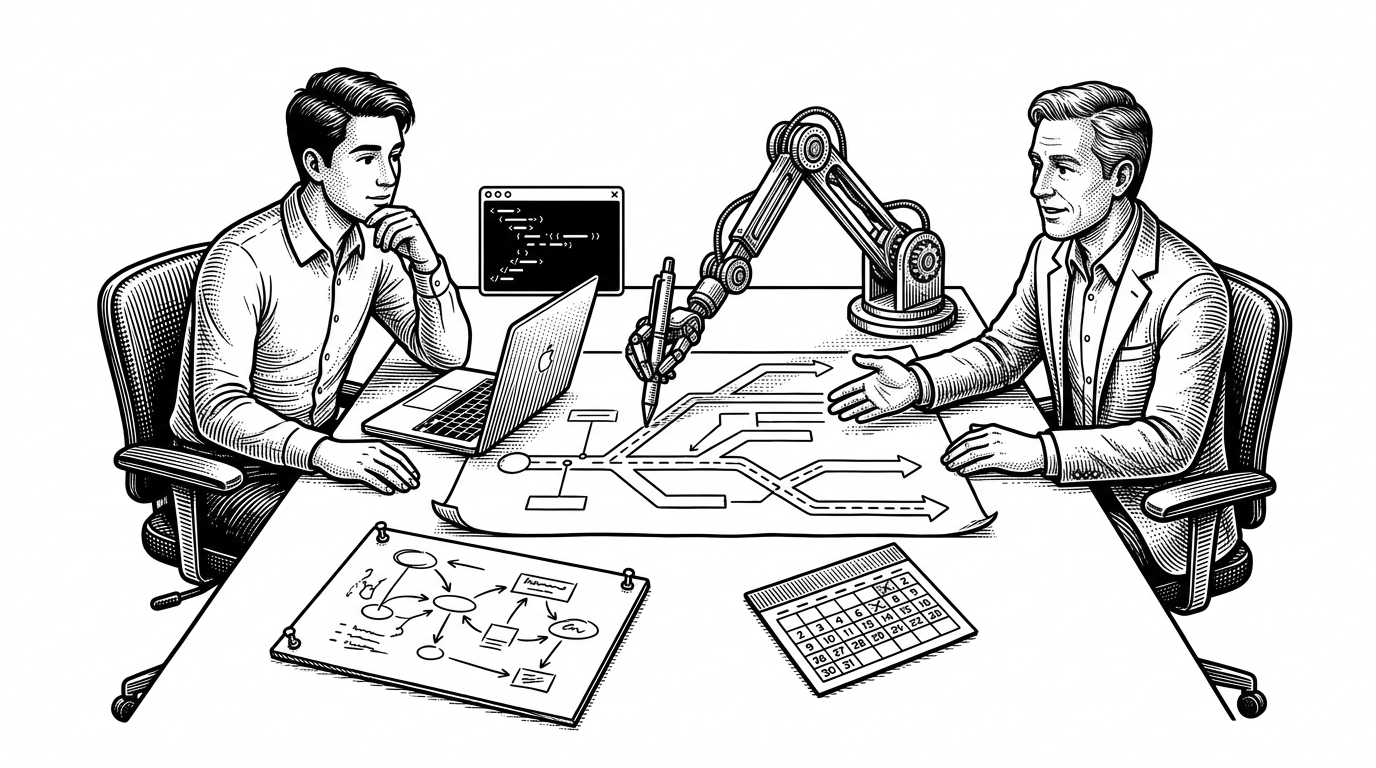
- MentorConnect is interesting because it treats mentorship as an ongoing workspace, not a one-time match or a static course catalog.
- Its real differentiator is the handoff from AI-generated structure to human-guided teaching inside shared tools for code, whiteboards, tasks, and scheduling.
- The stack is doing product work, not just implementation work, because realtime sync and installability are part of the learning experience.
- The repo reads like an ambitious MVP, which makes the architecture more revealing than polished: it shows the shape of the product before the polish arrives.
The big idea: mentorship as a live workspace
Most learning products stop at matching or content delivery. MentorConnect pushes past that and treats mentorship as a shared working session, where the plan, the conversation, and the artifacts all live in the same place.
That matters because the hardest part of mentorship is not finding someone to talk to. It is keeping the work visible after the first call ends. The README says the platform is built to bridge students and mentors through "personalized guidance, structured learning, and real-time interaction," and that framing is the whole story.
AI writes the first draft, not the final answer
The roadmap generator is the project’s sharpest idea. The system takes a goal, a duration, and related inputs, then produces a structured path that can be stored, rendered, and revisited later.
That makes AI a drafting layer, not a replacement for the mentor. It gives the human a starting point with shape, sequence, and milestones. The mentor still does the important part: judgment, correction, and encouragement.
How the collaboration stack stays in sync
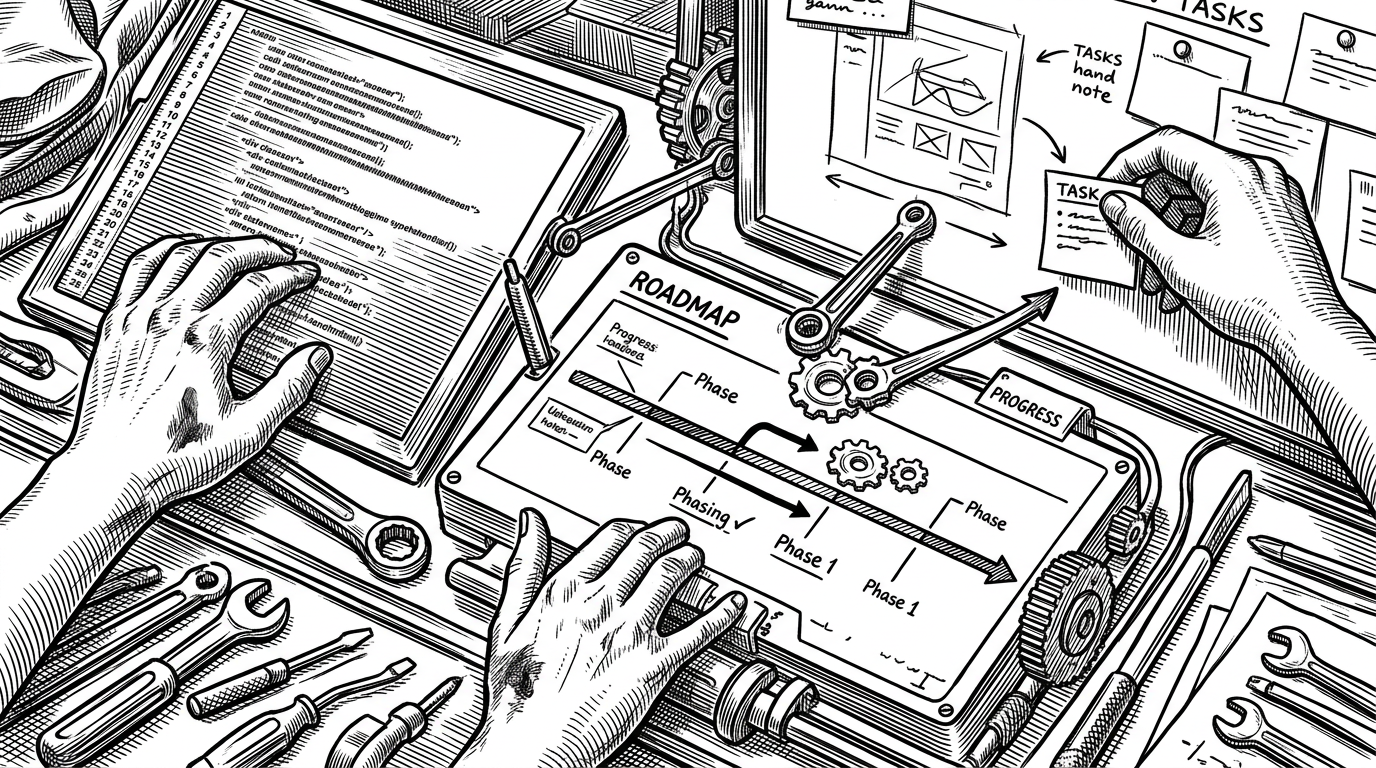
The stack tells you this is more than a planning app. Socket.io handles the realtime layer, tldraw gives the whiteboard a serious collaborative surface, and CodeMirror turns the code editor into a shared workspace instead of a solo tool.
The backend pieces matter too. MongoDB stores the generated roadmap and session data. JWT and bcryptjs cover identity and access. Express sits in the middle as the traffic cop for the whole flow.
Student goal + duration + preferences
        ↓
Backend prompt assembly
        ↓
AI roadmap generation
        ↓
MongoDB persistence
        ↓
Shared mentor session
   ↙      ↓      ↘
whiteboard  code   tasks / schedule
        ↘      ↓      ↙
        realtime sync via Socket.io
Why this is more than a CRUD app
A CRUD app would let you create a mentor profile, book a meeting, and store notes. MentorConnect is trying to run the whole mentorship loop: roadmap, session, feedback, follow-up, and progress tracking.
| Category | Typical product | MentorConnect |
|---|---|---|
| Learning management | Hosts courses or resources | Generates a personalized roadmap and tracks the work around it |
| Scheduling | Books time slots | Connects scheduling to the mentoring workflow |
| Collaboration | Offers chats or boards | Keeps whiteboard, code, and tasks in one live session |
| Mentor matching | Introduces people | Supports the ongoing relationship after the match |
That is why the app feels closer to a small operating system for mentorship than a single-purpose feature set.
The PWA layer matters more than it looks
The manifest and service worker are not decoration. They signal that the team wants this to feel installable and durable, especially for students who may return on mobile devices or unstable connections.
For an education product, that is a real product decision. Installability improves repeat use. Offline-friendly behavior lowers the penalty for weak connectivity. In a mentorship flow, those small reliability gains can make the difference between momentum and dropout.
The point is not that the PWA layer is glamorous. The point is that it supports continuity, which is the thing mentorship software usually loses first.
What the stack says about the team
React 19, React Router 7, Express, MongoDB, JWT, and bcryptjs make a clear statement: this is a modern web stack built by people who want to move fast and stay flexible.
It also reads like an MVP in motion. The choices are ambitious, but not over-engineered. That balance is useful. It suggests the project is still finding its production shape while already proving the workflow.
| Signal | What it suggests | Tradeoff |
|---|---|---|
| Modern React stack | Up-to-date frontend patterns | Possible ecosystem churn |
| Express + MongoDB | Simple full-stack ownership | Less structure than a heavier backend framework |
| Realtime tools | Live collaboration is central | More moving parts to keep reliable |
| PWA support | Access matters for students | More frontend complexity |
Where MentorConnect sits in the landscape
Compared with generic LMS platforms, MentorConnect is more interactive. Compared with scheduling tools, it is more educational. Compared with standalone collaboration apps, it is more opinionated about the learning goal.
That hybrid position is the product thesis. It does not win by being the best scheduler or the best whiteboard. It wins if the full loop works: plan, meet, build, review, repeat.
It provides students with career roadmaps, meeting scheduling, study materials, task tracking, and collaborative learning tools, while mentors can manage mentees, assign tasks, schedule meetings, and share resources.
That is the cleanest way to read the repo. It is not a mentorship directory with a few extras. It is an attempt to turn guidance into a living system.