TradingAgents: The AI Trading Desk That Makes LLMs Argue Before They Trade
A multi-agent framework that turns research, debate, risk control, and memory into a synthetic hedge-fund workflow.
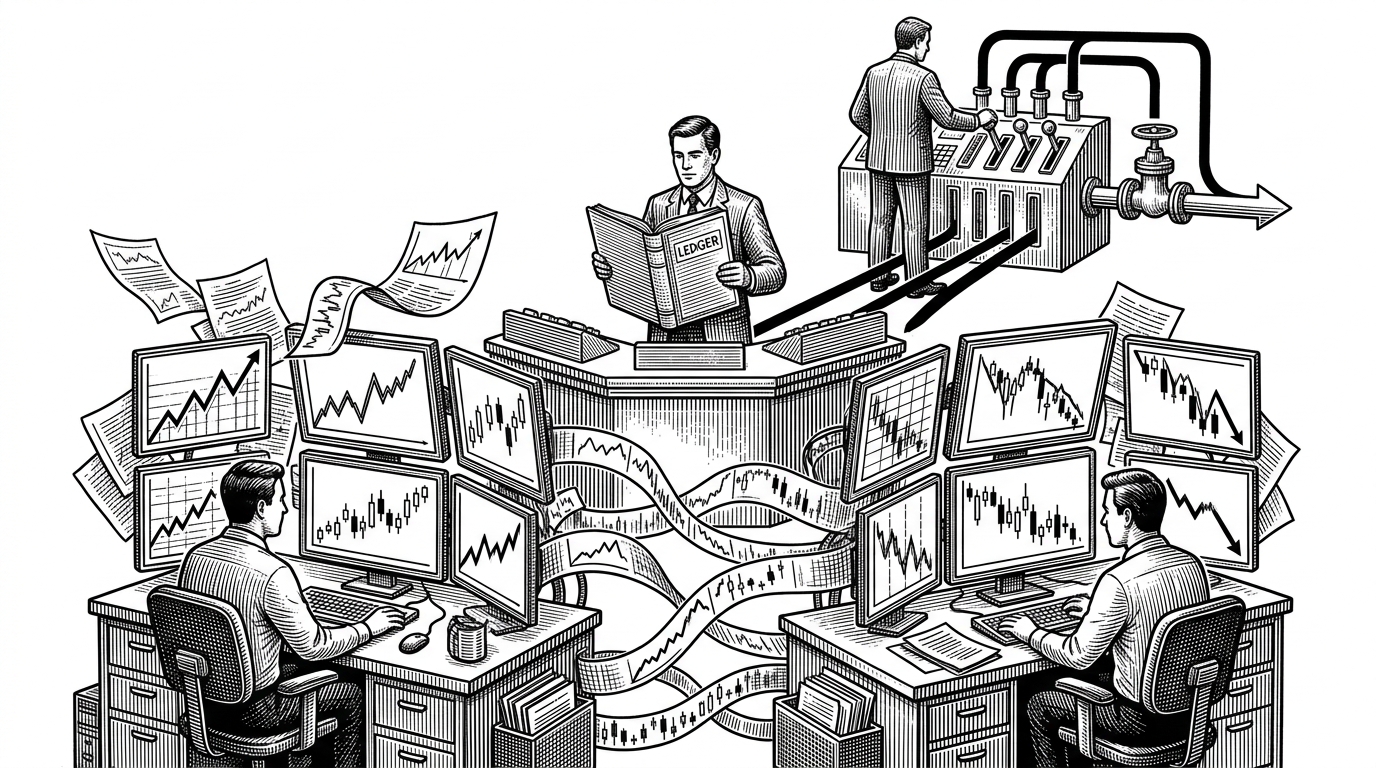
- TradingAgents is interesting because it treats trading as institutional judgment, not isolated prediction.
- Its core advantage is structured disagreement, where bullish and bearish agents are forced to challenge each other before a manager decides.
- Memory and risk tiering turn the system from a chatty analyst into a workflow that carries context forward and controls exposure.
- The project is strongest as a decision architecture, which is also why generic agent frameworks do not give you the same result out of the box.
Why TradingAgents Feels Like a Real Desk
Most trading bots ask a model for a direction and hope the answer looks informed. TradingAgents does something more institutional. It stages a research process that looks like a desk, with analysts, debate, management, and risk control chained together in sequence.
That is the real hook. The framework does not trust a first answer, because the first answer is usually where a model flatters its own priors. Instead, it manufactures disagreement, then forces that disagreement through hierarchy.
The Core Trick: Bull, Bear, and a Judge
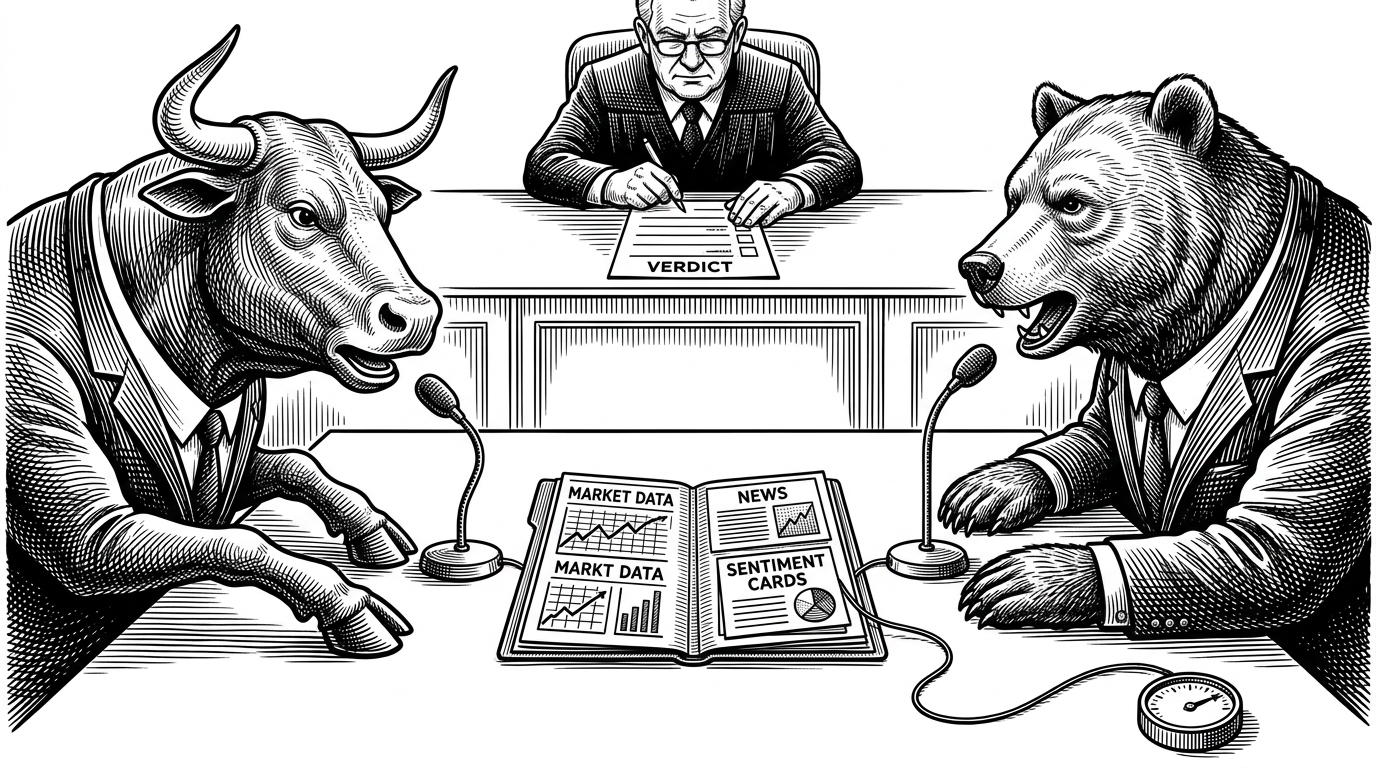
The system’s most useful move is also its most human one. It creates a bullish researcher and a bearish researcher, feeds both the same underlying analysis, and makes them argue in public.
Then a research manager steps in. The point is not to average opinions. The point is to stop the model from drifting into lazy neutrality. In a good desk, someone has to make the call.
How the Agent Graph Moves Information
TradingAgents is built on LangGraph, which matters because the workflow is stateful. The system is not a one-pass prompt chain. It is a graph where outputs become inputs, and where role-specific state can be carried forward.
# Simplified flow, based on the repository's agent graph design
market_report = market_analyst(state)
news_report = news_analyst(state)
social_report = social_analyst(state)

combined_brief = assemble_reports(market_report, news_report, social_report)

bull_view = bull_researcher(combined_brief, memory=state.memory)
bear_view = bear_researcher(combined_brief, memory=state.memory)

verdict = research_manager(
    combined_brief,
    bull_view,
    bear_view,
    memory=state.memory,
)

portfolio_risk = portfolio_manager(verdict, state.position_context)
final_rating = translate_to_rating(portfolio_risk)
That graph structure is the reason the project feels disciplined. Analysts are not decorative. They produce specific reports that downstream agents actually use, and the manager layer changes the meaning of those reports before a portfolio decision is made.
Why Memory Matters More Than a Fresh Prompt
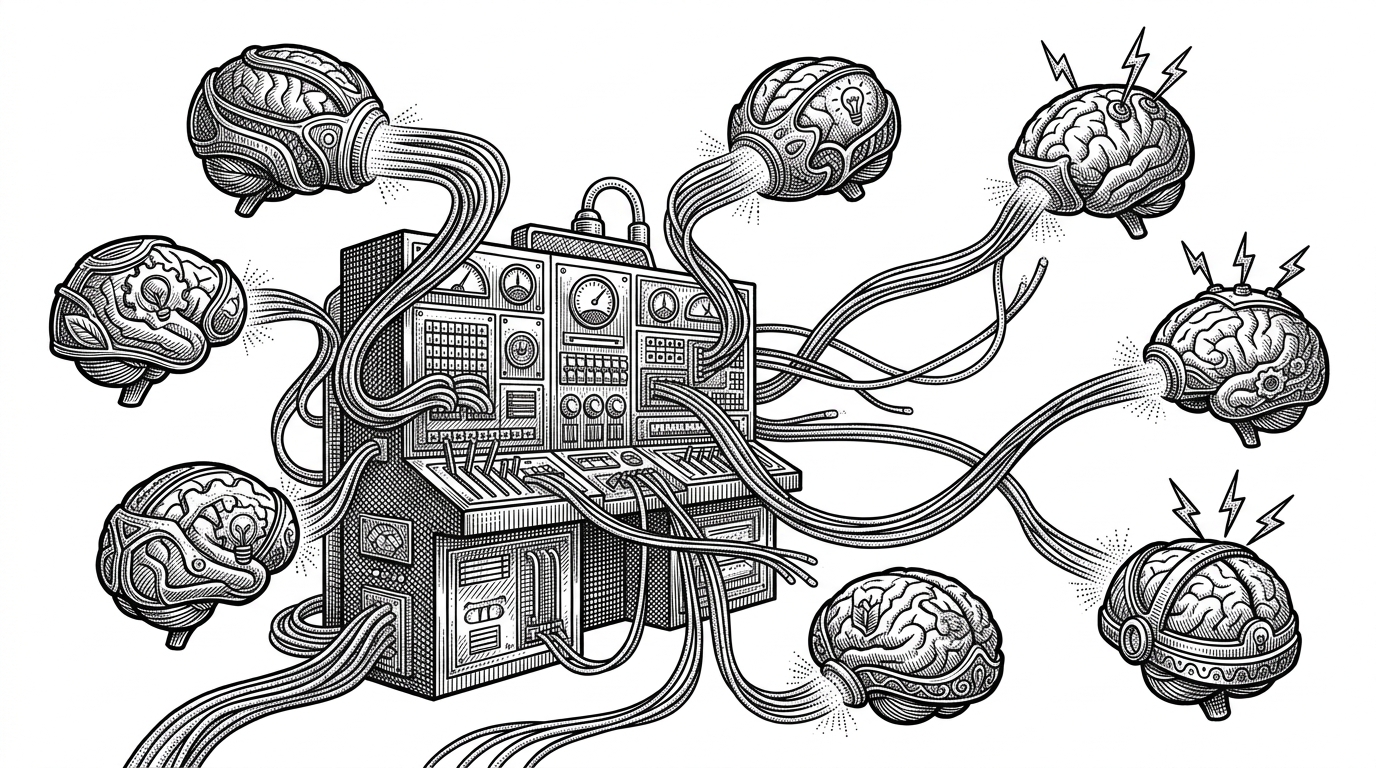
The repository’s memory layer, including `FinancialSituationMemory`, gives the framework some continuity. It can remember prior market situations and the outcomes that followed, then feed that context back into later prompts.
That is a bigger deal than it sounds. Without memory, every run starts from zero. With memory, the system can compare the present setup to a prior regime and avoid acting like every chart pattern is new.
From Opinions to Position Sizing
The portfolio layer is where the framework stops sounding like a brainstorming tool and starts sounding like research infrastructure. It does not just ask whether the story is bullish or bearish. It asks how much conviction the system should express.
The project uses a multi-tier rating scale, which is closer to institutional equity research than retail bots. That matters because exposure is a decision, not an afterthought.
| Dimension | TradingAgents | Generic agent framework | Traditional quant stack |
|---|---|---|---|
| Primary unit | Research roles and debate | Tasks and tool calls | Signals, rules, and backtests |
| Core output | Judged rating plus risk tier | Usually a text answer or action | Trade signal or strategy result |
| Memory | Role-specific and reflective | Often optional or manual | Usually external to the workflow |
| Strength | Structured disagreement | Flexibility | Statistical rigor |
| Weakness | Depends on model and prompt quality | You must design the desk yourself | Does not naturally reason in natural language |
This is the important comparison. TradingAgents is not winning by being simpler. It wins by packaging a decision protocol that most frameworks leave up to the builder.
What TradingAgents Gets Right, and What It Still Inherits
The design is strong because it makes process explicit. It also inherits the classic limits of agentic finance: the model can only be as good as the data it sees, the prompts it gets, and the market regime it is dropped into.
Structured debate can reduce confirmation bias. It cannot eliminate hallucination, stale data, or false confidence. The framework improves judgment. It does not guarantee edge.
The Bigger Lesson for Agentic Finance
TradingAgents is best understood as a reusable decision architecture. The same pattern, specialized roles, adversarial review, memory, and risk-aware escalation, could apply anywhere that judgment matters more than raw prediction.
That is why the repo stands out. It is not just an AI that trades. It is an attempt to encode how a serious team reasons before it acts.