adk-python: Google ADK and the Rise of the Agentic Service Mesh
Moving beyond the monolithic prompt to a world of distributed, recursive, and multi-language agent hierarchies.
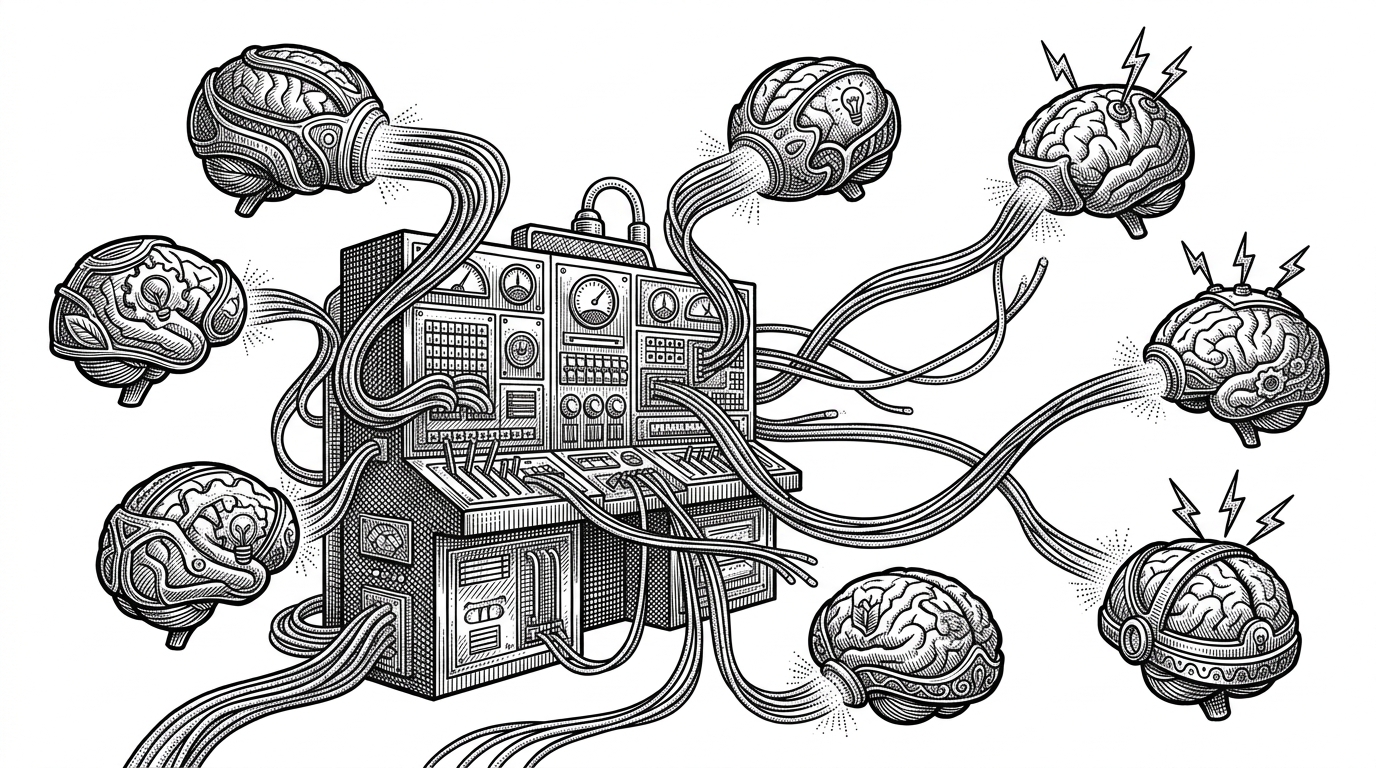
- Google ADK treats agents as independent microservices that communicate via a standardized Agent-to-Agent protocol.
- The framework replaces monolithic prompts with a coordinator pattern that delegates tasks across a tree of specialized sub-agents.
- Stateless execution separates the reasoning logic from the session state to enable horizontal scaling across cloud infrastructure.
- Built-in tool confirmation flows allow developers to enforce human-in-the-loop approval for sensitive autonomous actions.
The Agent is a Microservice
Most developers treat AI agents as a loop inside a single script. Google's Agent Development Kit (ADK) treats them as remote endpoints. It is a structural shift from building chatbots to building a service mesh.
The framework introduces the Agent-to-Agent (A2A) protocol. An agent written in Python can call a specialized agent written in Go over HTTP. They share state and tools without a shared memory space. This completely decouples the reasoning engine from the execution environment.
This milestone signifies that the Python ADK is now production-ready, offering a reliable and robust platform for developers to confidently build and deploy their agents in live environments.
Trees, Not Chains
The industry remains obsessed with finding the perfect high-context prompt. ADK abandons the mega-prompt entirely. Instead, it uses a Coordinator pattern to manage a tree of specialists.
Every agent in ADK can possess a list of sub-agents. The Runner engine evaluates the user intent and delegates the task down the tree. Crucially, the execution is stateless. The Agent is just the logic blueprint, while the Session holds the state. This separation allows the system to scale across cloud infrastructure without losing context or crashing under memory limits.
The Repo that Managed Itself
Google proves this architecture by dogfooding it. The ADK repository is maintained by ADK agents. The project directory contains production agents that triage pull requests, label issues, and summarize code diffs autonomously.
These agents leverage the framework's native tool-use capabilities to interact directly with the GitHub API. They check for existing labels before applying new ones, demonstrating the idempotency required for reliable autonomous systems. They do not just generate text. They execute state-altering functions.
| Framework | Core Abstraction | Execution Model | Best For |
|---|---|---|---|
| Google ADK | Protocols and Micro-agents | Stateless, distributed A2A | Production microservices |
| LangChain | Chains and DAGs | Stateful, monolithic | Rapid prototyping |
| CrewAI | Roles and Backstories | Sequential or hierarchical | Simulated team collaboration |
Software Engineering for the Stochastic
Large language models are inherently chaotic. ADK forces them into boring, predictable software engineering patterns. The framework includes built-in unit testing, versioning, and a native Human-in-the-Loop flow.
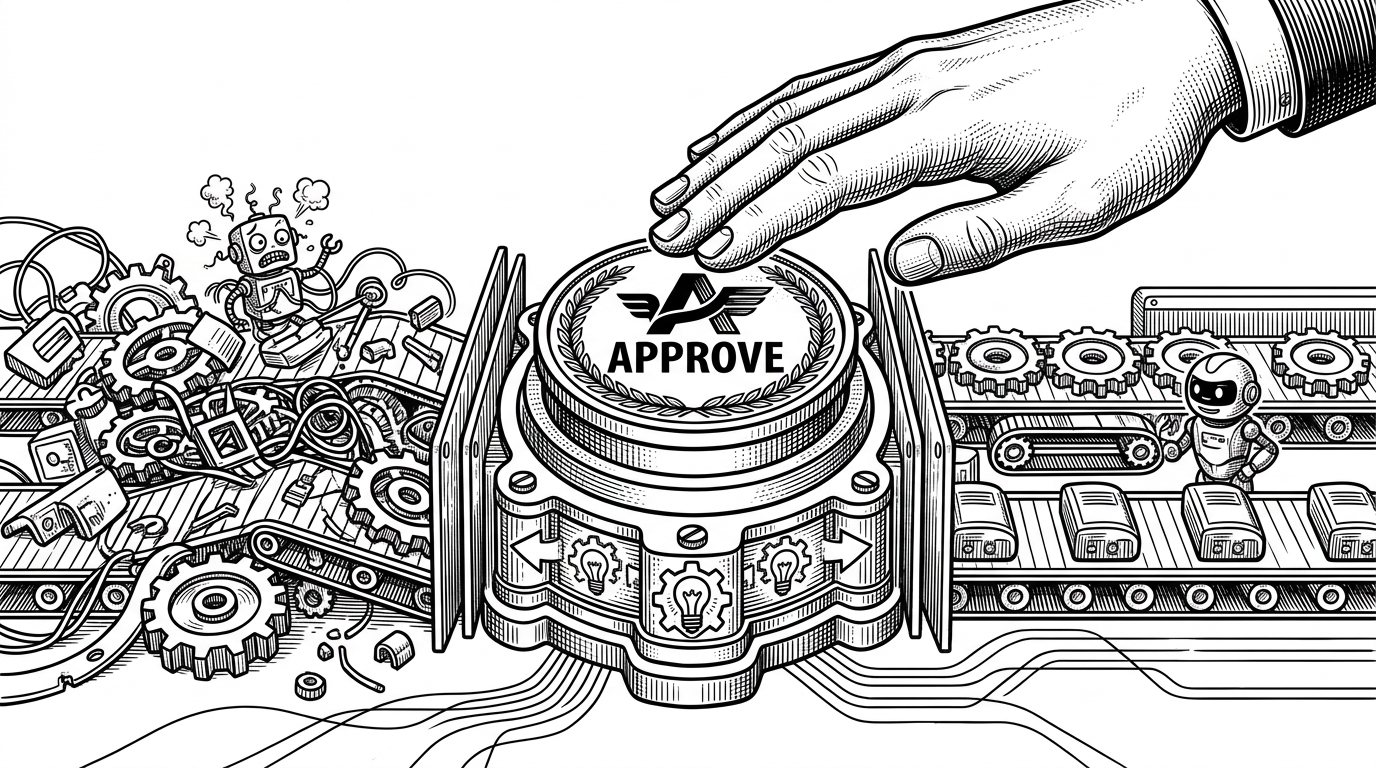
Developers can configure agents in an interactive mode, requiring permission before executing sensitive tools, or an autonomous mode for trusted operations. Recent updates even expanded this control to real-time audio models.
Adds OpenAI Realtime API support in ADK with the following capabilities: Tool calls (function calling) work in realtime. Agent‑as‑Tool works. Transfer to sub‑agents works when the parent agent is using openai realtime model...
The era of the monolithic prompt is ending. As systems grow more complex, the solution is not a larger context window. It is a disciplined, modular network of specialized agents communicating over standard protocols.
Sources: