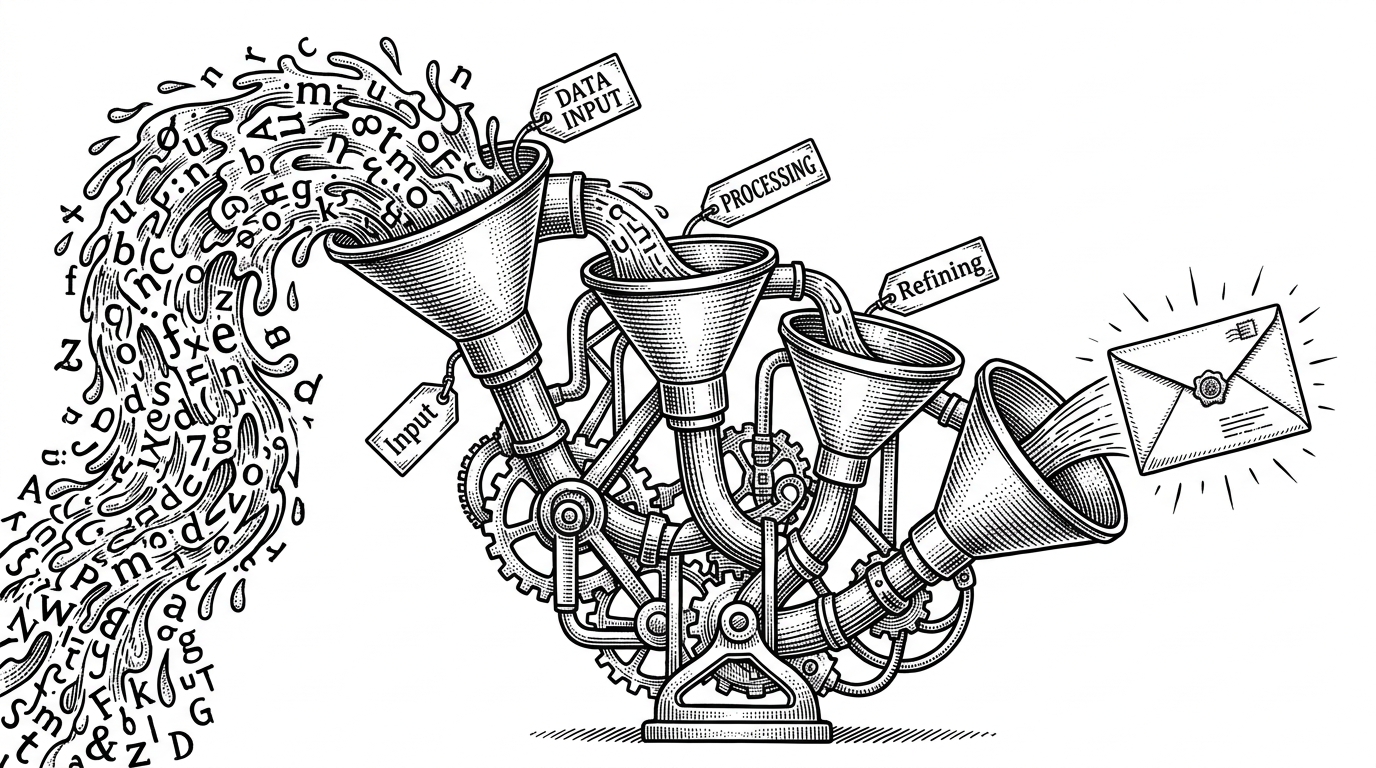
bmad-module-template: Engineering the Nervous System of Autonomous Agile
How a strictly validated metadata contract transforms fuzzy AI agents into predictable enterprise collaborators.
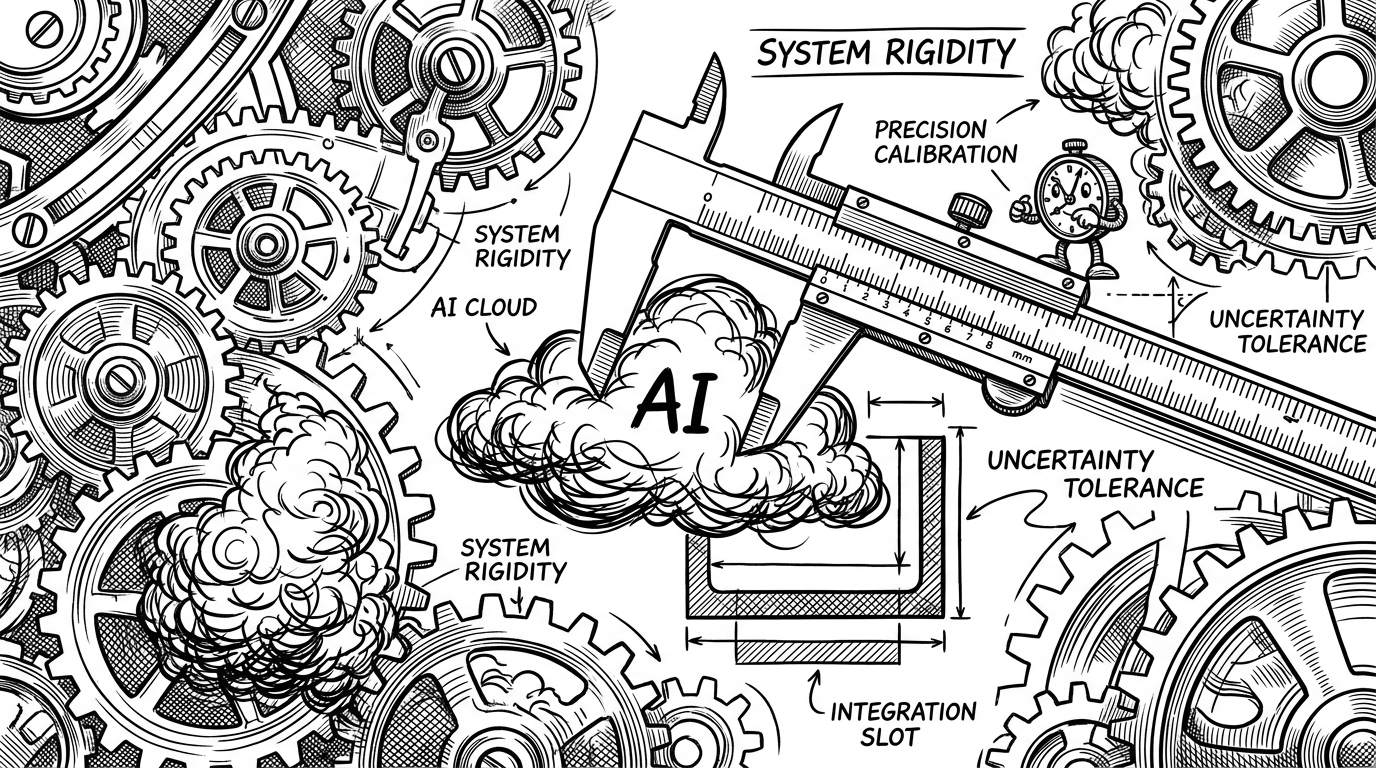
- Strict Zod schema validation replaces loose prompting with rigid structural contracts for AI agents.
- Declarative manifests automatically generate interactive command-line interfaces for module installation.
- A central CSV routing table maps human commands to specific Agile development phases.
- Automated CI/CD pipelines treat AI agent updates with the same versioning rigor as software libraries.
The End of Vibe-Driven Development
The magic of AI agents is usually framed as a black box of iterative prompting. You write a paragraph, test it, and hope it works. The bmad-module-template argues the exact opposite. For AI to function in a professional Agile environment, it must be treated with the same structural rigor as a database schema or a deployment pipeline.
This repository contains more code to catch errors in AI definitions than it does actual AI prompts. By exploring the test fixtures directory, developers find a rigorous approach to validation. Catching a camelCase trigger name via a Zod schema is treated as a critical failure. This ensures that decentralized AI modules feel like a single, cohesive operating system.
The Manifest as a UI Engine
The core of this architecture is the module manifest file. Instead of writing JavaScript to prompt users during installation, developers define declarative data structures. These structures generate an interactive command-line experience automatically.
A template for creating BMad Method modules that can be published to npm and installed via the BMad installer.
Mapping the Agile Mind
The routing table is defined by a simple CSV file. It maps human-readable commands to specific file paths and AI agents. This enforces a phased lifecycle from discovery to shipping. It reveals the underlying philosophy that AI assistance is a structured progression through a project's development stages, not just a chat interface.
| Standard Prompting | BMad Module Way |
|---|---|
| Loose text files | Schema-validated YAML |
| Manual copy-pasting | Automated NPM distribution |
| Ad-hoc manual testing | Fixture-based test suites |
| Disconnected from dev lifecycle | Mapped to Agile phases (Discover to Ship) |
Zero-Trust CI/CD for Agents
The template treats the lifecycle of an AI agent exactly like a software library. It includes complex GitHub Action scripts and shell utilities to keep the human team in the loop. The automation layer ensures that every update is sanitized, linted, and properly versioned.
The module includes release scripts that handle versioning and publishing