gastown/gastown: The Repo That Makes AI Work Survive the Chat Window
A Go orchestration stack where tasks live in Beads, agents run in sandboxes, and least-privilege proxies keep multi-agent coding from collapsing into context loss.
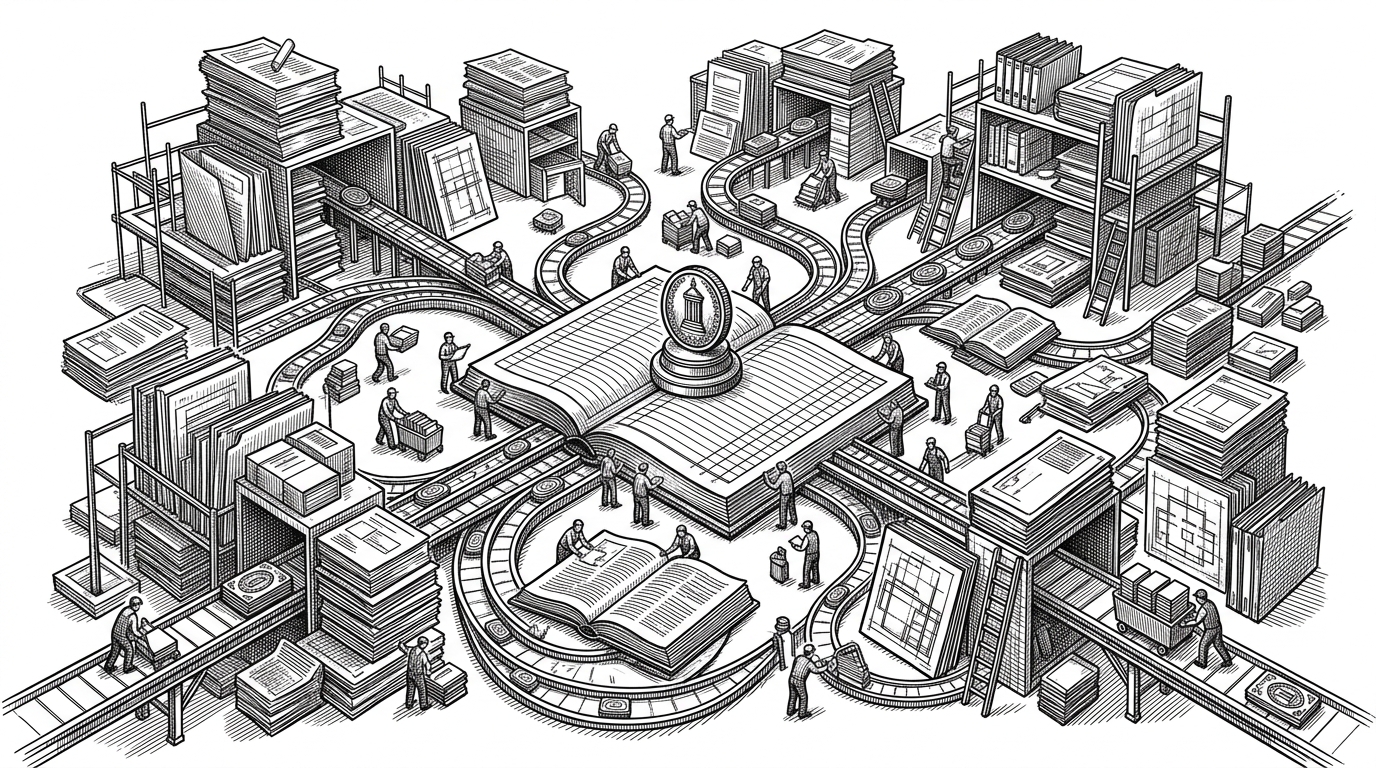
- Gas Town treats an AI task as a persistent object, so work can outlive any single chat session.
- Beads, worktrees, and a locked-down proxy turn agent coding into managed infrastructure instead of improvisational prompting.
- Its real differentiator is coordination durability, not a prettier editor or a smarter chat window.
- The system is built for long-horizon coding work that must survive crashes, handoffs, and partial failure.
A task that survives the chat
Gas Town's best idea is brutally simple. It refuses to let work disappear when a chat session does. A task becomes a durable object, with state, routing, and recovery attached to it from the start.
That changes the shape of the system. Instead of asking a model to remember everything, Gas Town writes the job into Beads, hands it to an agent, and keeps the thread outside the context window. The result is less like a clever prompt loop and more like an operating model for AI labor.
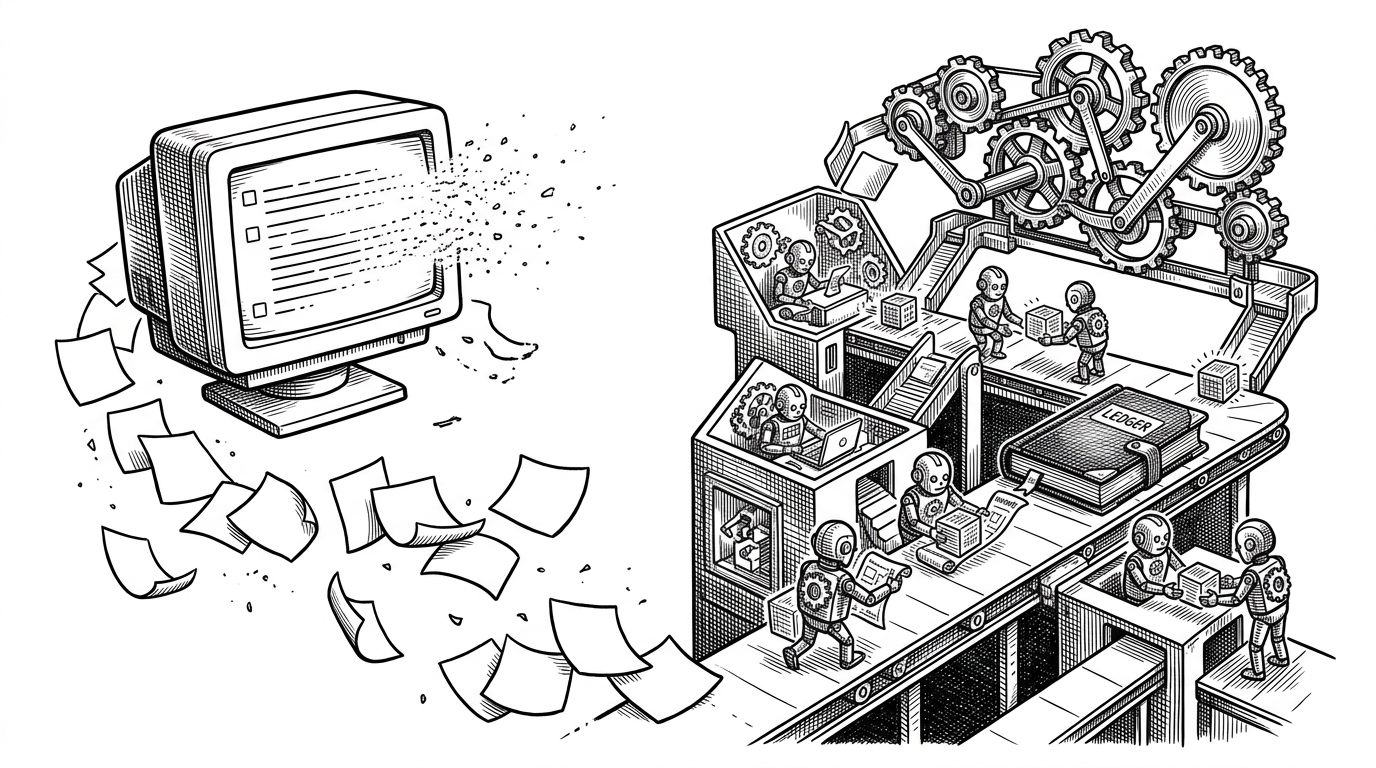
Gastown inverts this architecture: work is attached directly to the agents and executes itself.
Why ordinary agent loops collapse
Most agent systems fail for the same three reasons. The orchestrator becomes a bottleneck, the context window becomes a memory ceiling, and the sandbox becomes disposable. Once one of those breaks, the rest of the work turns into archaeology.
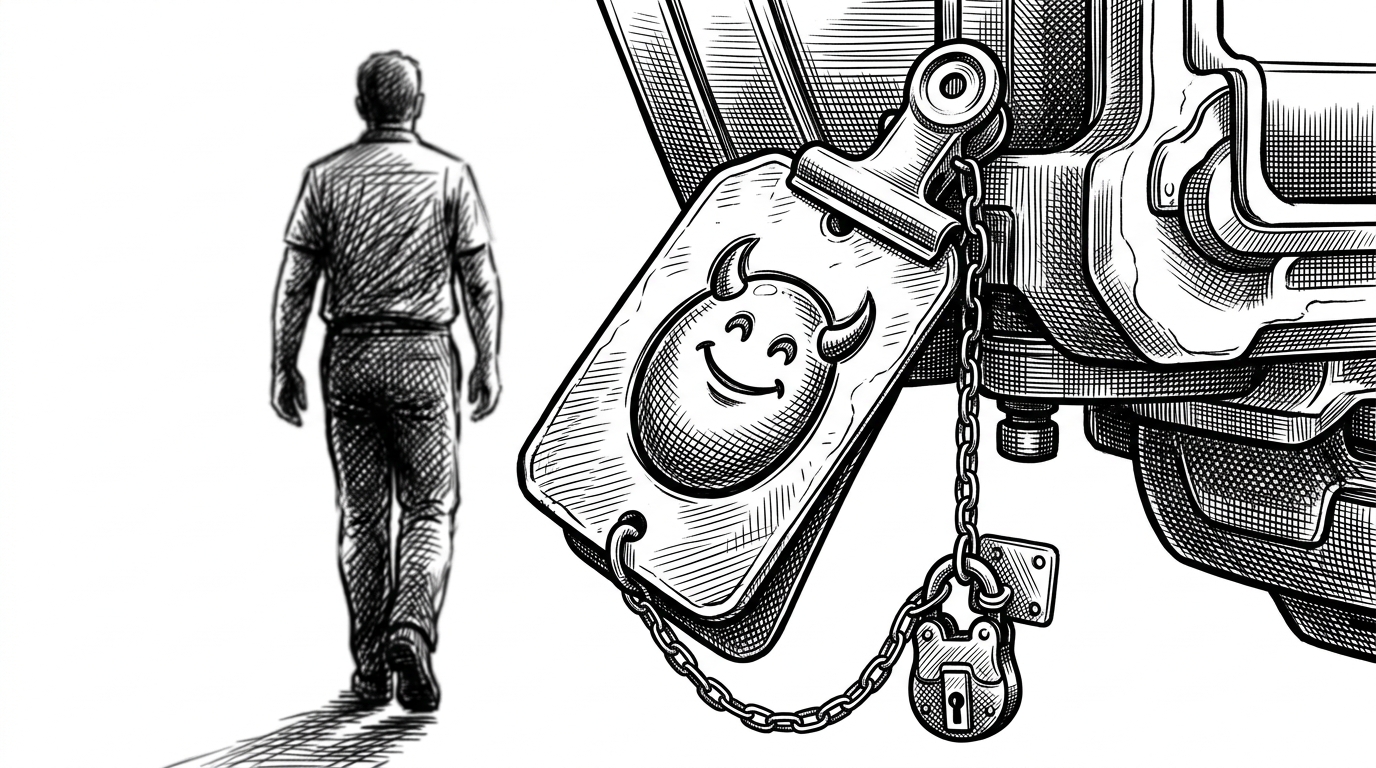
Gas Town answers with a recovery hierarchy that reads like urban planning but behaves like systems software. The Mayor, Witness, Deacon, rigs, polecats, and Beads are not decorative names. They are a vocabulary for persistence, supervision, and handoff.
Inside the machine room
The core lives in Go, and the structure is disciplined. `internal/beads/` wraps the Beads ledger, sometimes dropping below the CLI and talking to `beadsdk` directly to save overhead. `cmd/gt-proxy-server` exposes an mTLS-protected command gateway with a hard allowlist, so a sandboxed agent can ask for the right action and nothing more.
The workflow layer is equally concrete. `internal/beads/molecule.go` turns Markdown-like issue descriptions into executable steps, dependencies, tiers, and backoff rules. `internal/agent/state.go` persists progress into `.runtime/state.json`, so a crashed watcher can resume exactly where it stopped.
What Gas Town replaces, and what it is not
| Project | Coordination model | State persistence | Failure mode | Best fit |
|---|---|---|---|---|
| Gas Town | Task-led, multi-agent orchestration | Beads + Git-backed memory + state files | Setup complexity and more moving parts | Long-horizon coding with handoffs |
| Cursor | Single developer in an AI editor | Local project context | Human still carries coordination | Fast edits and inline assistance |
| Aider | CLI pair-programming loop | Conversation plus direct repo edits | Sessions drift when work gets large | Focused refactors in one repo |
| AutoGen / LangChain | General agent graphs | Custom, if you build it | Glue code and abstraction drift | Prototyping orchestration patterns |
| Claude Code | Strong standalone coding agent | Session-centric | Recovery lives outside the tool | Direct coding assistance |
This is not a better editor story. It is a coordination story. Cursor and Aider are strong at interactive loops, but Gas Town is built for the cost of long-horizon work, especially when the same task must survive restarts, handoffs, and partial failure. That is a different class of problem.
The bigger bet
Gas Town feels less like a coding app and more like an operating model. Its city metaphor matters because it teaches the right mental model: agents are not chats, they are workers with state, permissions, and supervision.
That is the bet underneath the whole repo. If managed software work is going to be done by agents, then the unit of control cannot be the transcript. It has to be the task. Gas Town is one of the clearest attempts to build that future into infrastructure instead of interface polish.