anthropics/knowledge-work-plugins: The Repo That Builds Specialists From Files
A role pack here is just markdown, JSON, and MCP wiring. The twist is a meta-plugin that can customize and scaffold the rest, turning Claude into a more company-shaped coworker.
- This repo treats specialization as a file format, with skills, commands, and MCP wiring bundled into a role pack.
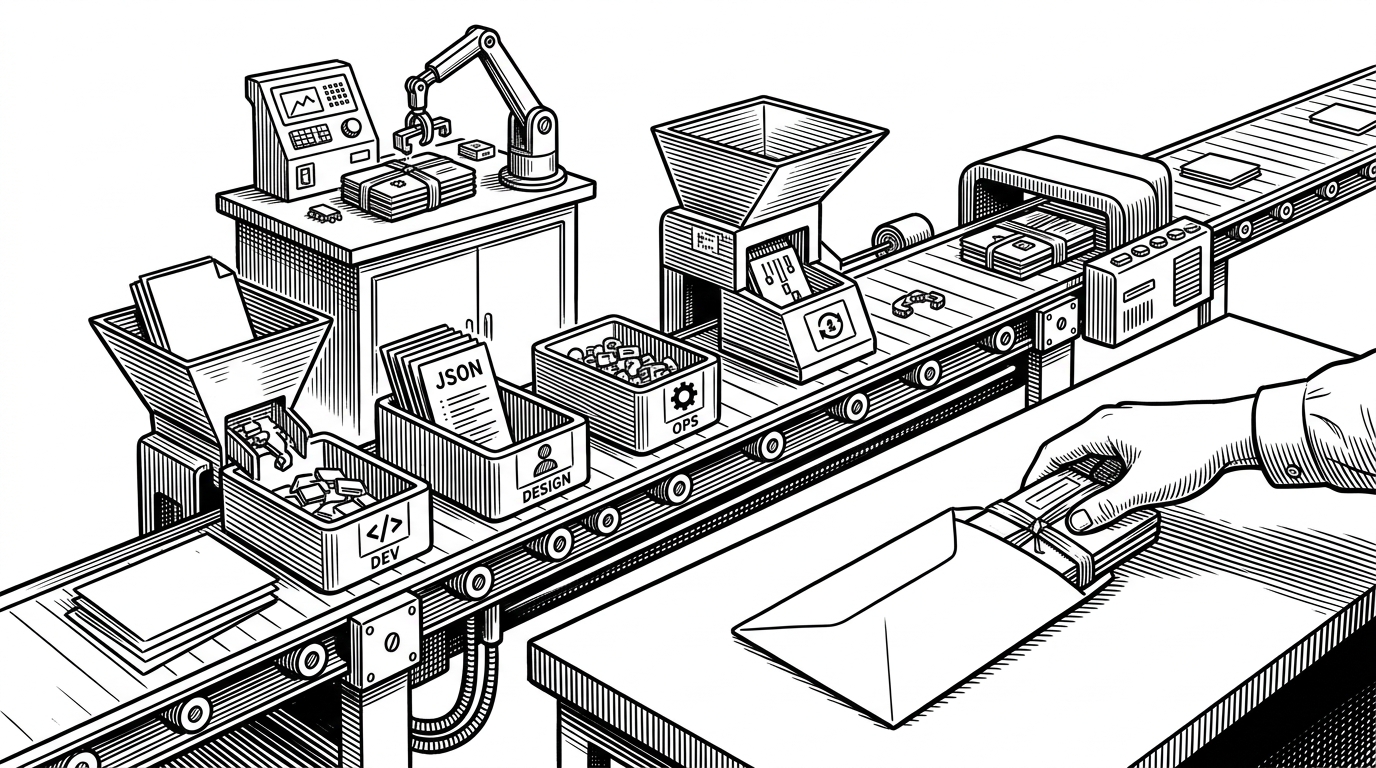
- The recursive `cowork-plugin-management` plugin turns the system into a factory that can scaffold and customize more specialists.
- Claude's behavior is split across automatic skills, explicit commands, and external connectors, which keeps the runtime readable.
- The real comparison is not to a chatbot, but to a file-based layer of enterprise software that is easier to inspect than code-heavy frameworks.
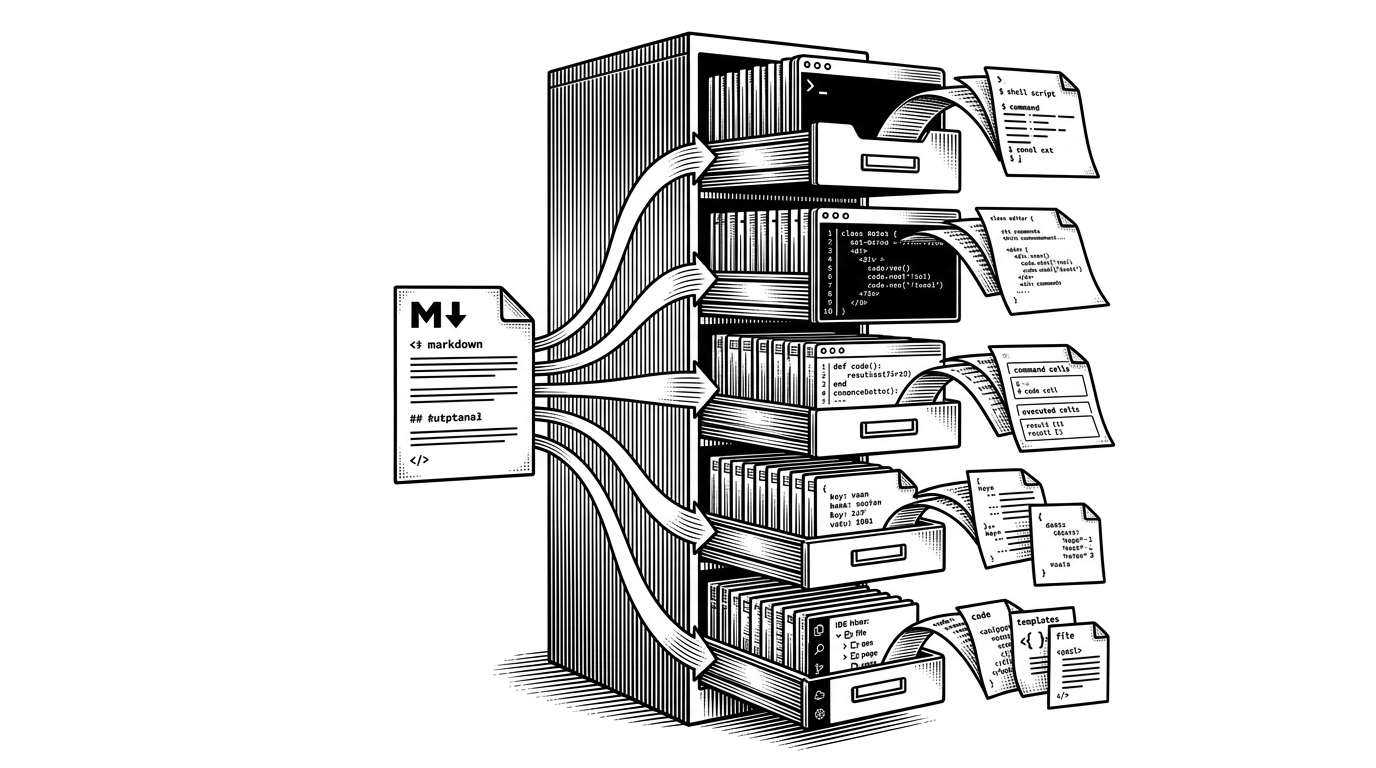
This is not a story about a plugin pack shipping one more assistant. It is a story about a packaging model for expertise. In anthropics/knowledge-work-plugins, a specialist is a folder, a manifest, a set of skills, a command surface, and a bridge to outside tools.
A plugin is not a plugin. It is a role pack.
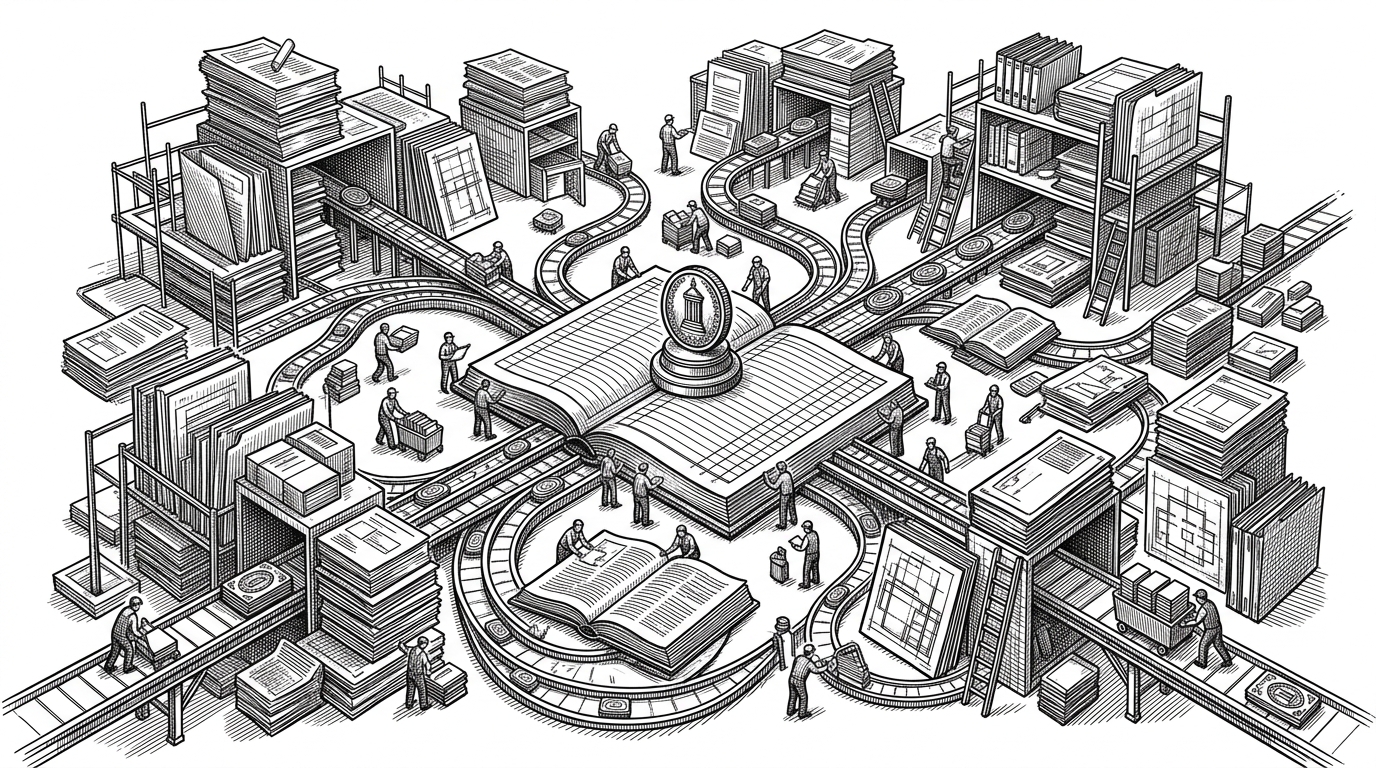
The repo’s core move is simple and strange: it packages work roles the way software teams package libraries. Sales, legal, research, design, and operations all become editable bundles, not separate products. That makes the unit of value legible to non-framework people, which is the whole point.
Instead of treating AI as a generic assistant, these plugins model real organizational roles such as product managers, analysts, legal reviewers, or operations specialists and encode their workflows, decision logic, and constraints directly into reusable AI components.
What actually ships inside the box
The directory shape does a lot of the editorial work. A plugin is not hidden behind a build step or a framework abstraction. It is exposed as files you can open, diff, and change.
repo/
  .claude-plugin/marketplace.json
  cowork-plugin-management/
    .claude-plugin/plugin.json
    .mcp.json
    commands/
    skills/
    scripts/
  sales/
    .claude-plugin/plugin.json
    .mcp.json
    commands/
    skills/
    scripts/
  bio-research/
    .claude-plugin/plugin.json
    .mcp.json
    commands/
    skills/
    scripts/
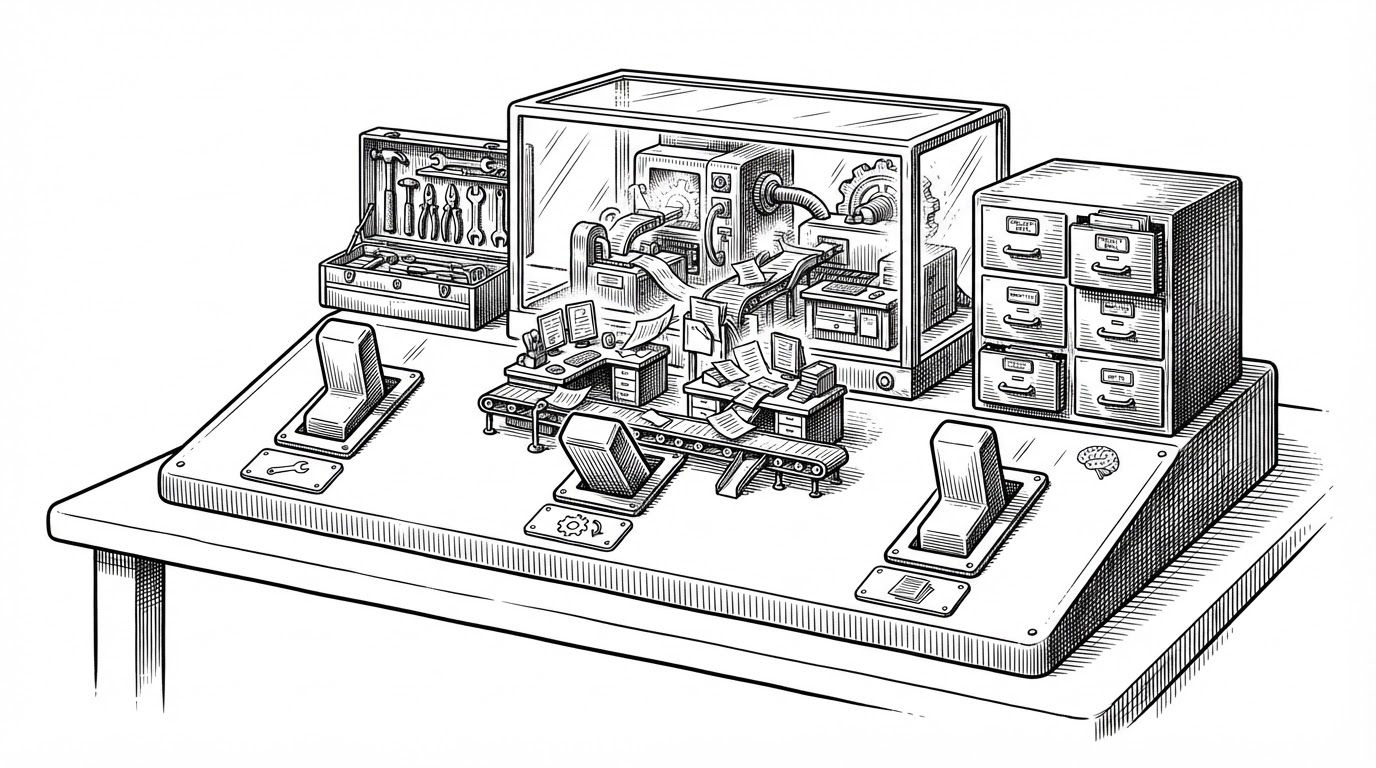
The important part is the division of labor. JSON declares identity and wiring. Markdown carries domain knowledge. Commands expose explicit actions. MCP connects Claude to external systems. The repo keeps those layers readable instead of burying them in code.
The weirdest part: a plugin that makes more plugins
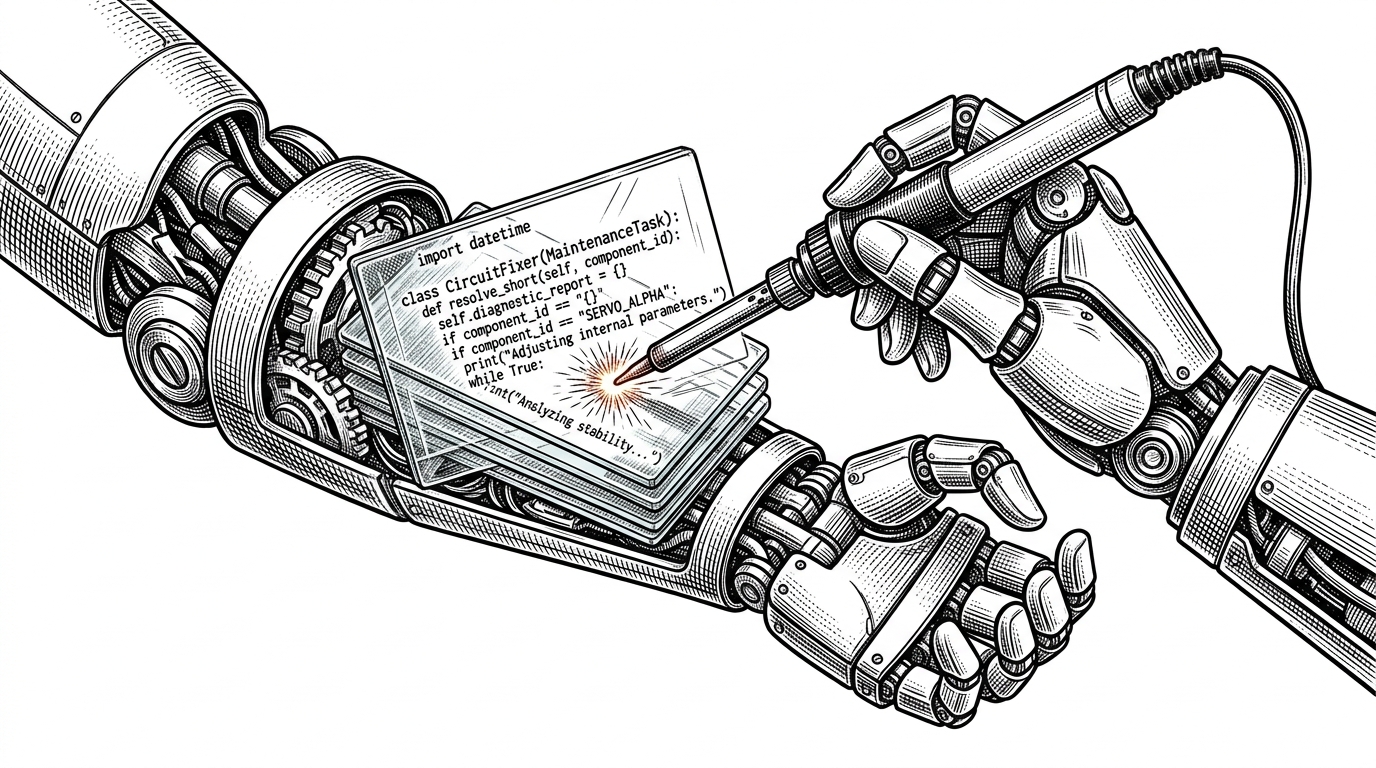
The real surprise is `cowork-plugin-management`. It is a plugin for creating and customizing other plugins, which makes the system feel recursive in the best way. Instead of asking every team to become a framework author, Anthropic gives them a management layer that can stamp out new role packs from a known pattern.
How Claude knows what to do
The runtime model is easier to grasp once you separate the triggers. Skills activate automatically when the task matches the stored intent. Commands are explicit, which makes them good for user-directed flows. MCP sits underneath both, supplying the external APIs and data sources that make the work real.
That split matters because it prevents the system from becoming one vague prompt blob. A skill can explain domain behavior, a command can express a workflow step, and MCP can reach into Slack, a warehouse, or a research endpoint. The result is not magic. It is a routing system that stays inspectable.
Why this feels different from GPTs, LangChain, or AutoGPT
The closest comparisons are useful, but they point in different directions. GPTs optimize for custom chat experiences. LangChain and LangGraph optimize for developer-built agent apps. AutoGPT optimizes for autonomous task loops. Knowledge Work Plugins optimize for portable, file-based role packs that a domain expert can actually read.
| System | Primary abstraction | What you author | Why it differs |
|---|---|---|---|
| Knowledge Work Plugins | Role packs in files | Skills, commands, MCP wiring | Readable and editable without a heavy framework |
| GPTs | Custom ChatGPT experiences | Instructions, knowledge, actions | Centered on chat surfaces, not folder-based specialization |
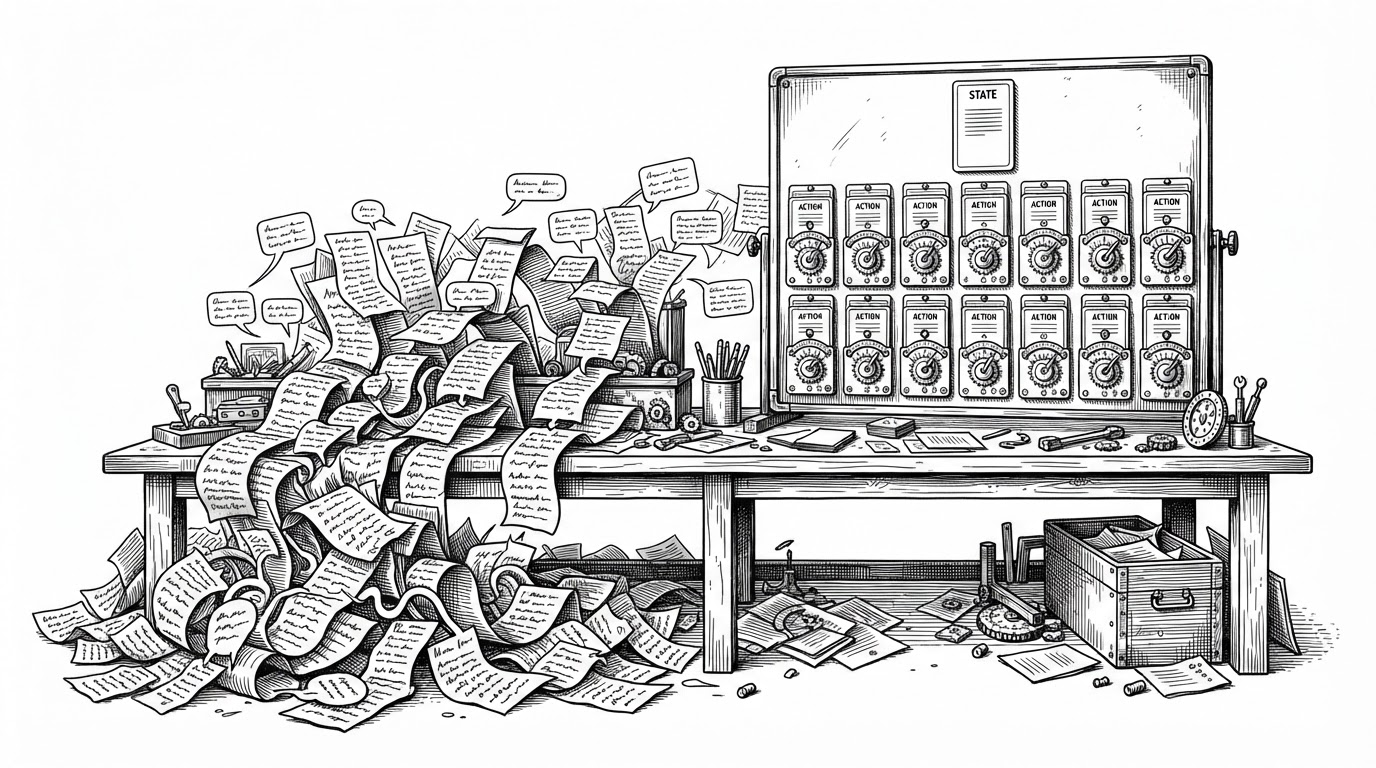
| LangChain or LangGraph | Developer framework | Code, chains, state graphs | More flexible, but more engineering-heavy |
| AutoGPT | Autonomous task loop | Goals, memory, tool loop | Generalist execution, less role-specific |
That comparison gets at the editorial truth. Anthropic is not trying to win on maximal abstraction. It is trying to make expertise portable, inspectable, and easy to fork.
What this says about the next layer of enterprise software
The bigger implication is that internal software may increasingly look like a bundle of files that encode process, context, and tool access. If a team can review the bundle, diff it, and customize it, the organization can change its own operating model without waiting for a platform rewrite. That is a much more interesting future than a generic chatbot with a few extra buttons.