The Cynical Code Reviewer: Inside bmad-utility-skills
How an adversarial AI swarm and strict tool constraints are automating the grueling janitor work of open-source repository maintenance.
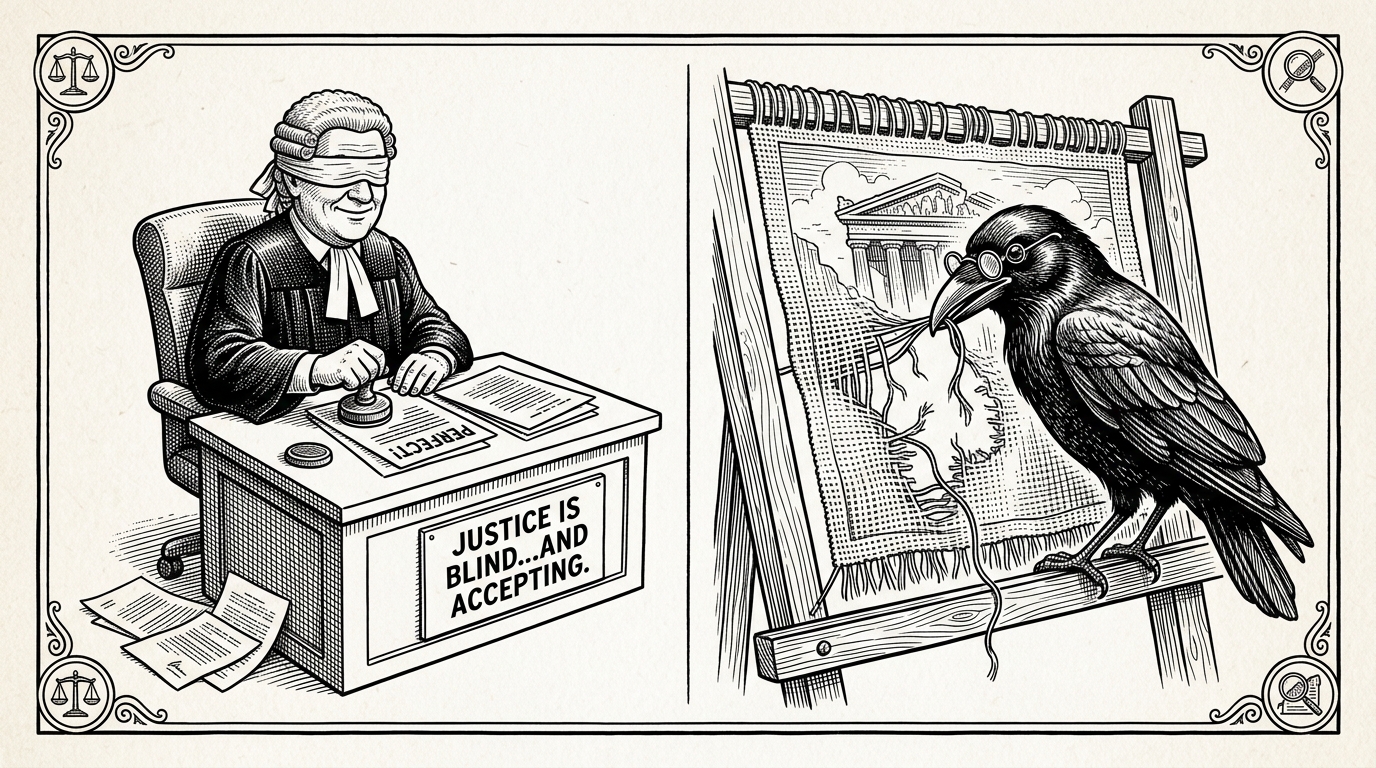
- bmad-utility-skills leverages adversarial AI personas to bypass the inherent sycophancy of standard LLMs during code review.
- The framework utilizes a manager-worker swarm pattern to process GitHub issues in parallel, avoiding context window exhaustion.
- Strict tool constraints force the AI to return deterministic JSON outputs rather than open-ended text summaries.
- State management protocols enable asynchronous human-in-the-loop approvals without losing execution context.
The Curse of the Polite Reviewer
AI models are trained to be helpful and polite. When asked to review code, they naturally gravitate toward superficial compliments and minor syntax tweaks. This sycophancy makes them terrible at finding deep architectural flaws.
The bmad-os-review-pr skill solves this by forcing a persona shift. It employs a dual-layer approach where one sub-agent systematically traces execution paths while another acts as a cynical, jaded engineer. By explicitly commanding the AI to expect failure, the framework uncovers bugs that a standard prompt would gloss over.
Swarm Tactics for Issue Triage
Managing a busy open-source repository involves endless cognitive load. The bmad-os-gh-triage skill automates this toil by shifting from sequential processing to parallel orchestration.
Instead of feeding a massive wall of text into a single context window, a lead agent acts as a dispatcher. It fetches issues via the GitHub CLI, chunks them into batches, and spawns parallel sub-agents.
These sub-agents operate under strict tool constraints. They are forbidden from hallucinating time estimates. Instead, they must output specific JSON structures categorized by priority and theme.
The Stateful Audit and Human Intervention
Complex audits require human oversight. The bmad-os-findings-triage module manages this through a stateful Human-In-The-Loop architecture.
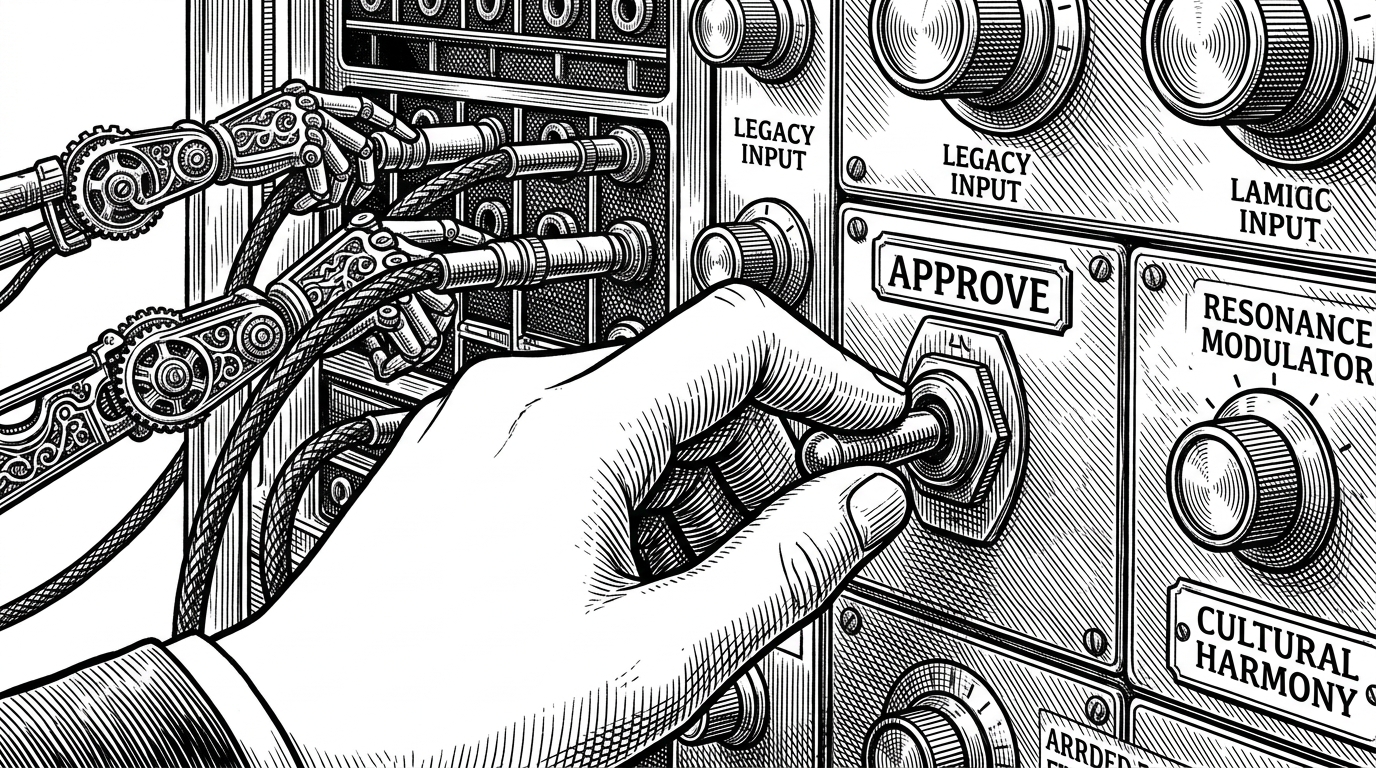
The system spawns an individual agent for each discovered finding. To prevent context drift while waiting for human input, it uses TaskCreate and TeamCreate state management protocols. The machine handles the complex routing, but the human maintainer retains the final deterministic physical control over approvals.
The End of the Monolithic Prompt
The broader BMAD ecosystem is abandoning massive system prompts in favor of modular, discoverable utility skills. This shift aligns with the agentskills specification, allowing these specialized workflows to be invoked across different environments like Claude Code and Codex.
Yes @sbaechler - this switch specifically for codex is high priority already being investigated by the team!
| Feature | Monolithic Prompts | bmad-utility-skills |
|---|---|---|
| Execution Model | Linear | Parallel Swarm |
| Context Usage | High token waste | Budgeted token usage |
| Error Handling | Cascading failures | Isolated state |
| Tool Access | Generalized | Restricted deterministic |