The Death of Human Documentation: Inside chroma-core/agent-skills
How the popular vector database uses a strict compiler pipeline to turn static documentation into type-safe, executable behaviors for AI agents.
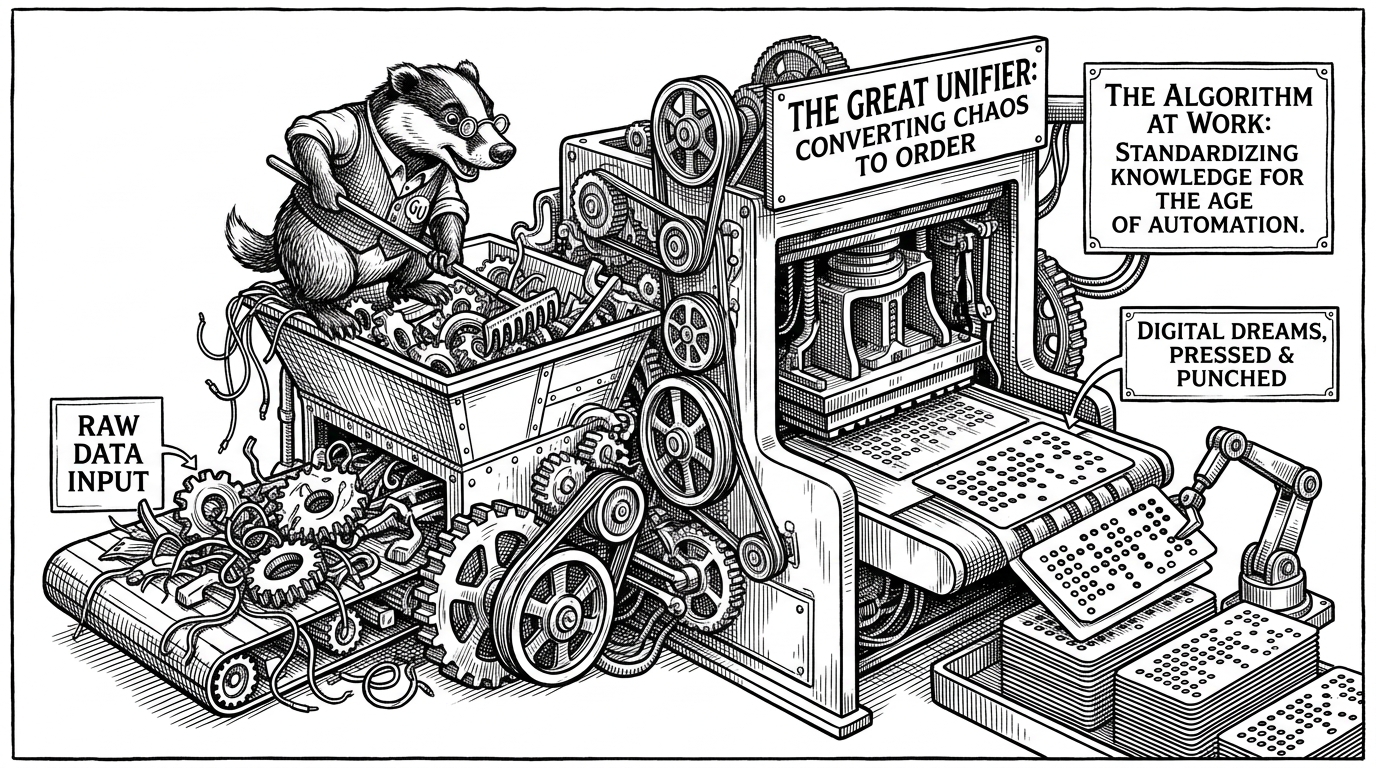
- Traditional software documentation fails LLM agents by relying on prose and implicit context, leading to hallucinated API calls.
- Chroma solves this by treating documentation as a compiled artifact, using a precise build pipeline to inject type-safe code into markdown templates.
- The resulting SKILL.md files act as state machines, forcing agents to pause and request architectural decisions before generating implementation code.
- By enforcing production-grade patterns like Reciprocal Rank Fusion, the repository prevents agents from defaulting to naive, fragile RAG implementations.
The End of the README Era
AI agents do not read documentation the way humans do. When developers feed a standard README or a PDF of API docs into an agent, the system inevitably struggles. It ignores nuanced prose, misunderstands vague directives, and hallucinates API methods that do not exist.
The chroma-core/agent-skills repository recognizes a fundamental shift. If you want an AI to implement your tool correctly, you have to treat documentation as a compiled, type-safe software artifact. This is a masterclass in Knowledge-as-Code, abandoning human-readable tutorials for machine-executable operations.
The key insight is that modern LLMs are good enough to follow detailed procedural instructions written in plain text. You don’t need to encode your workflow as a graph of Python functions. You can just describe it, and the agent will execute it step by step, calling tools and making decisions exactly as instructed.
Compiling Context: The Build Pipeline
The most impressive aspect of the repository is not the markdown files themselves, but the engine that generates them. The team uses a rigorous build pipeline powered by Bun, TypeScript, and Pyright to guarantee that the AI only ever reads syntactically perfect code.
Inside scripts/build-skills.ts, a custom regex-based parser scans raw source files for snippet markers. It then injects these validated snippets into specified gaps in markdown templates. If a developer introduces a syntax error, the build fails entirely, and the documentation is never published.
The State Machine of SKILL.md
The output of this pipeline is a standard SKILL.md file, but it functions more like a state machine than a static document. It provides a strict decision workflow for the agent.
Instead of immediately generating code, the skill instructs the agent to pause and ask clarifying questions. It forces the agent to determine the user's deployment target, preferred search type, and embedding model before writing a single line of implementation. This prevents the agent from making assumptions that lead to brittle architectures.
Instead of loading everything upfront, they use progressive disclosure. At startup, the agent loads only the metadata of available skills, just the name and a short description, which comes to around 50 tokens per skill. When a request matches a skill's description, only then does the agent read the full SKILL.md into context.
Forcing the Upgrade to Hybrid Search
The payload of these skills reveals Chroma's intent to push developers past naive Retrieval-Augmented Generation. The repository explicitly teaches agents how to implement production-grade hybrid search, refusing to settle for standard tutorials.
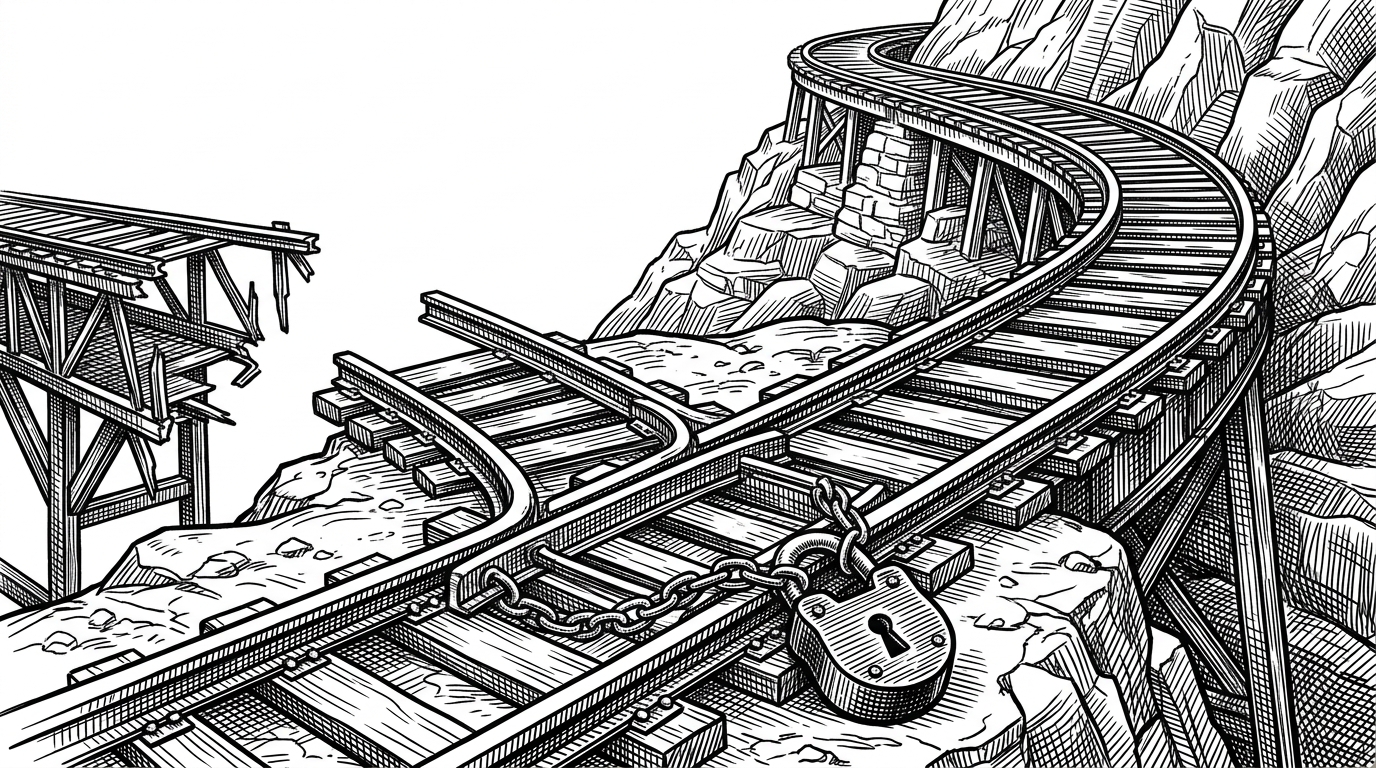
By enforcing the use of Reciprocal Rank Fusion, SPLADE, and BM25, the skill prevents the agent from taking the easy route of simple semantic search. It introduces high-level abstractions for fluent filtering, treating vector queries with the ergonomics of a modern ORM.
The New DevRel Standard
We are entering an era where providing a REST API without a compiled agent skill will be equivalent to shipping a C library without header files. The chroma-core/agent-skills repository provides the necessary blueprint for this transition.
| Attribute | Human Documentation | Agent Skills |
|---|---|---|
| Format | Prose and explanatory paragraphs | Exact command invocations and state rules |
| Delivery | Read entirely upfront | Progressive disclosure based on task context |
| Code Quality | Often outdated or uncompiled | CI/CD validated via strict compiler checks |
| Failure Mode | Developer gets confused and Googles | Agent hallucinates an API call and breaks build |