The Death of the Terminal Tab: Unpacking better-dx
How a TypeScript meta-framework wraps your build tools to create a shared, real-time command center for developers and AI agents.
I found myself constantly switching contexts between `git status`, `npm test`, and checking project configurations, yearning for a single, personalized dashboard that could give me a complete picture without leaving the terminal.
- The project uses a wrapper pattern to intercept stdout and stderr from existing build tools without requiring configuration changes.
- It leverages oRPC to provide end-to-end type safety across a unified local dashboard, replacing scattered terminal tabs.
- By systematically capturing system state and build logs, it exposes a structured real-time context directly to AI coding agents.
The Fragmentation Tax
Modern local development is a masterclass in window management. Developers constantly pivot between a code editor, a browser, an AI chat interface, and half a dozen terminal tabs running fragmented CLI tools. This constant context switching destroys flow state. Terminal multiplexers like tmux help organize the chaos visually, but they do nothing to unify the underlying data streams. The tools remain isolated islands of information.
The Wrapper Pattern
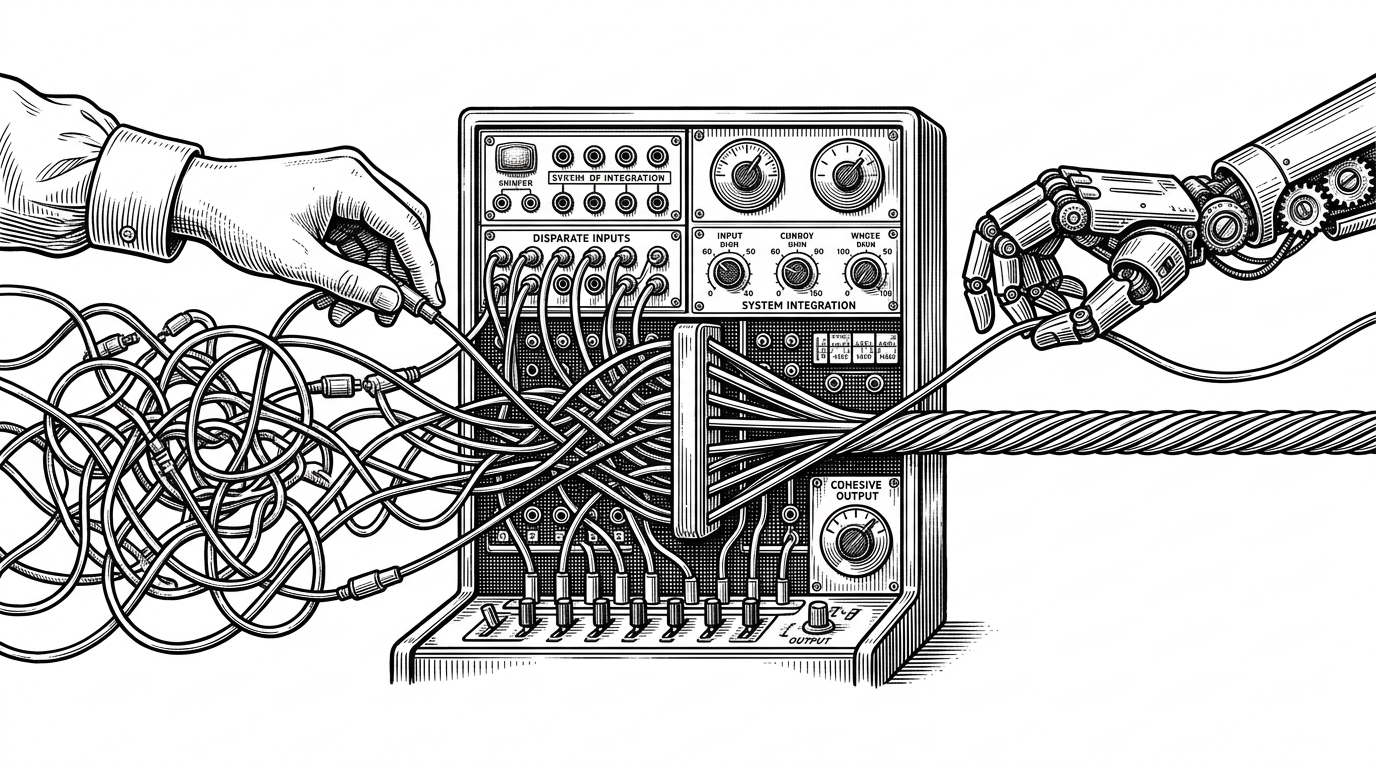
Instead of replacing established tools like Vite or Turborepo, better-dx wraps them. By invoking commands through its own CLI, it uses the execa library to spawn child processes. It then captures stdout and stderr from these processes, transforming chaotic text streams into structured LogEvent objects. These events are broadcast via Server-Sent Events to a centralized dashboard.
Type-Safe Orchestration with oRPC
To bridge the gap between the local Hono server and the React dashboard, the framework relies on oRPC. This provides strict end-to-end type safety across the wire without requiring code generation schemas. It ensures that the payload structures emitted by the local build tools are perfectly understood by the frontend consuming them.
export const logRouter = router({
  getLogs: publicProcedure
    .input(z.object({ limit: z.number().optional() }))
    .query(async ({ input }) => {
      return logManager.getRecentLogs(input.limit);
    }),
});
Spying on Localhost for AI
The most significant differentiator is how this data is used. Human developers benefit from a cleaner dashboard, but AI agents benefit from total systemic awareness. By integrating a WXT browser extension and react-screenshot utilities, better-dx feeds visual UI states, DOM changes, and structured build logs directly to the Vercel AI SDK. The AI is no longer operating blindly inside an IDE plugin; it shares your entire workspace view.
Beyond tmux and lazygit
Traditional terminal workflows rely on spatial organization. The better-dx paradigm shifts this to semantic organization.
| Feature | Legacy Terminal Stack | better-dx Meta-Framework |
|---|---|---|
| Paradigm | Fragmented CLI tools in separate panes | Unified local web dashboard |
| Log Management | Scrollback buffers in isolated tabs | Multiplexed Server-Sent Events |
| AI Awareness | Blind to local environment execution | Full filesystem and UI state access via oRPC |
| Browser Integration | None natively | Live WXT DevTools extension |
The Solo Founder's Vision
Created by Eric Clemmons, the project is an experimental push toward a unified developer experience. It highlights a growing necessity in the era of AI-assisted coding. Agents need context, and providing that context manually is tedious. By wrapping the tools we already use, better-dx builds an automated context engine.