x402-vara-next-facilitator: The High-Speed Clearinghouse for the Agentic Web
Resurrecting HTTP 402 to replace brittle API keys with autonomous, sub-second settlement on the Vara Network.
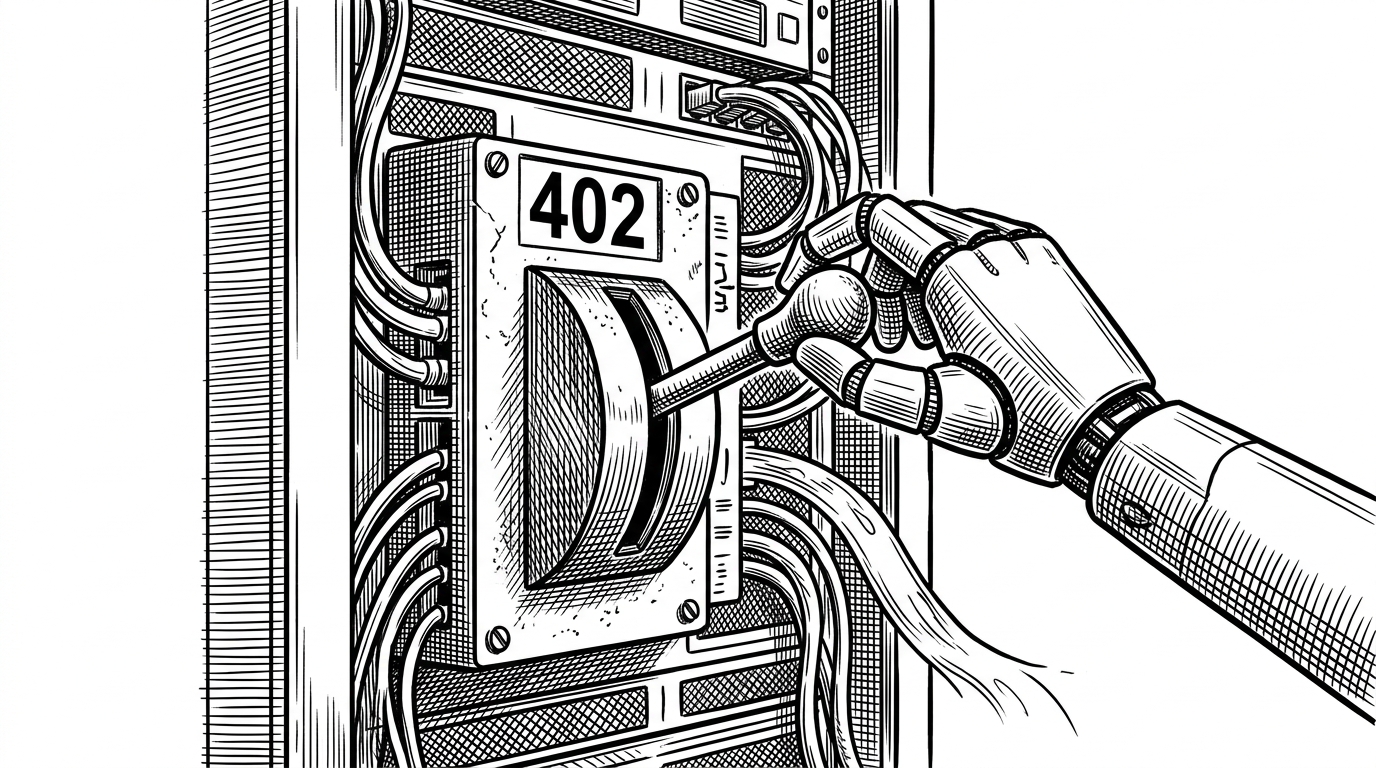
- The x402 protocol revives a dormant HTTP status code to enable autonomous, per-request payments for AI agents.
- The facilitator uses a two-phase architecture to verify payments off-chain in milliseconds before settling them on the blockchain.
- Vara Network’s Actor Model architecture provides the high-speed asynchronous processing required for real-time machine-to-machine transactions.
- Developers can convert standard API routes into pay-per-use microservices by integrating the stateless facilitator into Next.js projects.
The 30-Year Wait for Status 402
HTTP status codes map the boundaries of the web. We know 404 means missing, 403 means forbidden, and 500 means broken. But 402 has sat practically dormant since 1991. The "Payment Required" code was built for a digital cash future that never arrived.
Today, AI agents are breaking the traditional SaaS model. A language model coding a frontend cannot stop to enter a credit card number to access a weather API. It needs to pay programmatically, per request, in milliseconds. The x402 protocol revives HTTP 402 to solve this, and the x402-vara-next-facilitator provides the high-speed settlement engine to make it viable.
The Facilitator: A Stateless Clearinghouse
In the x402 ecosystem, you need a middleman between the API providing the data and the blockchain holding the money. This repository implements that middleman using Next.js and the Bun runtime.
The architecture splits the transaction into two distinct phases: off-chain verification and on-chain settlement. When an agent requests a protected resource, it sends an X-PAYMENT header. The facilitator's /verify endpoint decodes this payload and cryptographically checks the signature against the API's requirements. This happens in milliseconds without touching the blockchain.
Why Vara? Speed as a Feature
Verifying a signature is fast, but settling a transaction on a blockchain is notoriously slow. Submitting every individual API call to a congested mainnet would cripple an autonomous agent.
This facilitator targets the Vara Network specifically to solve the latency problem. Vara utilizes an Actor Model architecture and a WebAssembly (WASM) native runtime. This allows the facilitator to process high-frequency, asynchronous message passing efficiently. The API grants access immediately after the fast verification, while the facilitator batches and settles the actual token transfer on Vara in the background.
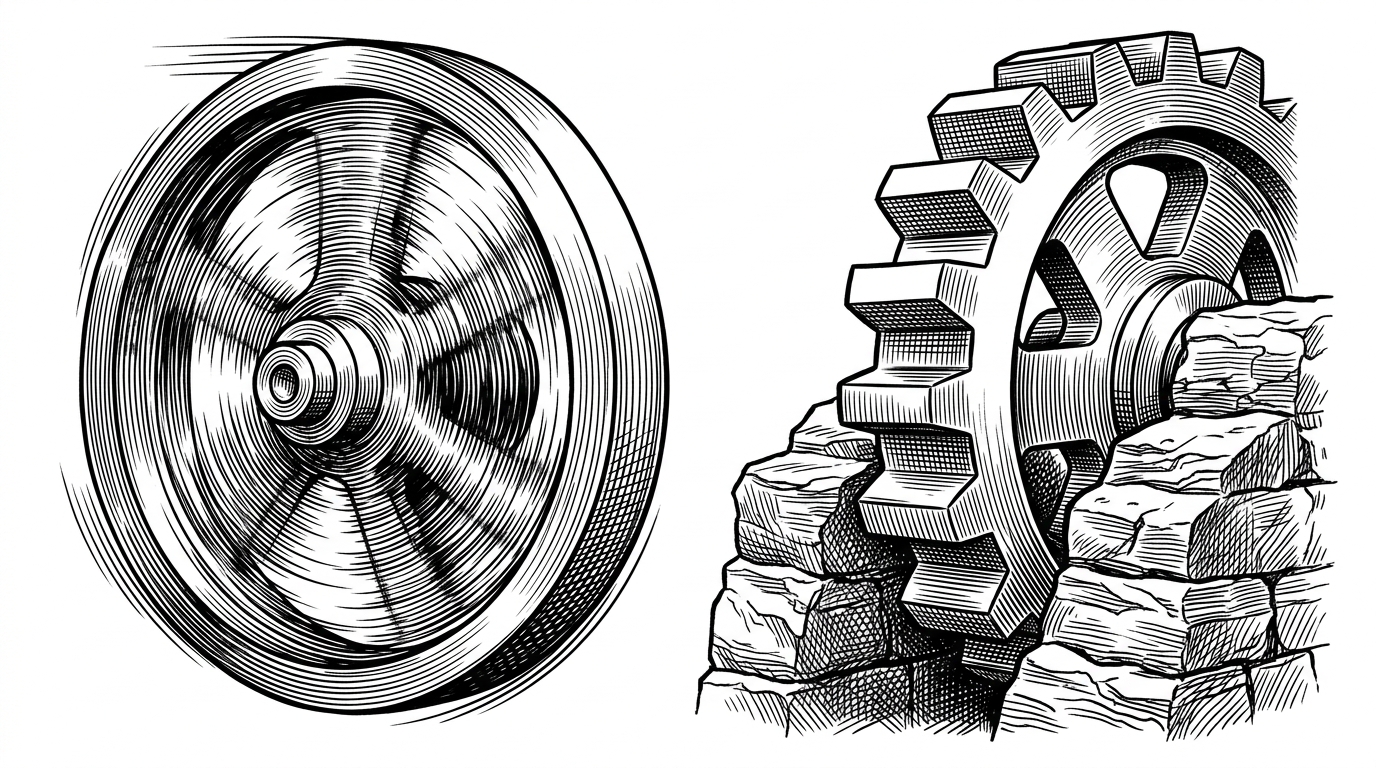
The End of the Subscription Era
The transition from API keys to streaming payments fundamentally alters how software is monetized. You no longer need a Stripe subscription or a database of users to sell machine-to-machine compute.
By dropping the app/api/facilitator folder into an existing Next.js project, developers can instantly convert any standard API route into a self-contained, pay-per-use microservice. The code is entirely stateless, relying on the Vara network as the ultimate source of truth for nonces and balances.
| Feature | Traditional SaaS (API Keys) | x402 (Vara Facilitator) |
|---|---|---|
| Authentication | Static bearer token | Cryptographic payment header |
| Identity | Requires user account | Fully anonymous |
| Billing Model | Monthly subscription seats | Pay-per-request streaming |
| Onboarding Friction | High (credit card required) | Zero (agent self-funds via wallet) |