MoneyPrinterV2: The Browser That Pretends to Be a Creator
A local-first automation stack that writes, edits, posts, and cross-posts content by stitching together LLMs, Selenium, and real browser profiles.
- MoneyPrinterV2’s real invention is not generation, but browser identity reuse.
- The repo turns local tools into a sovereign pipeline that keeps cost and state on the user’s machine.
- Its class-based architecture makes one workflow reusable across video, social, and outreach channels.
- The same browser-native design that makes it powerful also makes it brittle and ethically charged.
The cleverest part is the identity layer
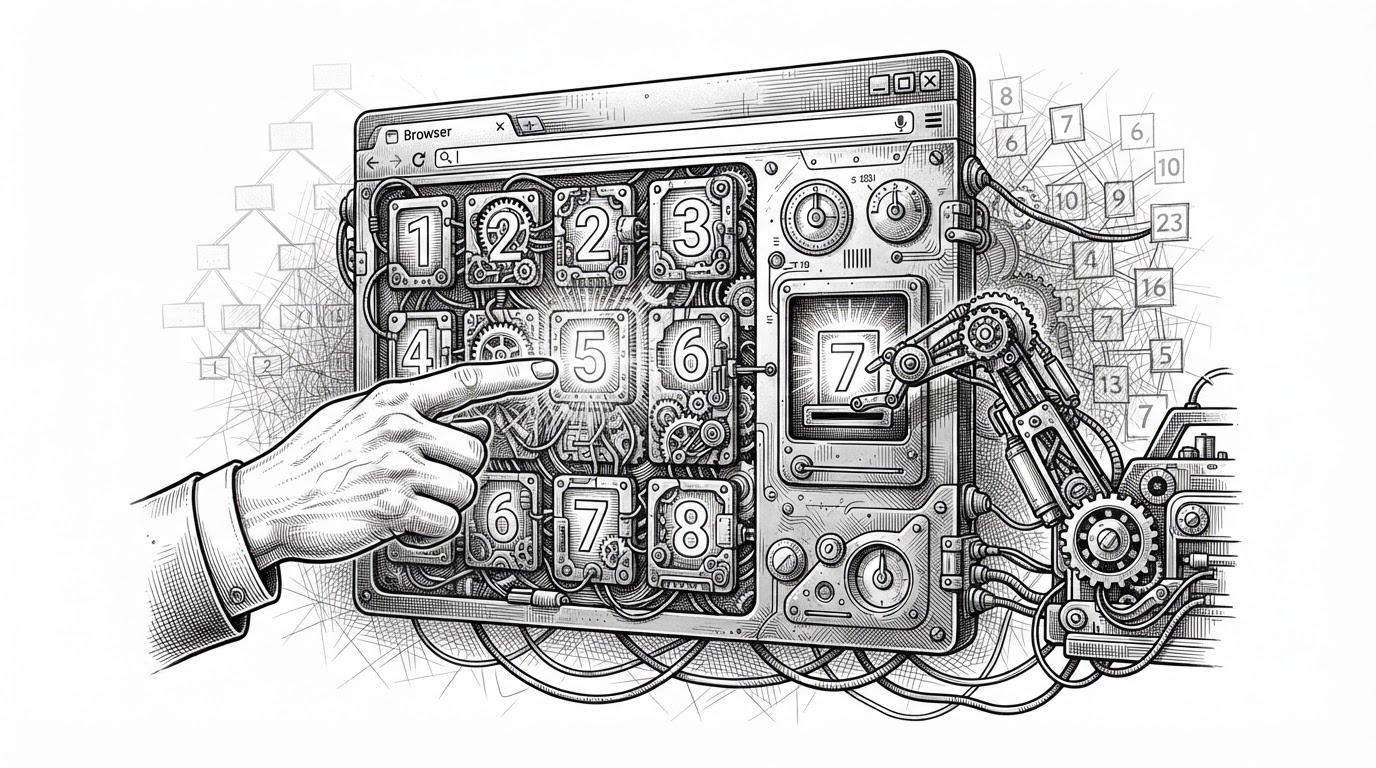
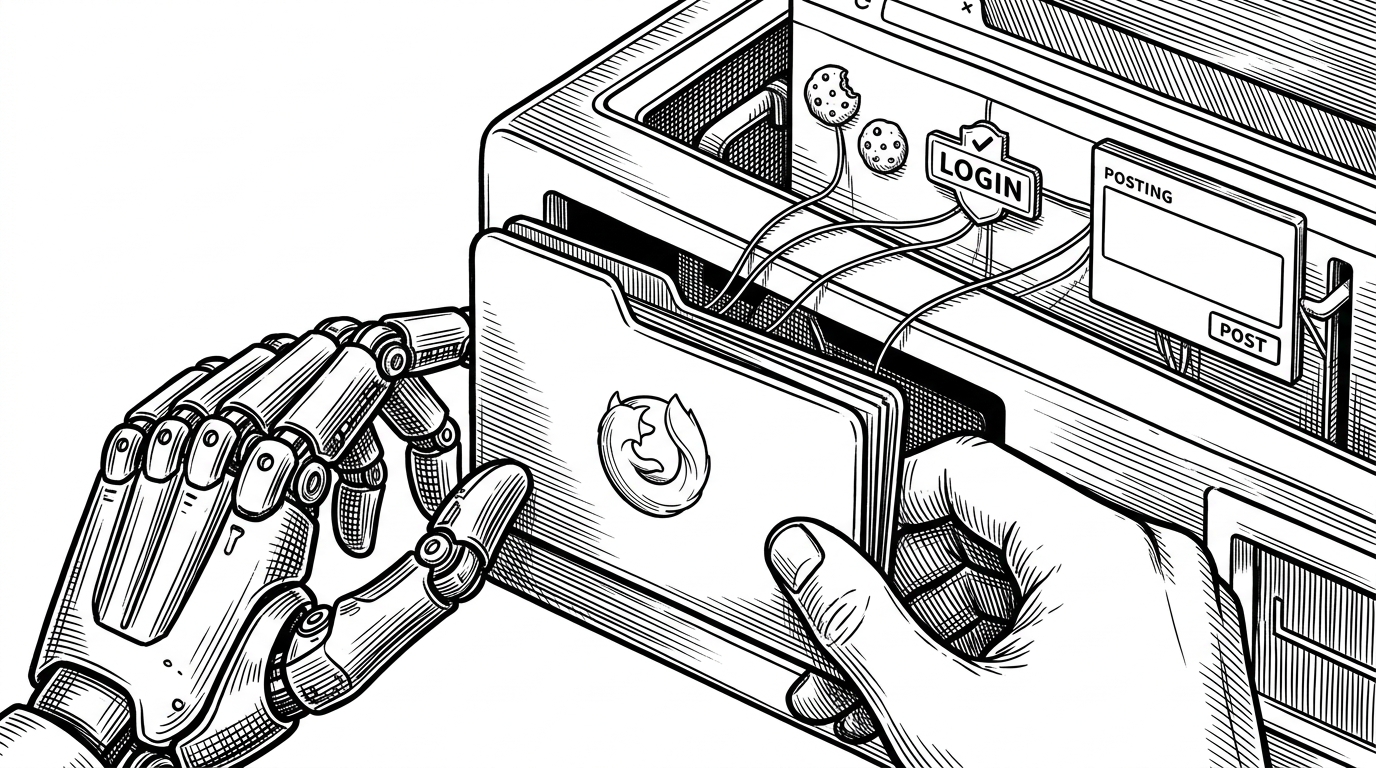
MoneyPrinterV2 does not begin with a prompt. It begins with a browser profile. The repo points Selenium at a real Firefox profile, which means the bot inherits existing cookies, session state, and a human-shaped browsing fingerprint instead of arriving as a blank automation client. That is the project’s sharpest move, because it changes the whole frame from posting automation to identity laundering through ordinary browser behavior.
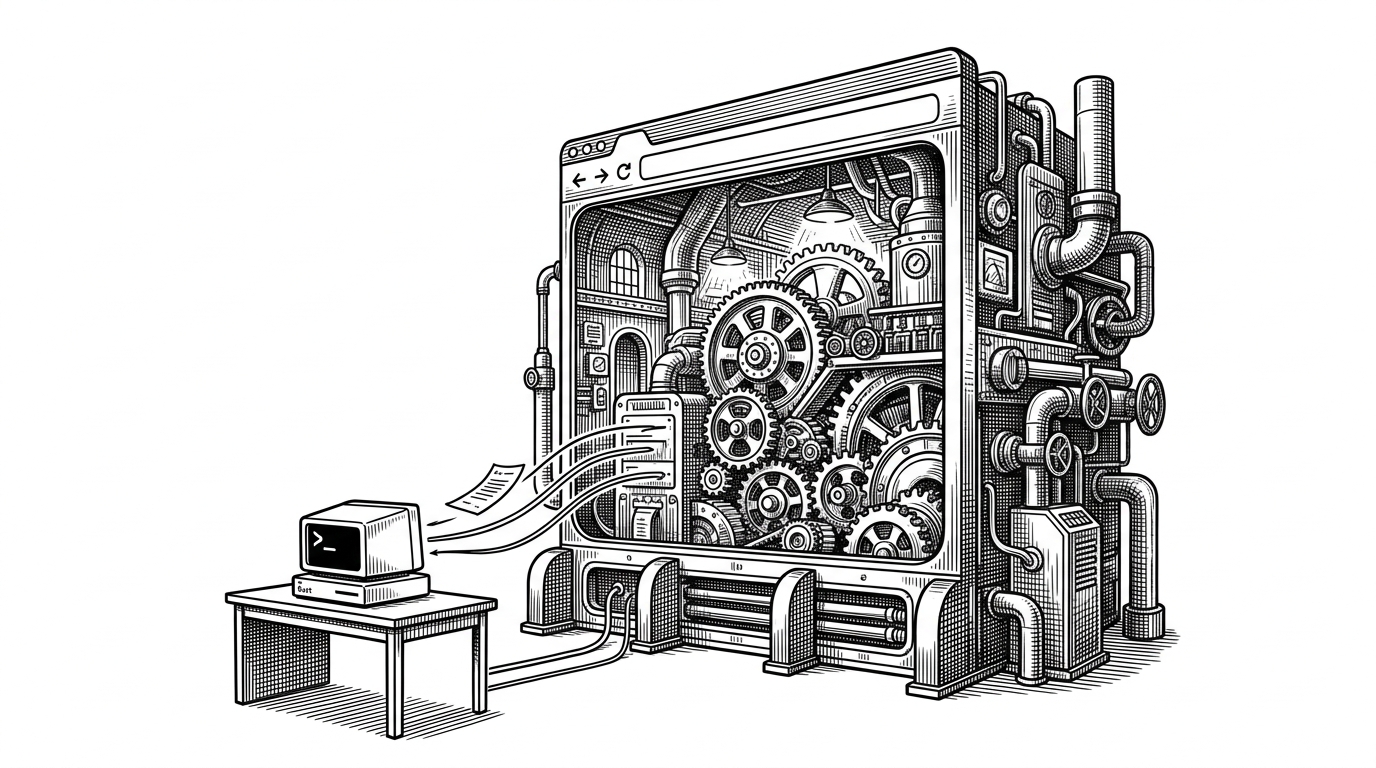
That design choice makes the rest of the repo legible. The browser is not just a window onto platforms. It is the trust anchor, the state store, and the disguise. In practical terms, MoneyPrinterV2 is trying to make machine activity look close enough to normal human browsing that the platforms accept it as business as usual.
A local-first stack that keeps the economics inside the box
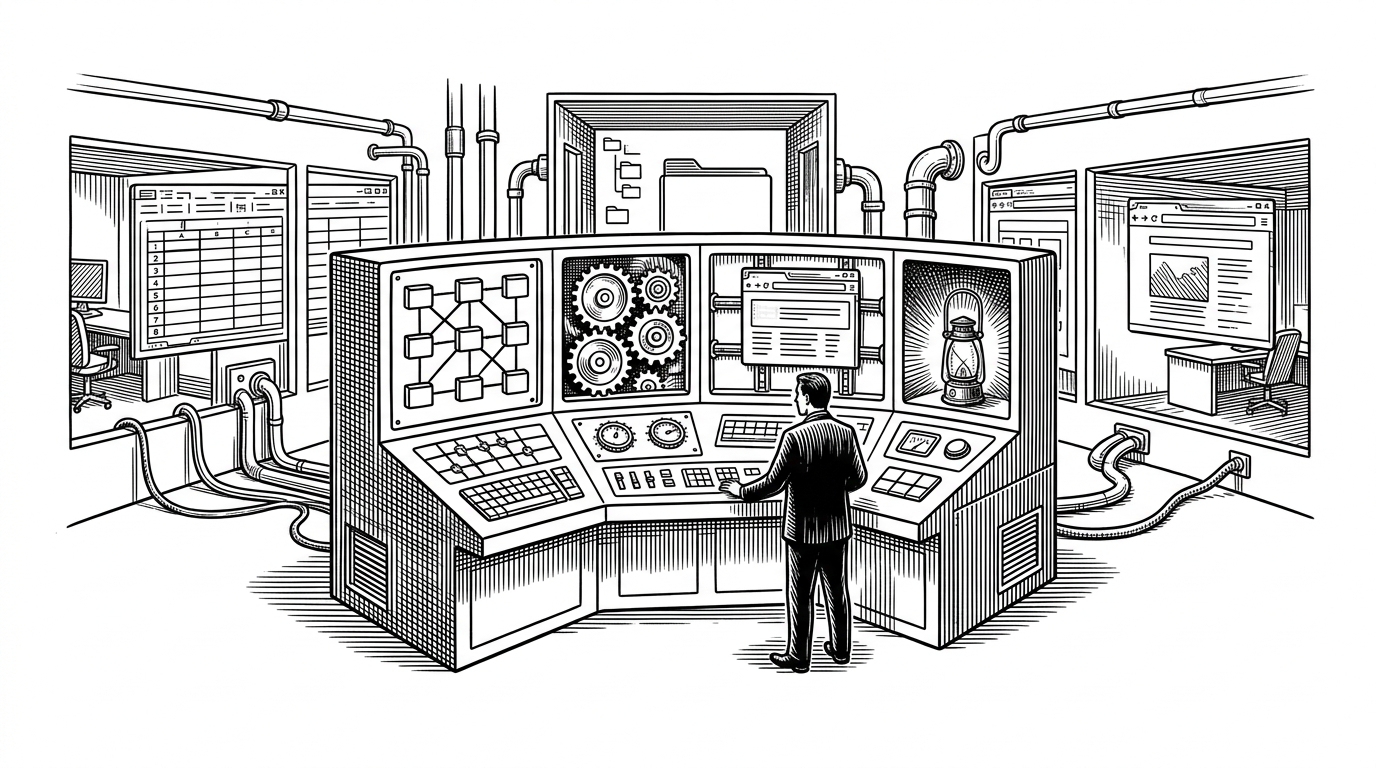
The rest of the stack follows the same sovereignty logic. MoneyPrinterV2 leans on Ollama for text, KittenTTS for voice, MoviePy for assembly, ImageMagick for rendering, and Selenium for the final handoff into the browser. The point is not novelty. It is control. By pushing the expensive and stateful parts of the workflow onto the user’s machine, the repo keeps cost, data, and failure modes close together.
How one workflow becomes many revenue channels
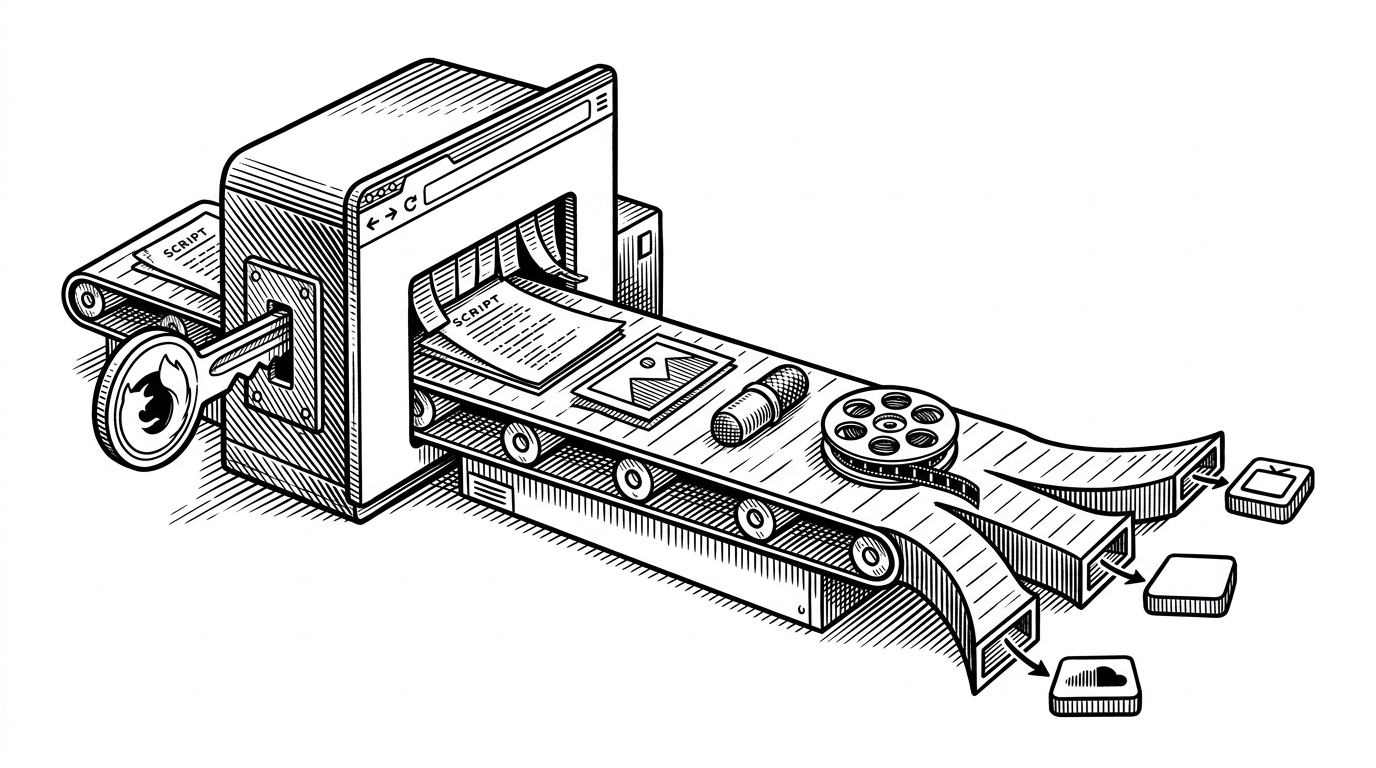
The repo’s most important product decision is reuse. A single topic can become a script, a voiceover, a short-form video, a social post, and an outreach asset. That is why the project feels less like a tool and more like a factory line. It is built to transform one content seed into many monetizable surfaces.
| Approach | Identity model | Cost structure | Fragility | Platform dependence | Best use case |
|---|---|---|---|---|---|
| Official API bots | App credentials and sanctioned calls | Often paid or rate-limited | Lower UI fragility, higher policy dependence | High dependence on platform rules | Stable integrations and compliant automation |
| Browser-profile bots | Human browser session and fingerprint | Lower API spend, more local compute | Higher breakage when UIs change | High dependence on DOM and selectors | Low-cost posting and stateful account behavior |
| Local-first LLM pipelines | Models run on the user’s machine | Predictable, self-owned compute | Depends on local setup quality | Lower vendor lock-in | Cost-sensitive content generation |
| Cloud-first content stacks | Hosted generation and orchestration | Recurring per-token or per-render costs | Lower local maintenance, higher external dependency | High vendor reliance | Teams optimizing for speed over control |
That reuse is visible in the class structure too. Each platform or workflow is isolated as a module, so the same underlying pipeline can serve YouTube Shorts, Twitter/X posting, affiliate promotion, and B2B outreach. The system does not care much what the output is, as long as the upstream assets can be repackaged cleanly.
Why the repo feels like a framework, not a script
The codebase reads like a rewrite with a framework mindset. `src/classes/` holds the platform logic, `src/llm_provider.py` standardizes model access, `src/config.py` centralizes local settings, and the hidden `.mp` folder keeps persistent state out of sight but close at hand. That structure matters because it lets the repo run in two distinct modes: interactive through `main.py`, and unattended through `cron.py`.
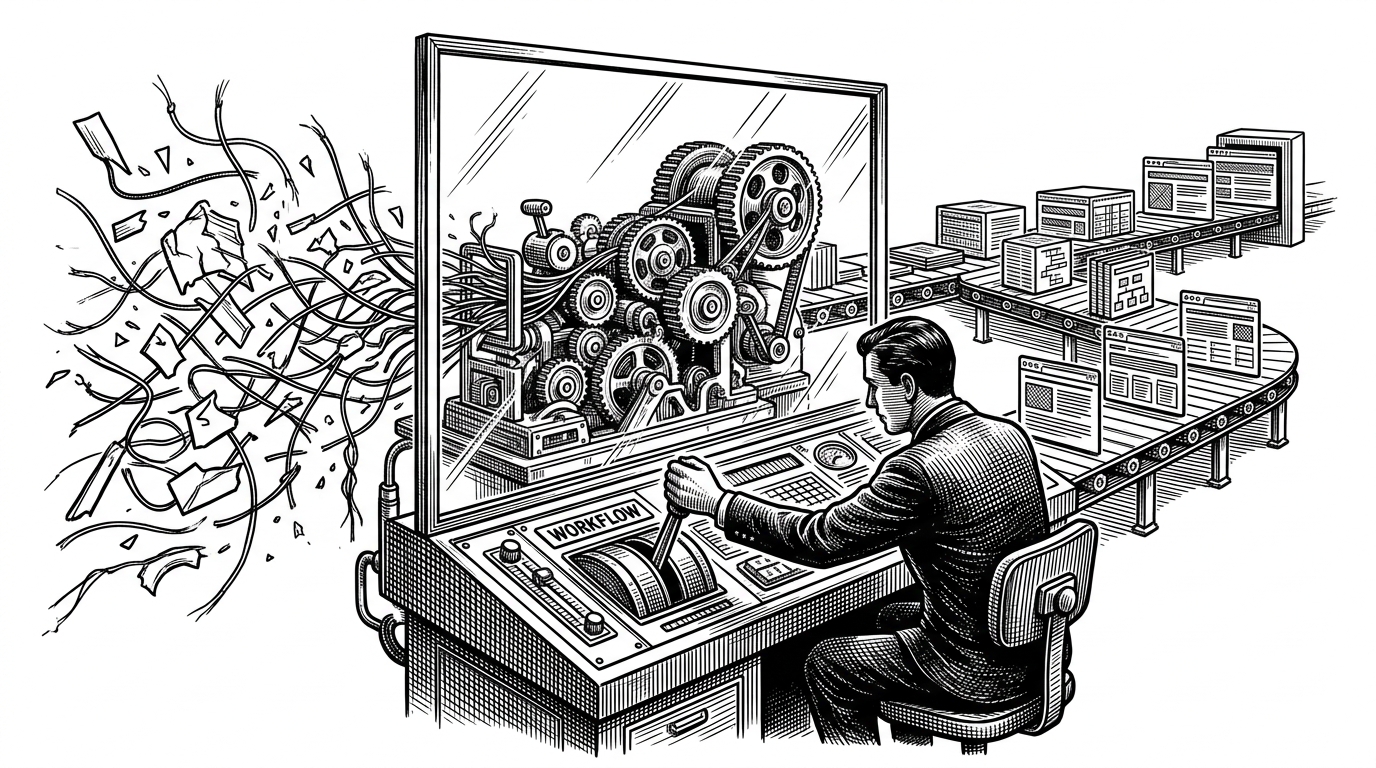
That split between interactive control and scheduled execution is the real operational boundary. `main.py` is for choosing accounts, models, and workflows. `cron.py` is for letting the thing run on its own. Once you see that separation, the repo looks less like a maker demo and more like a production system for repeated output.
The brittle brilliance of browser automation
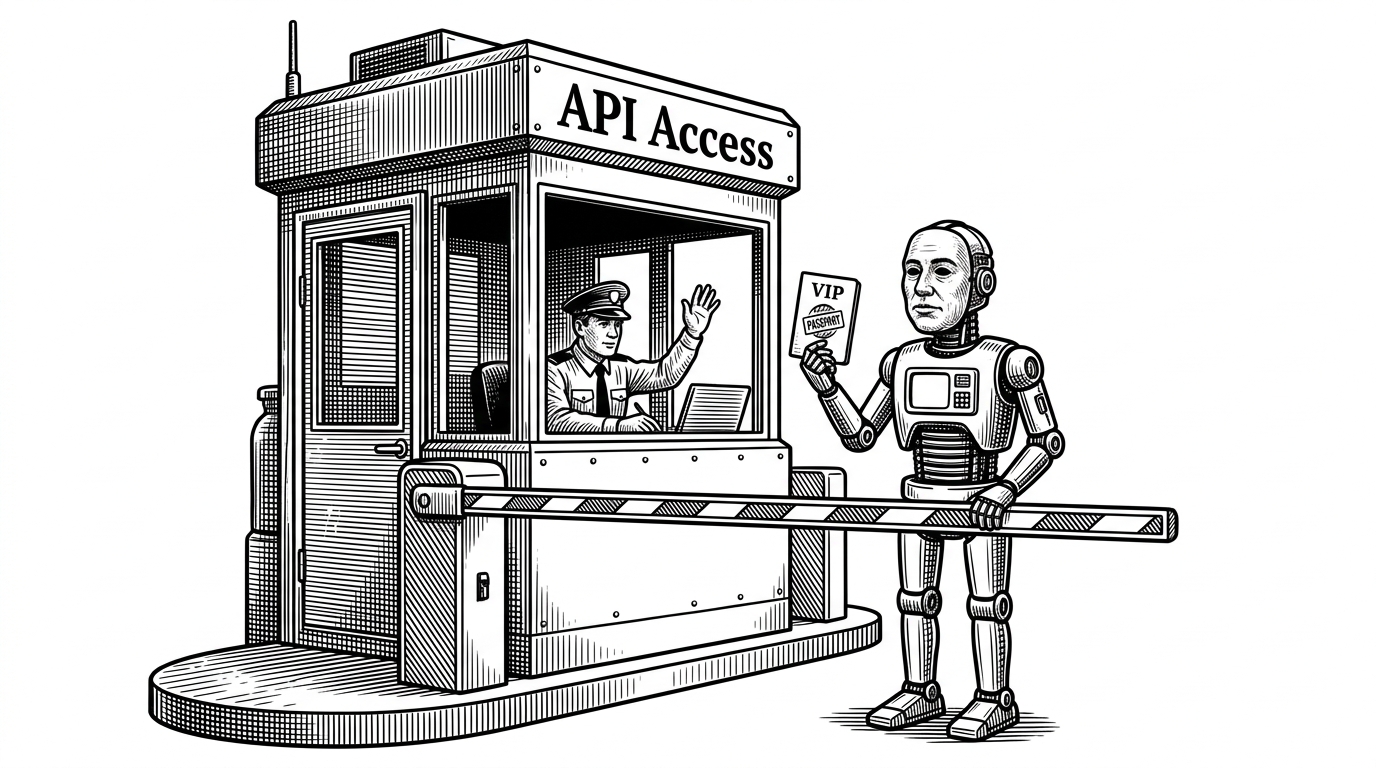
MoneyPrinterV2’s browser-native approach is clever precisely because it sidesteps some of the cost and friction of official APIs. But it pays for that shortcut in fragility. UI changes can break selectors, layout shifts can disrupt flows, and every platform update becomes a maintenance event. The repo is honest about that trade-off in its architecture, even if the marketing energy around it is more optimistic.
| Dimension | API-first automation | Browser-profile automation |
|---|---|---|
| Login and identity | Managed through app credentials | Inherited from a real browser session |
| Platform tolerance | Usually more stable until rules change | Usually more fragile when UI changes |
| Operational cost | Can be expensive at scale | Cheaper in API spend, heavier in maintenance |
| Detection surface | Policy and permission boundaries | Behavior and fingerprint boundaries |
| Best fit | Compliant integration | Low-cost, high-control posting workflows |
That is why the project’s weirdest feature is also its most revealing one. It is not trying to be a clean SaaS integration. It is trying to behave like a person using a browser just long enough to get work done.
The license says open source. The use case says profit machine.
The final tension is philosophical. MoneyPrinterV2 is openly built to produce monetizable output, yet it sits under an AGPL-style open-source posture that resists easy private capture. That is a strange and fitting contrast: a machine for turning attention into revenue, wrapped in a license that insists the machine itself stay shareable.
That tension is the reason the repo is interesting. It is not just a pile of automation glue. It is a model for how one browser identity, one local stack, and one modular pipeline can be turned into many outputs without ever leaving the user’s machine.