Aether: The P2P Terminal That Makes the Server Disappear
A deep dive into how a 6-digit code, WebRTC DataChannels, and a sanitized PTY turn a shell session into a private, low-latency browser stream.
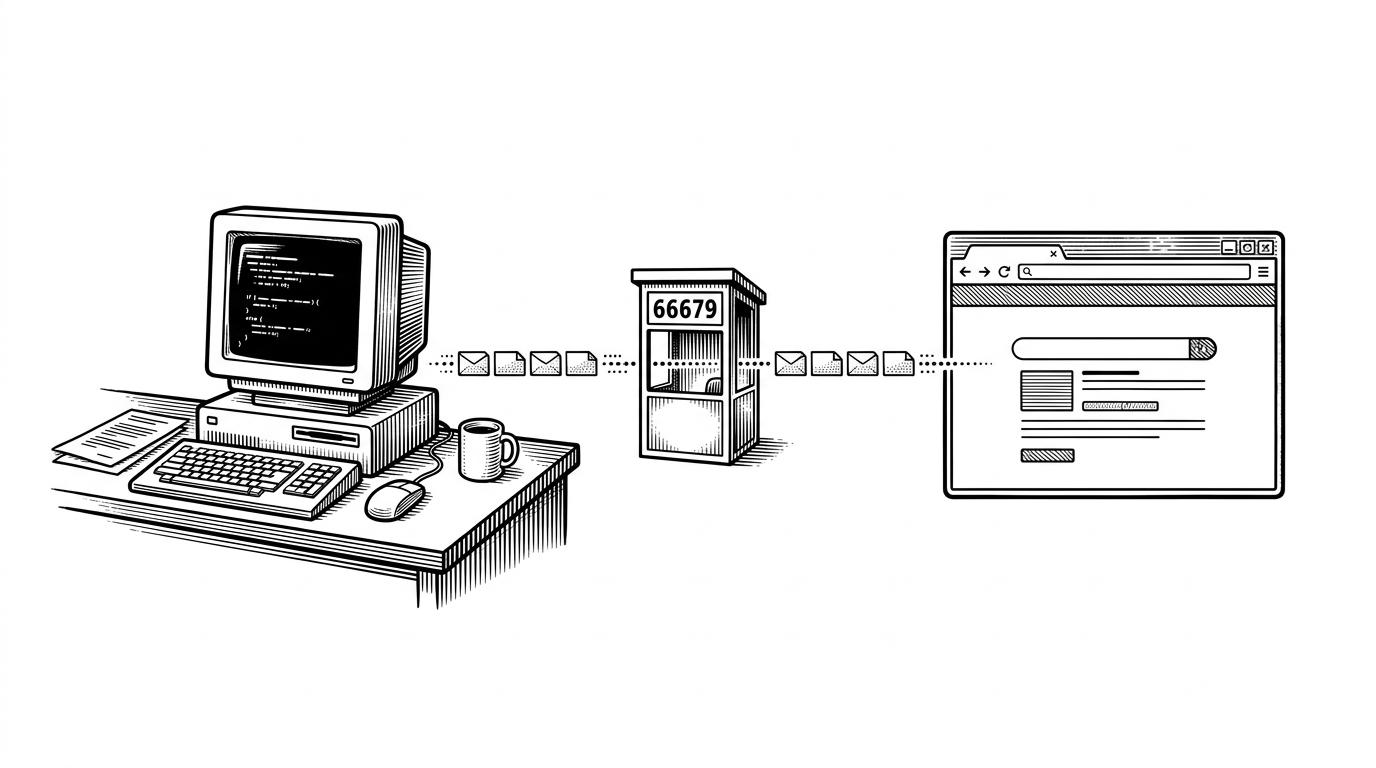
- Aether’s real innovation is architectural: it pushes terminal data over an encrypted peer-to-peer path and leaves the server with only a temporary signaling job.
- The project treats a shell session as an ordered live stream, so terminal correctness depends on transport details like buffering, delivery order, and reconnect behavior.
- Its security posture is practical, not theatrical, because it strips sensitive environment variables before spawning the host PTY.
- Compared with relay-heavy or account-heavy terminal tools, Aether optimizes for directness, privacy, and low setup friction at the same time.
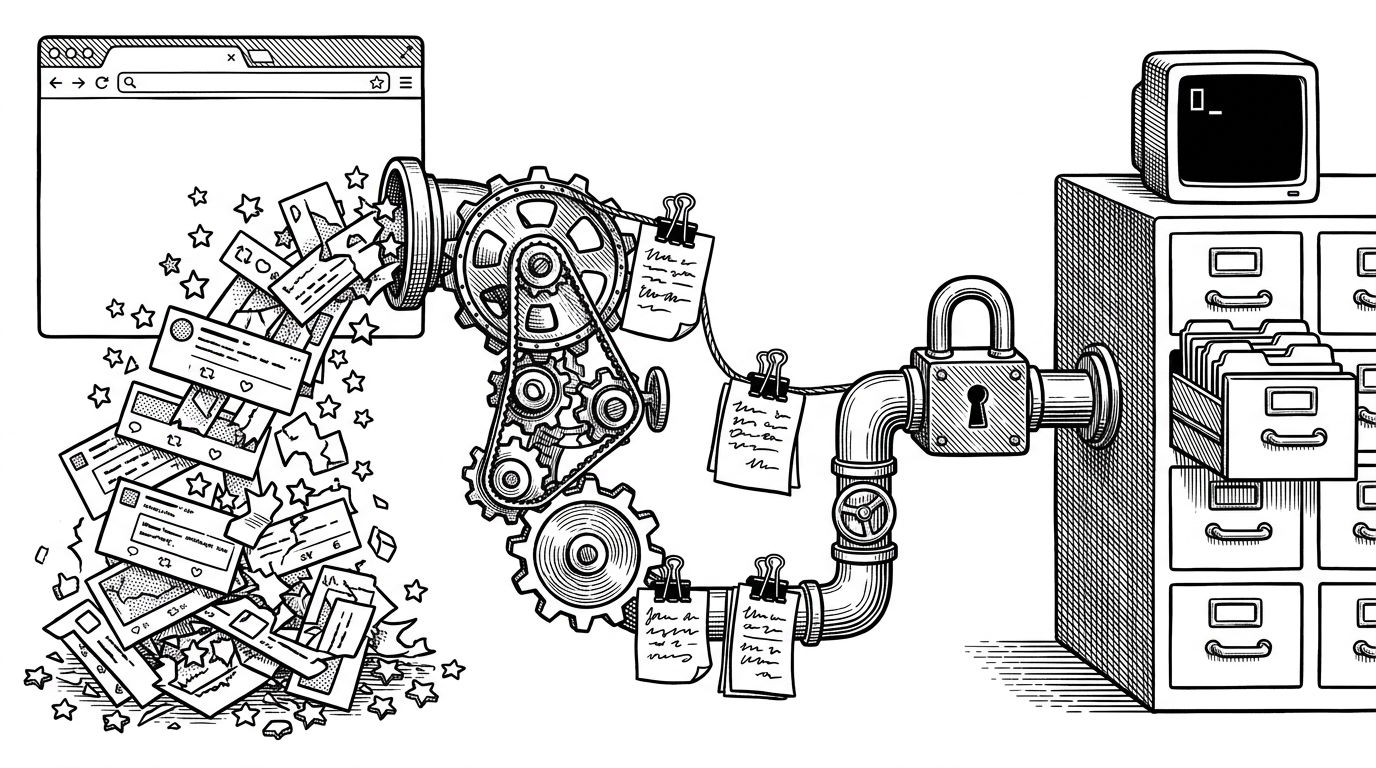
The terminal, without the tunnel. Aether’s pitch is almost offensively simple: open a browser, enter a 6-digit code, and watch a live shell appear. No SSH keys. No port forwarding. No account ceremony. The Aether repository is interesting because it treats that convenience problem as a transport problem, not a UI problem.
Instantly broadcast a live, interactive terminal session across any network using a simple 6-digit code.
That framing changes the whole product. The browser is not remote-desktop window dressing. The host machine is the real computer, and the server is only the short-lived broker that helps two peers discover each other.
Why the server gets out of the way
| Tool | Transport model | Server role | Auth friction | Latency path | Privacy posture |
|---|---|---|---|---|---|
| Aether | Direct WebRTC DataChannel | Temporary signaling only | Low | Browser to host peer link | Strong, because terminal data bypasses the server |
| tmate | Relay-based session sharing | Persistent session broker | Low to medium | Through relay infrastructure | Good for convenience, weaker on directness |
| teleconsole | Tunnel plus relay style sharing | Acts as a middleman | Low | More hops in the path | Depends on the relay model |
| SSH tunneling | TCP tunnel over SSH | No sharing server, but manual setup | Higher | Direct, but manually configured | Strong when configured well, but operationally heavier |
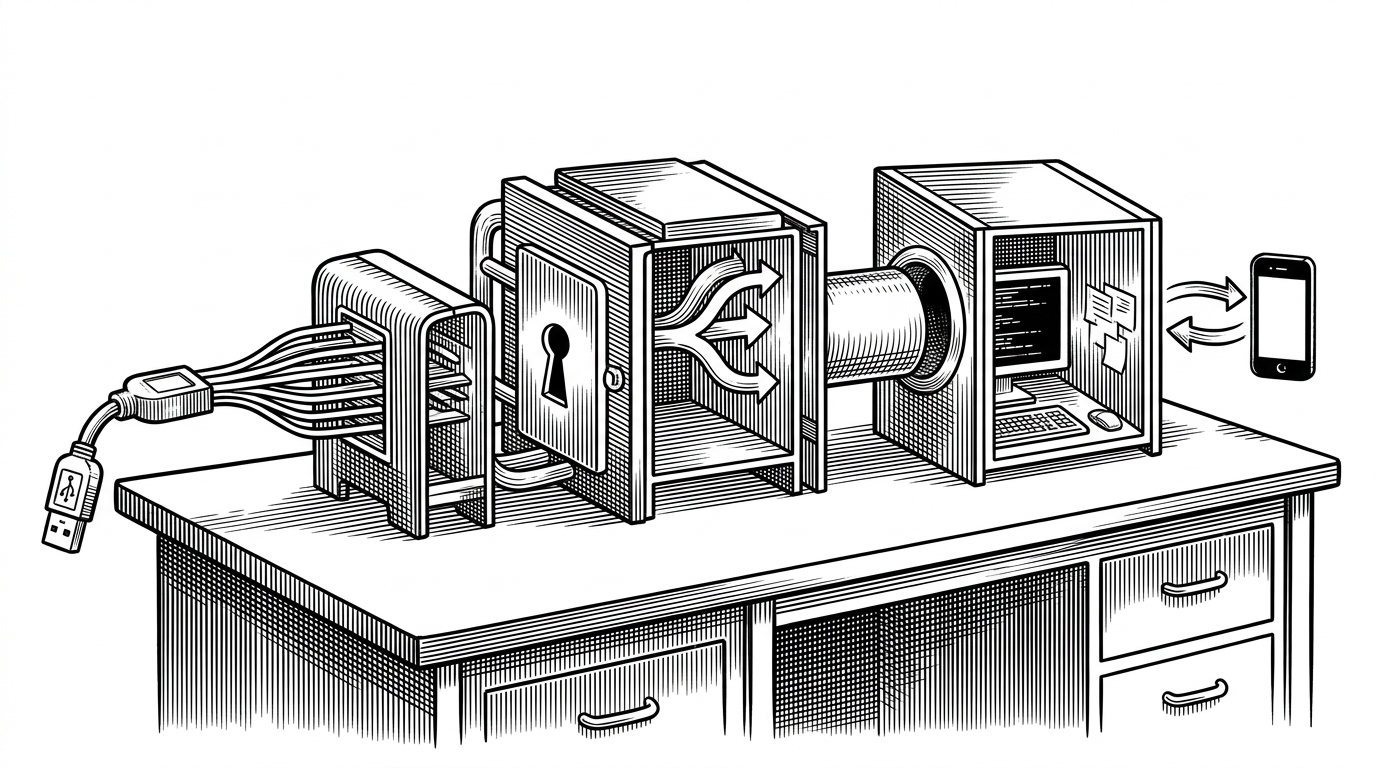
Aether’s design is cleaner than a typical remote-terminal setup because it refuses to make the signaling layer do real transport work. The server maps a room code to two sockets, relays the handshake, and then gets out of the way. That matters because every extra hop is another place for latency, failure, and trust to accumulate.
Designed for immediate collaboration, Aether entirely eliminates the need for user accounts, SSH key management, or complex firewall configurations.
How one keystroke moves through Aether
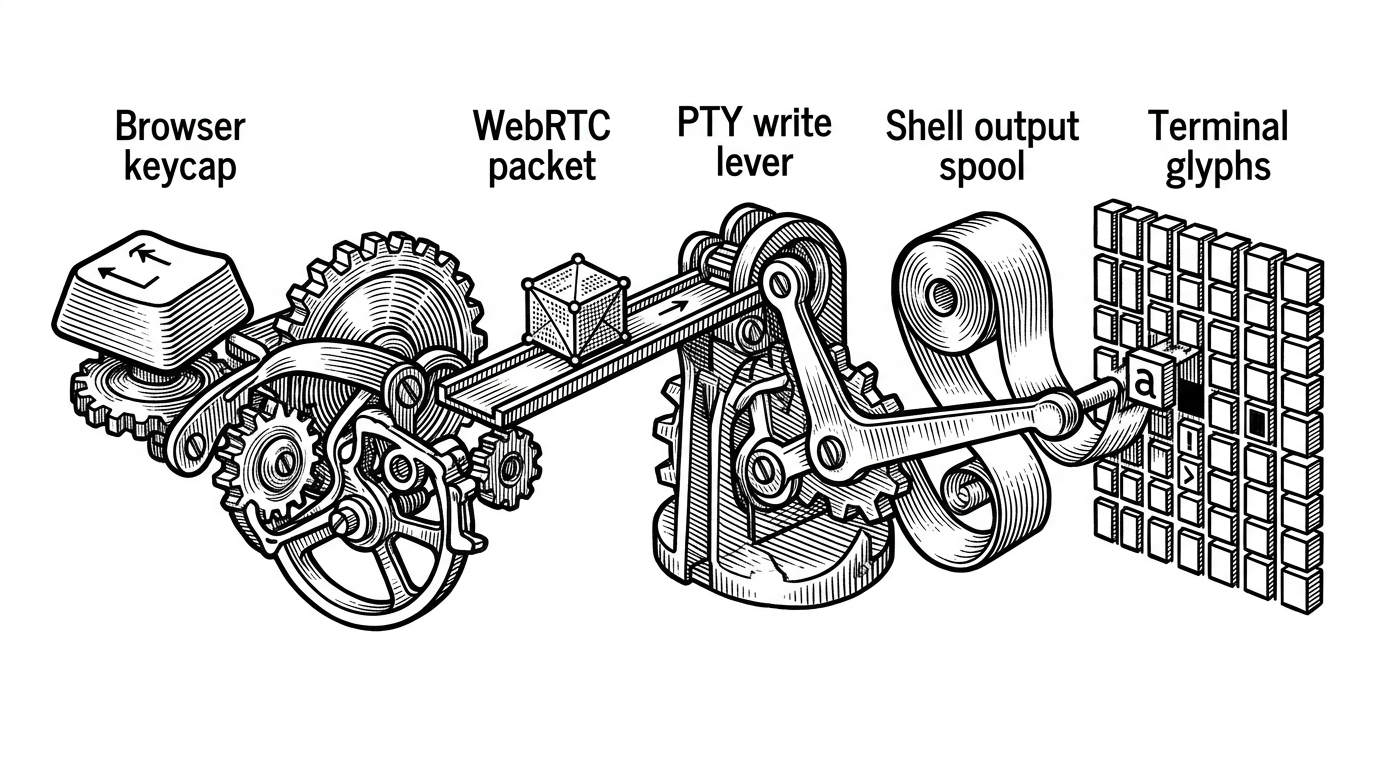
The mental model is straightforward once you strip away the acronyms. The viewer browser sends input over an encrypted WebRTC DataChannel. The host agent receives that input, writes it into a real pseudo-terminal via node-pty, and the shell emits bytes back the same way.
// Conceptual flow inside the host agent
viewerInput -> DataChannel -> agent -> ptyProcess.write(input)
ptyOutput -> agent -> DataChannel -> viewerRenderer

// Resize messages travel the same channel
if (message.type === 'resize') {
  ptyProcess.resize(message.cols, message.rows)
}
That is why Aether feels more like a transport layer than a collaboration app. It is not replaying video of a terminal. It is carrying the terminal’s actual byte stream, including ANSI escape sequences, cursor movement, and resize events.
The details that keep the stream coherent
The project gets the hard parts right. The WebRTC channel is ordered, which is essential because terminal output is stateful. If escape sequences arrive out of order, the display breaks in ways users will feel instantly, even if they cannot name the bug.
The agent also buffers terminal output before a viewer connects. That small choice prevents the blank-screen problem common in naive live-stream tools. When the viewer joins, Aether can send the current terminal state instead of forcing the host to retype context.
The handshake path shows similar care. Trickle ICE candidates are buffered until the peer connection is ready, which avoids the connection races that make P2P demos feel flaky. It is the difference between a clever prototype and a tool that can survive real networks.
Security is not an afterthought here
The best clue to the project’s maturity is not the WebRTC code. It is the environment sanitization around the PTY. A spawned shell inherits process environment variables by default, which can leak API keys, tokens, and private config into a shared session if nobody intervenes.
// Security concept from the host PTY layer
const cleanEnv = sanitizeEnv(process.env)
const shell = pty.spawn(command, args, {
  env: cleanEnv,
  cols,
  rows,
})
That is a real-world safeguard, not a demo flourish. It acknowledges that collaboration tools fail in the boring places first, especially when the host environment contains secrets the viewer should never see.
Where Aether fits against older remote-terminal tools
| Product | Best at | Main tradeoff | Why Aether is different |
|---|---|---|---|
| tmate | Fast shared shell access | Depends on relay-style infrastructure | Aether keeps terminal bytes off the server path |
| teleconsole | Easy sharing with minimal setup | More intermediary dependence | Aether uses the browser as a direct viewer, not a relay endpoint |
| SSH tunneling | Strong control for experienced users | Setup burden and firewall friction | Aether replaces manual networking with a code-based handshake |
The real comparison is not feature parity. It is philosophy. Relay-heavy tools optimize for reach. SSH tunneling optimizes for control. Aether tries to optimize for both directness and simplicity by collapsing the middle layer into a temporary handshake service.
That makes it feel narrower than a full remote-access suite, but sharper as a product. It is built for one job, and the architecture follows that job with unusual discipline.
The maturity signal
This is a small codebase, but it does not read like a toy. The TypeScript monorepo is split cleanly across agent, server, and web client. The responsibilities are explicit: spawn the shell, broker the handshake, render the terminal. Nothing is over-abstracted.
That restraint is the best argument for the project. Aether is still early, but its choices are coherent. It understands that trust, latency, and setup friction are the product, not side effects.