pymobiledevice3: The Python Stack That Rebuilt iPhone Access After Apple Closed the Door
A pure-Python protocol layer for USB pairing, Lockdown, DTX, and RemoteXPC that lets Linux, Windows, and macOS users keep talking to modern iPhones.
- Apple kept moving the device-access target, and pymobiledevice3 kept rebuilding the bridge in Python.
- The project is not just a wrapper, it is a layered protocol stack that reaches from USB multiplexing to RemoteXPC tunnels.
- Its real advantage is portability plus breadth, which makes low-level iPhone tooling usable outside macOS and outside C-centric workflows.
- Concurrency support turned a broad feature set into a stack that can stay coherent under real multi-tool use.
Apple did not just add friction. It changed the shape of the problem. By the time iOS 17 pushed developer access toward RemoteXPC and CoreDevice tunnels, the old mental model of "plug in cable, talk to phone" was gone.
pymobiledevice3 exists because that break mattered. It keeps third-party iOS tooling alive with a pure-Python implementation that runs on Windows, Linux, and macOS, without asking every team to ship a C toolchain or stay on one platform.
The day the cable stopped being simple
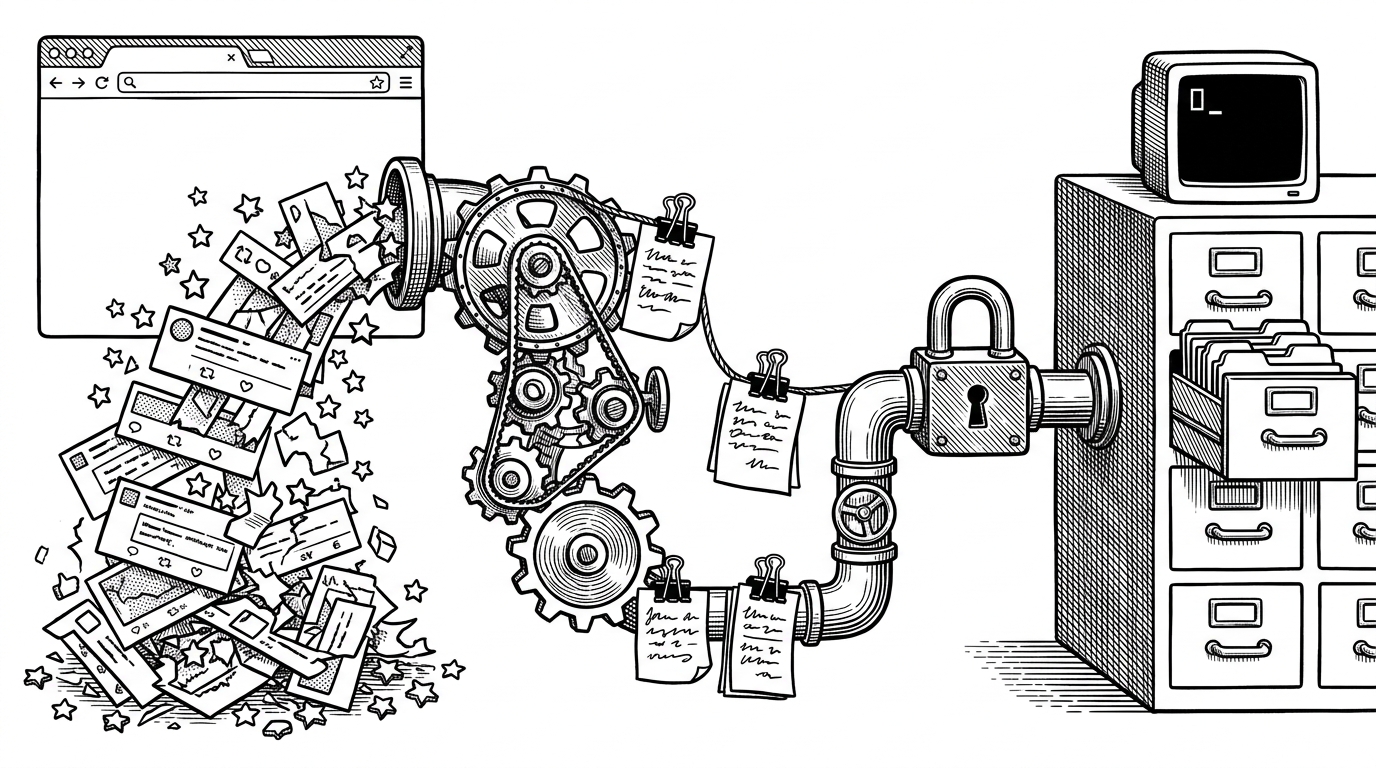
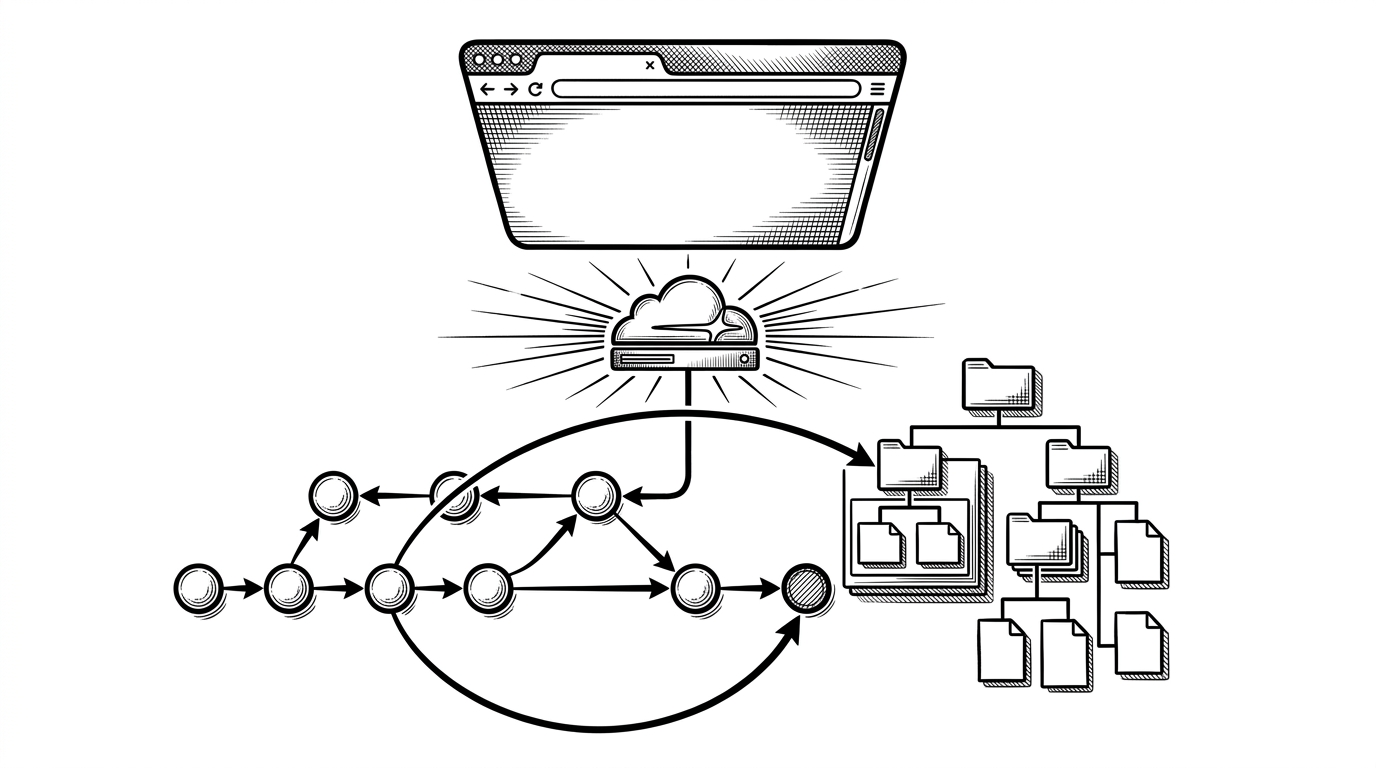
The interesting part is not that iPhone access got harder. It is that it got layered. A device session now passes through USB multiplexing, pairing, lockdown, service negotiation, and then either older RPC-style services or the newer tunneled path for developer workflows.
That matters for more than convenience. Security researchers, automation engineers, forensic workflows, and test infrastructure all depend on repeatable device control. When Apple shifts a protocol boundary, the people who feel it first are usually the ones building tooling on top.
It would seem that https://github.com/doronz88/pymobiledevice3/ would solve a lot of our iOS related problems. It already bundles `usbmuxd` and `lockdownd` for us in a PyPI package, which is amazing and would make #71 unnecessary, since we already have a way to manage python dependencies in our projects.
What pymobiledevice3 actually is
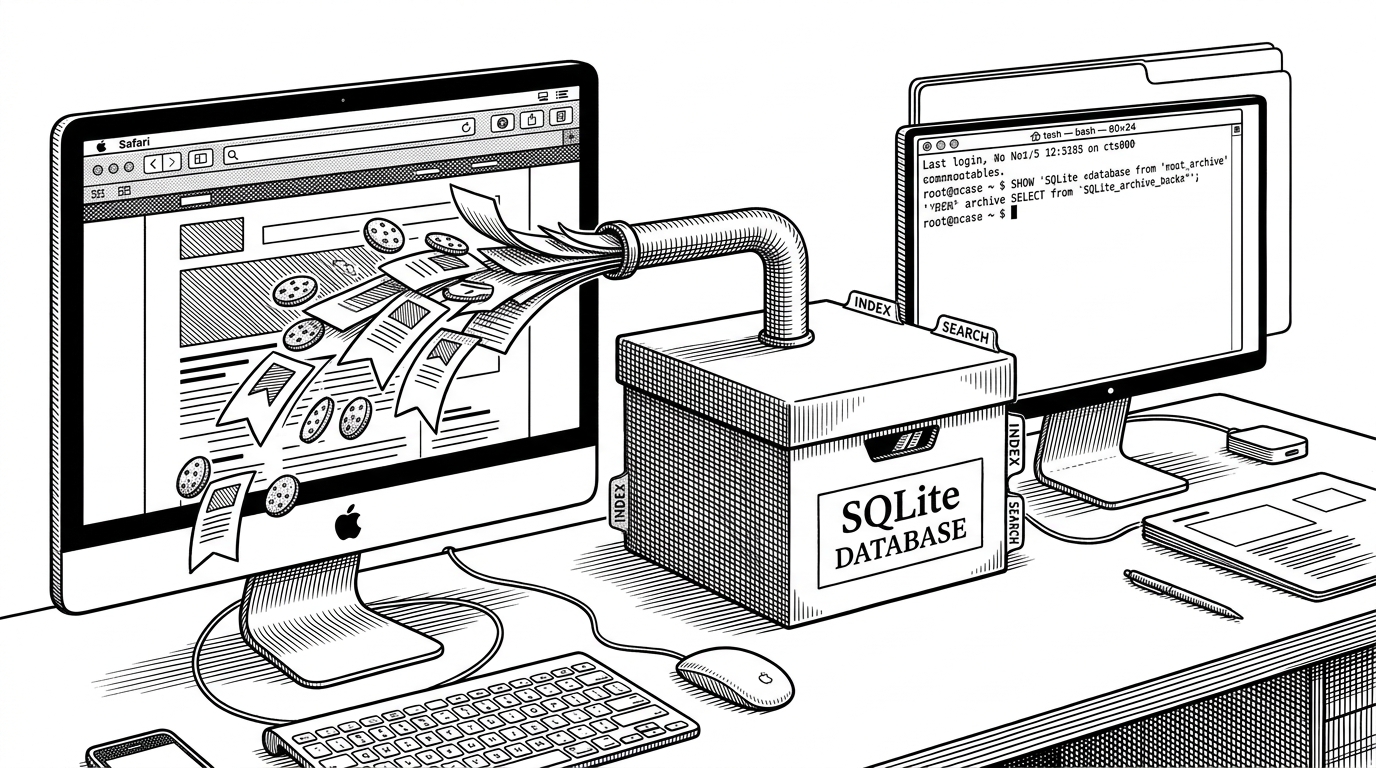
At a high level, the project is a Python library plus CLI for Apple mobile device protocols. In practice, that means discovery, pairing, file access, app management, syslog, diagnostics, backup and restore, developer services, and modern tunneling for newer iOS releases.
The codebase reflects that breadth. The CLI is organized as a large Typer command tree. The protocol work lives in separate layers for USB multiplexing, lockdown, service connections, DTX, remote transport, and restore flows. This is not a thin shell around one binary. It is a protocol stack with a user interface.
pymobiledevice3 syslog
pymobiledevice3 afc ls /
pymobiledevice3 developer start-tunnel
pymobiledevice3 apps list
The stack, from USB to RemoteXPC
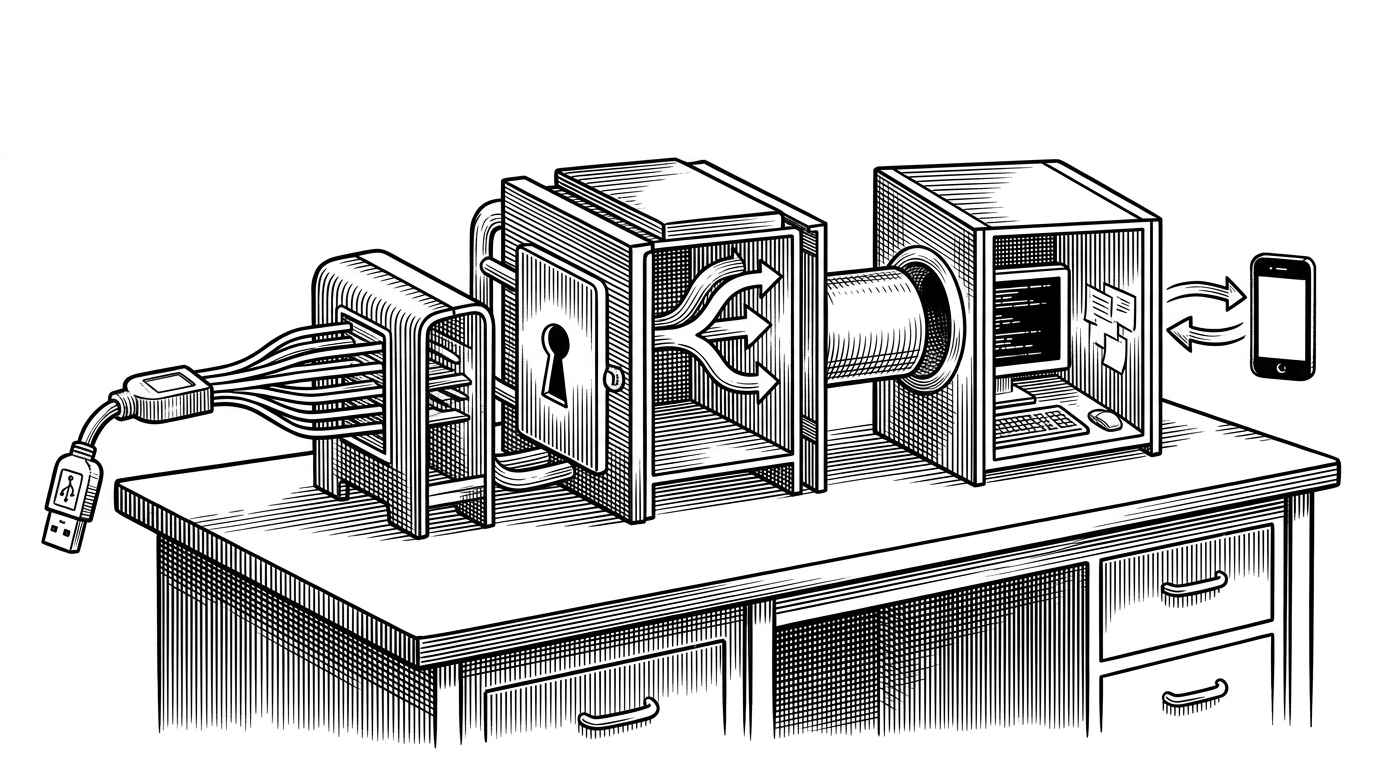
The lowest layer is usbmux. It multiplexes multiple logical connections over a single USB path and hides whether the device is local or network-connected. That abstraction matters because every higher-level service assumes it can open a reliable channel without caring how the channel was created.
Above that sits Lockdown. This is the gatekeeper that handles pairing, trust, session setup, and service startup. Once a client clears that gate, it can negotiate with device services using plist messages and structured responses rather than raw device plumbing.
From there, older developer services often ride on DTX. Newer iOS versions shift the shape of the last mile. Instead of the old path, developer access can require a trusted tunnel and RemoteXPC/CoreDevice, which is why the stack has to branch.
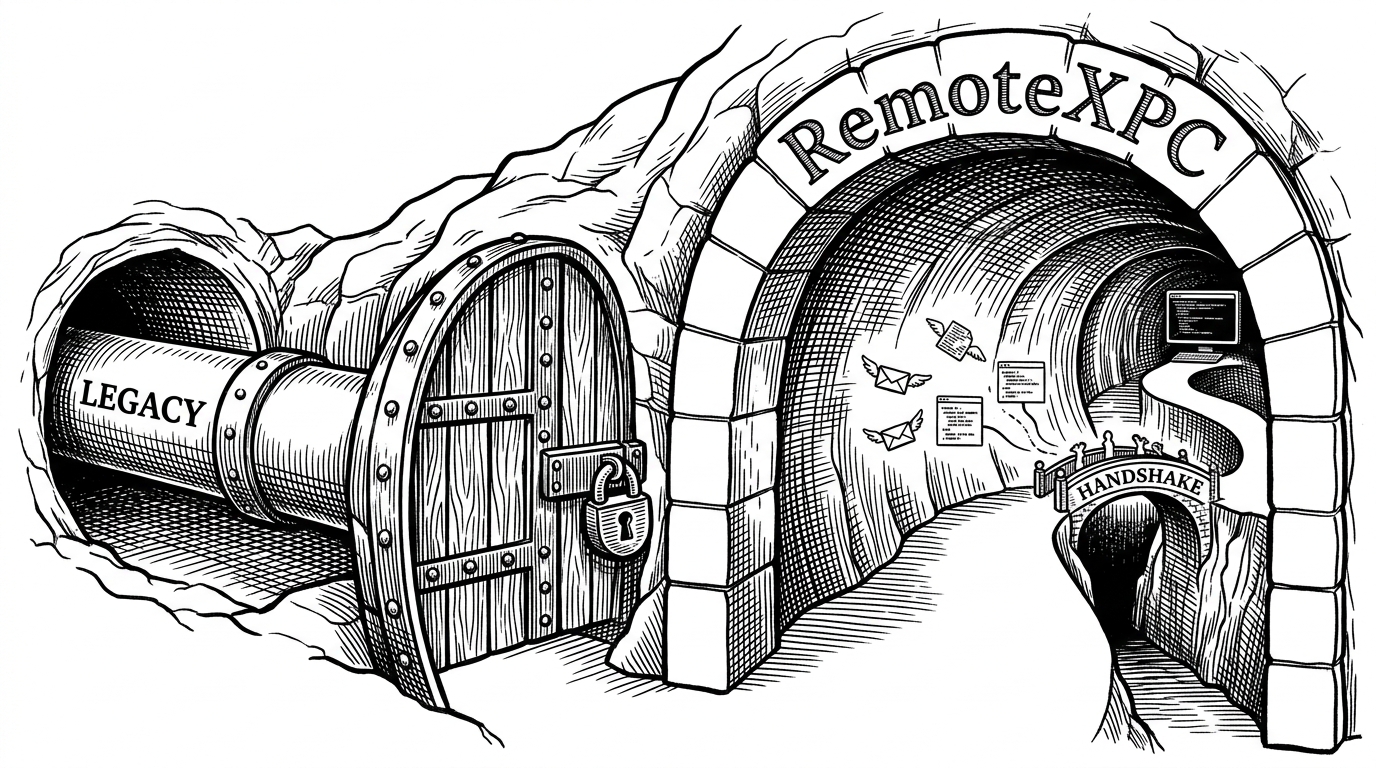
That branching is the article’s core technical point. The project is not merely adding support for a new API. It is preserving the idea of a usable session while Apple keeps changing the transport underneath it.
Why pure Python is the real differentiator
Pure Python is not just a packaging preference. It lowers install friction, avoids compiled extension headaches, and makes the library easier to embed inside other Python-based systems. For teams that need to ship tooling across environments, that difference is practical, not aesthetic.
| Dimension | pymobiledevice3 | libimobiledevice | go-ios |
|---|---|---|---|
| Language and dependency model | Pure Python with packages like construct, cryptography, zeroconf, and typer | C-based library and tools | Go-based implementation |
| Primary use case | Python-native iOS automation, diagnostics, and developer tooling | Longstanding low-level iOS device access | Cross-platform iOS tooling with a different language stack |
| Platform coverage | Windows, Linux, macOS | Broad, but often tied to native build and runtime expectations | Broad, but distribution trade-offs vary by platform |
| iOS 17+ posture | Built around RemoteXPC and trusted tunnel workflows | Historically strong baseline, but newer changes require additional adaptation | Feature support differs by workflow and release |
| Strengths | Easy to install, broad feature surface, Python integration | Mature ecosystem and long track record | Modern language, useful tooling, strong ecosystem fit for Go users |
| Trade-offs | Python runtime and protocol complexity still apply | More dependency friction for Python-first teams | Different packaging and feature gaps for some workflows |
The clearest comparison is not ideological. It is operational. If your stack is already Python, then a Python-native bridge to iPhones is easier to adopt, easier to automate, and easier to keep inside the same deployment story.
ServiceConnection is a wrapper around an opened socket, some services ( LockdownClient, AFC, ... ) are usable concurrently from different callers as long as they enforce sequential reading and writing of the exchanged messages.
Concurrency made the stack usable at scale
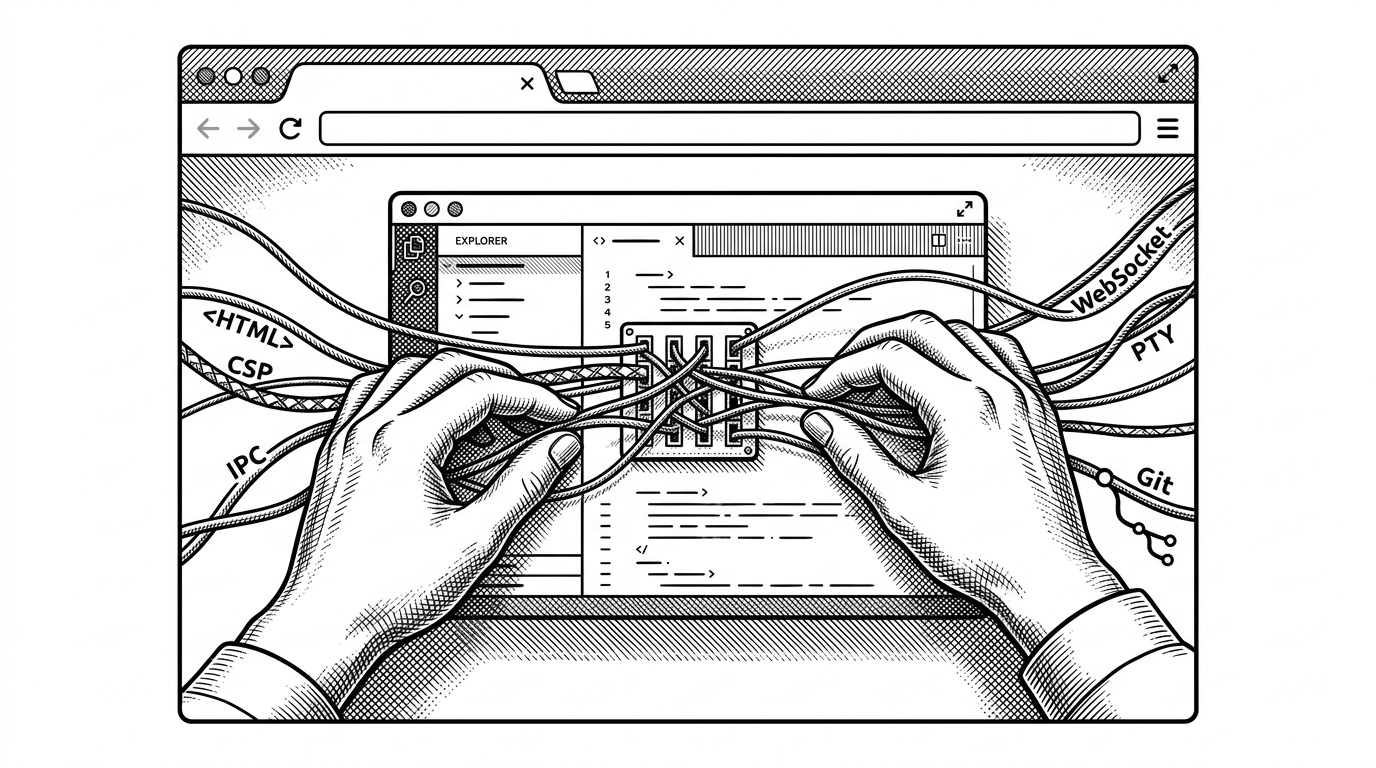
One of the more telling improvements is concurrency. The project added a background reader task and futures so multiple callers can use services like LockdownClient and AFC without stepping on each other. That sounds small until you imagine real tooling that polls status, pulls files, and triggers service calls at the same time.
This is where the architecture stops being clever and starts being durable. A protocol stack that cannot survive concurrent requests is fine for demos. A stack that can route responses to the right waiter is fit for automation.
Where it sits in the ecosystem
This project is not trying to erase the ecosystem. It is occupying a specific gap. libimobiledevice is the classic baseline. go-ios is a useful modern alternative. But pymobiledevice3 is unusually compelling for teams that want Python-native integration, broad protocol coverage, and current compatibility without a build-heavy setup.
That combination explains why other projects have started evaluating it as an upstream dependency rather than a niche utility. When a repo becomes the easiest way to solve several iOS tooling problems at once, it stops being just another implementation.
The project’s shape tells you its future
The maintainer footprint matters here. The project is driven by a small core, but it keeps absorbing protocol changes, new iOS behavior, and practical fixes fast enough to remain useful. That kind of stewardship is what you need when the upstream platform is moving every year.
In that sense, pymobiledevice3 is less a point solution than an adaptation layer. It tracks Apple’s moving target and gives tool builders a stable enough surface to keep working.