communities-oss: The X Communities Clone That Treats Spam Like a First-Class Feature
A full-stack Next.js replica of X Communities, but the most interesting part is not the feed. It is the defense stack underneath it: hashing, rate limits, moderation logs, optimistic rollback, and permission checks that make open community creation feel viable.

- communities-oss treats moderation as infrastructure, not cleanup, which is what makes the project interesting as a social system rather than just an X clone.
- Its strongest ideas are defensive and operational: content hashing, invisible Unicode checks, blocked domains, rate limits, and moderation logs all work together before a post ever lands.
- The feed still matters, but the repo gets its shape from data modeling choices that keep timelines fast, cursor-based, and stable under change.
- This is best understood as a narrow but practical answer to a bigger problem: how to make community software open without making it unusable.
The surprising part is the lock, not the door
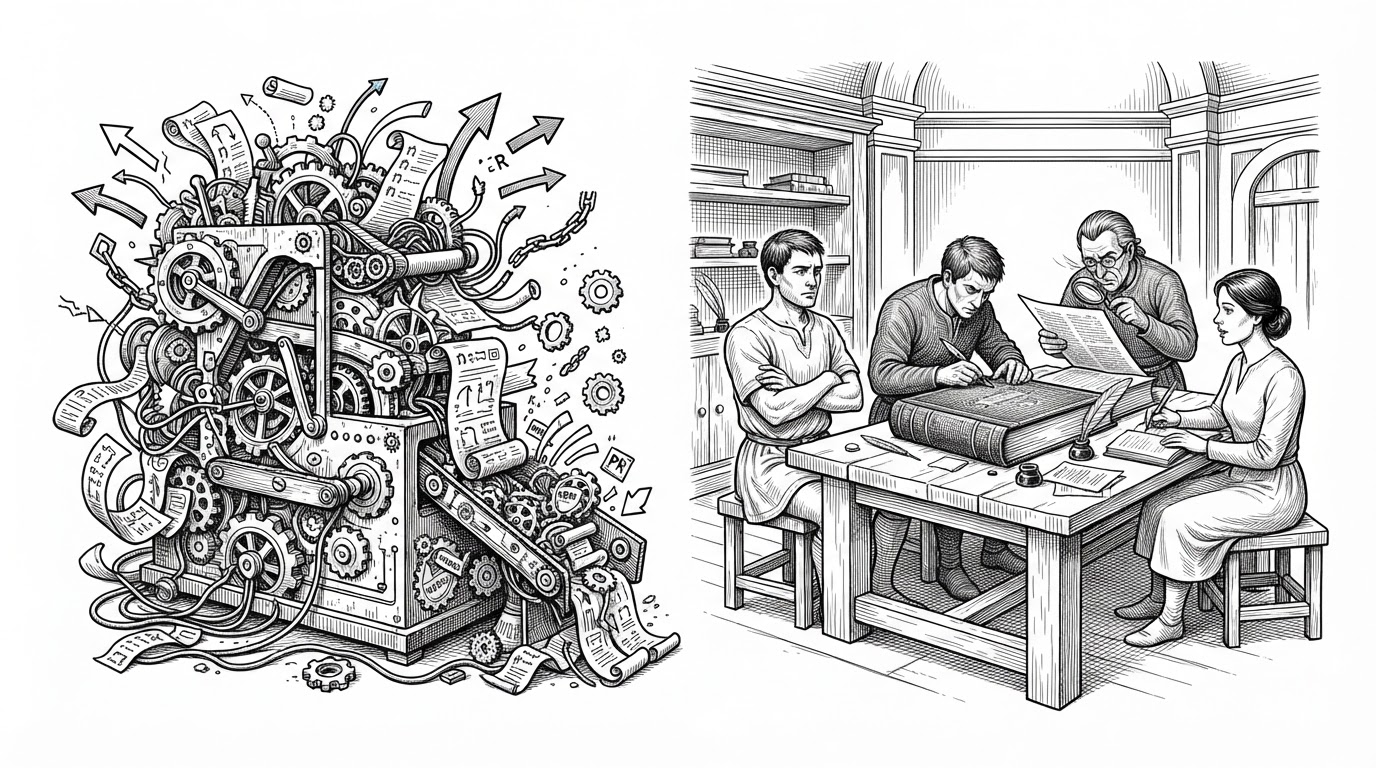
Most social clones start with the feed, the profile card, and the visual polish. communities-oss starts somewhere more honest: it assumes that if community creation is open, spam will arrive immediately. That is why the project feels less like a UI exercise and more like a system design memo for sovereign social.
Communities Open-sourced from memebubbles.io by @rdbotato Demo: memebubbles.io/communities An open-source X Communities replica, built with Next.js 16, Prisma, PostgreSQL, and Zustand.
That framing matters. A lot of open-source social software is built to look familiar. This repo is built to survive the first bad actors, which is a much rarer and more useful ambition.
Why this repo exists at all
The project is a response to X Communities and the constraint model around it. Instead of treating community creation as a privilege controlled by a platform, it turns the feature into something you can self-host, shape, and govern yourself.
That is the real premise: not a prettier clone, but a narrower and more portable social primitive. It is for groups that want the X-style interaction pattern without outsourcing the rules of participation to X.
The anti-spam stack is the real architecture
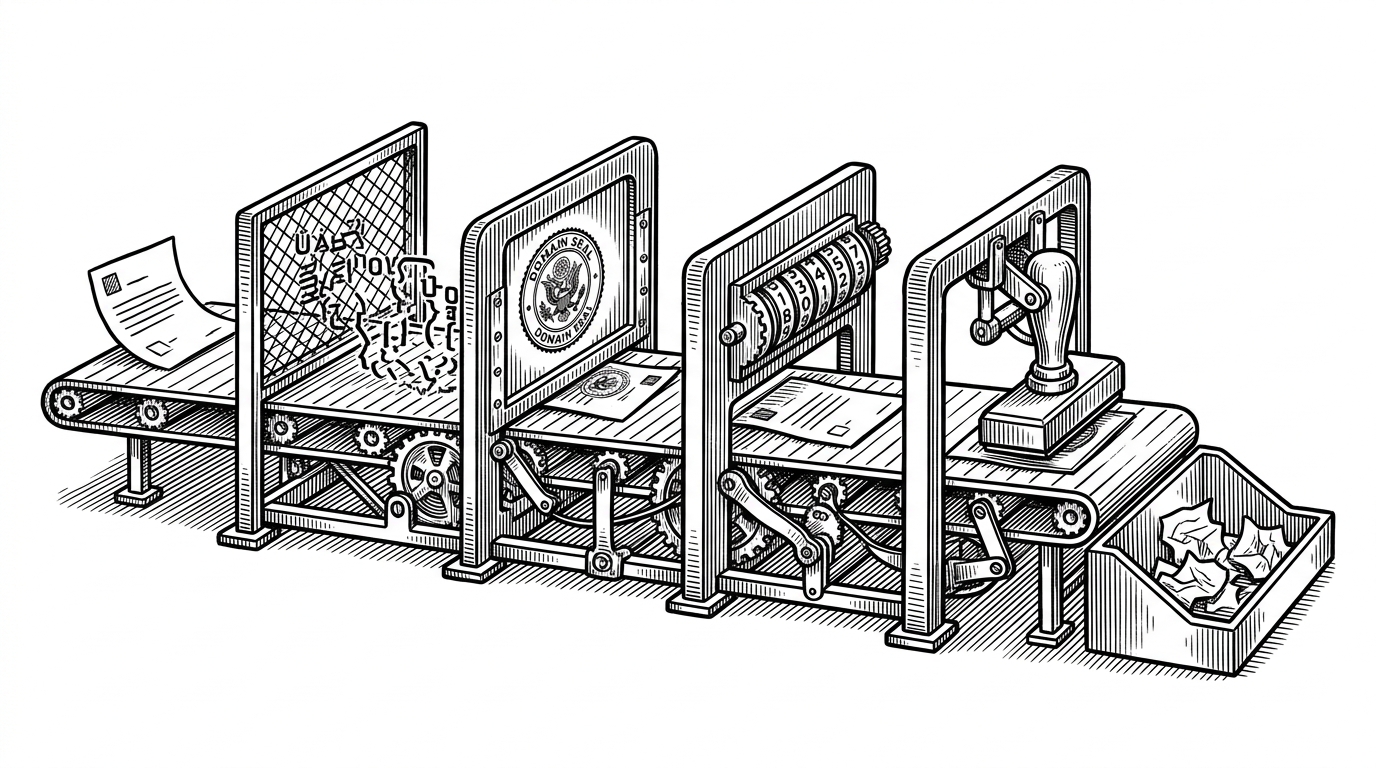
The moderation layer is where the repo stops being generic. According to the codebase, posts are checked against a set of heuristics and safeguards before they are allowed through: content hashing for duplicate suppression, invisible Unicode detection, newline-based formatting checks, blocked domains, and layered rate limits at both the IP and action level.
How the feed stays fast and stable
The feed is not an afterthought. The schema uses denormalized fields such as score and memberCount, plus composite indexes for ranked views, so the app can render timelines without expensive aggregation on every request. That is the quiet difference between a demo and something you can actually keep responsive.
model Post {
  id          String   @id @default(cuid())
  communityId String
  score       Int      @default(0)
  contentHash String?
  createdAt   DateTime @default(now())

  @@index([communityId, score(sort: Desc), createdAt(sort: Desc)])
}

model Community {
  id          String @id @default(cuid())
  memberCount Int    @default(0)

  @@index([memberCount(sort: Desc)])
}
The important part is not the exact field names. It is the shape of the system: rank what you need ahead of time, index for the views you know users will hit, and avoid making the database recompute social reality on every scroll.
The UX trick: social feels instant because rollback exists
The client side store, built with Zustand, gives the app its X-like snap. Votes update optimistically, then roll back if the API call fails. That sounds small, but it is the difference between a community product that feels responsive and one that feels like it is asking permission from the network every time you tap a button.
This is also where the project shows discipline. It does not pretend failures do not happen. It makes the first interaction feel immediate, then keeps enough state around to undo the illusion if the server disagrees.
Permissions are reduced to integers for a reason
The role hierarchy is intentionally simple. Mapping roles to numbers means authorization can be expressed as a fast comparison instead of a long chain of branching logic. Owner outranks admin, admin outranks moderator, and the model stays readable because the code mirrors the hierarchy it is trying to enforce.
const ROLE_LEVEL = {
  member: 1,
  moderator: 2,
  admin: 3,
  owner: 4,
} as const;

function canPerform(userRole: number, requiredRole: number) {
  return userRole >= requiredRole;
}

// Simple, fast, and easy to audit.
That is good product architecture. The less surprising your permissions code is, the easier it is to trust the rest of the system.
What it is and is not compared with the alternatives
The cleanest comparison is not whether communities-oss is "better" than everything else. It is whether each alternative solves the same problem. This repo is a self-hostable replica of a specific social interaction pattern, while the others are broader systems with different assumptions about federation, discussion structure, or network shape.
| Project | Product intent | Social shape | Deployment model | Stack | Best fit | What it is not |
|---|---|---|---|---|---|---|
| communities-oss | Replicate X Communities | Lightweight community feed | Self-hosted, centralized | Next.js, Prisma, PostgreSQL, Zustand | Teams or niche groups that want X-style communities with control | Not a general-purpose social network |
| X Communities | Native product feature | Platform community feed | Hosted by X | Proprietary | Users already inside X | Not open source or portable |
| Mastodon | Federated microblogging | Timeline plus instance culture | Decentralized federation | Ruby on Rails | Open social networks with instance autonomy | Not a direct X Communities replica |
| Discourse | Structured discussion | Forum threads and topic management | Self-hosted or managed | Ruby on Rails, Ember | Long-form community discussion | Not feed-first social |
| NodeBB | Forum-style realtime community | Threads with realtime interaction | Self-hosted or managed | Node.js | Traditional communities needing modern UX | Not a clone of X-style communities |
| Lemmy | Federated link and discussion platform | Link aggregation and replies | Decentralized federation | Rust, Actix-web | Reddit-like communities in the Fediverse | Not a centralized communities module |
That table points to the niche clearly. communities-oss is not trying to win the whole market for online communities. It is trying to be the cleanest implementation of one familiar interaction pattern, with a stack that developers can actually extend.
Where it still feels like a skeleton
The repo is strong as a foundation, but it is still a foundation. Advanced search, real-time notifications, and richer collaboration features are not the point yet. That is not a flaw so much as a boundary: the project knows exactly what it wants to prove, and it stays inside that box.
That restraint helps the article. A repo does not need to be complete to be interesting. It needs to reveal a good set of trade-offs, and this one does.
The take
The best open-source social software does not merely copy the visible UI of a platform. It copies the constraints that make the UI survivable. communities-oss is valuable because it treats abuse handling, data shape, and interaction speed as one design problem, not three separate ones.