The End of the Hollow Template: Inside jnsahaj/next-saas-dashboard
Why the modern standard for open-source boilerplates has shifted from UI-only shells to type-safe, serverless-ready engines.
- Modern SaaS boilerplates are replacing flat JSON mockups with serverless-ready relational database architectures.
- Pairing Drizzle ORM with Neon PostgreSQL eliminates persistent connection overhead for edge-deployed applications.
- Generating robust relational mock data through a dedicated seed file drastically accelerates the design-to-development feedback loop.
- Moving state management from React hooks to the URL via nuqs enables shareable views and progressive enhancement.
The Hollow Architecture Problem
For years, developers have downloaded beautiful dashboard templates only to discover a harsh reality. Beneath the polished Tailwind CSS components and smooth animations lay a flat array of hardcoded JSON data. These prototypes functioned perfectly as visual demonstrations but required weeks of architectural labor to wire into a real backend. The developer was left to figure out relational mapping, database indexing, and complex state management on their own.
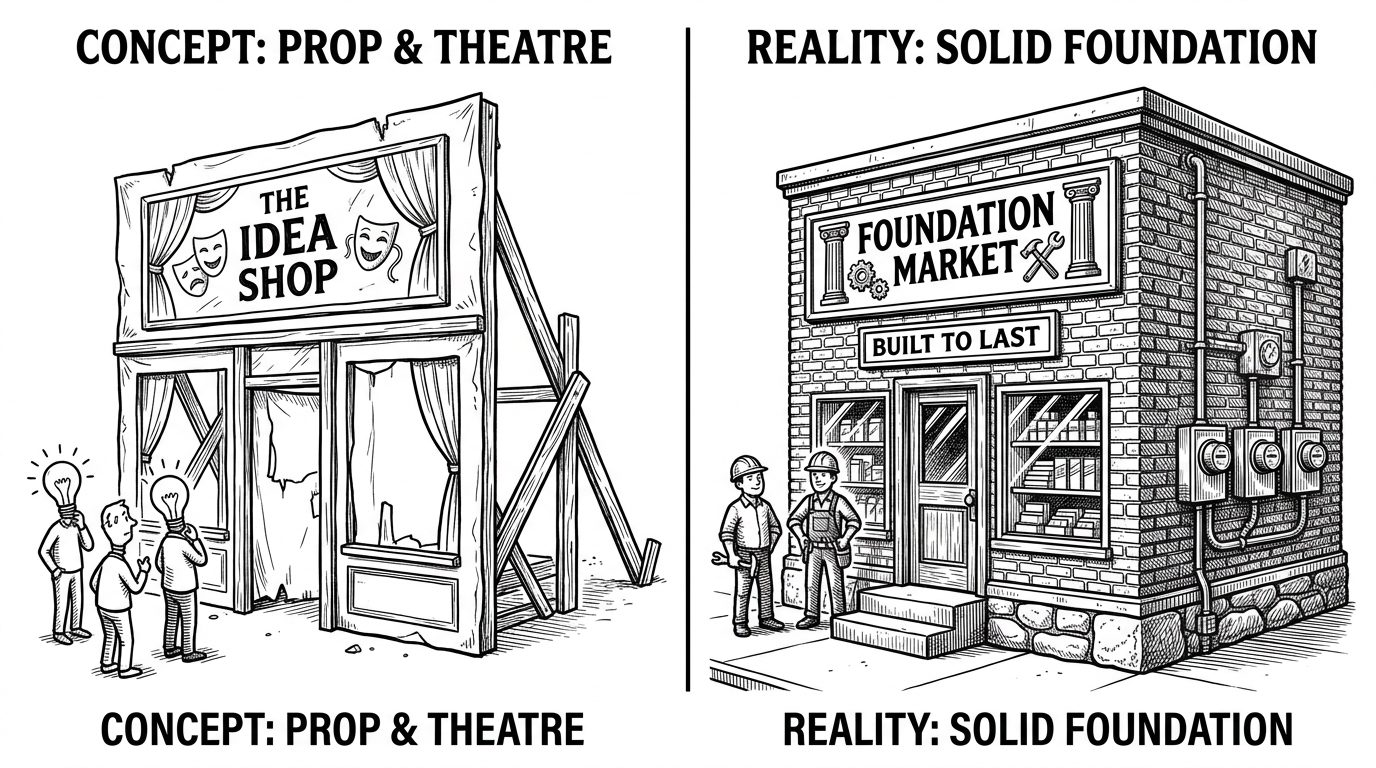
The jnsahaj/next-saas-dashboard repository represents a strict departure from this model. It operates on the principle that a boilerplate must provide a structural foundation, not just a coat of paint. By treating the database schema and data fetching pipelines as first-class citizens alongside the frontend, it offers a turnkey product engine rather than a hollow UI kit.
Wiring for Serverless
The backend architecture relies heavily on the synergy between Drizzle ORM and Neon. Neon provides a serverless PostgreSQL environment, which is crucial for modern edge deployments. Traditional PostgreSQL requires persistent TCP connections, which can quickly exhaust resources in serverless environments like Vercel or AWS Lambda. By utilizing Neon's HTTP driver, the application bypasses connection pooling bottlenecks entirely.
Within the lib/schema.ts file, the repository defines a sophisticated relational structure. It establishes explicit relationships between users, documents, and document sections. It also implements custom PostgreSQL enums and relational indexing. This ensures data integrity and query performance right out of the box.
The Power of the Seed File
A well-designed schema is only half the battle. To effectively build and test a complex UI, developers need realistic data. This is where the lib/seed.ts file proves invaluable. Utilizing faker-js, the seeding script generates a comprehensive set of relational mock data, including user profiles, document statuses, and analytics metrics.

This approach transforms the developer experience. A fresh clone of the repository can immediately populate a high-fidelity dashboard. It allows designers and engineers to evaluate edge cases, pagination, and layout constraints with a volume of data that mirrors a production environment.
Routing and the URL Source of Truth
State management in modern React has shifted away from isolated component hooks. The dashboard leverages nuqs to synchronize UI state directly with the URL. When a user filters a document list or navigates to a new page, the parameters are reflected in the address bar. This seemingly small architectural choice unlocks significant benefits.
By treating the URL as the source of truth, Next.js 15 Server Components can read the search parameters directly during the initial render. This eliminates the dreaded loading spinners associated with client-side data fetching. Furthermore, it allows users to bookmark and share specific, filtered views of the dashboard effortlessly.
Beyond Basic CRUD: The Analytics Engine
The application moves beyond simple lists and forms with its dedicated lifecycle module. This section implements a specialized marketing funnel visualization using Recharts and Shadcn components. It compares current and previous period metrics across various user stages, from acquisition to advocacy.
Your SaaS dashboard shouldn't look like a cockpit Users want: • Quick wins • Clear next steps • Progress they can see Not every metric you can track Less data, more clarity #SaaS
This analytics engine proves that the boilerplate is designed for real business logic. It provides the foundational components necessary to build actionable insights, rather than just displaying raw database rows. The jnsahaj/next-saas-dashboard sets a new baseline for what developers should expect from an open-source starting point.