K-Dense BYOK: The Scientific AI Workstation That Splits the Boss from the Specialist
A local-first co-scientist that routes tasks through an orchestrator, hands execution to sandboxed experts, and keeps scientific workflows controllable, extensible, and model-agnostic.
- K-Dense BYOK is interesting because it treats AI research as a managed workflow, not a chat session.
- The core architecture separates routing from execution, so the top-level agent stays clean while expert subprocesses do the tool-heavy work.
- Its sandbox is not an afterthought, but the place where scientific libraries, file operations, and delegated tasks actually live.
- The project competes by being more disciplined than generic local chat tools and more local than cloud-first research assistants.
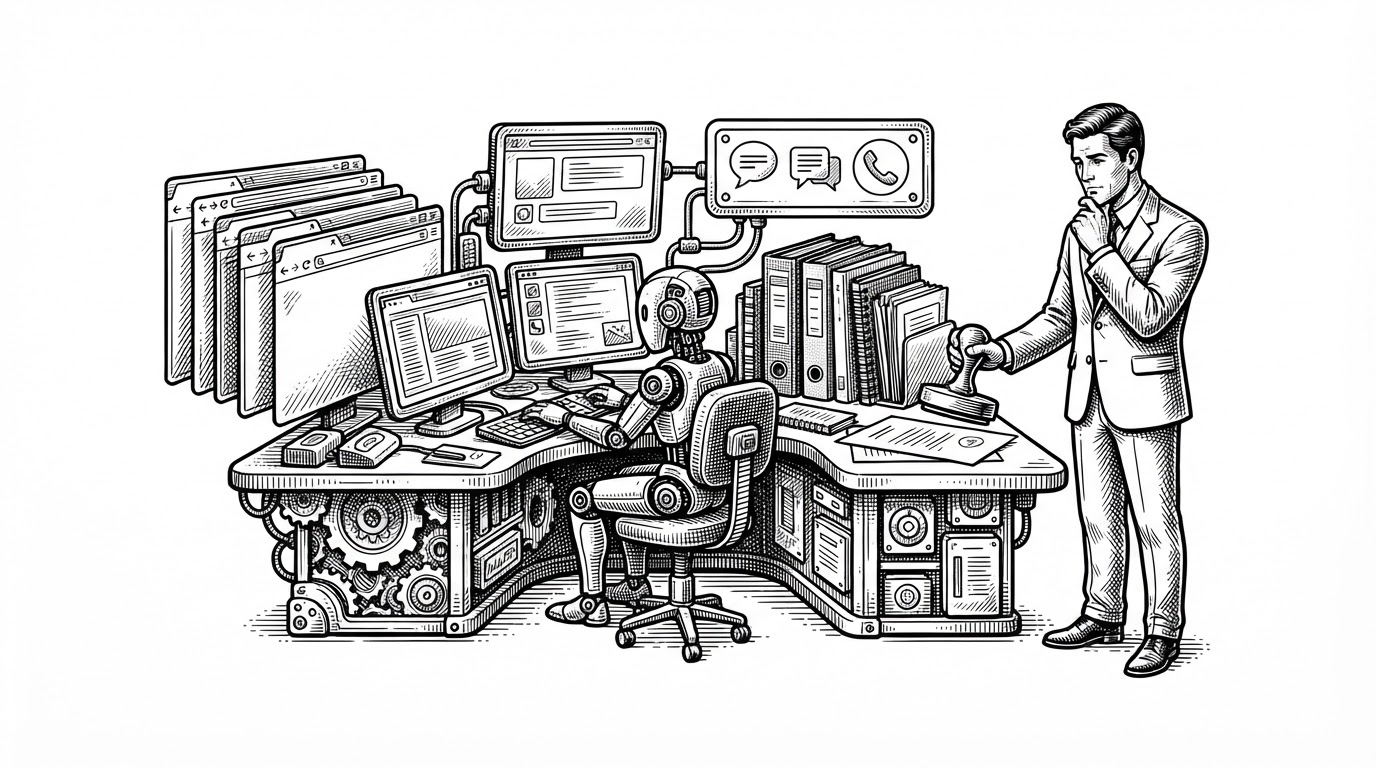
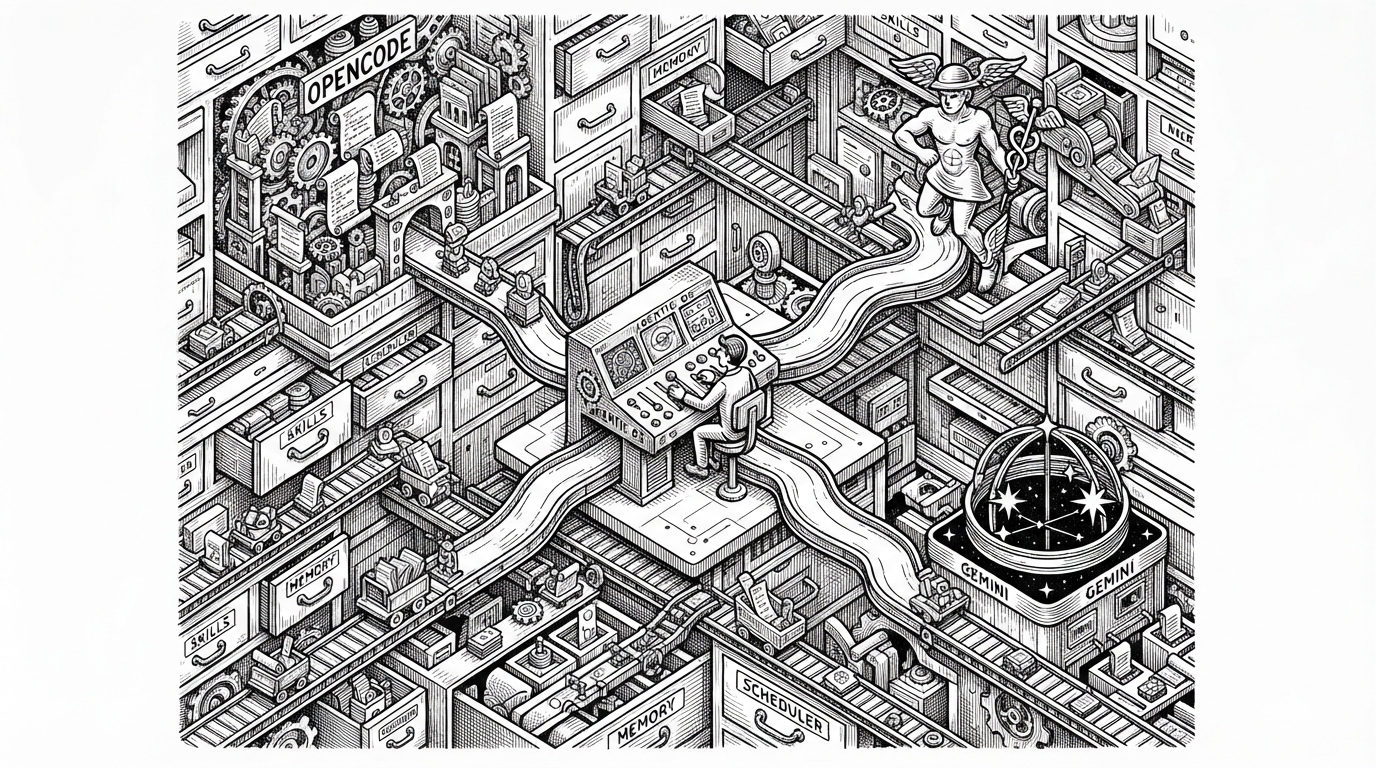
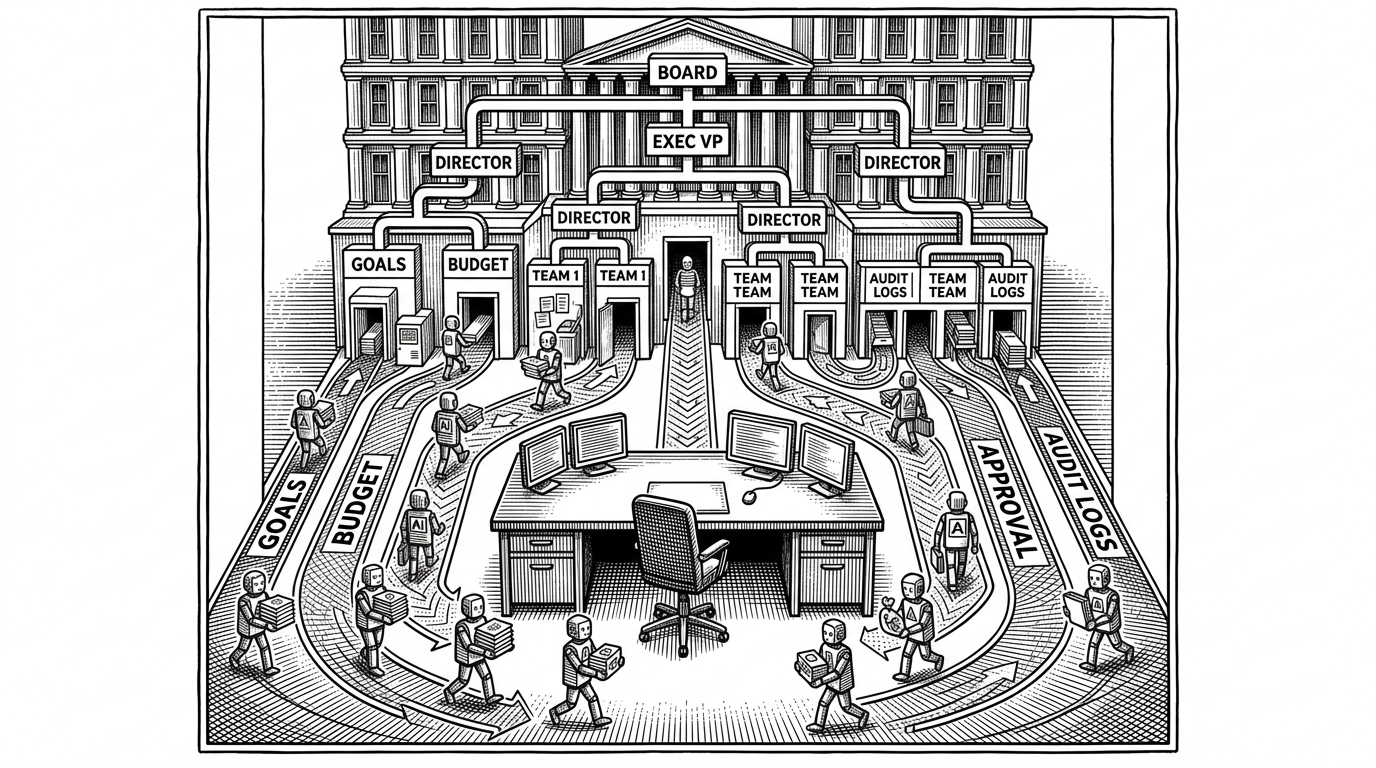
K-Dense BYOK is not trying to be the smartest chatbot in the room. It is trying to be the room. The repo frames AI research as an operational system with a dispatcher, a specialist, a sandbox, and a protocol that keeps them from stepping on each other.
That matters because scientific work is awkward for normal chat UIs. Files are big, dependencies are weird, data is sensitive, and the answer often depends on running the right tools in the right environment. K-Dense BYOK takes that seriously.
K-Dense BYOK (Bring Your Own Keys) is an open-source app that lets you chat with an AI assistant called Kady. You ask Kady a question or give it a task, and it figures out the best way to handle it — sometimes answering directly, sometimes spinning up specialized AI "experts" that work behind the scenes to get you a thorough result.
The real product is delegation
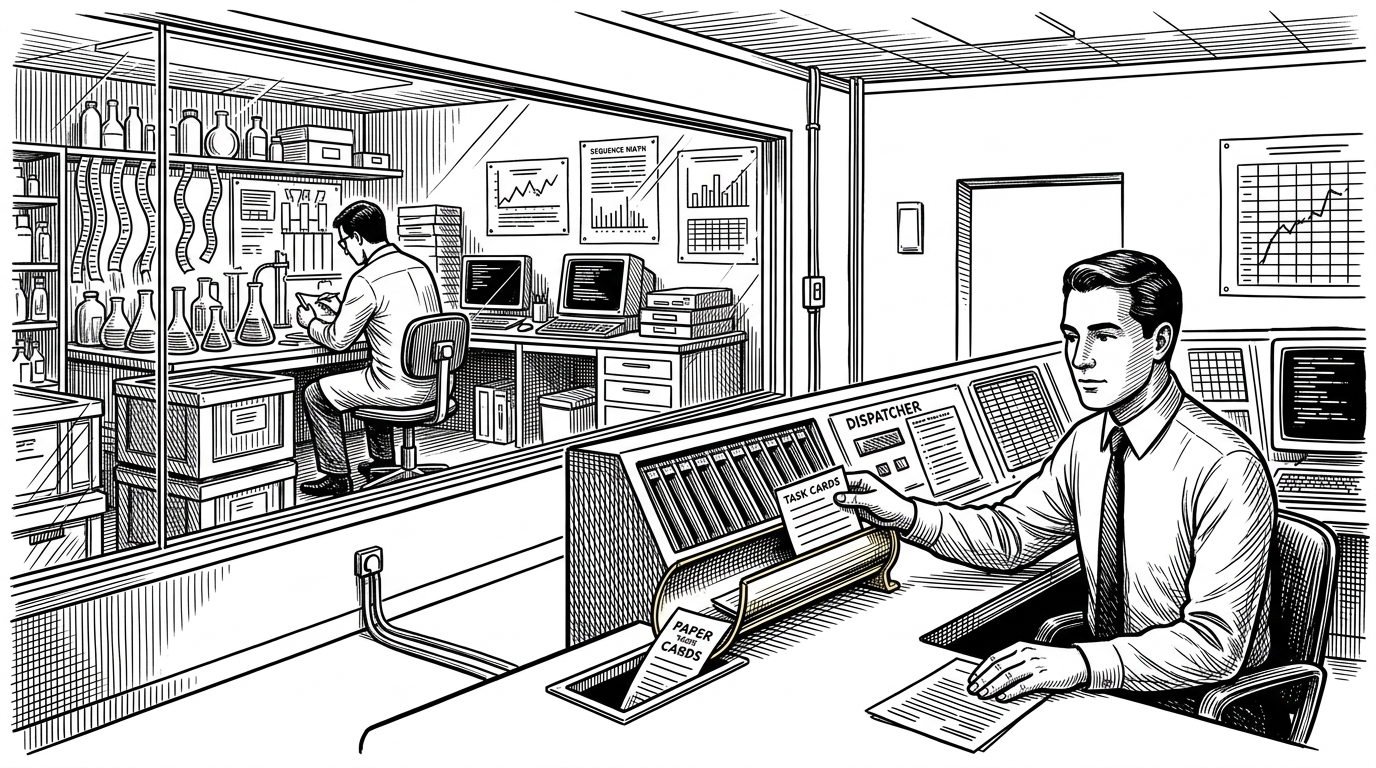
The central idea is simple once you see it. Kady, the main agent, is not the worker. It is the router. It decides whether a task can be answered directly, handled by a local MCP tool, or handed off through delegate_task to a specialist subprocess.
That split changes the product shape. Instead of one model trying to do everything, the system enforces separation of concerns. Kady stays high-level and responsive. The expert gets the messy job, the tool access, and the isolated environment it needs.
The project README says it plainly: Kady can answer directly or spin up specialized experts behind the scenes. The important part is not that it can delegate. The important part is that delegation is the default mental model.
Why scientists need a workstation, not a chatbot
Scientific users are not asking for generic conversation. They are asking for local control, reproducible environments, and enough structure that a workflow can survive beyond one prompt. K-Dense BYOK is built around that reality.
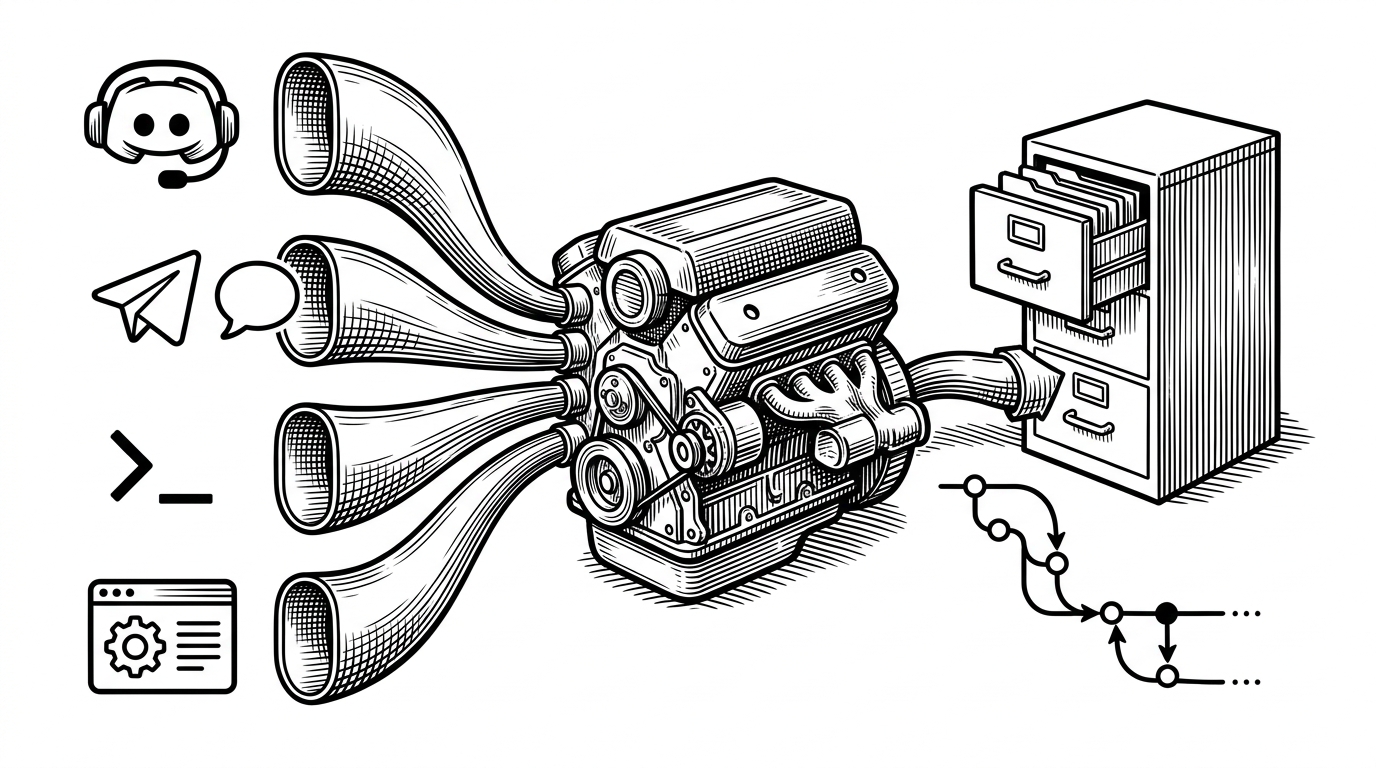
The frontend is dense for a reason. It is meant to handle notebooks, sequences, equations, provenance, and rich file-oriented work. The backend is meant to route, isolate, and scale. Together, they look less like a chat app and more like a lab bench with software on top.
How Kady decides what to delegate
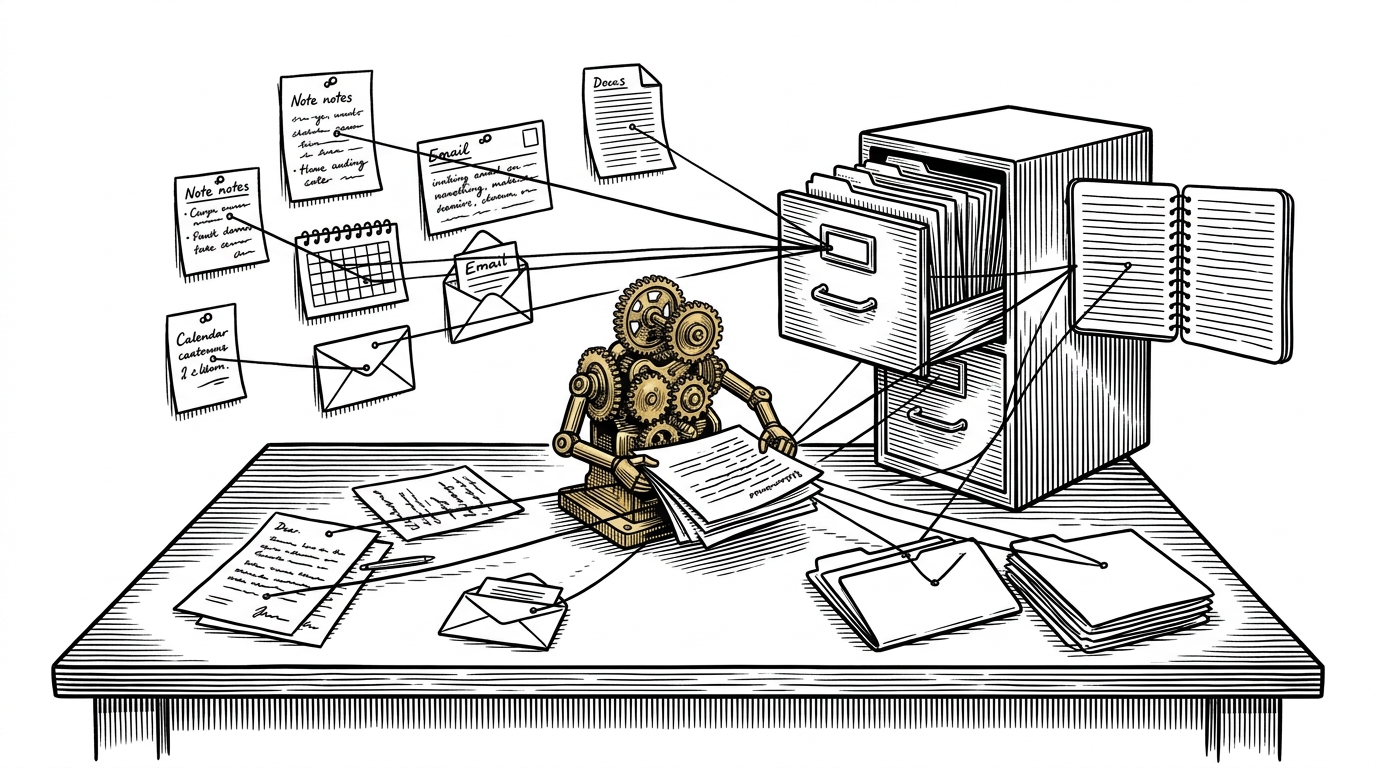
The system prompt does a lot of work here. Research notes show a strict skill protocol: the orchestrator sees skill summaries, not full implementations, and it is explicitly forbidden from activating skills itself. That restriction matters because it keeps the context manageable and the behavior predictable.
User request
  -> Kady scans skill summaries
  -> decide: direct answer | local MCP tool | delegate_task
  -> if delegate_task: hand off to sandboxed expert
  -> expert activates skills and runs tools
  -> stream JSONL metadata + text back to Kady
  -> Kady packages the final response
This is a prompt-engineering system, but it behaves like an operating model. The summaries act as a capability index. The expert gets the details only when the route has already been chosen. That prevents prompt soup and keeps the orchestrator from becoming a bloated do-everything brain.
The payoff is context discipline. Instead of stuffing every skill into one giant prompt, the system treats skills like a catalog. Kady indexes them. The expert consumes them. That division is the architecture.
Inside the sandboxed expert
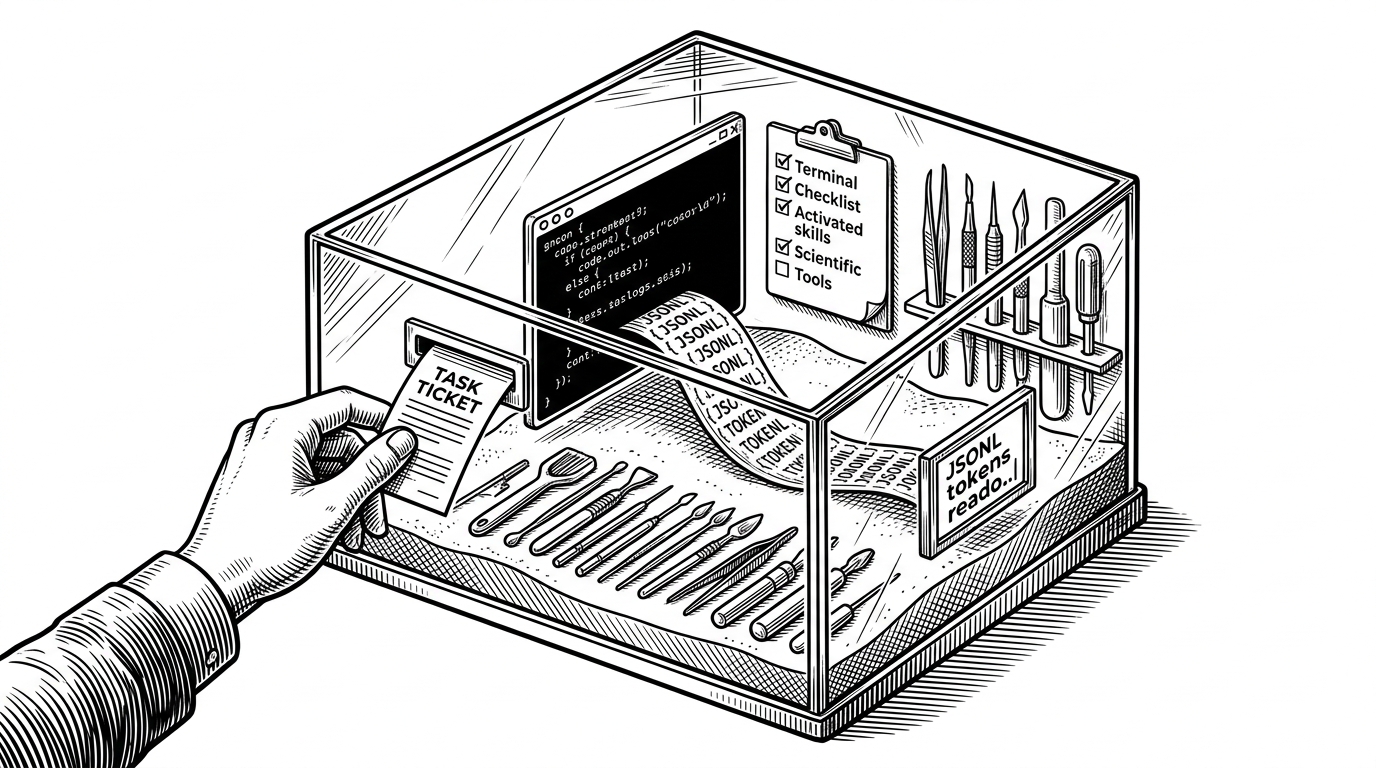
The most consequential bridge in the repo is the delegation path that spawns the Gemini CLI inside the sandbox. The sandbox is preconfigured with a managed virtual environment, scientific dependencies, and file access that is local by design. In other words, the specialist is not improvising its own lab.
The implementation also streams JSONL output so the top-level agent can see more than plain text. It can recover skill activation metadata, tool usage, and execution progress. That is a big deal. It turns the expert subprocess into something observable instead of opaque.
def delegate_task(task):
    env = prepare_sandbox_venv()
    proc = subprocess.Popen(
        ["gemini", "--stream-json", task],
        cwd="sandbox/",
        env=env,
    )
    for event in stream_jsonl(proc):
        yield event
The scientific stack matters too. The research notes point to packages like polars, scipy, pyopenms, and dask. That is not a toy setup. It is a deliberate attempt to make the sandbox feel like a real computational workspace, not a temporary folder with a prompt in it.
MCP, but hardened for real workflows
K-Dense BYOK also leans into Model Context Protocol, but it does not treat MCP as a silver bullet. The repo includes resilient wrappers and dynamic toolset management so flaky services do not collapse the whole experience.
That is the kind of decision you only make if you expect real work. Scientific pipelines depend on external systems that can be slow, rate-limited, or just down. A hardened MCP layer is less glamorous than a new model trick, but it is the kind of thing that keeps a workflow alive on Monday morning.
The dynamic custom toolset is equally pragmatic. Users can add MCP servers without restarting the backend. That makes the workstation extensible in a way that feels operational, not ceremonial.
What K-Dense BYOK is really competing with
The competition is not just other chat apps. It is generic local AI platforms, cloud research assistants, and loose multi-agent systems that never fully decide who is in charge. K-Dense BYOK defines itself by being stricter than all three.
| Category | Generic local AI tool | Cloud research assistant | K-Dense BYOK |
|---|---|---|---|
| Control model | Mostly chat-first | Provider-defined workflow | Orchestrator plus delegated expert |
| Data locality | Local model, but thin workflow discipline | Cloud processing and storage | Local sandbox with BYOK model access |
| Scientific depth | General-purpose extras | Often broad but shallow | Preloaded scientific skills and workflow focus |
| Tool execution | Ad hoc plugins or scripts | Managed by vendor | Sandboxed expert subprocess and MCP tools |
| Extensibility | Varies by project | Limited to platform surface | Custom MCP servers and skill protocol |
That comparison reveals the real category bet. K-Dense BYOK is not competing to be the broadest interface. It is trying to be the most disciplined scientific operating environment.
Why this architecture matters
The interesting thing about K-Dense BYOK is not that it uses more models or more tools. It is that it keeps control, execution, and environment separate. That separation is what makes the whole system legible.
In practice, that means a researcher can keep data local, keep model choice flexible, and still rely on cloud-grade reasoning when needed. The manager stays small. The specialist stays isolated. The workflow stays reproducible enough to matter.
That is a stronger idea than a better chat box. It is an AI lab operating system with a front desk, a back room, and rules for who is allowed to touch what.