AgentENV: The Distributed Sandbox That Treats AI Agents Like Stateful Processes
How a Rust and Go cluster uses Firecracker, lazy image loading, and snapshot-aware routing to run agent environments at scale without losing identity, speed, or forkability.
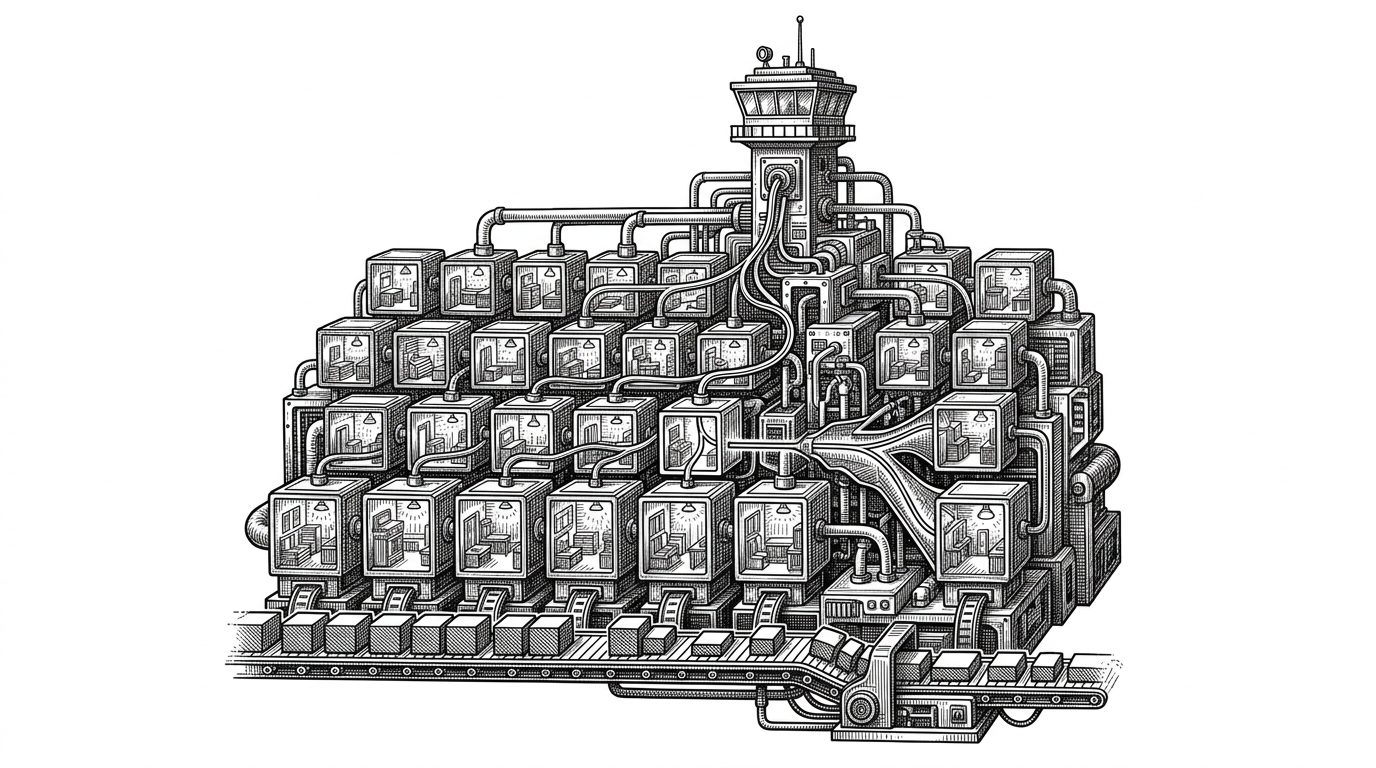
- AgentENV reframes sandboxes as stateful infrastructure, so the unit of work is an environment with identity instead of a disposable container.
- Its control plane routes sessions to the right machine, which lets pause, resume, and fork behave like first-class operations instead of special cases.
- The speed story is not magic compression, but lazy block delivery into Firecracker microVMs, so boot can happen before the full image lands locally.
- The Rust and Go split is deliberate: Rust carries the performance-sensitive runtime and storage path, while Go handles cluster coordination and request routing.
Most sandbox systems are built for disposal. AgentENV is built for continuity. That difference matters once agents stop being one-shot scripts and start looking like long-lived workers that need memory, identity, and the ability to branch into several futures.
We've open-sourced AgentENV in collaboration with kvcache-ai. AgentENV is a distributed system for running agent environments at scale. Its components power agentic RL training for Kimi K3, with fast snapshot, resume, and fork support for large-scale parallel agent workflows.
Why Agent Sandboxes Need Memory
A normal container runtime assumes the job is short, isolated, and done once the process exits. That is fine for builds, tests, and many batch tasks. It breaks down when the workload is an agent that needs to pause, keep state, and branch into parallel explorations.
That is the core move in AgentENV. It treats the environment itself as the durable object, not just the code running inside it. For RL training and other agent workflows, that is the real abstraction shift.
A Sandbox That Can Be Routed Like a Service
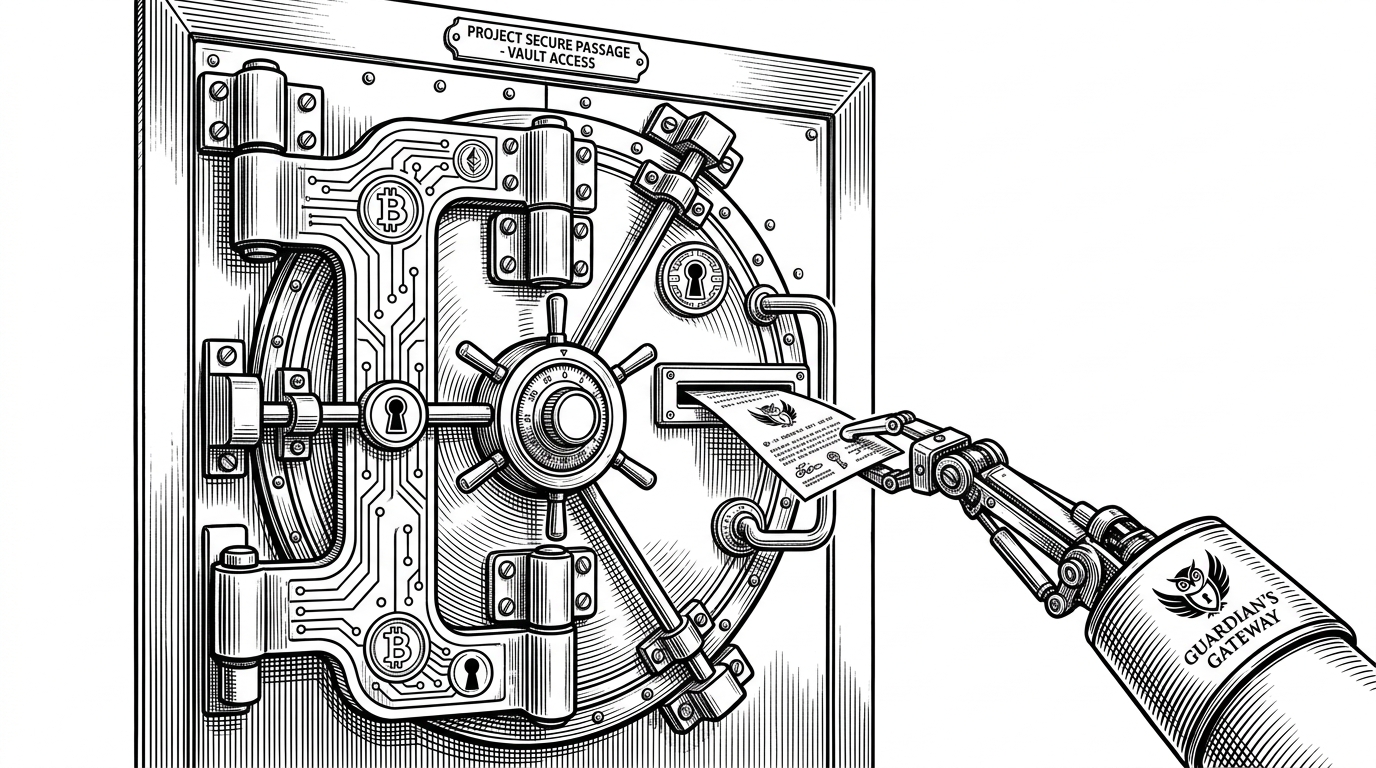
The first surprise is operational. The gateway can route by sandbox ID in a header or by hostname, then ask the scheduler where that sandbox actually lives. The binding store keeps the identity-to-node mapping alive, so a session can move through the cluster as a durable thing instead of a random process.
| Dimension | Typical container sandbox | AgentENV | Why it matters |
|---|---|---|---|
| Startup behavior | Pull image, start container | Resolve identity, route to live environment | The session survives the request boundary |
| State persistence | Usually ephemeral | Pause, resume, and fork are first-class | Agents can continue from prior context |
| Cluster routing | Often local or best-effort | Scheduler-backed placement and lookup | A sandbox can be addressable across nodes |
| Storage strategy | Full image available before start | Lazy block delivery during boot | Readiness is faster than full materialization |
| API model | Task oriented | Environment oriented | The abstraction matches agent workflows |
The Cluster Brain: Scheduler, Binding Store, and Placement
The scheduler is where identity becomes placement. New sandboxes are assigned with strategies like bin packing or least loaded, but the important part is not just where they start. It is that the cluster remembers where they are, so later requests can find the same live environment again.
That makes the binding store more than bookkeeping. It is the memory that lets a sandbox behave like a durable service. Without that layer, pause and resume become fragile tricks. With it, they become part of the model.
The 50ms Trick: Images That Do Not Fully Arrive Before Boot

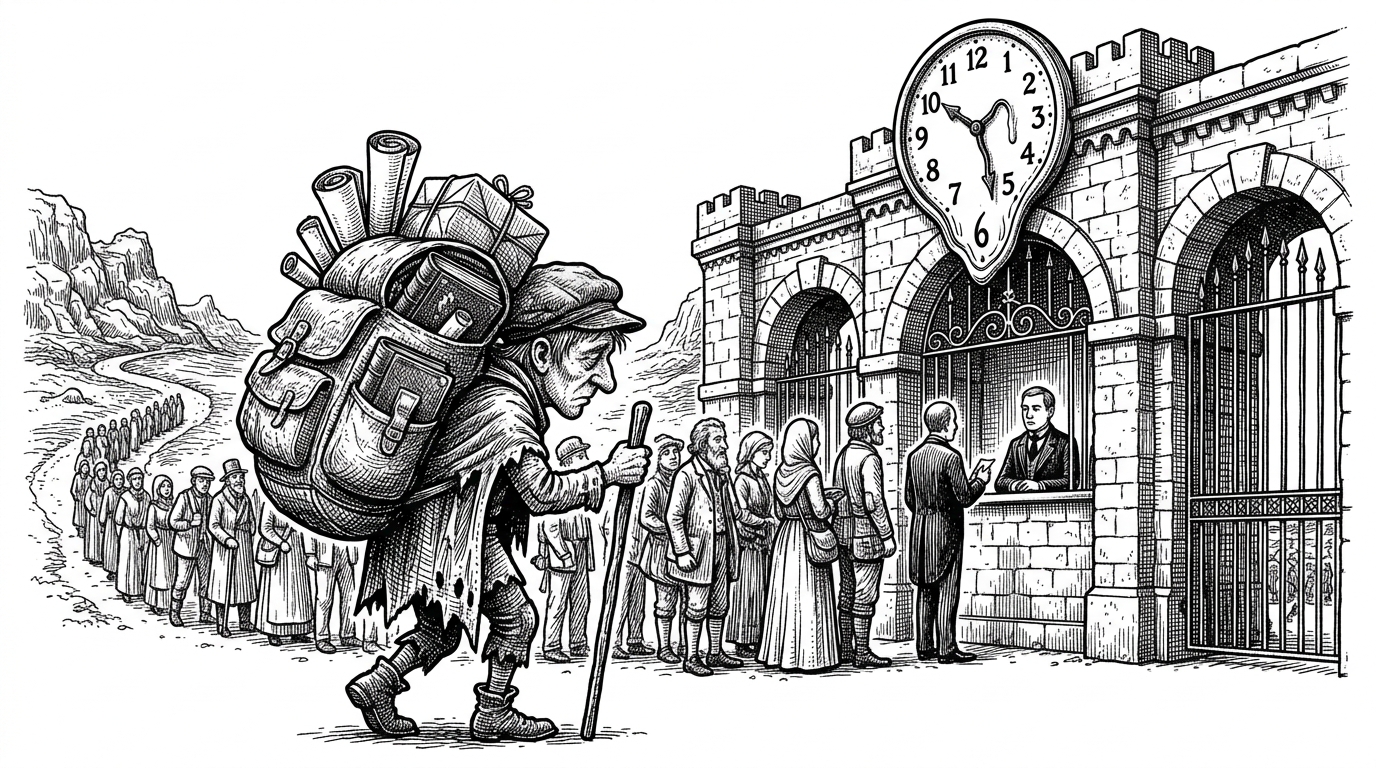
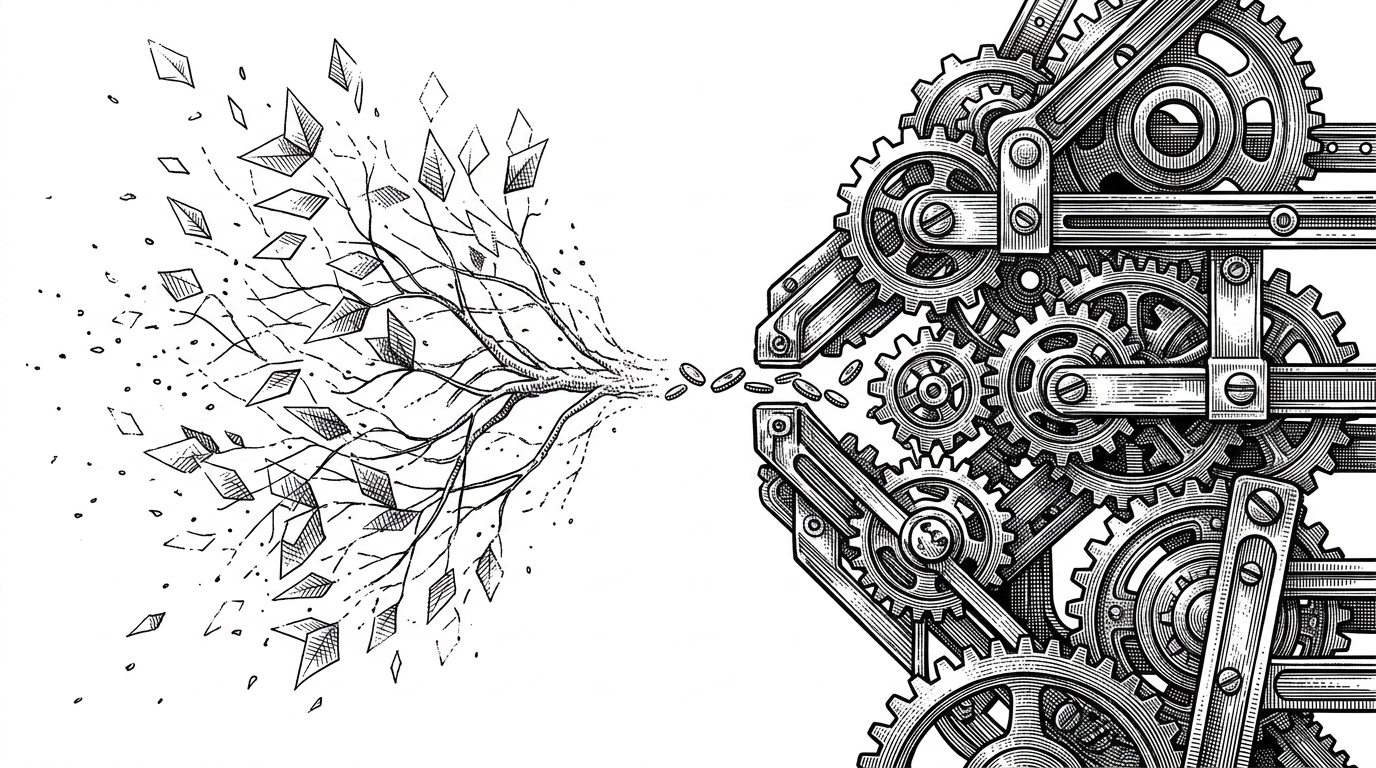
This is the performance trick worth remembering. AgentENV uses overlaybd and ublk so the VM can boot before the entire image has landed locally. The system fetches the blocks the guest actually needs first, which changes startup from a full transfer problem into a demand-driven read problem.
Why Rust Handles the Hot Path and Go Handles the Plumbing
The language split is not cosmetic. Rust owns the performance-sensitive runtime and storage-adjacent code, including the low-level pieces that touch virtualization and block access. Go runs the distributed control plane, where routing, scheduling, and cluster coordination matter more than shaving microseconds from the hot path.
| Layer | Rust side | Go side | Reason for the split |
|---|---|---|---|
| Runtime and VM control | Firecracker integration, storage path, CLI | Not the primary owner | Needs tight control over performance and safety |
| Cluster coordination | Limited role | Gateway and scheduler | Distributed orchestration is easier to move quickly in Go |
| Storage mechanics | ublk and overlaybd work | Not the primary owner | This is where latency and correctness matter most |
| Developer ergonomics | Systems code | Plumbing code | Each language sits where its strengths are strongest |
Snapshot, Pause, Resume, Fork
Snapshotting is not a side feature here. It is the mechanism that makes branching workflows practical. If an agent can be frozen, resumed, and cloned, then exploration stops being linear. You can take one state and fan out into many experiments.
That is why the fork story is central. In a training loop, branching from a live environment is often more useful than restarting from scratch. AgentENV makes that branch cheap enough to matter.
E2B Compatibility Makes the System Swappable
Compatibility is the adoption wedge. If AgentENV can stand in for a hosted sandbox API, developers do not need to rewrite their agents. They can swap the backend and keep the client code.
| Dimension | Hosted sandbox API | AgentENV | Why it matters |
|---|---|---|---|
| Deployment | External provider | Self-hosted cluster | Control stays with the team |
| Integration | Client uses provider API | E2B-compatible surface | Migration can be mostly mechanical |
| Operations | Vendor-managed | You operate the cluster | More work, more control |
| Customization | Provider limits apply | Infra can be tuned to workload | Useful for dense RL and internal workflows |
What This Means for Open Agent Infrastructure
AgentENV sketches a wider pattern. Agent infrastructure does not have to look like a throwaway container farm. It can look like a distributed state machine for environments, with routing, snapshots, and lazy storage as the core primitives.
The trade-off is trust. The repo notes that authorization is not there yet, so the system is meant for a trusted VPC rather than an open multi-tenant edge. That limitation is practical, not cosmetic, and it belongs in the mental model.