lambda-rlm: The Recursive LLM Framework That Refuses to Let the Model Drive
By replacing agentic loops with typed combinators, λ-RLM turns long-context reasoning into a deterministic tree of small, bounded model calls.
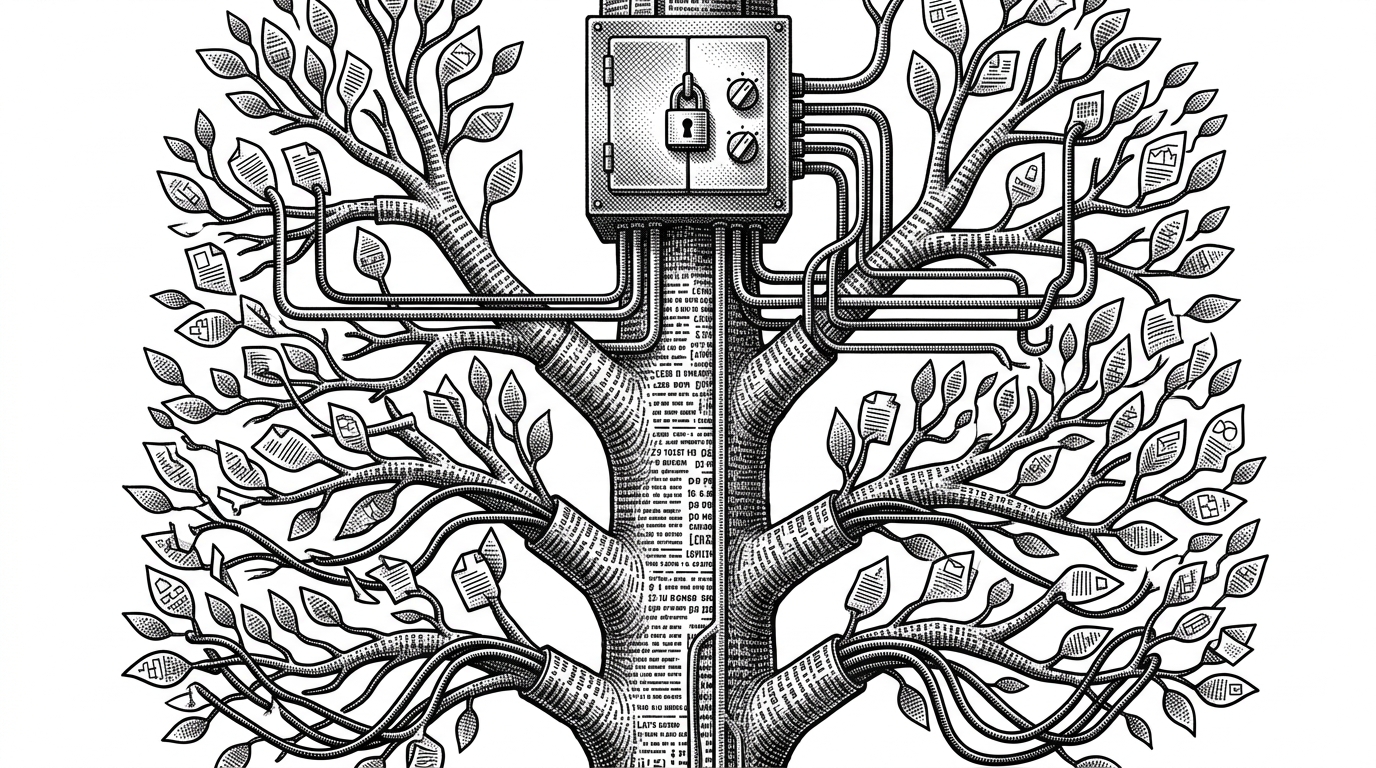
- λ-RLM narrows the model’s role so recursion, branching, and termination stay under deterministic control.
- The framework treats long-context reasoning as a decomposition problem, not a prompt-length problem.
- Its most distinctive move is planning the tree before execution, using a cost model instead of inference.
- Isolation is part of the design, with a socket bridge and pluggable execution environments keeping model calls boxed in.
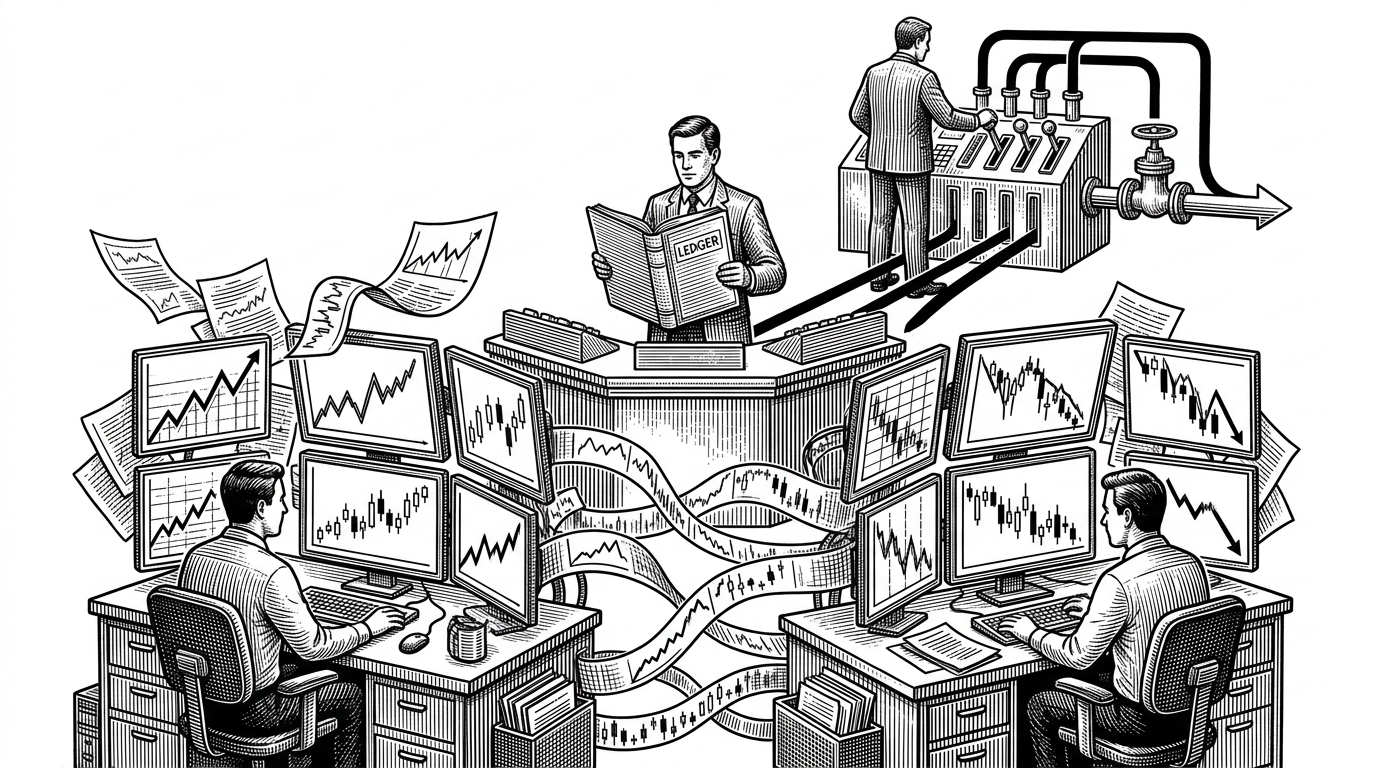
Most agent frameworks ask the model to decide when to loop, when to branch, and when to stop. λ-RLM does the opposite. It fixes the control flow first, then lets the model handle bounded pieces of the work.
That inversion is the whole point of lambda-calculus-llm/lambda-rlm. The repository treats recursion as a system problem, not a prompt-writing trick. If the model is weak at global planning, the answer is not more improvisation. It is less freedom.
The model is not in charge
The core thesis here is that if we want LLMs to be better at reasoning, they need to be better at formal systems.
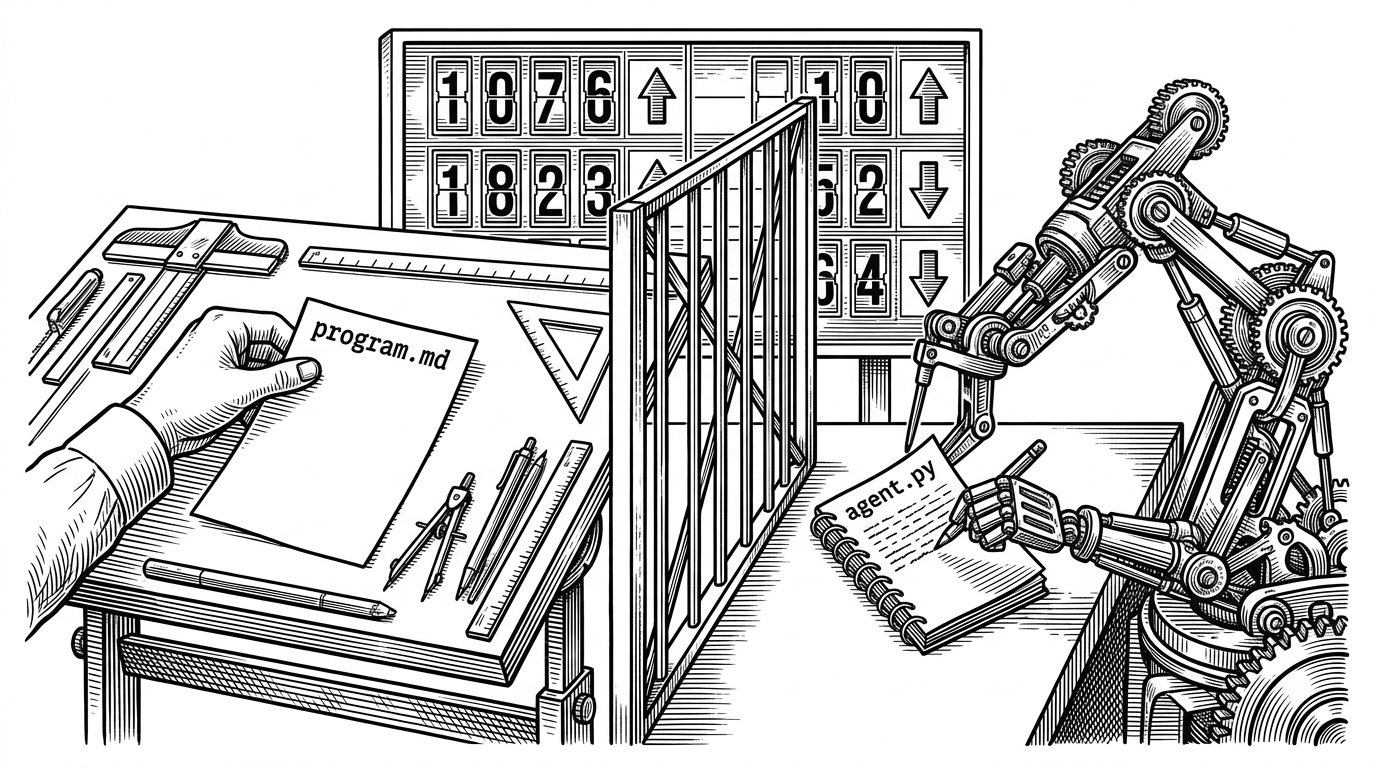
That thesis fits the codebase. λ-RLM is built around typed combinators, deterministic composition, and a recursive runtime that does not ask the model to invent its own control strategy. The model contributes where language understanding matters. The runtime handles everything else.
That matters because most failures in agent systems are control failures. A loop runs too long. A branch gets explored for the wrong reason. A retry hides a bad decision. λ-RLM removes those decisions from the model entirely.

Why long context fails, and why trees work
Long-context systems tend to fail in familiar ways. Relevant details disappear in the middle. Prompt cost climbs. The model gets asked to do too many jobs at once, then silently blurs the boundaries between them.
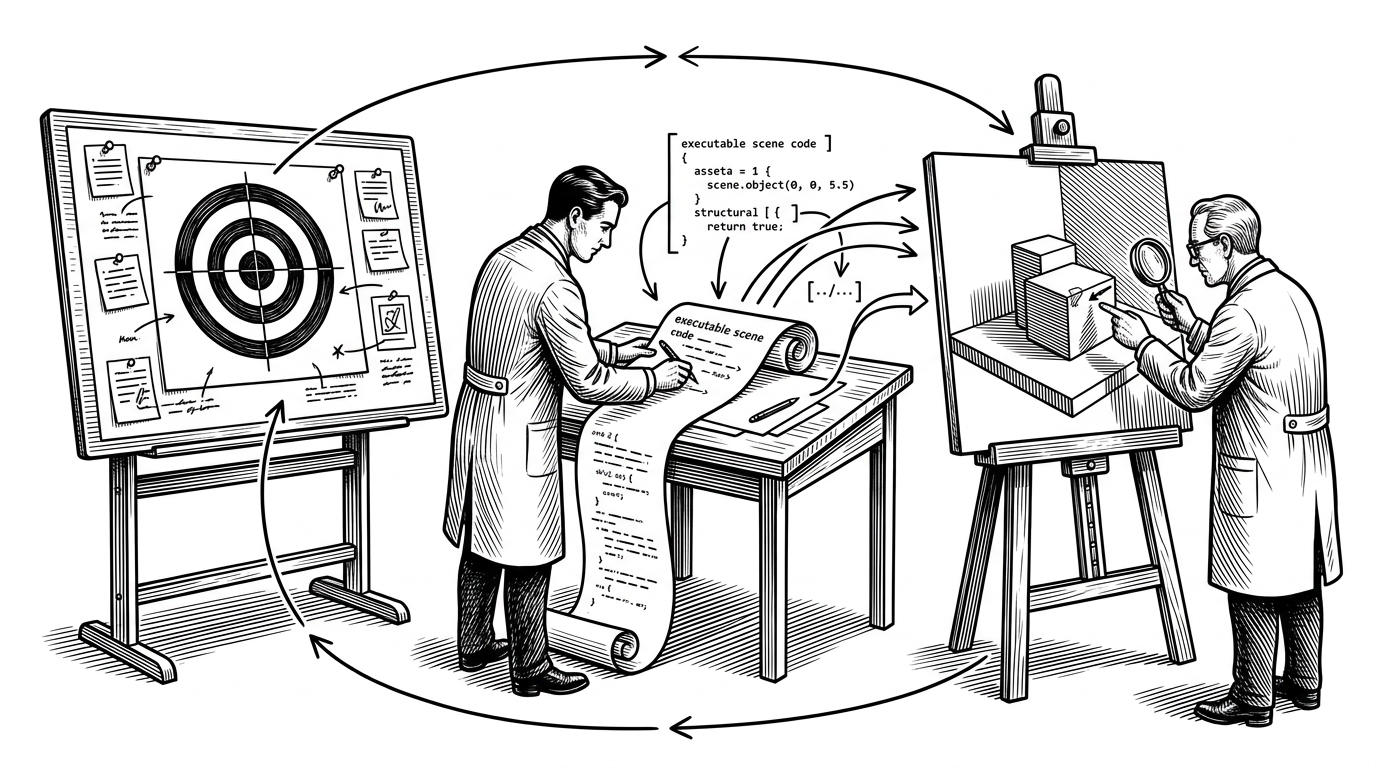
λ-RLM changes the question. Instead of asking one model call to absorb everything, it decomposes the task into bounded leaves, then composes the results with fixed operators. That shifts the problem from exhaustive reading to disciplined reduction.
The result is not just architectural elegance. It is operational clarity. When the tree shape is known in advance, you can reason about latency, cost, failure modes, and isolation before the first leaf is evaluated.
Inside lambda_rlm.py: five phases, zero improvisation
# Simplified view of the deterministic pipeline
phases = [
    "Init",
    "Task Detection",
    "Optimal Planning",
    "Cost Estimation",
    "Execution",
]

compose_op = {
    "qa": "SELECT_RELEVANT",
    "summarization": "MERGE_SUMMARIES",
    "aggregation": "MAJORITY_VOTE",
}

# The planner picks the tree shape before execution begins.
# The model is used at the leaves, not for control flow.
The key detail is not the phase list. It is what the list excludes. There is no open-ended “decide what to do next” step. There is no recursive self-authored plan. The runtime determines the shape, and the model fills in the bounded subproblems.
That is where the `ComposeOp` idea matters. Instead of asking the model to invent how outputs should be merged, λ-RLM uses predeclared composition rules. The system is opinionated about reduction, and that opinion is part of the safety boundary.
Planning happens in math, not in inference
The most interesting part of the repository is that it estimates the shape and cost of recursive work before it runs. The planner chooses a split factor and depth from a cost model, not from a prompt. That is a radically different posture from standard agent stacks.
| Dimension | Agentic loop | λ-RLM |
|---|---|---|
| Controller | The model chooses when to branch, retry, or stop | Python and typed combinators choose the tree shape |
| Composition rule | Often implicit or model-invented | Explicit operators like merge, vote, or select |
| Termination guarantee | Soft, heuristic, or external | Structured by the runtime |
| Long-context strategy | Stuff more into the prompt or call tools repeatedly | Decompose into bounded leaves |
| Cost planning | Usually reactive | Estimated before execution |
| Failure mode | Looping, drift, runaway tool use | Over-decomposition or underpowered leaf calls |
That table is the story. λ-RLM is not betting that the model will become a better planner if you give it enough rope. It is betting that a planner should be a separate, inspectable object.
The socket bridge that keeps the model boxed in
Instead of training the model to output Python (which it then runs), we train it on the evaluation trace itself.
The communication boundary is just as important as the tree structure. The repo uses a threaded TCP bridge with a length-prefixed JSON protocol so the REPL and the host process stay separated. That keeps the sandbox from reaching into the main process as if it were a local object.
[sandboxed REPL] -> length-prefixed JSON -> [threaded TCP server] -> completion request -> [host process]

The point is not convenience. The point is to make the trust boundary explicit.
This is a subtle but important design choice. If your recursive system can call out for completions, execute code, and inspect the host process all through one loose channel, you have not built a controlled runtime. You have built a brittle conversation.
Execution is a plug-in, not a special case
λ-RLM treats execution as an environment abstraction. Local, Docker, E2B, and Modal are not side quests. They are interchangeable execution back ends with different trade-offs in speed, isolation, and scale.
| Environment | Best for | Trade-off |
|---|---|---|
| Local | Fast iteration | Least isolation |
| Docker | Safer execution | More setup and overhead |
| E2B | Hosted sandboxing | External dependency |
| Modal | Remote scaling | Operational complexity |
That makes the runtime feel more like a service layer than a notebook helper. The same recursive logic can move across environments without changing the control philosophy. Isolation is not bolted on after the fact. It is part of the architecture.
What it beats, and what it is not
λ-RLM is not trying to be a general agent platform. It is not trying to win by giving the model more autonomy, more tools, or more opportunities to self-correct in public. Its goal is narrower and stronger: make recursive reasoning bounded, measurable, and safer.
| Approach | Strength | Weak spot |
|---|---|---|
| Agentic RAG | Flexible tool use | Control flow drifts under pressure |
| Code generation plus execution | Can solve practical tasks fast | Relies on generated code outside the reasoning core |
| Generic chain-of-thought prompting | Simple to apply | No structural guarantee |
| λ-RLM | Deterministic recursive decomposition | Less open-ended than a full agent |
That trade-off is the point. If your task needs improvisation, this is not the right hammer. If your task needs reliable recursive structure, it is a serious one.
Why this matters beyond one repo
λ-RLM is a signal that post-agent systems may be less about making models do everything and more about deciding what the model should not do. The most robust systems may come from narrowing freedom, then investing in the structure around the model.
The goal isn't to build a fast Lisp interpreter (we have computers for that!), but to force the model to learn the structural rules of evaluation, which might generalize to other reasoning tasks.
That is the deeper thesis here. The repo is not worshipping recursion. It is using recursion to make a stronger claim about control. If the model is easiest to trust when it is smallest in scope, then the future of reasoning systems may look less like an agent and more like a disciplined compiler for thought.