rvLLM: The Inference Engine That Lets TPUs Compete by Writing Less Kernel Code
A deep dive into the project that pairs Rust orchestration, handcrafted CUDA, and a flat JAX scan to turn Gemma 4 inference into a compiler problem instead of a kernel-burden problem.

rvLLM: High-performance LLM inference in Rust. Drop-in vLLM replacement.
- rvLLM’s most unusual move is to make TPU inference smaller and more compiler-shaped, not more kernel-heavy.
- The project splits its personality by backend: Rust orchestration and CUDA specialization on GPU, JAX and XLA structure on TPU.
- Its TPU story centers on a flat scan loop that keeps the whole Gemma 4 pass inside one compiled region.
- rvLLM’s comparison with vLLM is really about philosophy, because it optimizes for backend-specific performance rather than universal abstraction.
The surprising part is the TPU
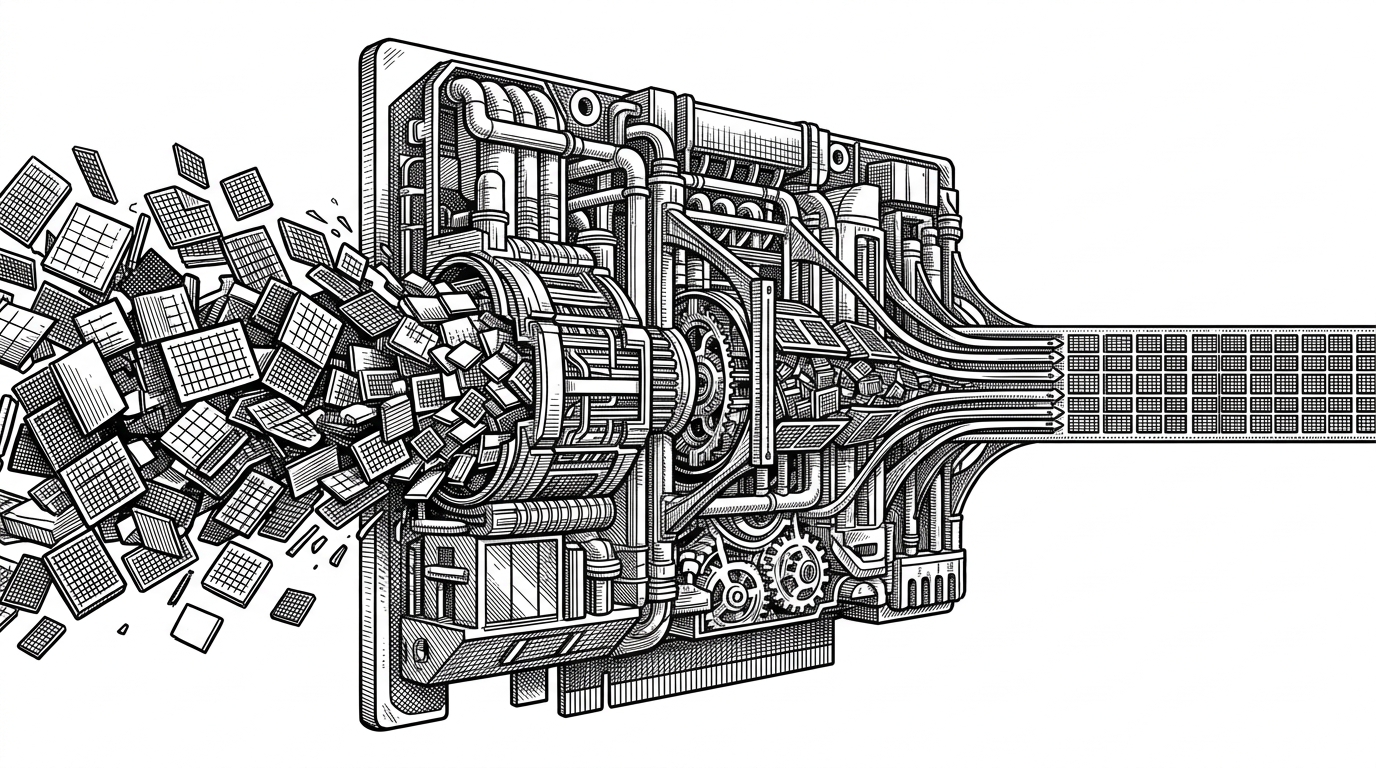
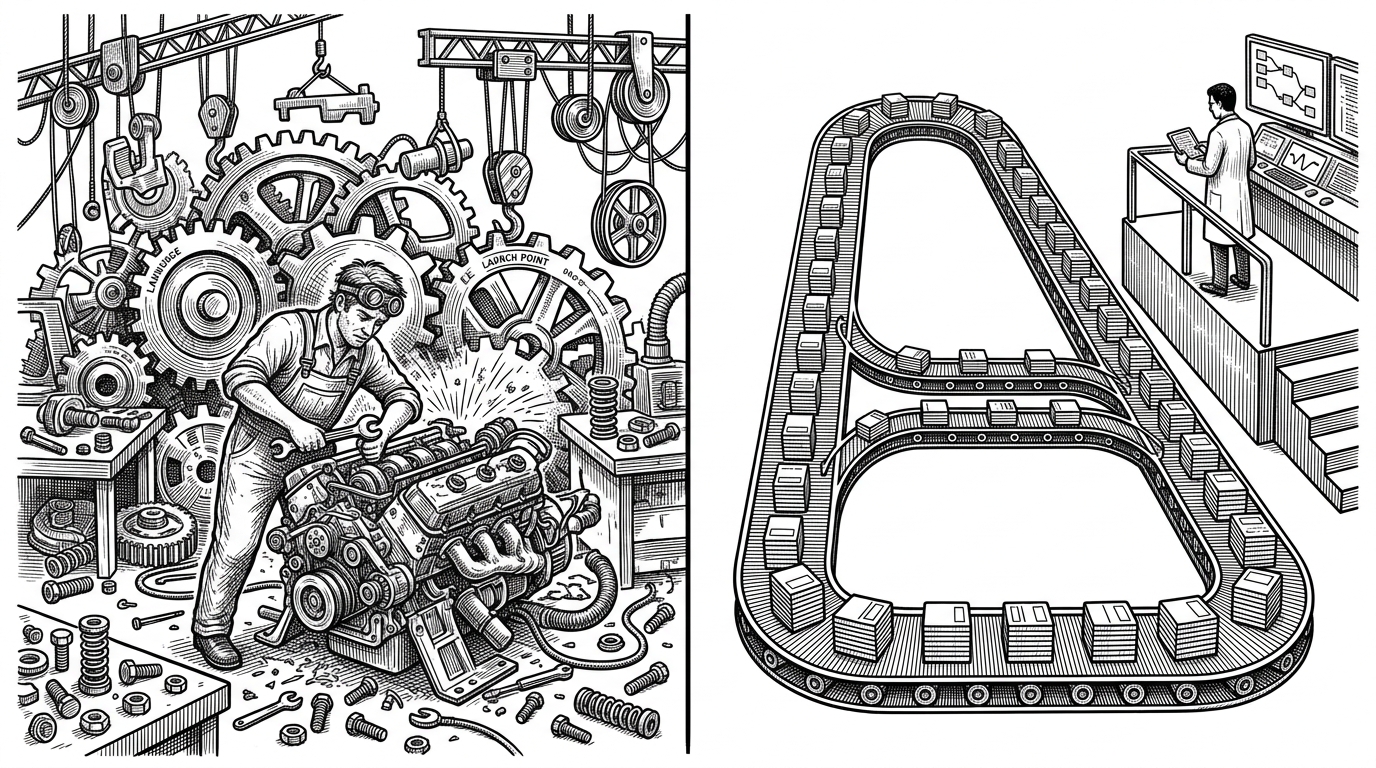
Most inference engines get faster by adding more custom code. rvLLM does the opposite on TPU. It shrinks the implementation down, leans on jax.lax.scan and XLA fusion, and lets the compiler do the work that would otherwise become a pile of handwritten kernels.
That is the thesis that makes the repo interesting. The GPU side is a dense CUDA system with graph capture and fused kernels. The TPU side is almost austere. Same project, same goal, two opposite execution philosophies.
Why this engine exists at all
rvLLM is built for the boring but decisive question behind every serving stack: how many tokens do you get for the money? The repository frames itself as a drop-in vLLM replacement, but its real pitch is narrower and sharper. It wants to win on throughput, latency, and cost when the hardware and model shape line up in its favor.
A two-speed architecture: Rust on the outside, kernels on the inside
The repo is split the way the thesis suggests. Rust crates handle orchestration, runtime control, and the outer engine. CUDA handles the GPU hot path. TPU gets its own JAX-based path, not a thin wrapper over the GPU implementation.
v3/
  crates/
    rvllm-core/
    rvllm-runtime/
    rvllm-graph/
    rvllm-kernels/
    rvllm-cutlass/

tpu/
  harness/
  ports/

kernels/
  *.cu
The flat-scan trick that makes TPU inference work
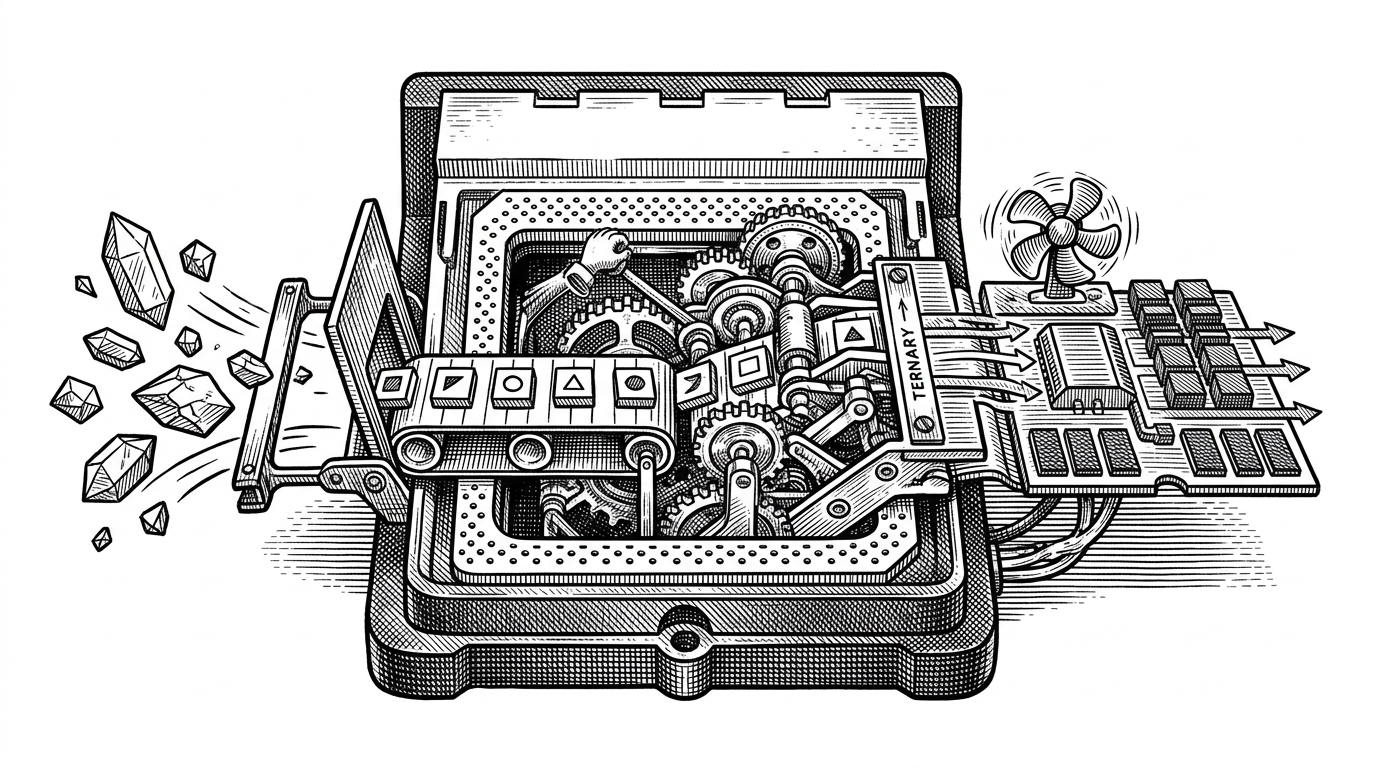
This is the centerpiece. In tpu/harness/gemma4_tpu_infer.py, rvLLM uses a single scan loop to step through Gemma 4’s 60 transformer layers. Fifty layers use sliding-window attention. Ten use global attention. A conditional inside the loop picks the right path without ever bouncing back to the host.
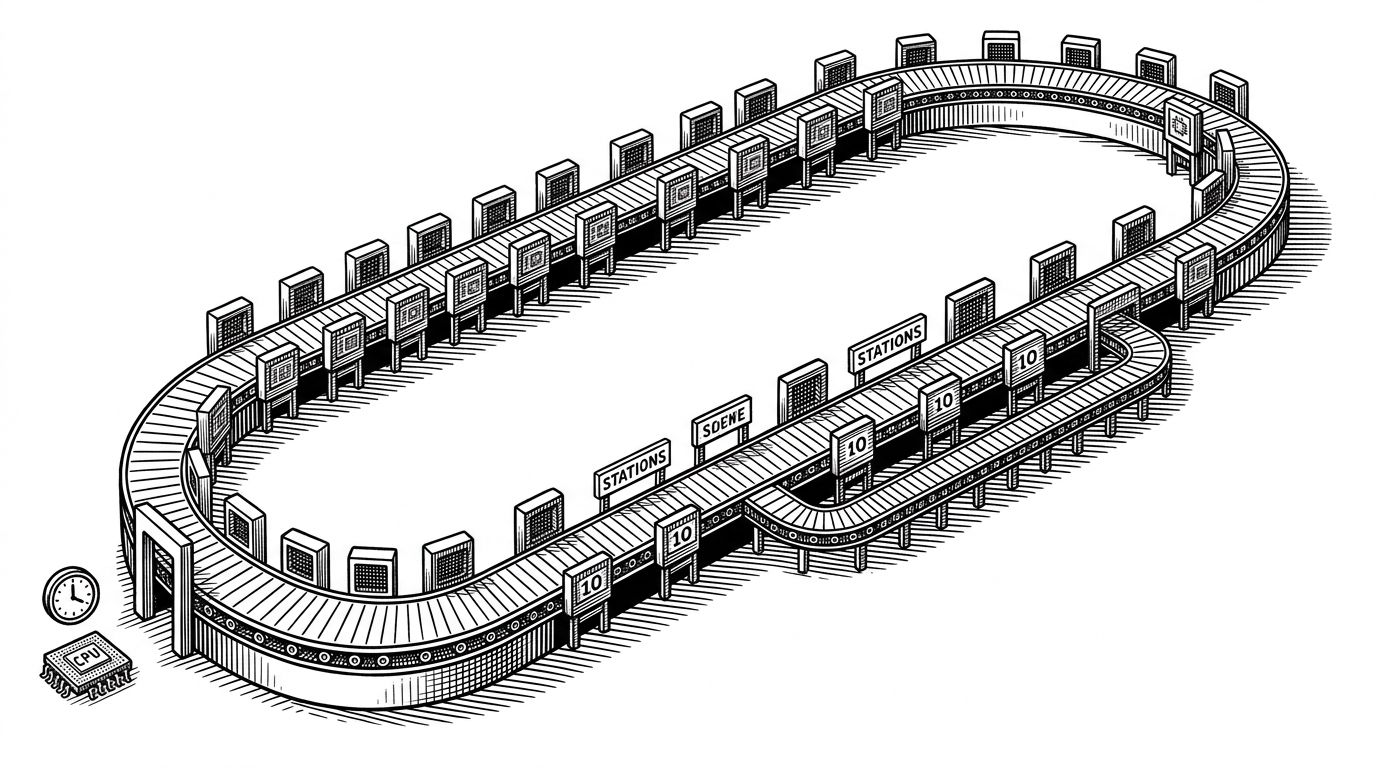
The important detail is not that the loop exists. It is that the loop is the unit of compilation. Once the entire pass sits inside one XLA region, the TPU no longer needs Python to choreograph layer by layer execution. The host gets out of the way.
Megakernels on GPU, compiler fusion on TPU
rvLLM’s decode path makes the backend split even clearer. On GPU, it composes a line of operations into something like a persistent megakernel. On TPU, that same straight-line shape becomes fuel for fusion. The code is different, but the design principle is the same: reduce launch overhead by making the execution path flatter.
| Axis | GPU path | TPU path |
|---|---|---|
| Execution style | Hand-tuned CUDA and graph capture | Compact JAX and XLA compilation |
| Optimization lever | Persistent megakernel and fused kernels | Compiler fusion over a single scan loop |
| Control flow | Specialized kernels and manual runtime structure | Structured loop with conditional attention routing |
| Philosophy | Win with explicit low-level control | Win by making the compiler see the whole problem |
def decode_layer(x, layer_idx, cache):
    x = fused_add_norm_qkv_gemv(x)
    x = rotary_embedding(x)
    x = paged_attention(x, cache, layer_idx)
    x = fused_oproj_add_norm_gateup_gemv(x)
    return x
That snippet is the key bridge. It is simple enough to read as a pipeline, but structured enough for the backend to squeeze into one efficient execution unit. The point is less the individual ops than the absence of chatter between them.
Paged attention and quantization are the real battle
The repo’s performance story does not rest on one clever trick. It rests on memory discipline. Paged attention reconstructs context from non-contiguous KV blocks. INT4 weight-only quantization cuts the cost of matrix math. Together, they reduce the amount of bandwidth the engine has to burn just to keep tokens moving.
| Technique | What it fixes | Why it matters |
|---|---|---|
| Paged attention | KV cache fragmentation | Keeps long contexts from turning memory into a mess |
| INT4 weight-only quantization | Expensive linear layers | Shrinks bandwidth and improves fit |
| Fused decode path | Kernel launch overhead | Turns many small operations into one coherent step |
Why rvLLM is different from vLLM
This is not a fair fight in the usual sense, because the projects are aiming at different kinds of generality. vLLM is the broader reference point. rvLLM is more opinionated. It is willing to specialize the backend to the accelerator and the model shape instead of trying to be the most universal abstraction layer in the room.
| Question | rvLLM | vLLM |
|---|---|---|
| What is it optimizing for? | Backend-specific throughput and tok/s per dollar | Broadly useful inference performance and compatibility |
| How does it treat TPUs? | As a first-class compiler-shaped target | Not the center of the design story here |
| Where does speed come from? | Rust orchestration plus hand-tuned GPU kernels or compact JAX on TPU | A mature general-purpose serving stack |
| What kind of team is it for? | Teams willing to align software with hardware | Teams that want a widely adopted default |
That difference matters. rvLLM suggests that inference engines may split into specialists and generalists. The specialists will be harder to port, but easier to optimize. The generalists will be easier to adopt, but harder to push to the edge of a single accelerator’s envelope.
What this says about the next generation of inference engines
rvLLM’s real contribution is not just speed. It is an argument about how speed should be earned. On GPU, you can still win with detailed kernel work and graph replay. On TPU, the better path may be to write less code, shape it carefully, and let the compiler see the whole loop.
That is why the project feels important even before you care about Gemma 4 specifically. It shows that the future of inference infrastructure may not belong to the most abstract engine. It may belong to the engine that is most willing to become hardware-shaped.