OpenChat: The Flutter Chat Client That Treats Research Like a Pipeline
A local-first, multi-provider AI client that streams across providers, survives browser friction, and crawls the web with fallback logic built for real research workflows.
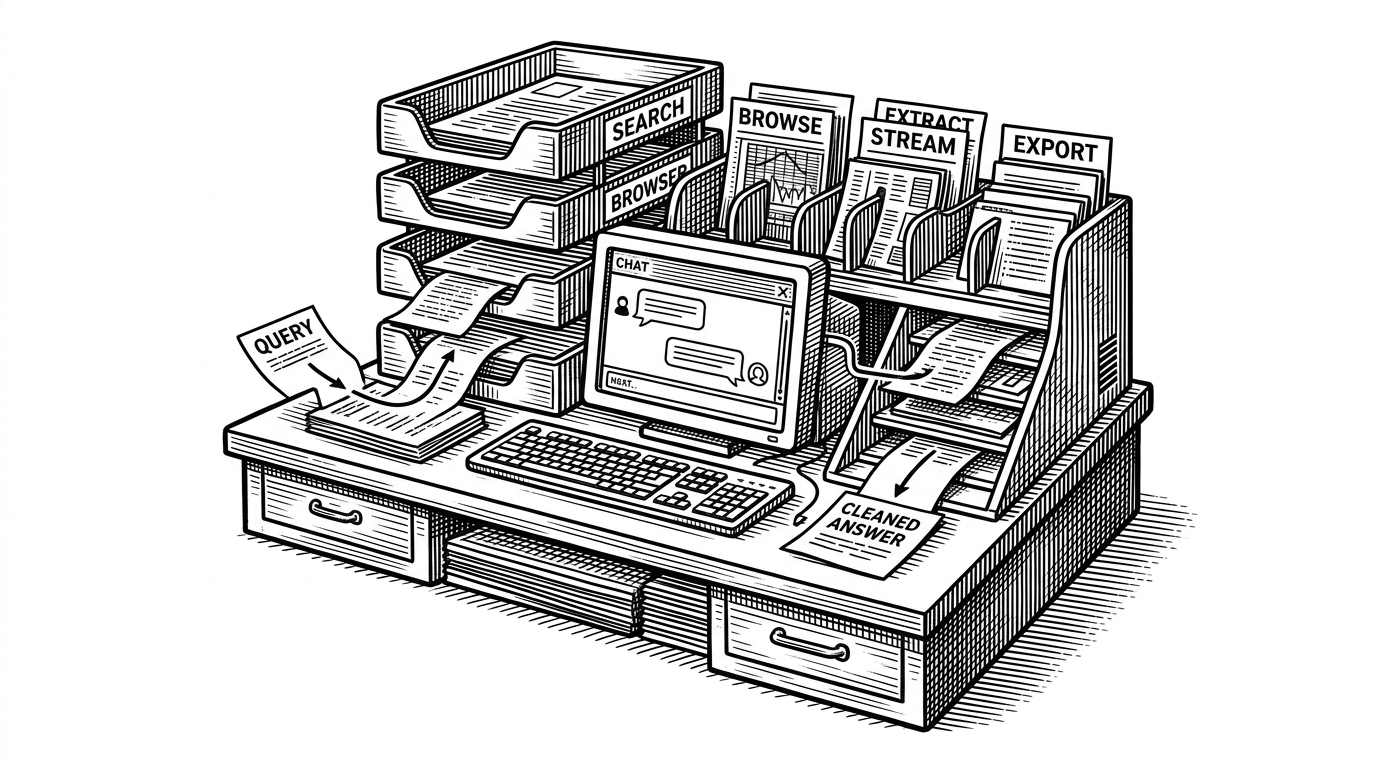
- OpenChat is interesting because it treats research as a fault-tolerant pipeline, not a single prompt sent to a model.
- Its search layer falls back across providers, then its browsing layer falls back again across extractors and recursive reading.
- The app’s multi-provider client code matters because it manually handles different streaming protocols instead of hiding behind one SDK.
- OpenChat’s local history, exports, and browser-ready CORS workaround make it feel like software you can own and operate, not just consume.
Why OpenChat Feels Like a Research Tool, Not a Wrapper
OpenChat starts with a familiar surface, a chat UI, but the repo is built around a different promise: keep the conversation useful when the task stops being conversational. The real product is the path from question to evidence, with provider switching, local history, and web retrieval stitched together into one workflow.
That matters because most AI clients optimize for the first answer. OpenChat optimizes for the second try, and the third if needed. It assumes providers fail, pages misbehave, and browsers get in the way, then builds around those failures instead of pretending they do not exist.
The Tiered Search Stack
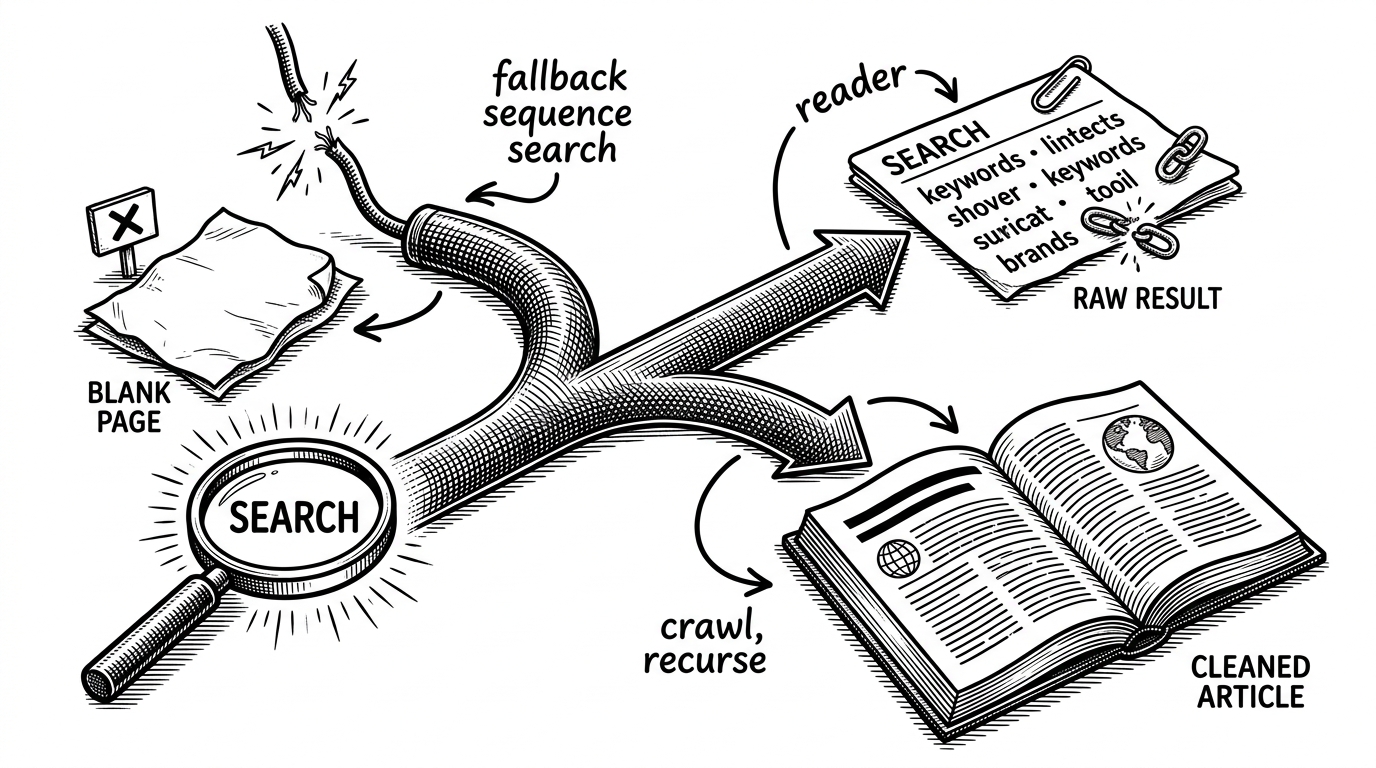
The most distinctive part of the repo is its search ladder. OpenChat does not commit to one web source. It checks for Tavily first, then Brave, then DuckDuckGo scraping, which means the app can keep working even when one integration is missing or down.
| Search layer | What it does | Why it matters |
|---|---|---|
| Tavily | Primary search source when available | Fast path for structured web results |
| Brave | Second search option | Keeps the system working when the first source is unavailable |
| DuckDuckGo scraping | Last-resort search fallback | Preserves usefulness without depending on one commercial API |
From Search Result to Readable Page
OpenChat’s second-stage intelligence lives in WebPageBrowseService. It does not stop at a link list. It tries Jina Reader for cleaner extraction, falls back to Firecrawl when needed, and can keep walking if the first page looks like a homepage instead of the actual story.
That recursive step is the telling detail. A lot of research tools retrieve pages. Fewer of them ask whether the page is the answer or just a doorway to it. OpenChat does, and that changes the quality of the output more than a new model ever would.
Future<String> browse(String url) async {
  final readable = await jinaReader.read(url);
  if (readable.isNotEmpty) return readable;

  final firecrawl = await firecrawl.read(url);
  if (firecrawl.isNotEmpty) return firecrawl;

  if (looksLikeHomepage(firecrawl)) {
    final articleUrl = await followBestLink(firecrawl);
    return browse(articleUrl);
  }

  return firecrawl;
}
How OpenChat Talks to So Many Providers
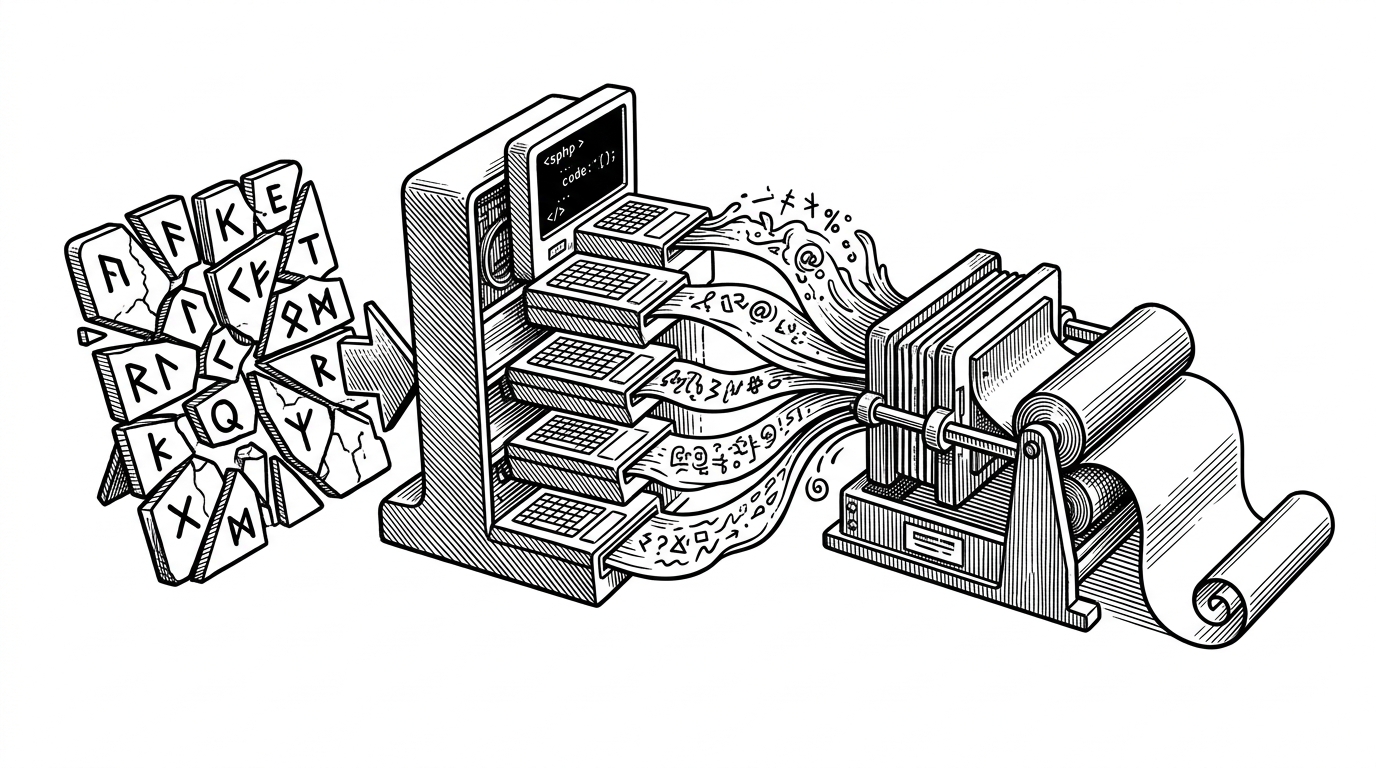
The multi-provider story is not just a settings screen. The repo’s openai_compatible_client.dart layer manually adapts to different streaming formats, including OpenAI-style SSE, Anthropic behavior, and Ollama’s line-delimited output. That is what makes the app feel like a true client instead of a thin wrapper.
This matters because provider diversity usually breaks on the messy edge cases. OpenChat leans into those edges: it branches by provider type, handles stream parsing directly, and keeps the conversation moving even when the transport shape changes underneath it.
| Provider behavior | Typical wrapper | OpenChat |
|---|---|---|
| Streaming format | Often assumes one SDK shape | Branches for OpenAI, Anthropic, and Ollama patterns |
| Failure handling | Stops at the first bad response | Retries and adapts at the client layer |
| Portability | Locked to one vendor flow | Works as a multi-provider front end |
Why the App Feels Local-First
OpenChat also behaves like software that expects to be kept. Conversation history lives locally through lightweight persistence, prompt templates are reusable, and export support makes chats portable. The goal is not just convenience. It is ownership.
- Local history keeps previous threads available without depending on a remote inbox.
- Prompt templates let users standardize instructions and model overrides.
- Export features turn chats into artifacts you can move, archive, or audit.
- The app is designed to be useful even when the network or provider landscape changes.
That local-first posture is a product decision, not a marketing line. It says the client should preserve work, not just broker access to a service.
The Browser Problem, Solved Pragmatically
Flutter Web introduces a familiar trap: the browser does not let a client call every API endpoint directly. OpenChat answers with a CORS proxy in tool/, which is exactly the kind of practical escape hatch that makes a web app usable for developers instead of merely demoable.
It is a small detail with outsized value. Web readiness is often where experimental AI clients fall apart. Here it is treated as part of the product surface, not a footnote.
| Feature | Typical LLM chat app | OpenChat |
|---|---|---|
| Research depth | One search or none | Tiered search plus recursive browsing |
| Provider support | Single vendor or narrow API set | OpenAI-compatible plus Anthropic and Ollama paths |
| Local ownership | Often ephemeral | Local history, export, reusable prompts |
| Web deployment | Usually fragile in browsers | Explicit CORS workaround for web use |
What This Architecture Suggests
OpenChat is a sign that AI clients are becoming orchestration layers. The competitive advantage is shifting away from the prettiest chat surface and toward the quality of the pipeline behind it: fallback logic, extraction, recursion, and portability.
That is why this repo is more interesting than a standard chatbot clone. It treats failure as part of the workflow, which is exactly what real research software has to do. The interface is only the visible edge of a system that keeps trying until it gets something worth reading.