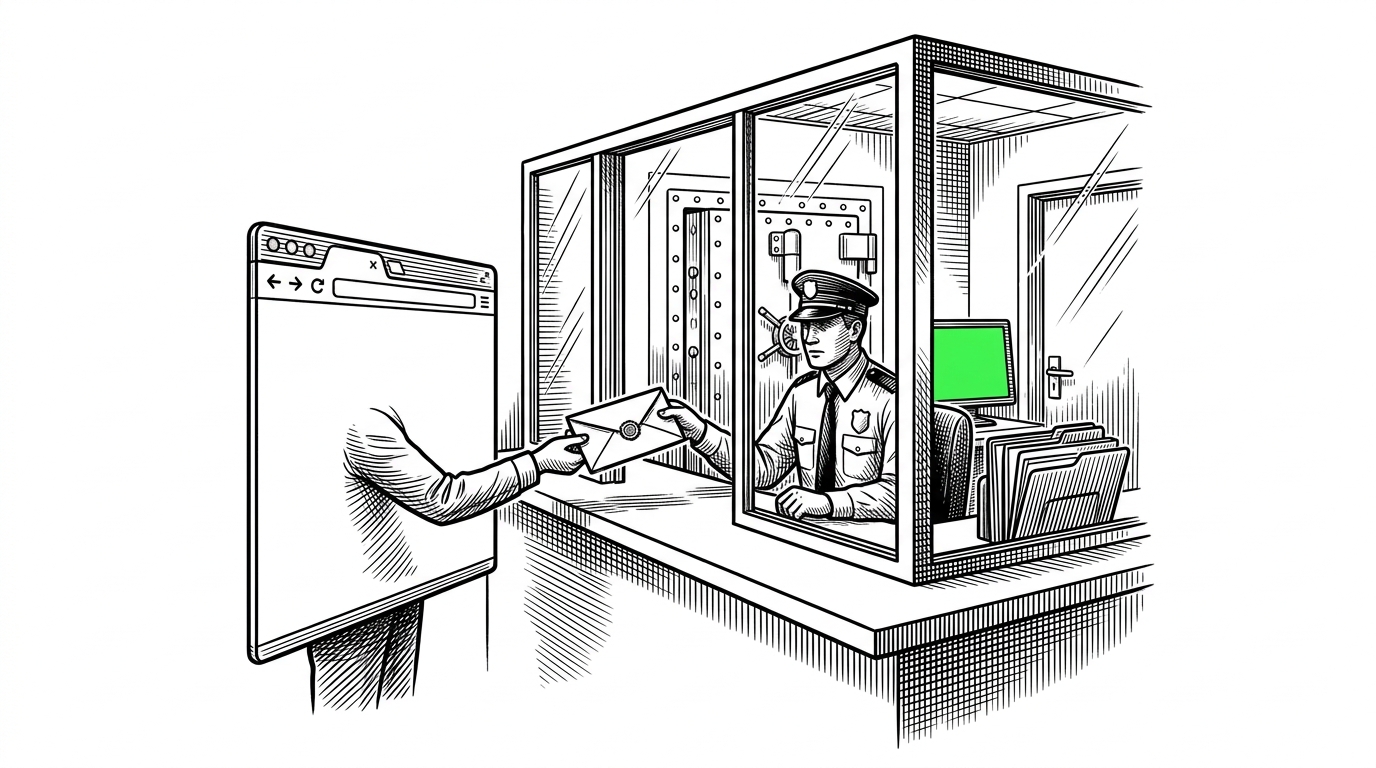
Odysseus: The Self-Hosted AI Workspace That Tries to Be Your Private Operating System
A deep look at a project that connects local model serving, model selection, research, memory, and everyday work into one workspace.
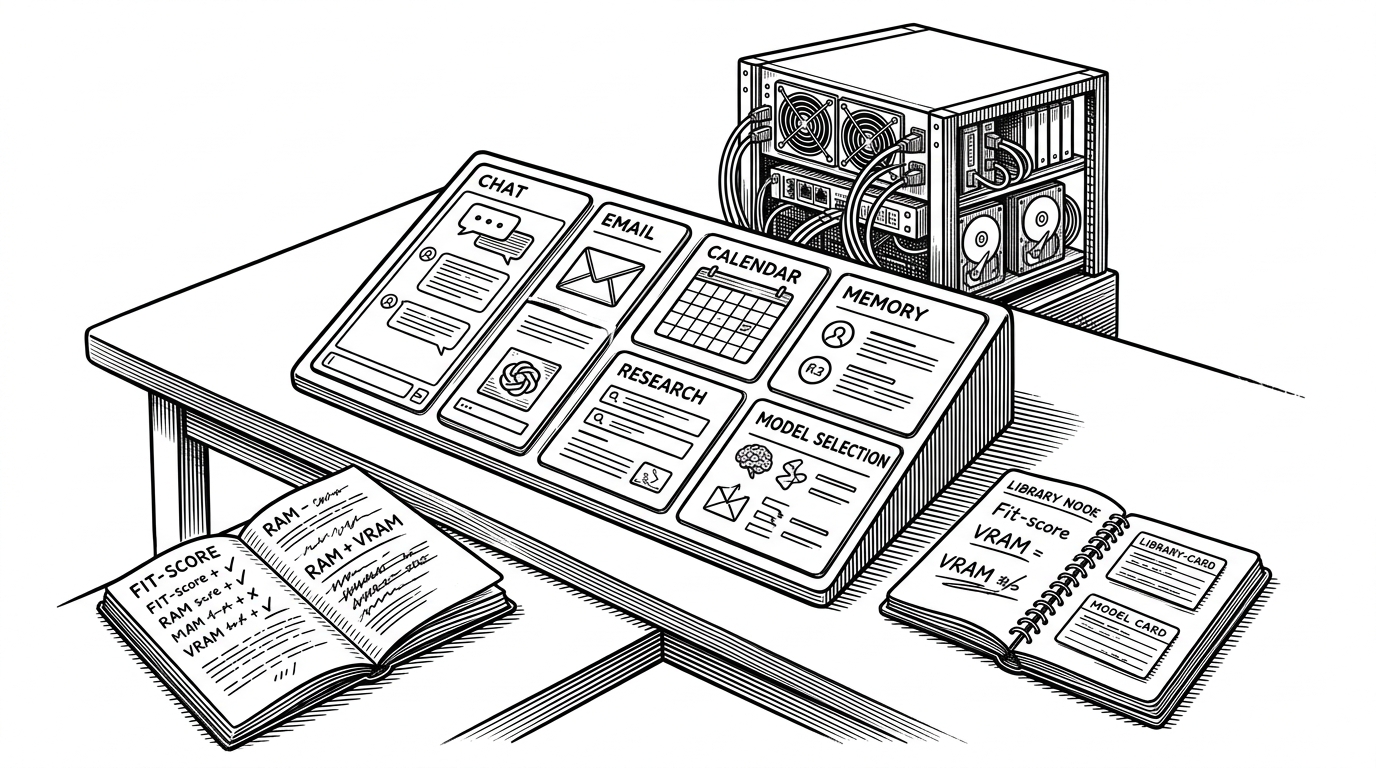
- Odysseus treats model selection, serving, memory, and daily work as one product surface.
- Its Cookbook idea is the bridge between hardware reality and a usable local AI experience.
- The repo’s resilience work matters because local AI fails in messy, predictable ways.
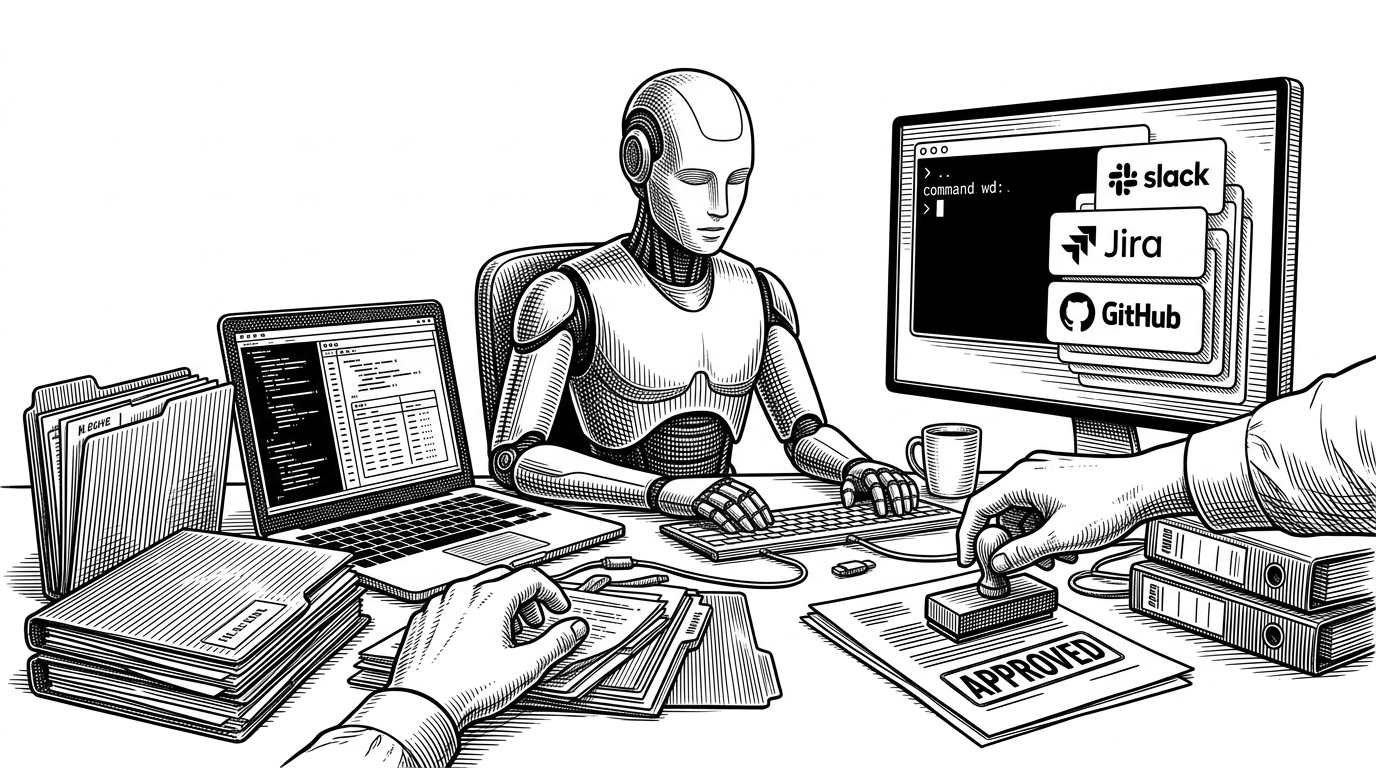
- The project’s ambition is broader than a chat UI, even if the codebase reads more like a thesis than a finished platform.
Most local AI projects start with a model and stop there. Odysseus starts with a bigger question: what does a private AI workspace look like when it has to live on your own hardware, handle your own data, and still feel usable on a normal workday? That is a different product thesis. It moves the center of gravity from chat to workflow.
That shift is why the repo is interesting even before you decide whether it is complete. The ambition is not just to run models locally. It is to make local AI behave like an operating environment for email, calendar, documents, memory, research, and agents.
The real product is not chat
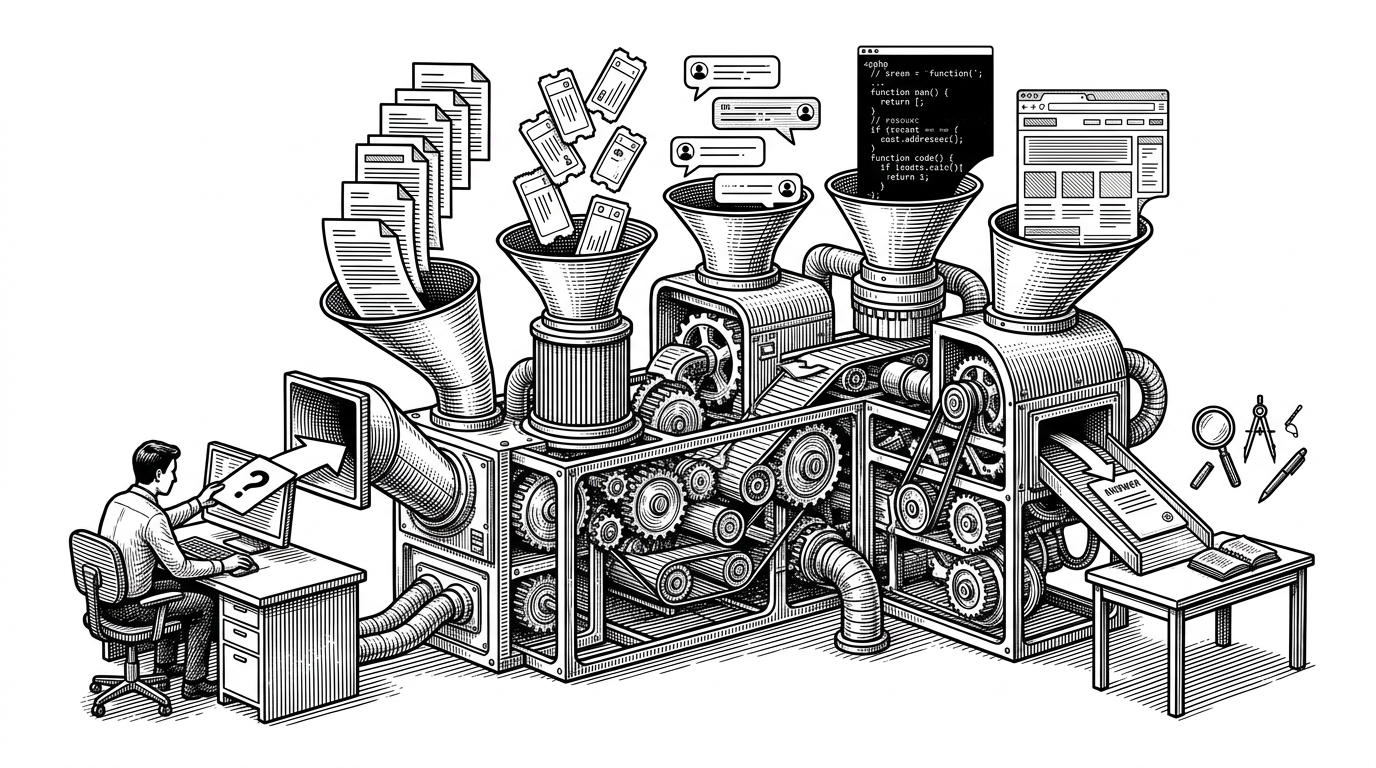
Odysseus presents itself as a workspace, but the more revealing idea is the one hiding underneath: it wants to collapse infrastructure and interface into the same place. If you have to think separately about which model to run, where it runs, how it fits your machine, and how it connects to your daily tasks, the system is already too fragmented.
The project’s logic is simple to say and hard to build. A user should be able to move from hardware to model choice to actual work without crossing a bunch of separate tools. That is the line Odysseus keeps trying to erase.
📌 AI Repo of the Day - Jun 5, 2026 pewdiepie-archdaemon/odysseus Self-hosted AI workspace. https://t.co/uaOJQQS0qx Discover more trending AI/ML repos 👇 https://t.co/T8o2NghG6I #RepoOfTheDay #GitHub #AI #ML
Cookbook: the missing layer between hardware and AI
The most compelling idea in the repo is the Cookbook. It reframes model choice as a product problem, not an advanced-user chore. Instead of assuming you already know what fits, the system inspects the machine, scores candidate models, and turns that into an actionable recommendation.
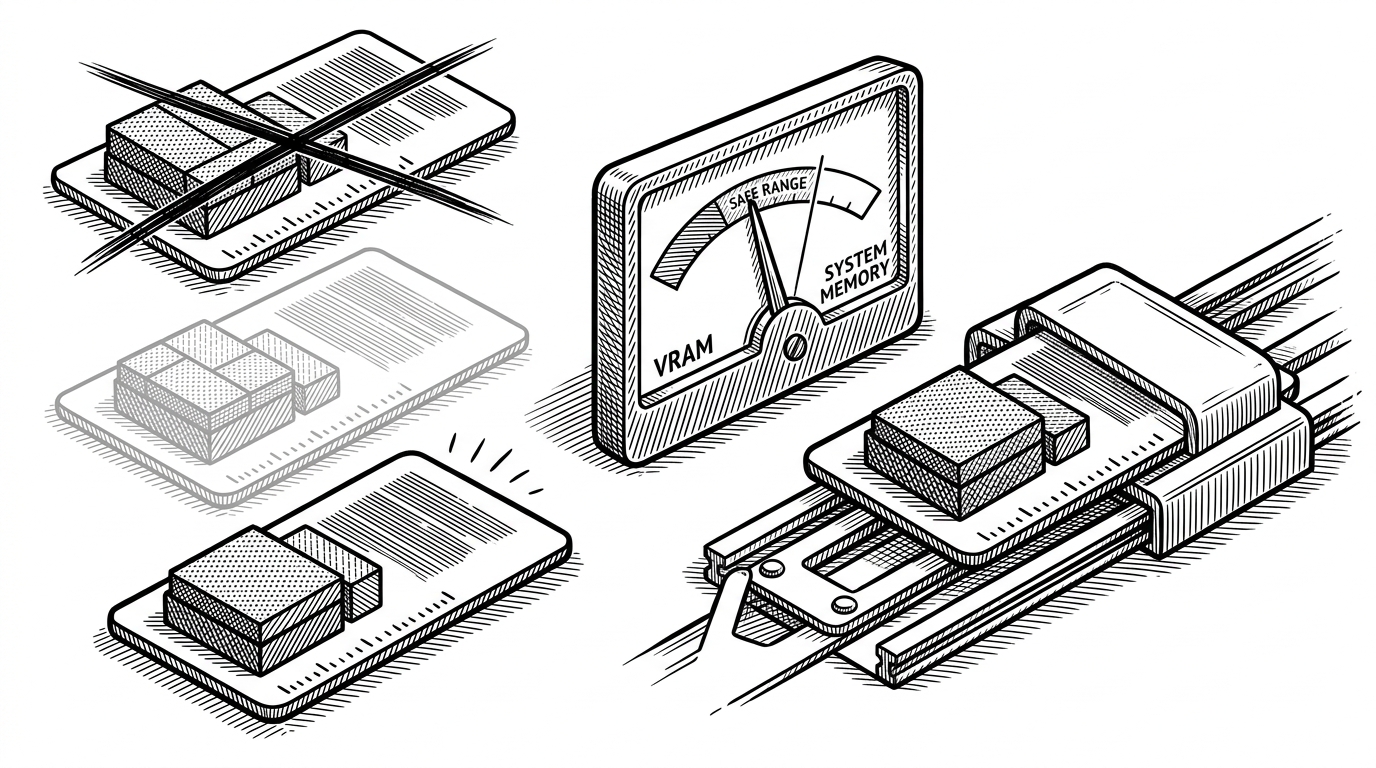
That matters because local AI is full of false starts. People do not just need a download button. They need a system that can tell them what their machine can realistically support, then make the right thing obvious.
How Odysseus stays standing when local AI gets messy
The repository’s resilience work is part of the product story. Local AI apps fail in predictable ways: long requests hang, storage corrupts, credentials leak, and startup assumptions break on different platforms. Odysseus appears designed with those failure modes in mind.
The app layer uses hard timeouts, but it also whitelists long-running routes so research and chat do not get cut off blindly. Sensitive fields are encrypted at rest. Session writes are atomic. Internal usernames are reserved so the system cannot be tricked by name collisions. And when vector search fails, the app can degrade instead of collapsing.
That is not glamorous engineering. It is the difference between a demo and a tool people can live with.
What the resilience layer is buying you
- Hard timeouts stop one stuck request from freezing the whole app.
- Encrypted fields reduce the blast radius of a leaked database file.
- Atomic writes protect state during concurrent updates or crashes.
- Degraded startup keeps the workspace alive when a dependency is unavailable.
The architecture behind the workspace
The codebase is organized like a service stack rather than a monolith. The `/core` layer holds data and security foundations. `/routes` carries feature-specific API surfaces. `/src` contains the business logic and manager classes. `/integrations`, `/mcp_servers`, and `/scripts` extend the system outward into tools, protocol adapters, and maintenance tasks.
That separation matters because it keeps the product idea legible. Pure models stay pure. Persistence handles persistence. Initialization happens in a dedicated layer. In other words, the repository is trying to make the workspace modular enough to survive feature growth.
The result is closer to a platform sketch than a single-purpose app. It is built to connect multiple surfaces without turning every feature into a special case.
Why this is not just another local LLM app
The comparison is useful because it shows where Odysseus is trying to live. Ollama is the simplest path to local model execution. LocalAI is a strong API-compatible backend. text-generation-webui is a flexible playground. PrivateGPT is great at private document Q&A. Odysseus is aiming above all of them, toward a unified workspace.
| Project | Primary job | Strength | Weakness | Where Odysseus differs |
|---|---|---|---|---|
| Ollama | Local model execution | Very simple setup and model management | Not a full work surface | Odysseus tries to bundle serving with daily workflows |
| LocalAI | OpenAI-compatible local backend | Good for infrastructure reuse | Backend-first, not workspace-first | Odysseus is built around the user experience of choosing and using models |
| text-generation-webui | Model playground | Flexible and experiment-friendly | More like a lab than an operating environment | Odysseus leans toward an integrated private workspace |
| PrivateGPT | Private document Q&A | Focused retrieval workflow | Narrower in scope | Odysseus is broader than document chat and tries to handle more of the day |
The point is not that Odysseus does everything better. The point is that it is trying to solve a different problem. It is less about one task and more about the space between tasks, the place where local AI becomes part of a working day.
The limitation is also the story
There is a tension here, and it makes the piece stronger, not weaker. The repository looks more like a design thesis than a mature production system. That means the interesting question is not just what it does. It is what it is trying to prove.
Odysseus asks whether self-hosted AI can feel like an operating system instead of a pile of tools. That is a serious ambition. Even when the implementation is incomplete, the product idea is clear enough to judge on its own terms.