generative-ai-for-beginners: The AI Rosetta Stone: Inside Microsoft’s Blueprint for the Agentic Era
How microsoft/generative-ai-for-beginners bridges the gap between raw prompts and production-grade agentic systems across 50 languages.
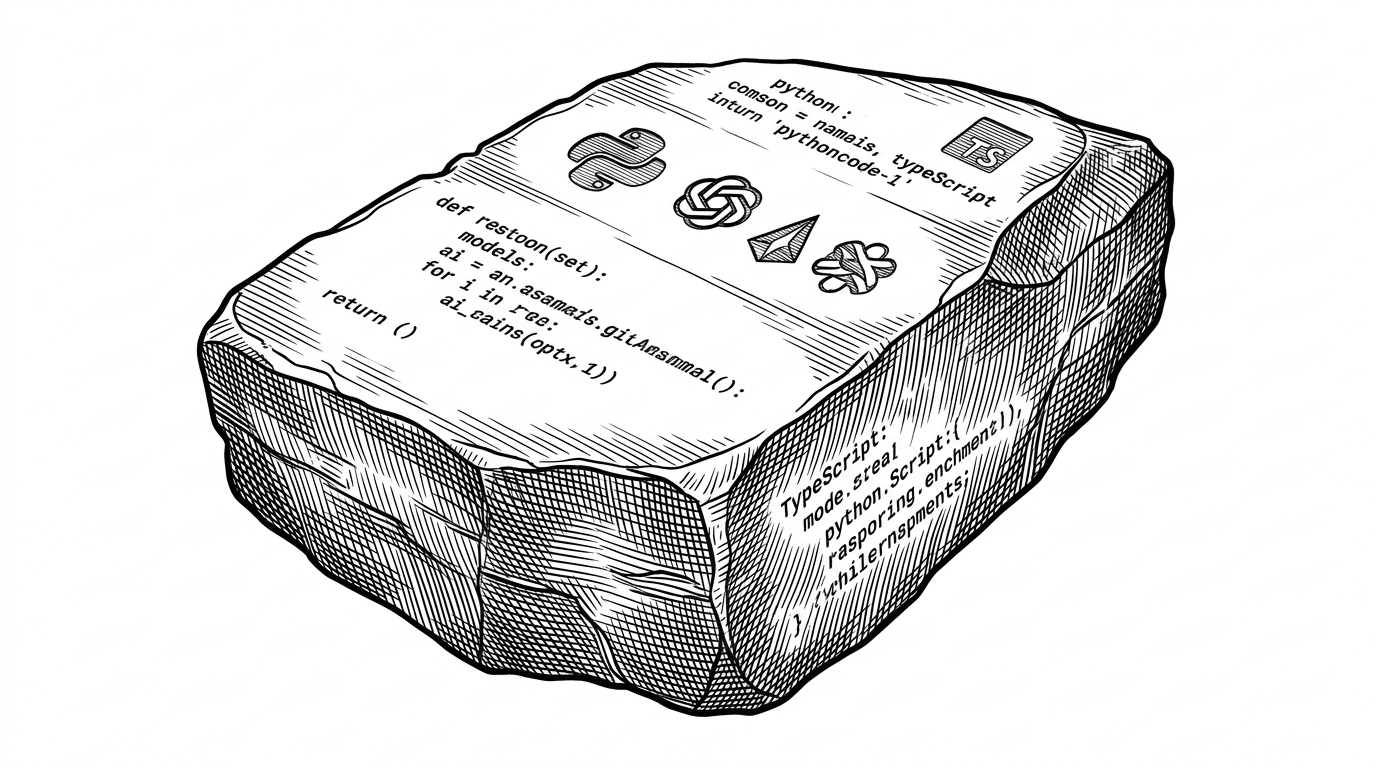
- The curriculum treats Large Language Models as standardized reasoning components rather than simple text generators.
- Parallel code paths for Azure and OpenAI teach developers to remain provider-agnostic.
- The course uses function calling to bridge the gap between probabilistic AI outputs and deterministic backend APIs.
- Lessons prioritize operational security by integrating input sanitization and secure state management into every application.
The Moving Target
Teaching Generative AI is like building a house on a tectonic plate. APIs change weekly, "best practices" expire in months, and new models rewrite the baseline capabilities developers expect. To anchor this chaos, Microsoft engineered generative-ai-for-beginners not as a static tutorial, but as a living standard library for AI education.
Rather than focusing purely on transformer math or ephemeral prompt hacks, the curriculum treats the Large Language Model (LLM) as a standardized reasoning component within a larger software stack. The goal is to transition developers from writing zero-shot prompts to orchestrating full agentic systems.
The Provider Agnostic Pattern
The most compelling architectural feat of the repository is its strict adherence to provider agnosticism. Most AI education binds the learner to a single vendor. This repository, however, implements parallel code paths for Azure OpenAI, the standard OpenAI API, and GitHub Models.
| Azure OpenAI Approach | OpenAI API Approach |
|---|---|
| <code>client = AzureOpenAI(api_version="2023-05-15", azure_endpoint=endpoint)</code> | <code>client = OpenAI(api_key=os.environ.get("OPENAI_API_KEY"))</code> |
| Relies on Azure RBAC and endpoint routing. | Relies on direct API key injection. |
| <code>deployment_name = "gpt-35-turbo"</code> | <code>model = "gpt-3.5-turbo"</code> |
By maintaining these parallel paths, the curriculum effectively acts as a Rosetta Stone for AI SDKs. It forces the learner to recognize that the prompt engineering logic and the application state management remain identical, regardless of which endpoint is processing the tokens.
Beyond the Prompt: Function Calling
The repository marks a clear inflection point in Lesson 11, where it pivots from text generation to function calling. This is where the LLM stops being a simple chatbot and becomes a reasoning engine capable of executing local application logic.
The curriculum demonstrates that the schema description itself is a form of prompt engineering. By defining strict JSON schemas for local functions, developers learn to constrain the LLM's output and safely bridge the gap between probabilistic text generation and deterministic backend APIs.
Industrial-Scale Education
Supporting this curriculum is a massive localization engine. Using GitHub Actions, the maintainers synchronize over 50 different language translations. Because this bloats the repository with over 30MB of Jupyter Notebooks, they explicitly teach the use of git sparse-checkout—a rare but highly practical DevOps lesson embedded within an AI course.
This scale has also led to ecosystem expansion, spawning dedicated paths for developers in other languages who want to leverage the same architectural patterns.
Today we’re releasing Version 2 of Generative AI for Beginners .NET, our free, open-source course for building AI-powered .NET applications.
Security First, Hype Second
Before reaching advanced topics like multi-agent simulations, the course addresses "Day 2" operational problems. Lesson 05 introduces a Flask web app to emphasize input sanitization (using markupsafe.escape) and secure state management via cryptographically secure session keys.
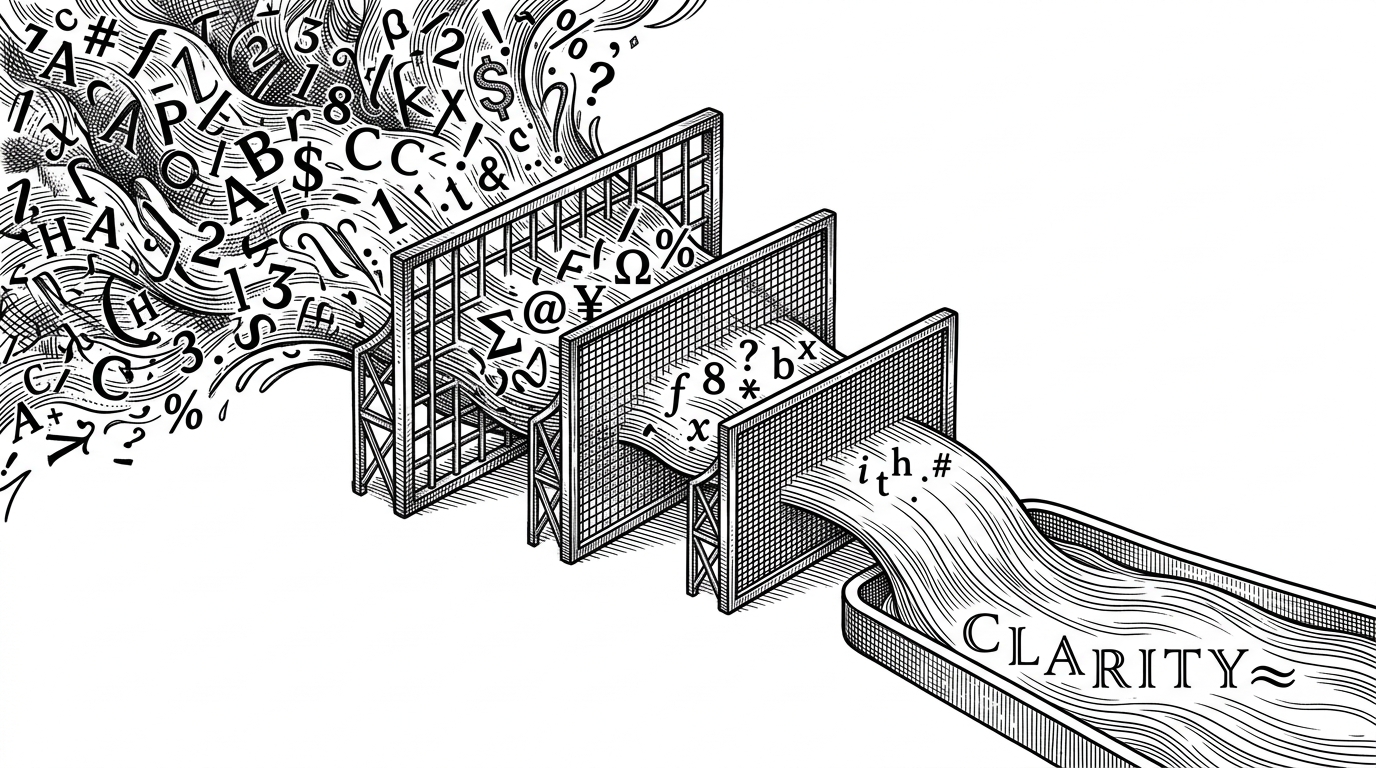
By prioritizing these guardrails, generative-ai-for-beginners ensures that developers aren't just learning how to make an API call, but how to safely integrate AI into a hostile public-facing web environment.