millionco/ami-releases: The Public Repo That Ships a Local-First AI Coder
Ami's most revealing code is not the agent itself. It is the release pipeline that turns a desktop AI environment into a GitHub release, a checksum, and a Homebrew install.
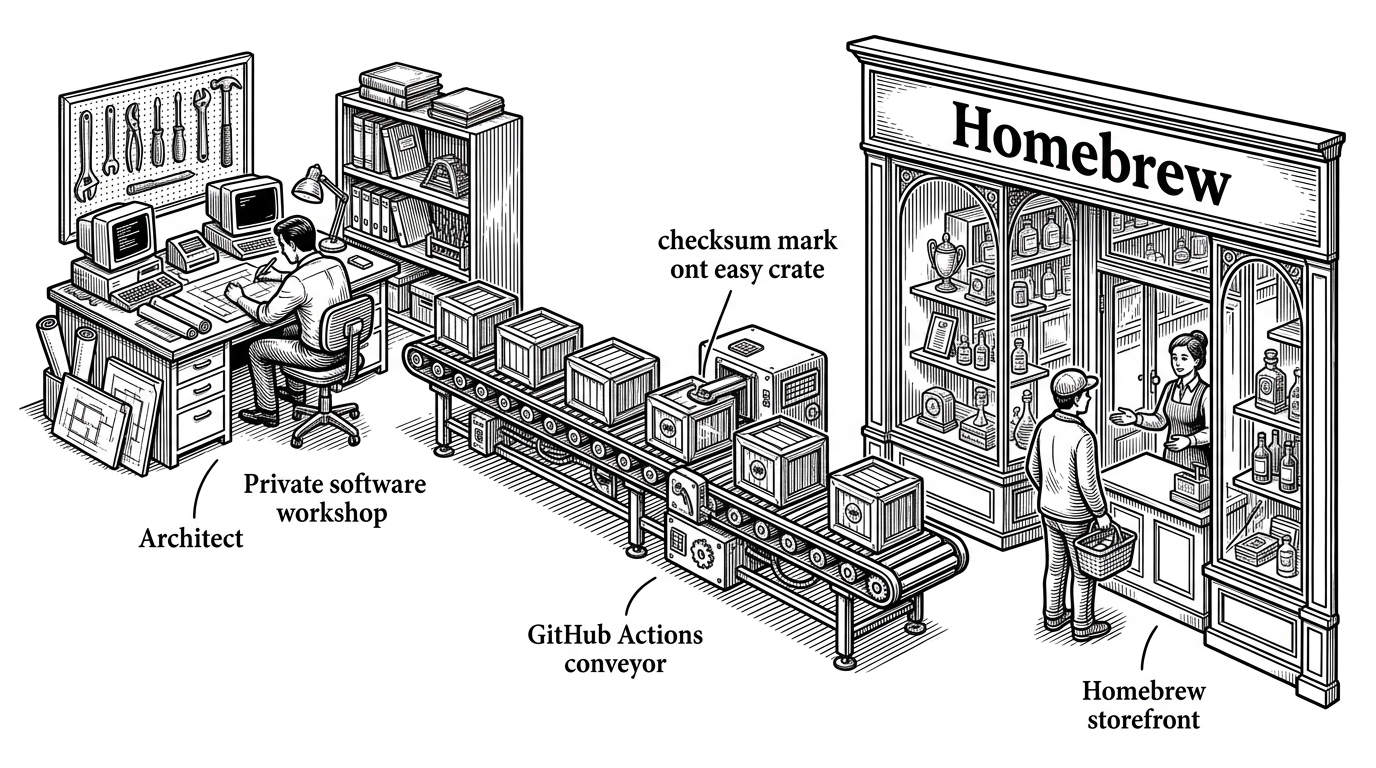
- Ami's public repository is a distribution machine, and that is the product choice that makes the app feel trustworthy.
- Local execution changes the contract for an AI coding tool, because privacy, latency, and machine-wide context become part of the promise.
- The update-homebrew workflow turns each release into a checksum-verified Homebrew cask without manual glue work.
- In this category, shipping discipline is not back-office plumbing. It is part of the user experience.
Ami's public repository does not contain the whole app. That is the point. millionco/ami-releases is the distribution layer for a local AI coding environment, which means the repo is less about source code than about trust, installability, and the path from private build to public install.
Run coding agents on your desktop without breaking your flow.
The repo is the product surface
Most release repositories are bookkeeping. This one is the public face of the product. It carries releases, install instructions, security contact details, and a visible version history, so the outside world can trust the app without seeing the private codebase behind it.
That matters because Ami is not shipping a neutral utility. It is a desktop environment that wants access to files, terminals, and the rest of the machine. Once software asks for that much context, the path into the machine becomes part of the product.
Why local-first changes the product
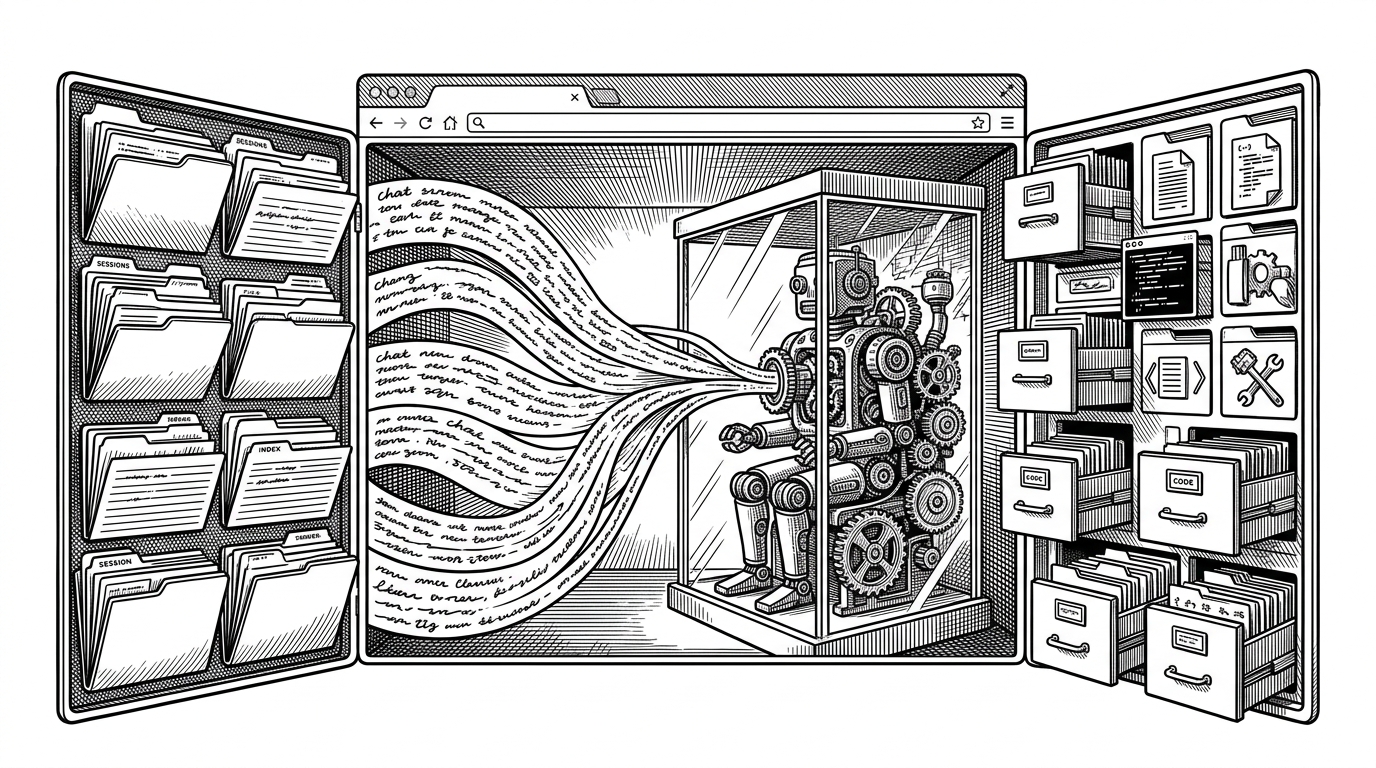
Local-first is not just a deployment detail here. The README says the agents run on the user's machine with full access and context, which changes the product on three axes: latency drops, privacy improves, and the agent can work against what is already on disk instead of what has been synced to a cloud container.
Local: Agents run on your machine with full access and context
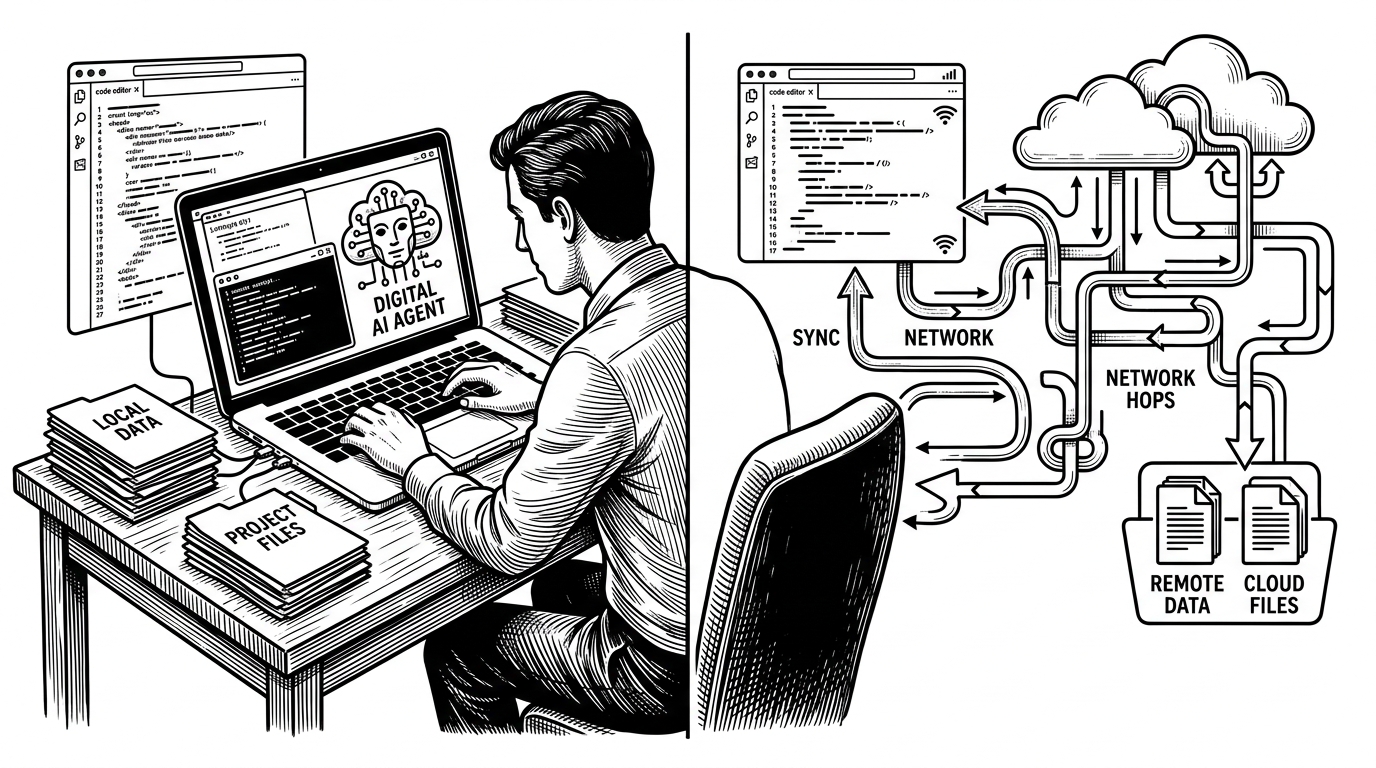
That is the real differentiator. A cloud-tethered assistant can be powerful, but a local desktop agent gets to live where the work already happens. The repo's shipping system exists to make that promise feel ordinary, polished, and repeatable.
How the release pipeline bridges private builds and public installs
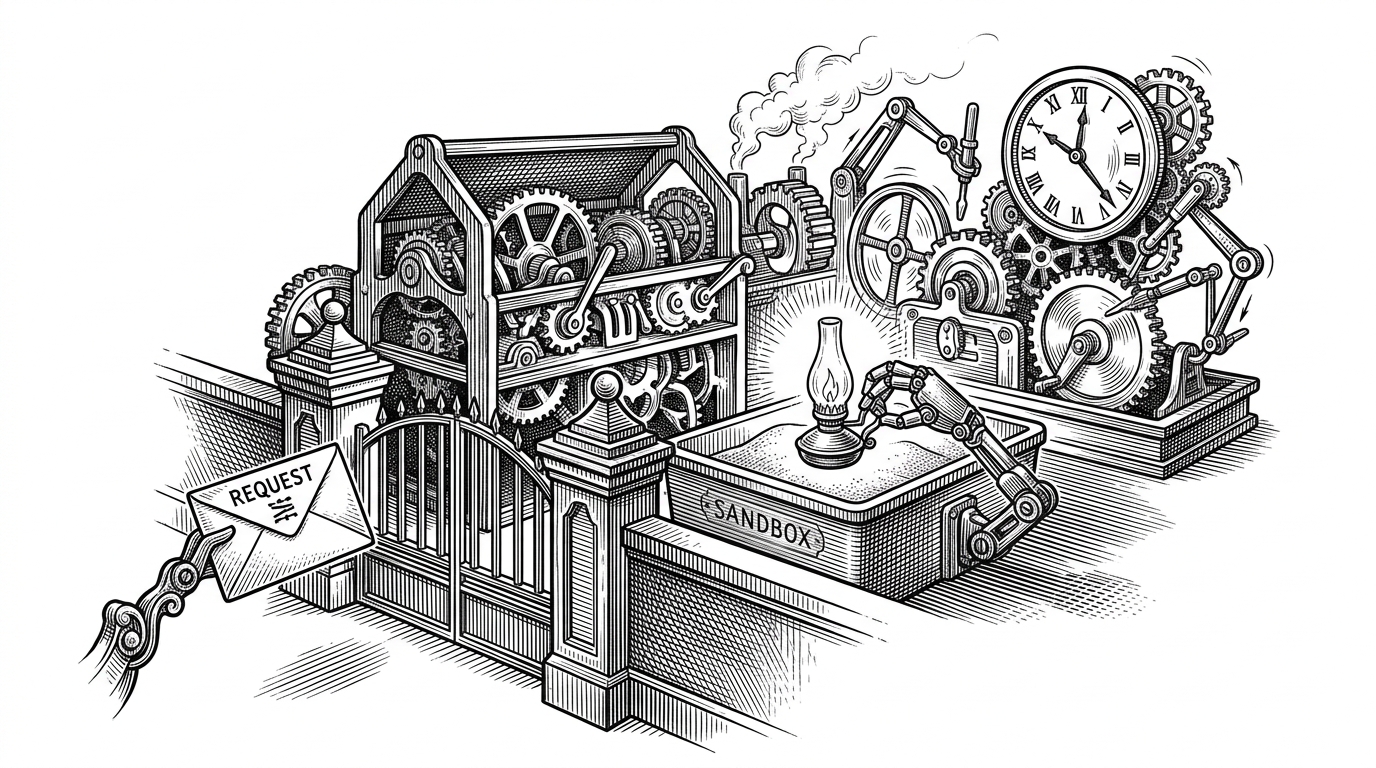
The most technical file in the repo is the Homebrew automation workflow. On release, a GitHub Actions runner downloads the macOS arm64 zip, calculates its SHA256 checksum, and rewrites the cask in millionco/homebrew-ami so the public install path stays in sync with the shipped binary.
That makes the release process feel like a product feature instead of a maintenance chore. Users do not need to chase download links or wonder whether the package manager points at the right artifact. The checksum closes the trust loop, and the cask update closes the distribution loop.
The founder thread behind the product

Aiden Bai gives the project a clear technical bias. His work on Million.js was about making the web feel faster and lighter, and Ami carries that same instinct into a different surface: local execution instead of browser rendering.
That background helps explain why the repo feels unusually disciplined for a public-facing release channel. The team treats distribution like systems work, not marketing varnish.
Where Ami sits in the agent stack
Ami does not map neatly onto the usual AI coding-tool shelf. Cursor is an AI-native editor, GitHub Copilot lives inside existing IDEs, and Claude Code pulls the workflow toward the terminal. Ami is trying to own the whole desktop moment, where the agent lives beside the files instead of behind a browser tab.
| Tool | Where it runs | How updates ship | Product model |
|---|---|---|---|
| Ami | Native desktop app on the user's machine | GitHub Releases plus a Homebrew cask | Local-first coding agents with machine-wide context |
| Cursor | Desktop editor | App update channel | AI-native editor with deep code navigation |
| GitHub Copilot | IDE extension and GitHub surfaces | Marketplace and IDE updates | Assistant inside existing developer workflows |
| Claude Code | Terminal agent | CLI install or package manager update | Model-centric coding workflow in the shell |
The comparison is not about who has the longest feature list. It is about product shape. Ami is betting that some developers want a local desktop environment where the install path, the update path, and the trust model are all part of the same experience.
The real thesis
That is why this repo matters. In AI developer tools, shipping is no longer back-office plumbing. The install path, checksum, and package-manager update are part of the user promise, because trust and context are part of the job.
If Ami works, it will not be because the team made another chat box. It will be because they made a local coding agent feel like normal software, from the first release tag to the last upgrade command.