Breaking the Enterprise Silo: Inside feishu-cli
How a Go-based terminal utility uses concurrent pipelines and native AST mapping to turn Feishu into an AI-agent command center.
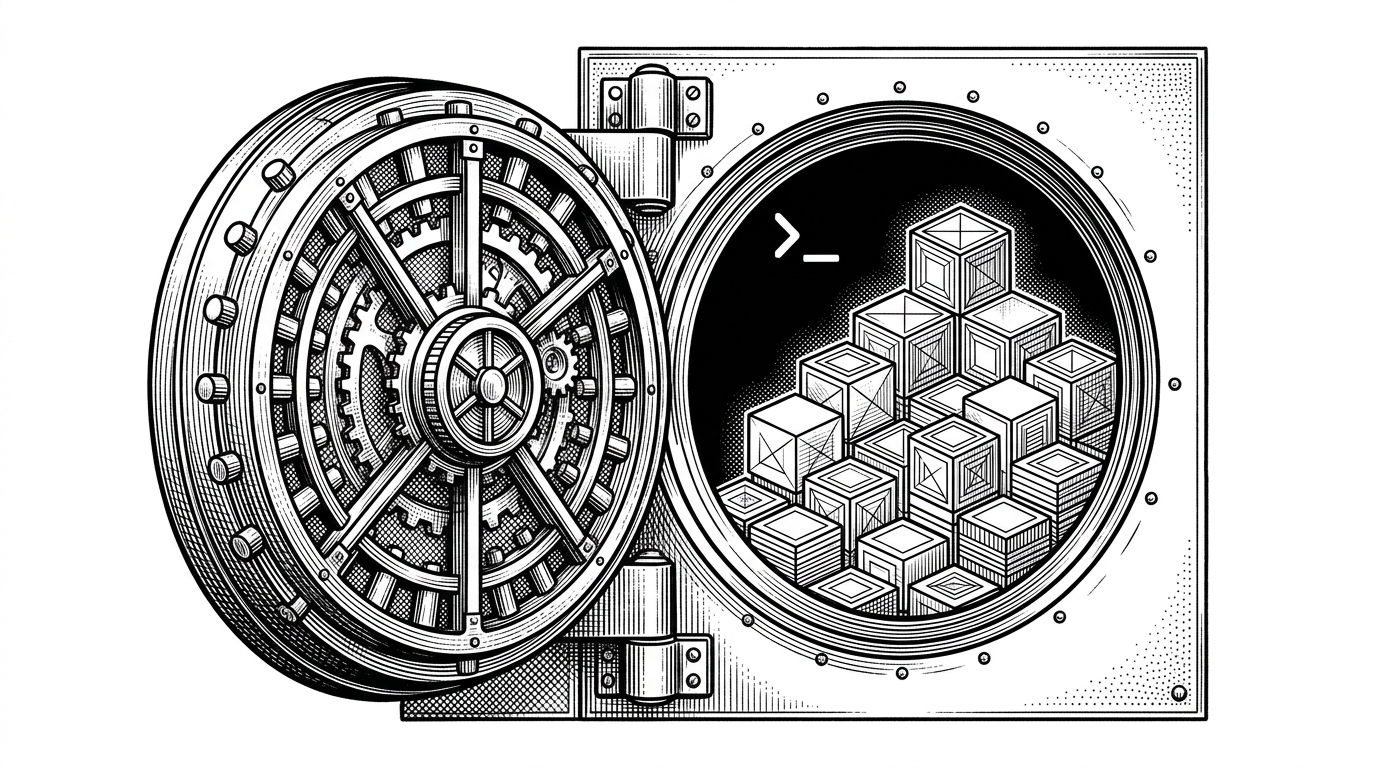

feishu-cli 是一个功能完整的飞书开放平台命令行工具。它将飞书文档、知识库、电子表格、消息、日历、任务等操作封装为简洁的命令行接口,核心能力是 Markdown ↔ 飞书文档双向无损转换。
- feishu-cli translates developer primitives directly into native, editable Feishu objects rather than static images.
- By shipping with 11 pre-built AI agent skills, it transforms passive chat environments into programmable workspaces.
- A three-stage concurrent pipeline written in Go bypasses strict API rate limits during massive document migrations.
The Universal Translator
Enterprise collaboration platforms are notorious black holes for developer workflows. Code, Markdown, and architecture diagrams go in, but proprietary, uneditable rich text comes out. The story of feishu-cli is how a community-built Go utility breaks this walled garden.
It does not just sync text. It acts as a universal translator, converting developer primitives into native, editable enterprise objects. The tool maps over 40 Markdown block types directly to Feishu's proprietary document Abstract Syntax Tree (AST). The standout capability is handling Mermaid and PlantUML syntax. Rather than capturing static screenshots, the CLI parses these structures into natively editable Feishu drawings and multi-dimensional tables.
Wiring the Agentic Enterprise
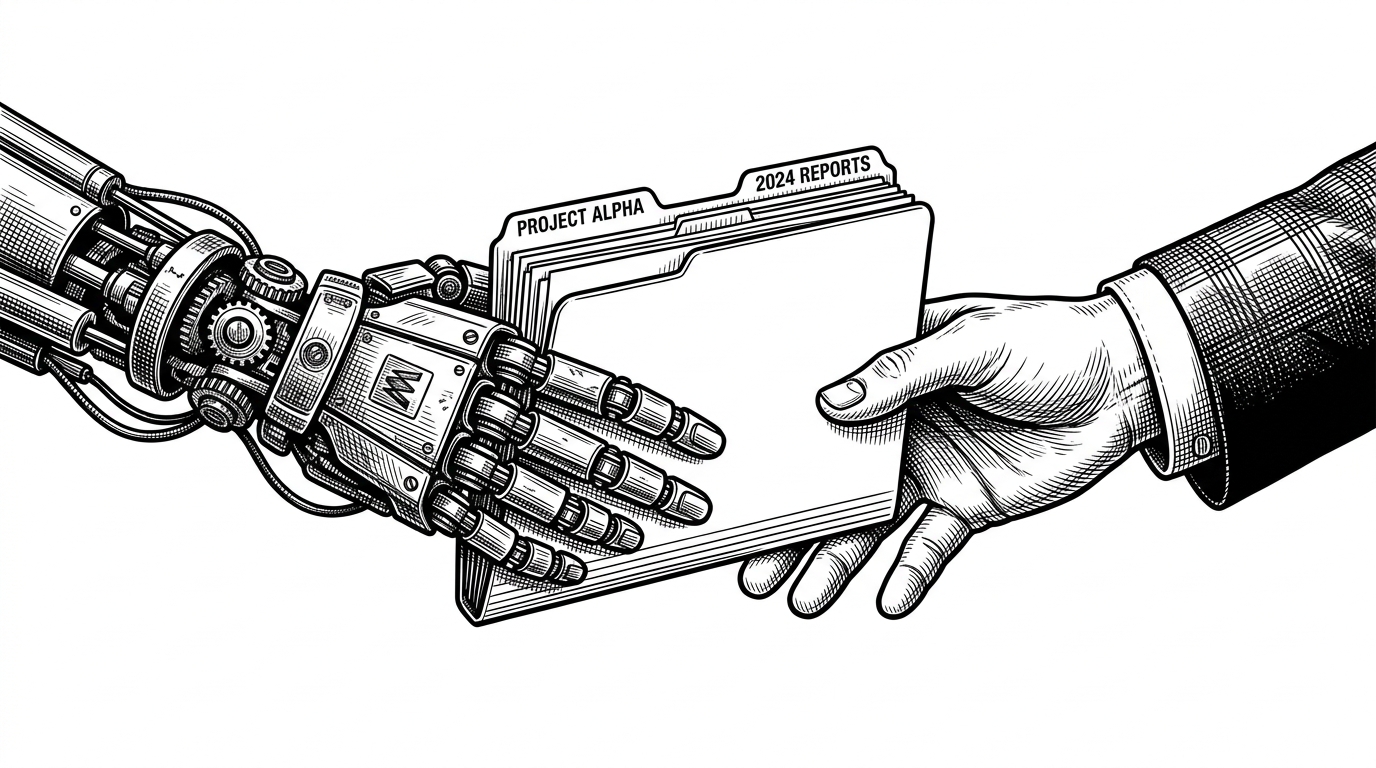
The CLI ships with 11 ready-to-use AI agent skills designed for local tools like Claude Code. Giving AI assistants direct CLI access to read, write, and manage permissions on corporate documents eliminates the traditional copy and paste barrier.
Surviving the Rate Limit
High-volume document ingestion typically triggers aggressive API bans. To circumvent this, the tool implements a three-stage concurrent pipeline in Go. This architecture allows the CLI to process bulk imports yield a 93 percent success rate under heavy load without being throttled.
The Open-Source Multiplier
Unlike official SDKs that are artificially constrained, this community-driven approach serves as a foundational layer for downstream projects. Tools like feishu-wechat-cli rely entirely on its parsing engine for cross-platform publishing.
| Feature | feishu-cli | Standard SDKs |
|---|---|---|
| Document Conversion | Lossless bidirectional (40+ blocks) | Unidirectional or raw API limits |
| Diagram Handling | Native editable Feishu drawings | Static screenshots |
| AI Readiness | 11 built-in agent skills | Requires custom wrappers |
| Architecture | 3-stage concurrent pipeline | Sequential processing |