openai/skills: The Repository That Turns Prompts into Portable Agent Skills
OpenAI's skills system packages instructions, docs, scripts, and validation into reusable modules, so agents act more like disciplined software than freeform text generators.
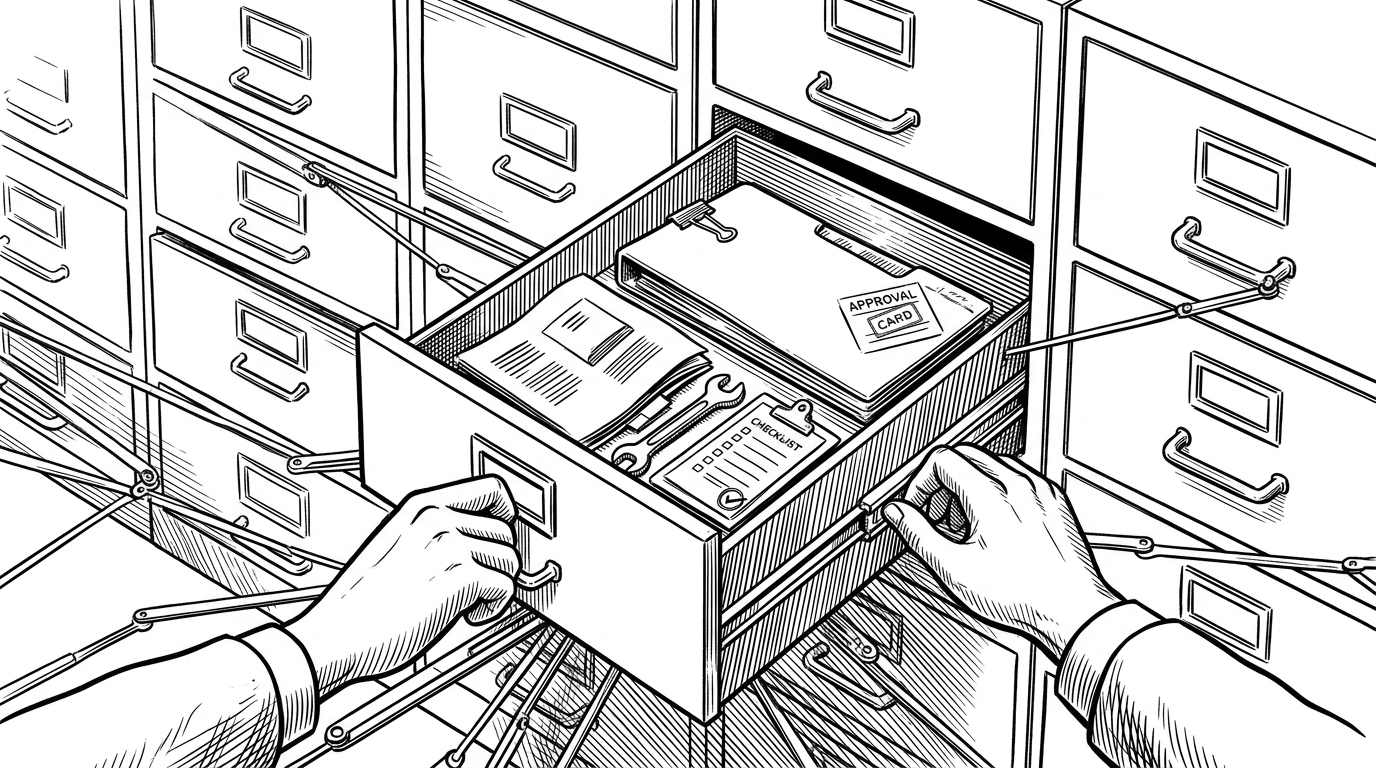
- openai/skills turns agent behavior into a folder contract, not a loose prompt.
- The repo's real trick is forcing agents to read the smallest useful docs before they act.
- Validation is treated as part of the skill, which makes the output easier to trust and easier to repeat.
- The model fits best when teams need the same task solved the same way across different runs.
The Prompt Is Not the Product Anymore
Most repositories sell a concept. openai/skills sells a contract. It treats a skill as a portable unit of behavior that an agent can discover, load, and execute, which is a much stricter idea than prompt engineering. This is not a community wrapper around a model. It is first-party OpenAI infrastructure, and that shows up in the way the repository is organized.
What a Skill Actually Contains
The important unit here is not a giant instruction blob. It is a directory with a job description. Each file answers a different question, and the folder only works if the pieces stay in role.
skills/.curated/aspnet-core/
  SKILL.md
  agents/openai.yaml
  references/
  scripts/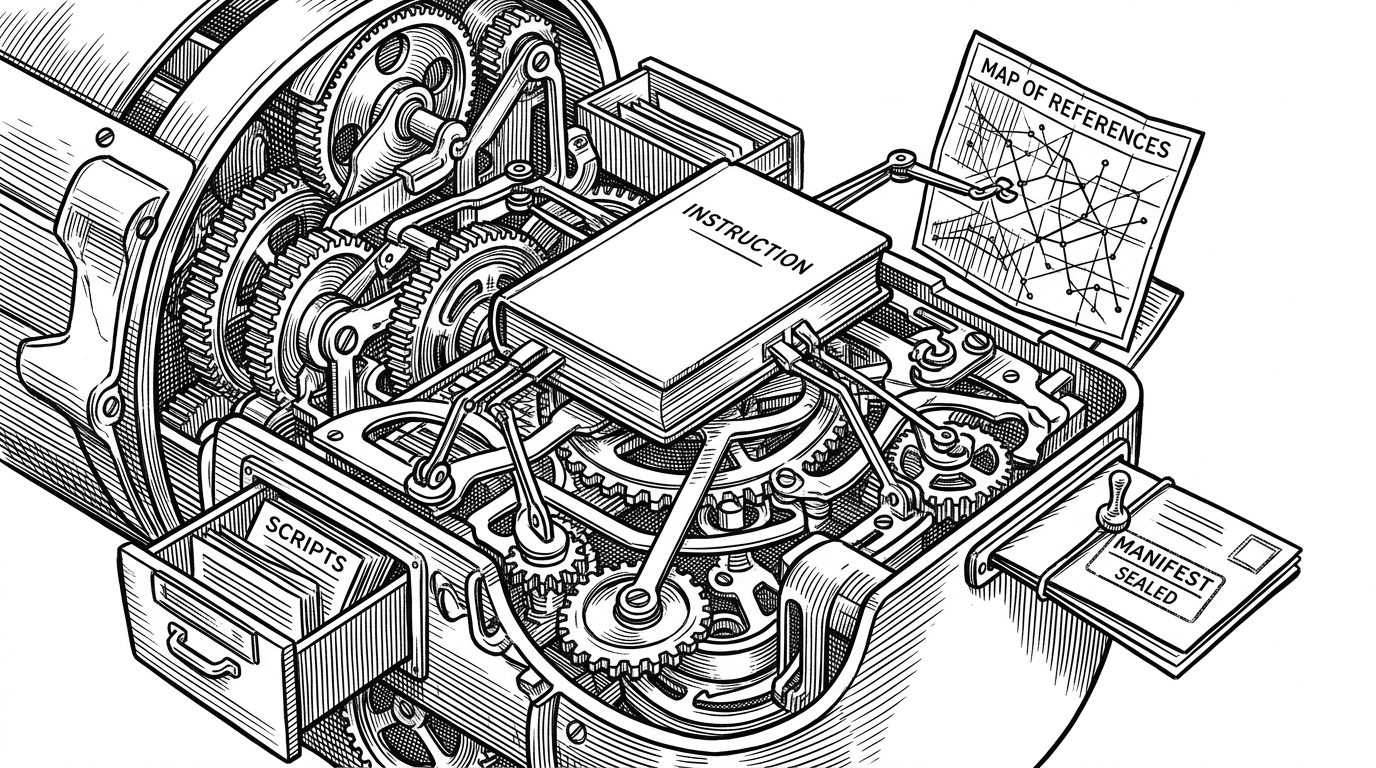
That structure matters because it splits intent from evidence. SKILL.md tells the agent how to behave. agents/openai.yaml defines how the skill is discovered and launched. references/ holds longer context that would otherwise bloat the prompt. scripts/ gives the agent something executable, which is a lot safer than asking it to invent every step from scratch.
Docs First, Then Action
The most opinionated move in the repo is the workflow itself. The agent is told to consult the docs first, then follow the prescribed path, then only use the narrower files it needs. That turns documentation into a control surface. It also makes the system less dependent on the model's memory, which is where a lot of technical failure starts.
The Validation Ladder
The repo does not stop at instructions. It insists on verification. That matters because a skill only earns trust if the output can be checked at more than one level. Static review catches obvious mistakes, syntax or compile checks catch broken structure, and local runtime sanity catches the thing that only fails when the pieces actually meet.
Why It Beats a Generic Prompt
Compare this with a long prompt and the difference is immediate. A prompt can tell an agent what to do. A skill can tell it what to read, what to run, and how to verify the result. That makes skills feel closer to a package manager than a prompt library, because the unit of reuse is bounded, discoverable, and testable.
| Approach | Reusable unit | Discovery | Constraint | Verification |
|---|---|---|---|---|
| Generic prompt | One long instruction blob | Manually copied into context | Depends on wording | Usually none |
| Traditional docs | Pages and runbooks | Human search | Guidance only | Manual review |
| Plugin or extension | Installed integration | Marketplace or manifest | API boundary | Platform specific |
| openai/skills | Skill folder with SKILL.md, references, and scripts | Registry tiers and manifests | Explicit workflow plus file contract | Validation ladder and scripts |
That is the real differentiator. The repository is not trying to make the model magical. It is trying to make agent behavior repeatable. The structure gives OpenAI a way to ship disciplined knowledge, and it gives builders a way to think about agent capabilities as something closer to software distribution than prompt writing.
Who This Model Is For
This model fits teams that need the same task solved the same way across different runs. Platform teams get a cleaner boundary between policy and action. Product teams get a reusable way to ship AI features without stuffing everything into one brittle prompt. Developers get a clearer mental model for where behavior lives, how it is discovered, and how it is checked before it reaches a user.