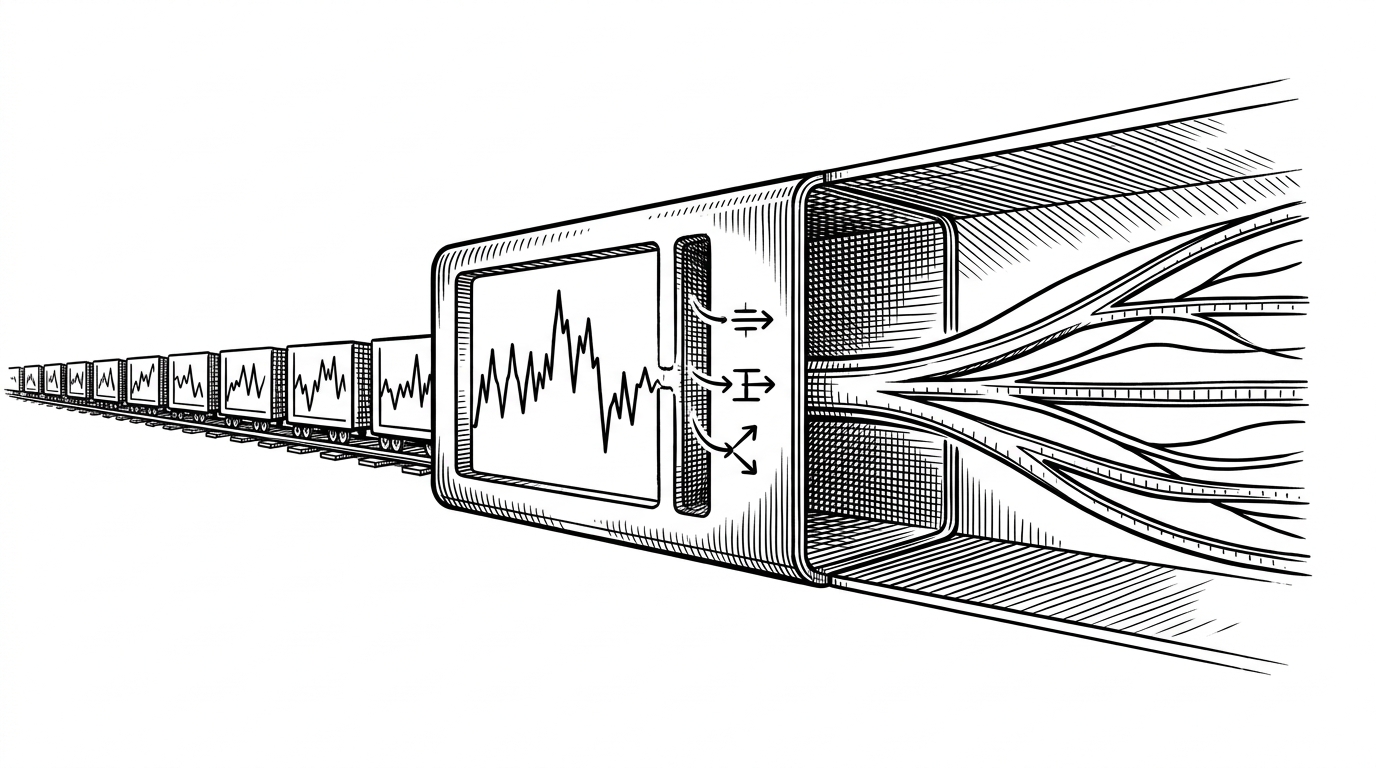
healthtwin-ai: HealthTwin AI: The Health Simulator That Turns One Form Into Five Predictions
A fast, offline-first digital twin uses model translation, Monte Carlo forecasting, and SHAP-ranked advice to turn raw health data into something a person can actually act on.
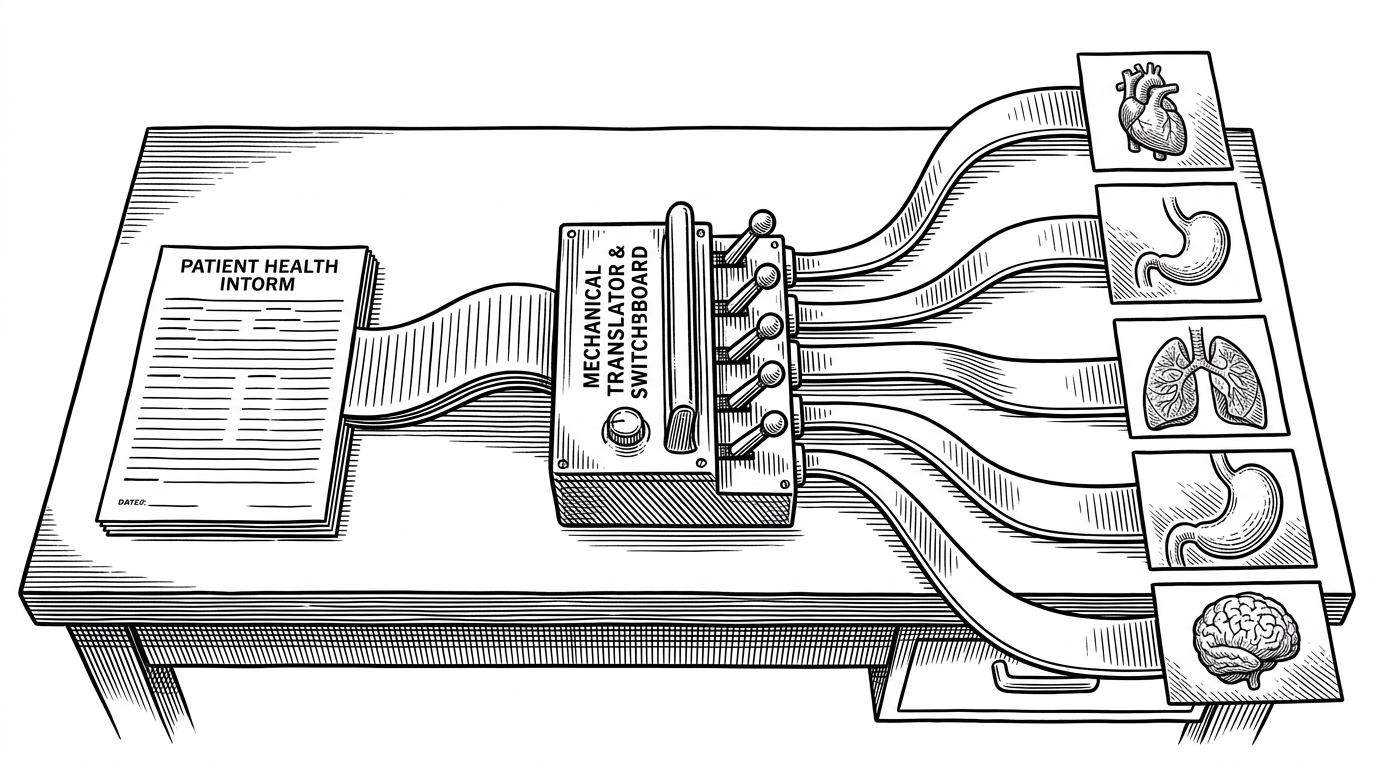
- HealthTwin AI’s most interesting move is translation, because one canonical health profile feeds multiple disease models without forcing multiple forms.
- Its digital twin turns prediction into a sandbox, so the user can test lifestyle changes before treating the result as real.
- Monte Carlo simulation keeps the forecast honest by showing a range of futures instead of one brittle label.
- SHAP is the bridge from model output to advice, which makes the system feel explanatory instead of merely predictive.
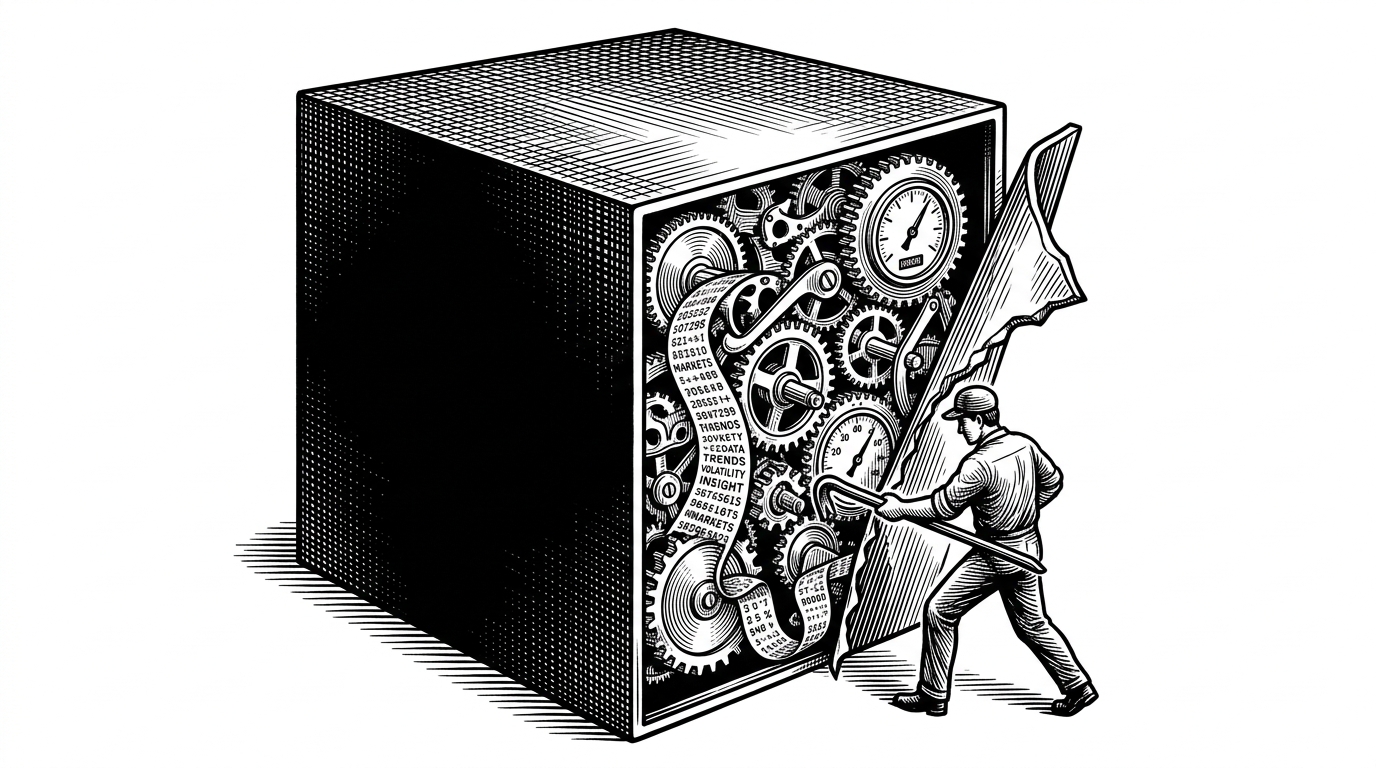
Most health apps stop at a score. HealthTwin AI keeps going. It takes one input, reshapes it into several disease-specific views, then asks a more useful question: what changes if the person changes something?
That is why the project stands out. The repo is not trying to be a general chatbot or a cloud-heavy wellness product. It is a compact, offline-first system built around a simple promise: turn raw health data into a model of someone’s likely future, then explain what matters most.
The trick: one health form feeds five different models
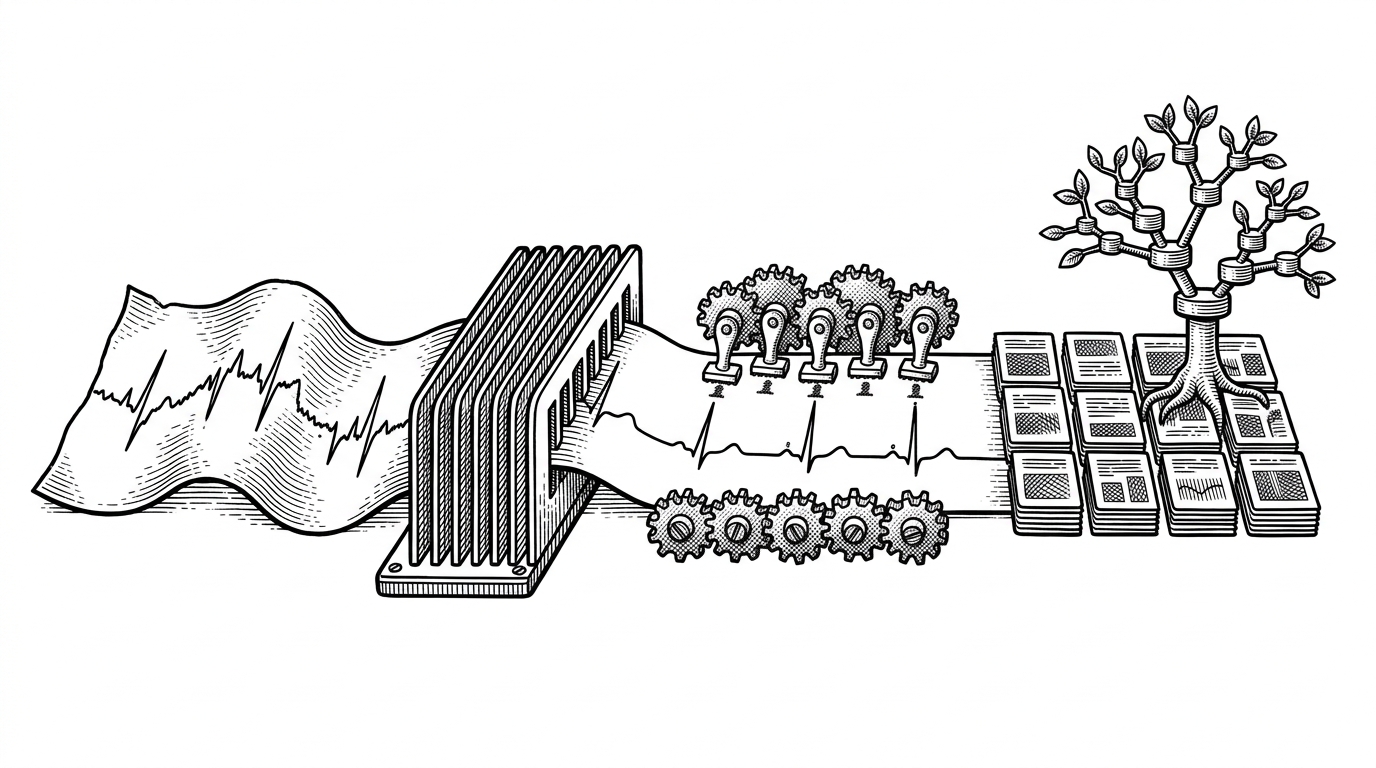
The core architectural choice lives in the translation layer. HealthTwin AI accepts a single HealthInput schema, then maps those canonical fields into the feature sets each disease model expects. In practice, that means one form can feed diabetes, heart disease, stroke, hypertension, and kidney-risk style predictors without duplicating the UI.
# Conceptual shape of the translation layer

def build_feature_vector(user_input, model_name):
    config = MODELS_CONFIG[model_name]
    vector = {}
    for target_feature, source_feature in config["feature_map"].items():
        vector[target_feature] = getattr(user_input, source_feature)
    return vector

# One source of truth, many model views.
That translation step is the difference between a usable product and a pile of scripts. The user sees one form. The backend quietly handles feature-name drift, missing columns, and model-specific expectations. The result feels simple because the complexity is pushed where it belongs.
Most people check their health only after something feels wrong. But what if your body has been sending signals all along? Your face. Your voice. Your sleep. Your daily habits. These aren't just routines—they're health data. AI is making it possible to detect subtle changes htt
Why the digital twin feels alive
The second surprise is the digital twin itself. HealthTwin AI keeps a base vector in memory, then applies a diff when the user asks a what-if question. Stop smoking, improve sleep, shift blood pressure. The system does not rewrite the patient. It re-runs the simulation against a changed state.
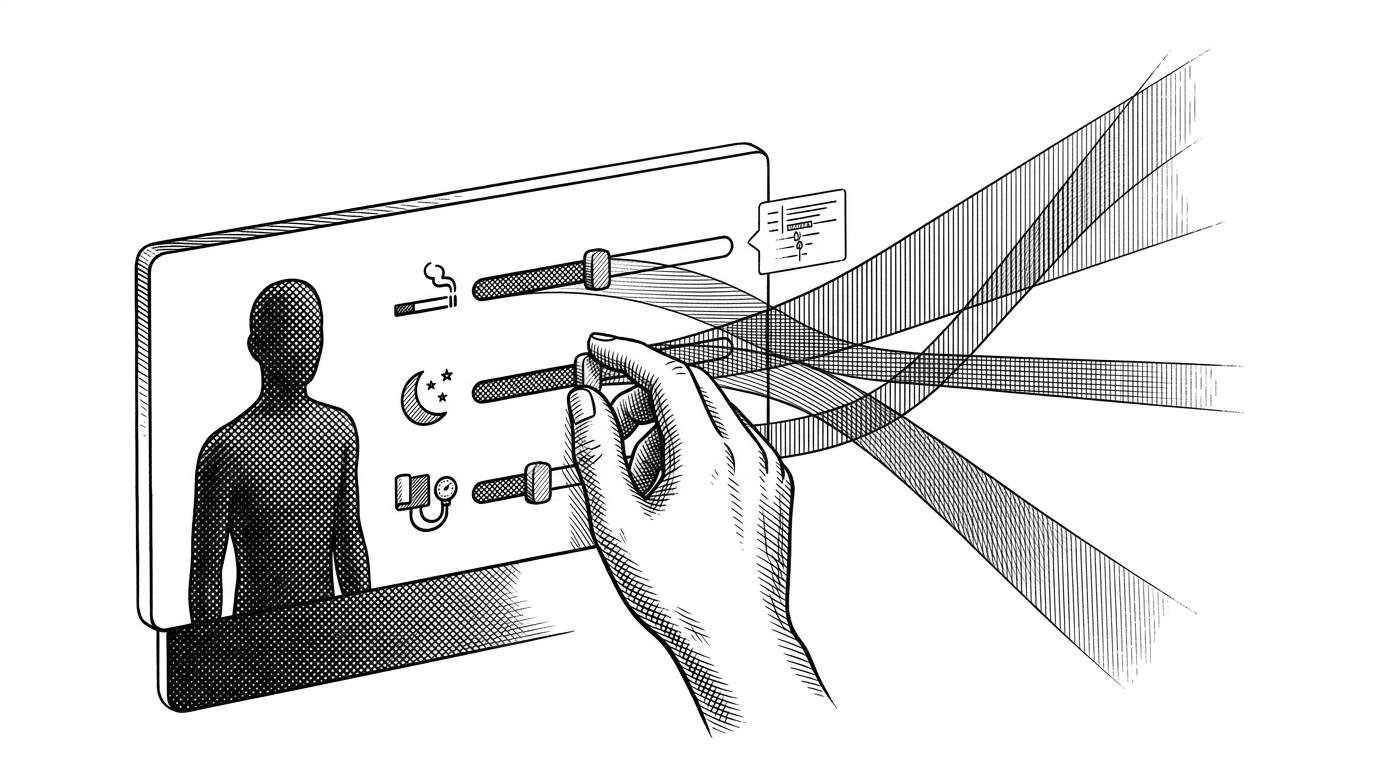
That makes the experience feel alive without becoming speculative theater. The user can explore a new scenario, inspect the new output, and keep the original state intact. It is a clean separation between prediction and persistence.
Monte Carlo turns one prediction into a range of futures
Instead of flattening risk into a single point estimate, the backend runs repeated simulations with noise applied to selected variables. The implementation described in the repo uses 100 runs and summarizes the result with percentile bands. That turns the output into a distribution, which is a better fit for health than a yes-or-no label.
| Approach | What it returns | Why it matters |
|---|---|---|
| Single prediction | One risk score | Fast, but easy to overread as certainty |
| Monte Carlo simulation | A spread of outcomes | Shows uncertainty and future variability |
| Digital twin plus Monte Carlo | A changed state plus a forecast range | Lets the user test interventions before treating them as fixed |
# Conceptual Monte Carlo flow
samples = []
for _ in range(100):
    perturbed = add_noise(base_vector, feature_noise)
    samples.append(predict_risk(perturbed))

p10, p50, p90 = percentile(samples, [10, 50, 90])
That matters editorially because it resists false precision. A health app that says “you are at risk” can feel static. A health app that says “this risk shifts when sleep, smoking, or blood pressure changes” feels more like a model of reality.
SHAP closes the loop from risk to advice
The strongest part of the repo is the recommendation engine. It does not stop at interpretability for its own sake. It uses SHAP to identify the most influential feature for a specific prediction, then maps that feature to advice. The result is guidance that is tied to the model’s own reasoning.
| Layer | Static health app | HealthTwin AI |
|---|---|---|
| Input strategy | One rule set for everyone | One schema translated into multiple model-specific views |
| Prediction style | Fixed thresholds | Model ensemble with simulation |
| Explanation style | Generic tips | SHAP-ranked feature explanations |
| User interaction | Read-only dashboard | What-if sandbox with editable state |
| Advice quality | Broad and repetitive | Conditioned on the feature that moved the score most |
That is a meaningful step up from generic wellness advice. If the model thinks BMI is the most important driver, the system can respond with a weight-specific suggestion instead of a vague reminder to exercise more. The advice feels earned because it comes from the explanation layer, not a canned rule.
Why this stack works offline
The offline-first design is not decorative. The backend preloads models, the frontend stays thin, and persistence stays local through a database-backed flow rather than a cloud dependency. For an academic project, that choice buys privacy, portability, and lower operational overhead.
The stack is also disciplined. FastAPI handles the service layer, React handles the interface, and the ML code stays separate from presentation. That separation makes the project easier to reason about, and easier to extend if someone wants to swap models or add a new disease target.
What it is, and what it is not
HealthTwin AI is best read as an explainable health simulator, not a clinical system. It is strong where transparency, local control, and feature-level reasoning matter. It is not trying to be a medical device, a multi-tenant production platform, or a substitute for care.
| Category | What it is | What it is not |
|---|---|---|
| Product shape | Offline predictive sandbox | General-purpose health chatbot |
| Modeling | Multi-model plus simulation | Single threshold rule engine |
| Deployment | Local-first educational stack | Cloud-native consumer platform |
| Trust model | Explainable feature ranking | Opaque recommendation stream |
| Use case | Learning, exploration, prototyping | Clinical diagnosis |
That boundary is healthy. The project’s value comes from how clearly it shows the mechanics of prediction, not from pretending to overreach them. For a repo, that is a strong sign of maturity.