Fresher-AI: The Job-Hunt OS Built from a Gateway, a Graph, and a Shared Session Layer
A look at how one open-source platform tries to unify mock interviews, resume feedback, and learning roadmaps into a single candidate workflow.
- Fresher-AI is interesting because it treats career prep as a coordinated product system, not a pile of isolated AI features.
- The backend’s gateway and Redis session layer make one candidate identity available to multiple services without repeating auth logic everywhere.
- LangGraph turns mock interviewing into a stateful workflow, which is more ambitious than a plain chat loop.
- The architecture feels more mature than the repository’s stage, which is exactly what makes it worth studying.
The job hunt, reorganized as a system
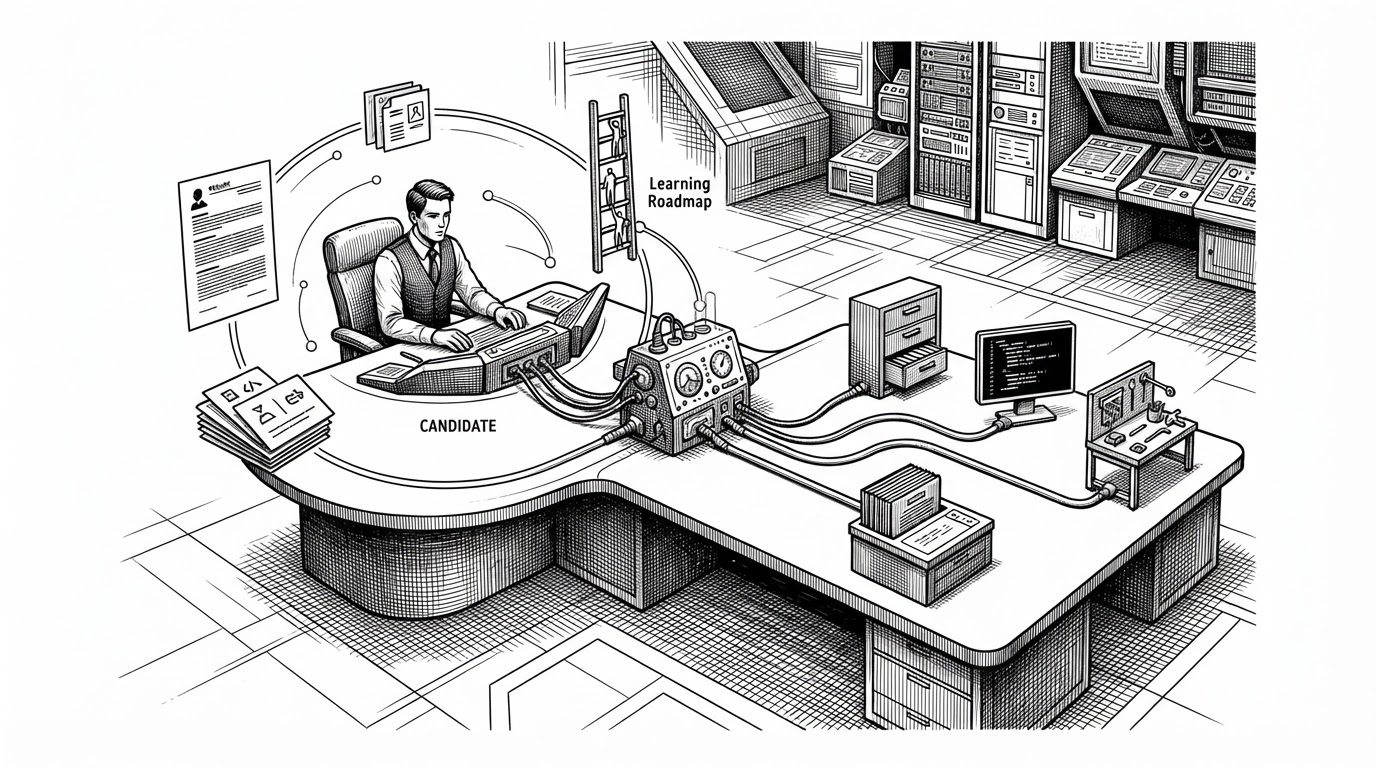
Most career-prep apps solve one narrow pain point. Fresher-AI tries to connect the whole path: mock interviews, resume feedback, learning roadmaps, and billing around a single candidate journey. That is the real product bet. It is not just a chatbot with a nicer homepage.
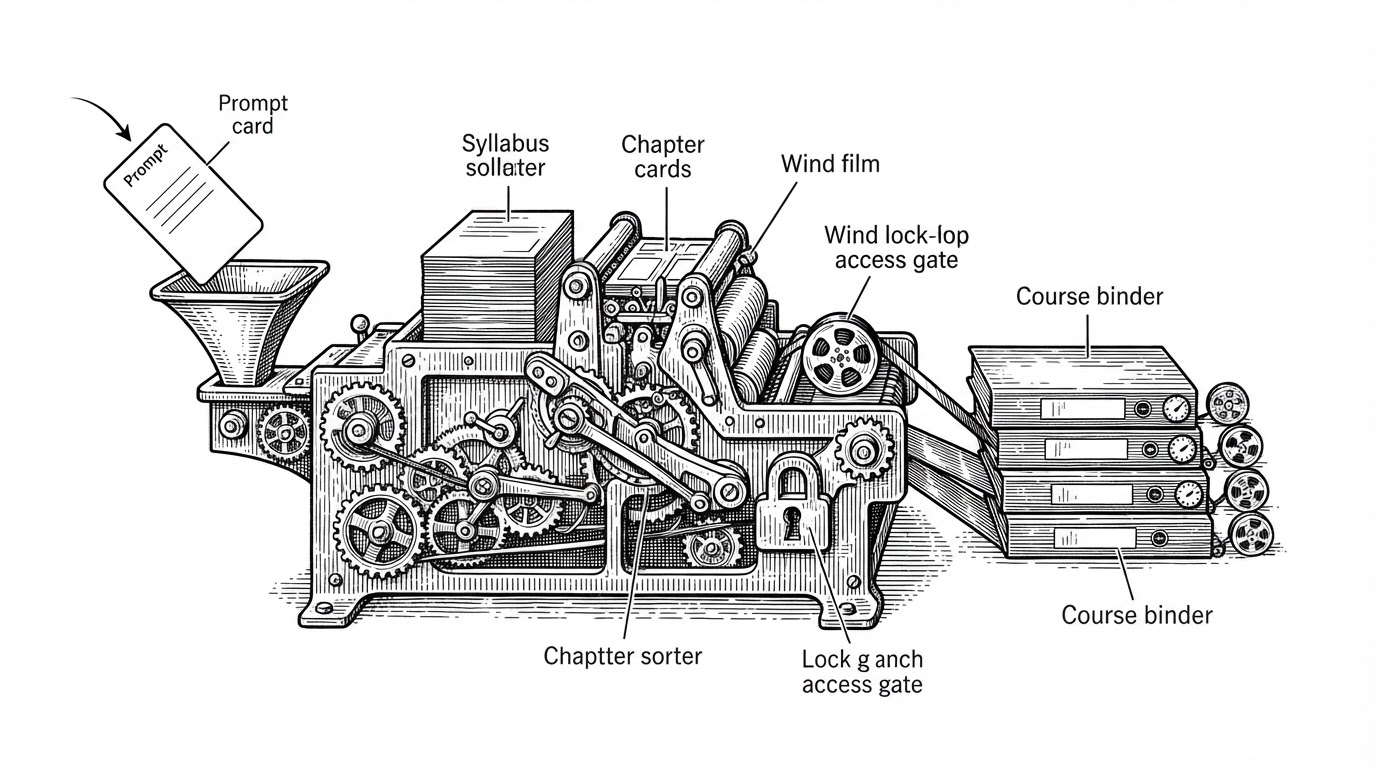
The repo’s shape backs that up. There is a React frontend, but the story lives in the backend: an API gateway, specialized services, shared Redis state, and agent workflows built on LangChain and LangGraph. The result is closer to a small operating system for early-career prep than a one-off AI tool.
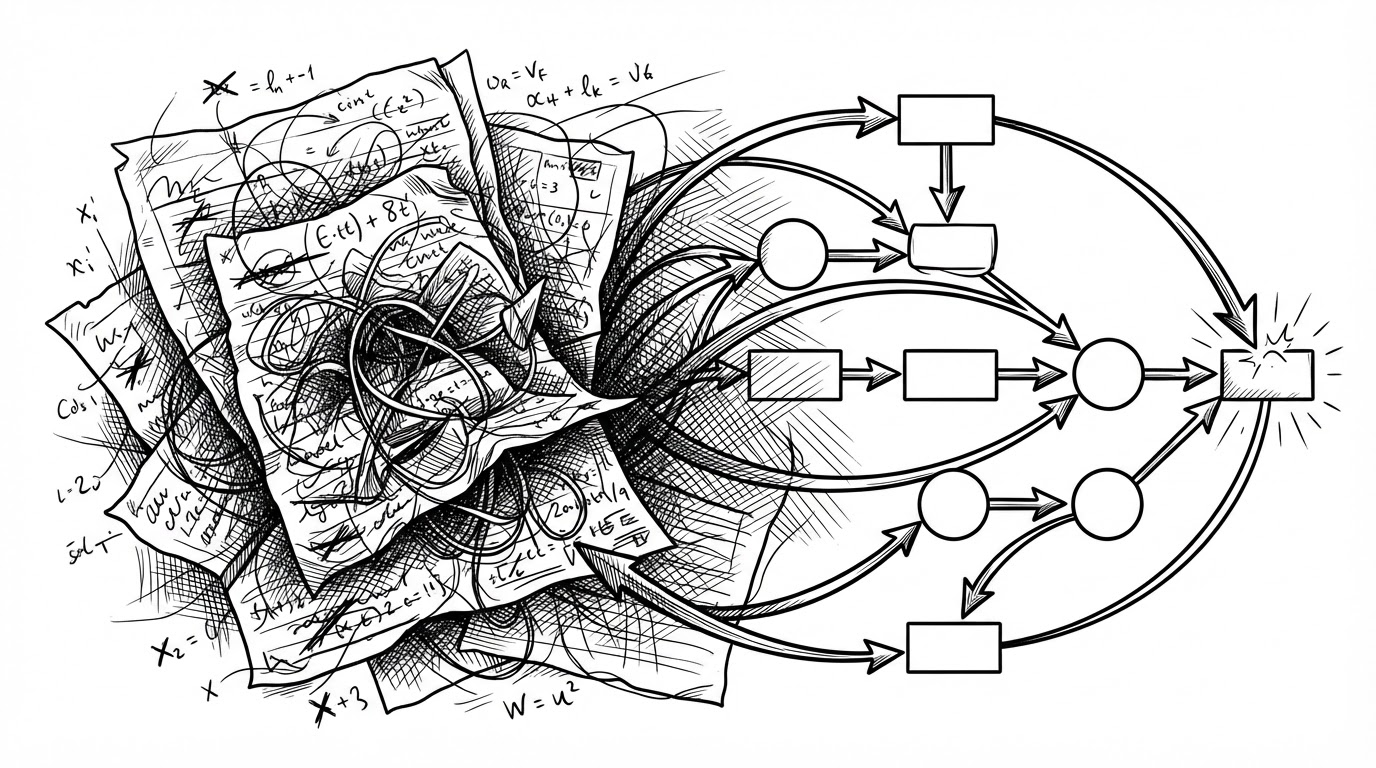
That ambition matters because job search tools fail when they fragment context. A resume tool does not know what the interview tool asked. A mock interview tool does not know which skill gap the roadmap should address. Fresher-AI is designed to keep those pieces talking to each other.
The surprise: this is not a chatbot, it is a workflow engine
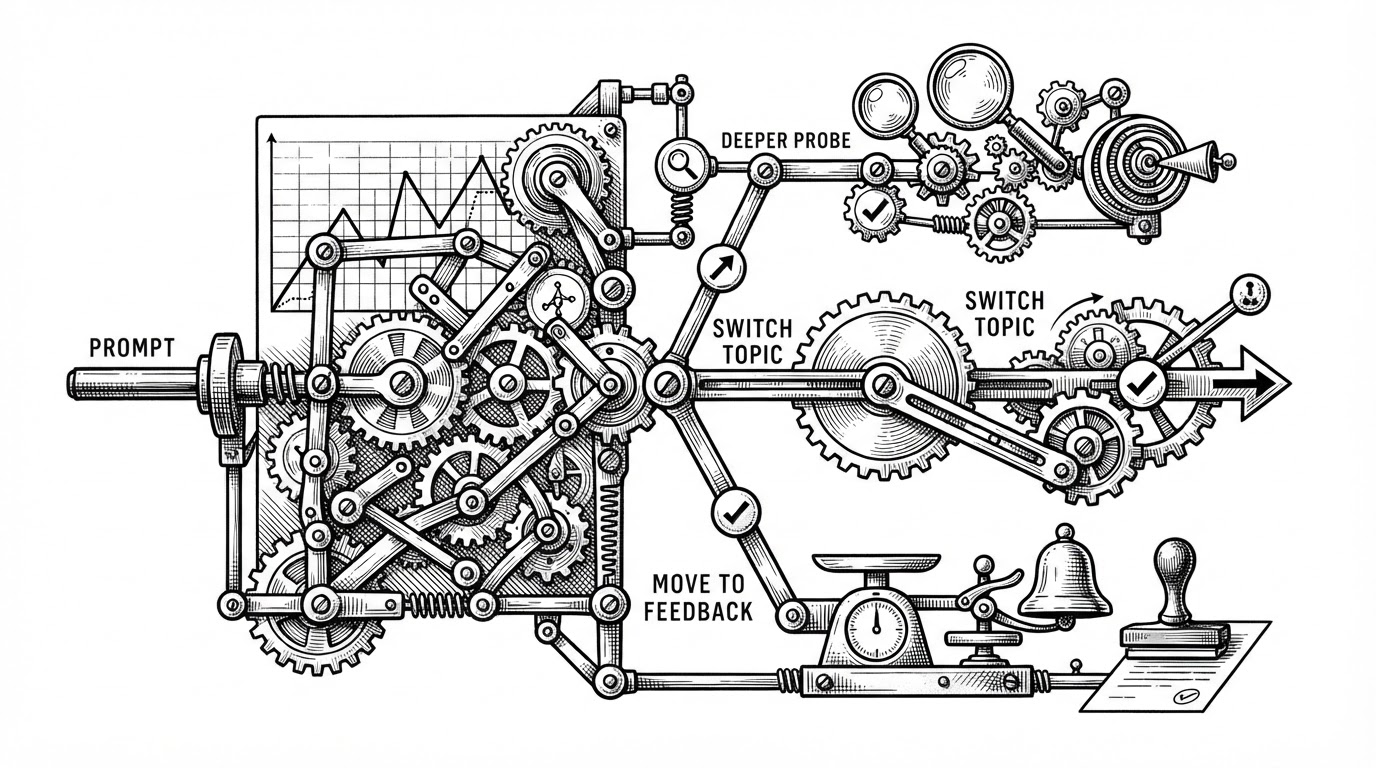
The most interesting technical move is the use of LangGraph in the interview flow. That choice suggests the interview experience is not meant to be a freeform chat transcript. It is meant to move through states.
// The architectural idea in miniature
if (req.cookies.session) {
  const user = await redis.get(`session:${req.cookies.session}`);
  req.user = JSON.parse(user);
}

// Downstream services can now trust req.user
// and focus on the interview or resume workflow.
How the backend keeps one candidate identity alive across services
The gateway is doing more than routing. It acts as the trust boundary for the whole system. The `isAuth` middleware reads a session cookie, looks up the session in Redis, and attaches the user object to the request before forwarding it downstream.
That pattern matters because it keeps service code lean. Interview, resume, roadmap, and billing services can assume the user context already exists. The gateway becomes the place where identity is normalized and requests are enriched.
| Layer | What it does | Why it matters |
|---|---|---|
| Browser cookie | Carries the session identifier | Keeps the client-side state lightweight |
| Redis session lookup | Maps session id to user context | Avoids repeated auth checks in every service |
| API gateway | Routes and decorates requests | Centralizes policy and request shaping |
| Specialized services | Handle interview, resume, roadmap, billing | Keeps each domain focused |
This is a classic platform trade-off. The architecture is more complex than a monolith, but it buys cleaner boundaries. Once the system grows, that discipline can prevent the usual pileup of auth checks and duplicated logic.
Why the API Gateway matters more than it looks
The gateway is the policy layer. It decides which requests get forwarded, which ones need authentication, and how user context is attached before a service sees the call. In practice, that means the gateway is part router, part gatekeeper, part assembly line.
Compared with a simpler setup, this shifts complexity upward. The payoff is that service boundaries stay sharper. The interview service does not need to know how Redis sessions are fetched. The resume service does not need to know how auth cookies are parsed.
| Approach | User experience | Backend cost |
|---|---|---|
| Single app with ad hoc endpoints | Fast to start, but context gets scattered | Lower upfront complexity, higher drift later |
| Gateway plus shared session layer | One coherent candidate identity across services | More coordination work, cleaner service boundaries |
| Disconnected point tools | Each feature can be simple | User must re-enter context and repeat work |
What makes the stack feel ambitious for a solo project
The stack reads like a team project: React, Vite, Redux Toolkit, Tailwind, Node, Express, MongoDB, Redis, Docker Compose, Firebase, Razorpay, LangChain, and LangGraph. That is a lot of surface area for a single repository.
That breadth is the story. The repo is early, but the architecture is already opinionated. It treats state, routing, and orchestration as first-class problems instead of afterthoughts.
| Signal | What it suggests | Editorial read |
|---|---|---|
| Microservices and gateway | Intent to scale by domain | Not a throwaway prototype |
| Redis-backed session state | Need for shared identity across tools | The workflow is meant to feel continuous |
| LangGraph interview flow | Stateful agent behavior | The interview is designed, not improvised |
| Docker Compose | Practical local coordination | The system is being assembled with deployment in mind |
There is also a visible gap between ambition and maturity. The repository feels structured, but not finished. That is not a flaw in the article’s argument. It is the argument. The architecture itself is ahead of the polish.
Where it stands against simpler career-prep tools
Most tools in this space fall into one of three buckets. They score resumes, run generic chat interviews, or leave the user to stitch together multiple apps. Fresher-AI is trying to do something different: keep the whole process inside one coordinated flow.
| Category | Typical model | Fresher-AI’s bet |
|---|---|---|
| Resume tools | Score one artifact at a time | Treat the resume as one node in a larger prep loop |
| Chat interviewers | Respond turn by turn | Move through a structured interview state machine |
| Patchwork prep | User switches between separate tools | Shared session and routing keep the experience unified |
That bet is expensive. Coordination creates more moving parts. But if the goal is a real product rather than a demo, the architecture starts to make sense. The user does not want four separate AI experiences. They want one system that remembers where they are.
What the project gets right, and what still looks provisional
Fresher-AI gets the central idea right: candidate prep is a workflow, not a single prompt. The gateway, Redis session layer, and graph-based interview logic all support that thesis.
What still looks provisional is the execution surface. Early-stage repositories often show this mix: sophisticated shape, unfinished edges. That combination is common in strong product ideas. It means the developer is solving the right system problem before the whole thing is fully polished.
In other words, the repo is worth noticing not because it has the most features, but because its internal structure matches its product claim. It is trying to be the operating system for early-career prep, and the backend reflects that ambition.