AL-ML: The One-Line README Hiding a Full Interview Platform
Three products, one codebase, and a live interview room where two people share a single editor, clock, and video call over one socket.

- The repo named AL-ML ships a one-line README and an empty description, but the code inside is a three-product hiring platform: AI mock interviews, live human interview rooms, and practice coding.
- The live room coordinates shared code, chat, notes, and a server-authoritative 45-minute clock over a single Socket.IO connection, then hands video off to a direct peer-to-peer WebRTC pipe.
- The production hardening, from a fail-fast JWT secret check to five tiers of rate limiting and graceful payment feature flags, is unusually disciplined for a project this size.
- It is the rare codebase that tries to be a practice platform, an AI mock tool, and a live interview tool at once, in something you can self-host.
The README Is One Line. The Codebase Is a Company.
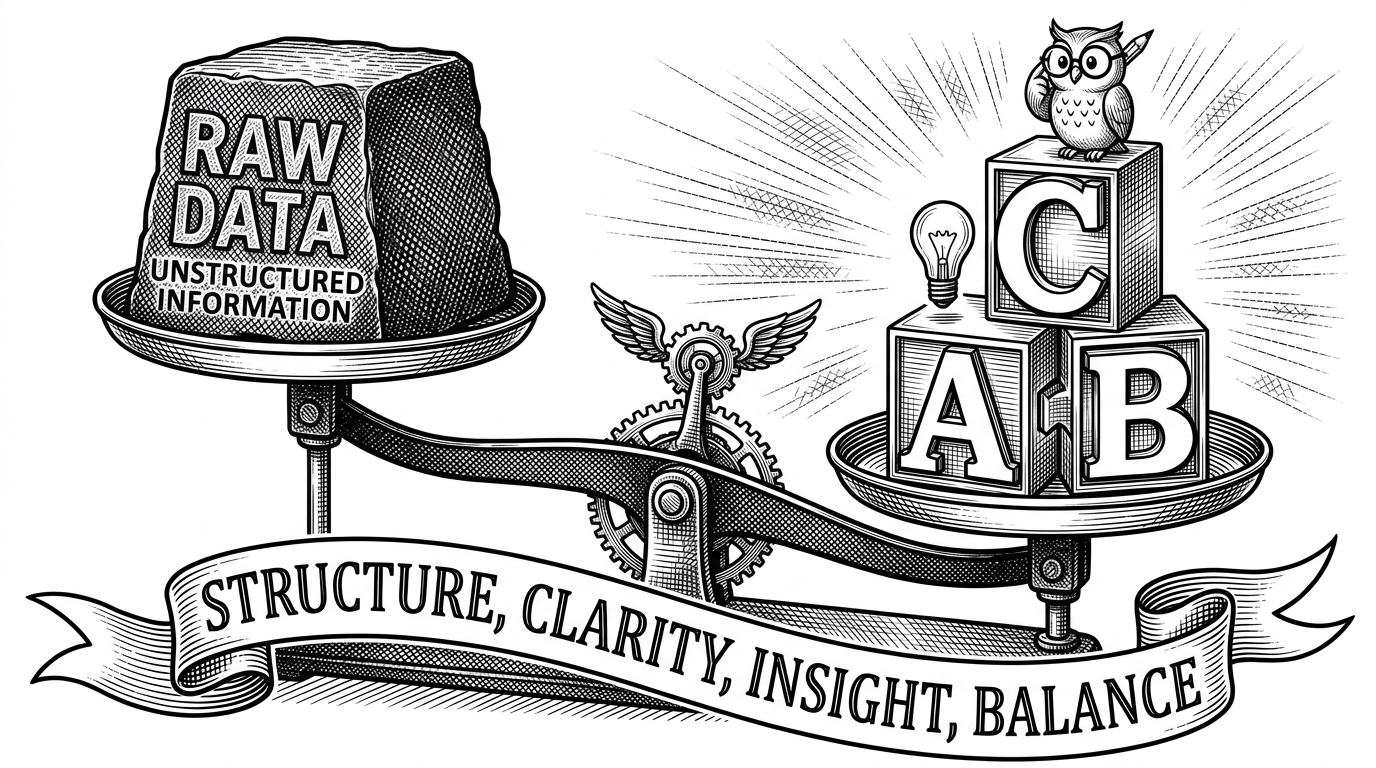
The repository is called AL-ML. The name reads like a machine learning coursework folder. The description field is empty. The README is a single heading tag: # AL-ML. Nothing on the surface suggests a product, let alone a finished one.
Then you open the code. The server calls itself the "AI Interview Platform," and what sits inside is three distinct products fused into one Express application: an AI mock-interview engine, a live human interview room, and a practice-coding platform. Three role-separated dashboards (admin, interviewer, candidate) sit on top.
The gap between the name and the software is the whole story. The interesting part is not the AI. It is the concurrency in the live room, and the fact that a project documented this quietly boots like something people pay for.
Three Products Wearing One Repo
Mode one is the AI mock interview. The server calls Gemini or OpenAI through a service layer, and when neither key is configured it falls back to hand-written question banks. The feature degrades to something offline rather than breaking, which is a small but telling design choice.
Mode two is the live room, where a real interviewer and a real candidate meet. This is the one that carries the engineering weight, and the next section takes it apart.
Mode three is practice coding: a problem bank with search, a Monaco editor in the browser, and a sandboxed runner on the server that executes submitted solutions against test cases.
All three share one backend, one Mongo database, and one set of models. The three dashboards are not three apps. They are three views over the same server, which is why the whole thing fits in one repository without falling apart.
The Live Room Is the Real Trick
A live interview room is a shared state machine. Two browsers connect to one Socket.IO room, and everything they do flows through it: the code in a shared editor buffer, chat messages, a shared notes panel, and a 45-minute countdown.
The timer is the detail worth pausing on. It does not live in either browser. It lives on the server, and both clients sync to it. That matters because two machines have two clocks. If each browser counted down on its own, a slow laptop and a fast one would disagree about when the interview ended. A single authoritative timestamp removes the argument.
Video takes a different path. WebRTC needs a signaling channel to negotiate a peer-to-peer connection, and that signaling rides the same socket the room already uses. Once the handshake completes, the media flows directly between the two browsers, not through the server. The socket sets up the call, then gets out of the way.
One connection, several channels, one clock. That is the pattern the diagram below animates.

It Boots Like It's Going to Production
For a project with a one-line README, the operational posture is oddly serious. The server will refuse to start in production if the JWT secret is missing or left at its default value. It exits the process with a security error rather than serving traffic with a guessable key.
There are five tiers of rate limiting, and the two most expensive routes get their own budgets. Code execution and AI calls cost real money per request, so they are capped tighter than general traffic. The messages users see when they hit a limit are specific to the route.
Payments and email sit behind feature flags. If the Stripe, Razorpay, or mailer credentials are absent, those features switch off gracefully instead of crashing the boot. Origin strings and Mongo connection URIs are normalized, so trailing slashes and missing database paths do not cause silent misconfiguration.
| Limiter | Scope | Limit |
|---|---|---|
| General | All /api/ routes | 150 per 15 min (production) |
| Auth | Login and register | 20 per 15 min |
| Code run | /submissions/run, /submissions/submit | 25 per min |
| AI | /api/ai/ | 20 per min |
The discipline has honest gaps. The deployment docs ask for a JWT secret of at least 48 characters, but the code only rejects the default string, not a short one. The rate limiter uses an in-memory store, so its counters are per process and would not hold across multiple replicas without a shared store like Redis. Both are the kind of thing you fix when real traffic arrives, not before.
One Repo Against the Hiring Stack
The hiring stack is usually three separate purchases. Practice platforms like LeetCode and HackerRank cover coding drills and execution. Live interview tools like Interviewing.io and Pramp cover the human conversation. AI mock tools cover solo rehearsal. AL-ML tries to be all three.
Whether it does each one as well as a dedicated product is a fair question. What is not in question is the shape: almost every row in the table below is a check.
| Capability | AL-ML | Practice platforms | Live interview tools | AI mock tools |
|---|---|---|---|---|
| Practice coding | Yes | Yes | Partial | No |
| Sandboxed code execution | Yes | Yes | Partial | No |
| AI mock interview | Yes | No | No | Yes |
| Live human interview | Yes | No | Yes | No |
| Shared editor | Yes | No | Yes | No |
| Video call | Yes | No | Yes | Partial |
| Self-hostable | Yes | No | No | No |
| Payments built in | Yes | Yes | Yes | Yes |
The self-hostable row is the real differentiator. None of the commercial platforms let you run the whole thing yourself. You can run AL-ML on your own Docker host with your own Mongo instance and your own API keys, which is exactly why the graceful feature flags matter. A self-hosted install with no Stripe key should still boot, and it does.
Who Builds This, and Why It Matters That You Can't Tell
The public record is thin. There are no interviews, no blog posts, no maintainer statements. The only trace of intent is a reference to a "major_project" in the deployment documentation, which points at a student or academic build rather than a funded product.
That absence is worth naming, because it is part of what makes the codebase interesting. With no README to explain the design, no roadmap, and no author to ask, the software has to speak for itself. It does, in the places that are hardest to fake: the server-authoritative clock, the fail-fast secret check, the tiered limits on the routes that cost money.
Whatever the project was meant to be, it shipped as something a small team could actually run. The name undersells it. The code does not.