D4rk_Intel-OSINT-Investigative-Toolkit: The OSINT Repo That Thinks Like a Case File
A phase-by-phase workflow for secure setup, identity pivots, image forensics, and link analysis. This project is less a toolchain than a methodology for turning scattered clues into an investigation.
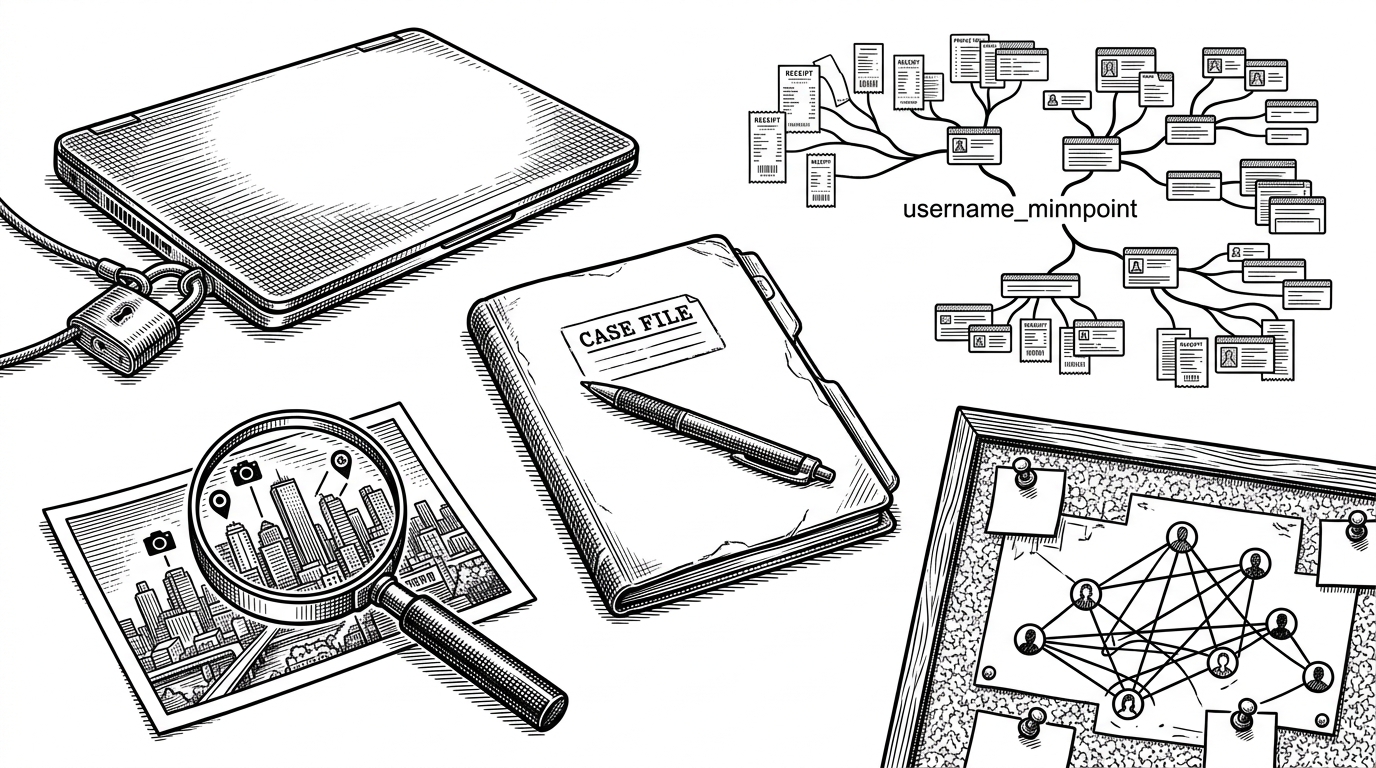
- This repository is opinionated because it treats OSINT as a sequence, not a directory of tools.
- Its strongest idea is procedural discipline, starting with OPSEC and ending with link analysis.
- The most contemporary section is image verification, where authenticity matters before interpretation.
- Compared with broader OSINT platforms, its value is curation and workflow clarity rather than breadth or automation.
Why This Toolkit Feels Like a Case File
Most OSINT repositories behave like bookmarks with better branding. This one behaves more like a field manual. Its structure pushes you through a sequence: secure the environment, pivot from identity clues, inspect media, then synthesize findings into a graph.
That matters because the repo’s real product is not scraping. It is judgment. The toolkit says, quietly but clearly, that good investigations begin before the first search, with a repeatable process and a workspace you can trust.
Streamline OSINT investigations with this toolkit of scripts and resources for gathering and analyzing public information effectively.
Phase 1 Starts Before the First Search
The opening phase is about infrastructure, not intelligence. The toolkit emphasizes a safe and reproducible setup: note-taking, browser hygiene, workspace separation, and the habits that keep an investigation from becoming a mess.
The Most Modern Part: Verifying Synthetic Media
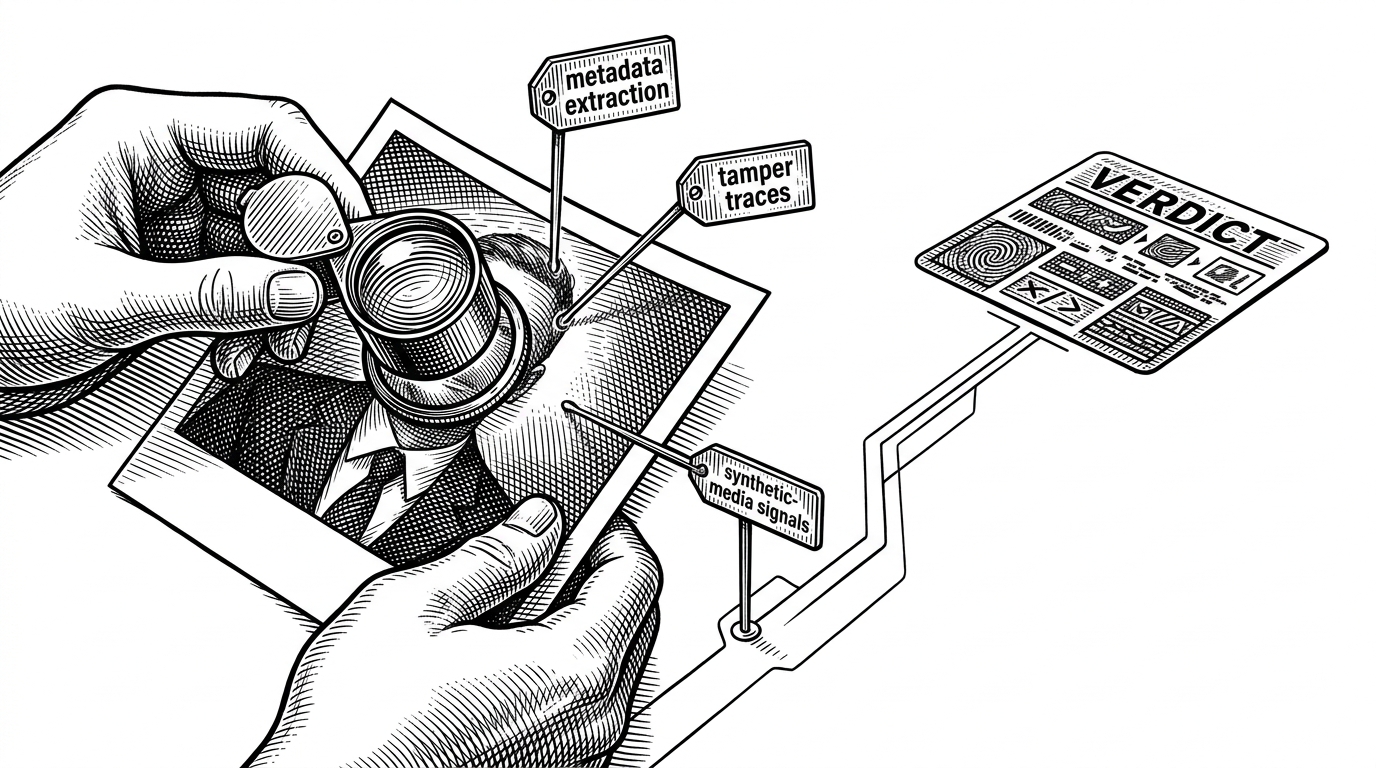
This is the repo’s sharpest argument. Old OSINT workflows asked, “What does this image show?” This one asks a harder question first: “Can you trust the image at all?” That shift matters when manipulated photos, screenshots, and AI-generated media are cheap to produce and easy to circulate.
The toolkit’s media phase clusters the right checks together: metadata extraction, reverse image search, tamper detection, and AI-content signals. The value is not any single tool. It is the sequence, because each check answers a different version of the same question.
A Username Becomes a Network
Once the workflow has a seed, the toolkit treats a username as a pivot point. That is the core OSINT move: one handle expands into platform traces, profile fragments, and adjacent identities that can be compared against one another.
The logic is simple, but the discipline matters. Manual searching can produce the same clues, yet a structured pivot keeps the analyst from jumping too early to conclusions. It encourages evidence gathering that can later be defended, not just remembered.
From Evidence to Link Analysis
The last stage is synthesis. The repository points toward tools like Maltego and Gephi because collection is not the finish line. The analyst still has to see relationships, weight confidence, and separate correlation from proof.
That distinction is what makes the toolkit feel professional. It does not celebrate volume. It aims for a readable case file, where clues are not just collected, but arranged into something you can explain to someone else.
How It Stacks Up Against General OSINT Frameworks
| Project | Primary model | Strength | Weakness | Best for |
|---|---|---|---|---|
| D4rk_Intel-OSINT-Investigative-Toolkit | Phase-based workflow | Clear investigation order | Less breadth than larger platforms | Analysts who want a repeatable playbook |
| SpiderFoot | Automation platform | Broad module coverage | Can feel heavy for focused work | Large-scale reconnaissance |
| Recon-ng | Modular framework | Flexible collection workflow | Requires more assembly | Technical investigators |
| theHarvester | Targeted recon tool | Fast discovery of public assets | Narrower scope | Quick reconnaissance |
| OSINT Framework | Directory of tools | Great discovery surface | Not a workflow | Finding the right tool |
| Maltego | Link analysis platform | Excellent relationship mapping | Not a full collection playbook | Visualization and graph analysis |
The comparison is blunt. Bigger tools are broader, and some are more automated. This repo wins on procedure. It behaves like an analyst’s checklist that happens to be filled with useful resources.
What This Repo Is Actually Good For
It is best for security researchers, journalists, and forensic-minded investigators who want a disciplined path from clue to conclusion. It is less compelling as a one-click automation platform, and that is part of its appeal.
The repo’s strength is not novelty in every category. It is the way it reframes OSINT as a repeatable investigative practice. That makes it useful long after any single tool or API changes.