The Book of Secret Knowledge: How One Markdown Repo Became a Trust Layer for Sysadmins, Pentesters, and DevOps
A deep look at the curated knowledge base that treats documentation like code, filters for quality over quantity, and turns a README into a daily-use technical reference.
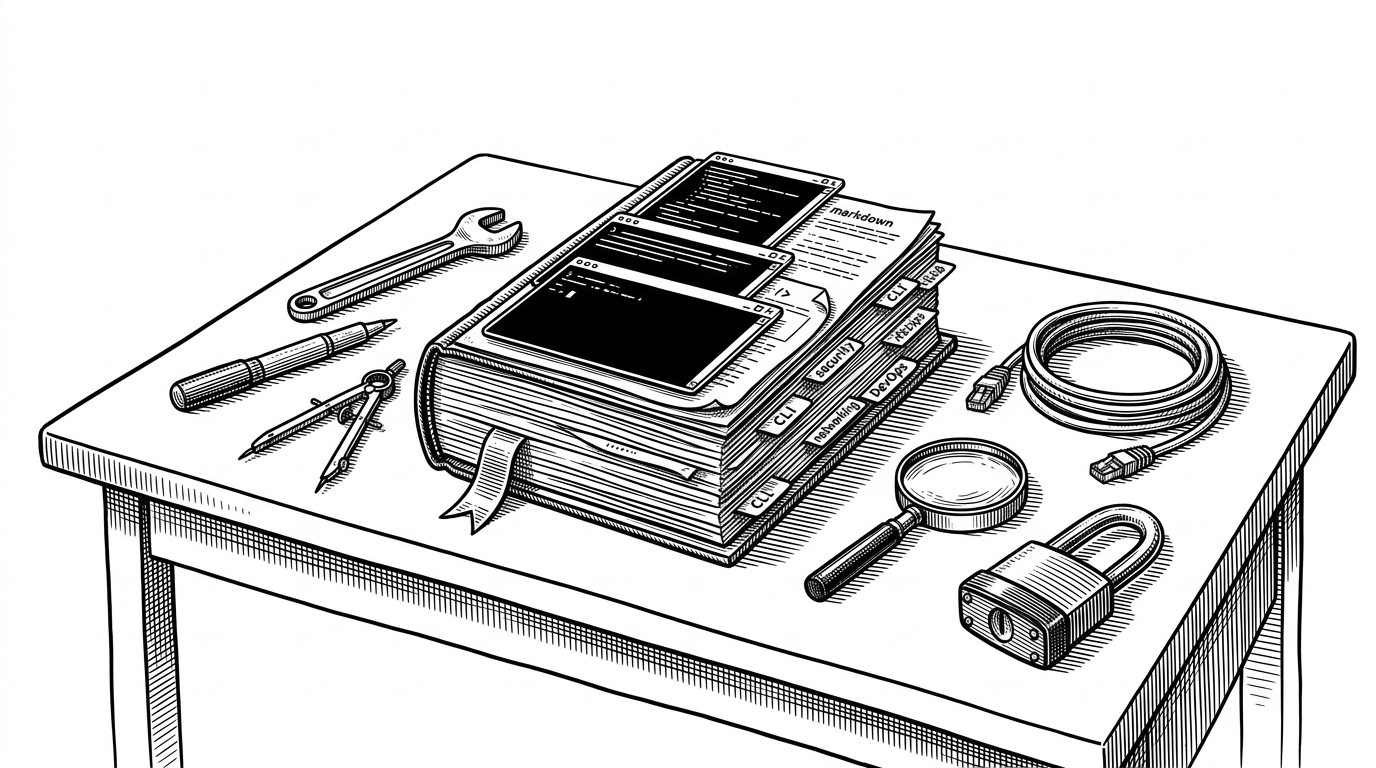

The Book of Secret Knowledge is a repository which will save you time and help you easily discover new tools, knowledge and practices.
- The repo feels durable because it behaves like a maintained system, not a giant pile of links.
- Its real edge is selective curation, where exclusion is part of the product.
- The README, link checks, and signed commits turn discovery into a trustable workflow.
- It sits between specialist lists and broad reference hubs, but reads like a toolbelt built by an editor with engineering habits.
Search has never been the problem. Trust is. For sysadmins, pentesters, and DevOps engineers, the hard part is not finding a tool or a command. It is finding one that is still alive, relevant, and worth using under pressure.
Why this repo still matters
This repository contains a collection of inspiring lists, manuals, cheatsheets, blogs, hacks, one-liners, cli/web tools and more.
That line is broad, but the project’s real value is narrower. It is a filter. In a landscape full of link farms and stale bookmarks, this repository compresses discovery, recall, and editorial judgment into one place that still feels usable during live work.
A book, not a dump of links
The repository reads like a reference book because it is structured like one. Categories are grouped for fast scanning, anchors create a loop back to the table of contents, and the visual hierarchy keeps the page from collapsing into a wall of text. That matters. The format is part of the product.

The maintainer’s discipline shows up in the boring parts, which is usually where a repository wins or dies. In the contributing notes, the project leans on a Bash-based link checker, and the commit flow asks for signed-off changes. That means the content is not only curated. It is checked, gated, and kept auditable.
# Pattern used in the contribution workflow
sed -n 's/.*\(https\?:\/\/[^ )]*\).*/\1/p' README.md | while read -r url; do
  curl -IsS "$url" | head -n 1
  # flag 404s and 503s before merge
 done

# Signed-off-by gate
# DCO-style commits keep the repo legally and operationally clean
The hidden engineering behind a content repo
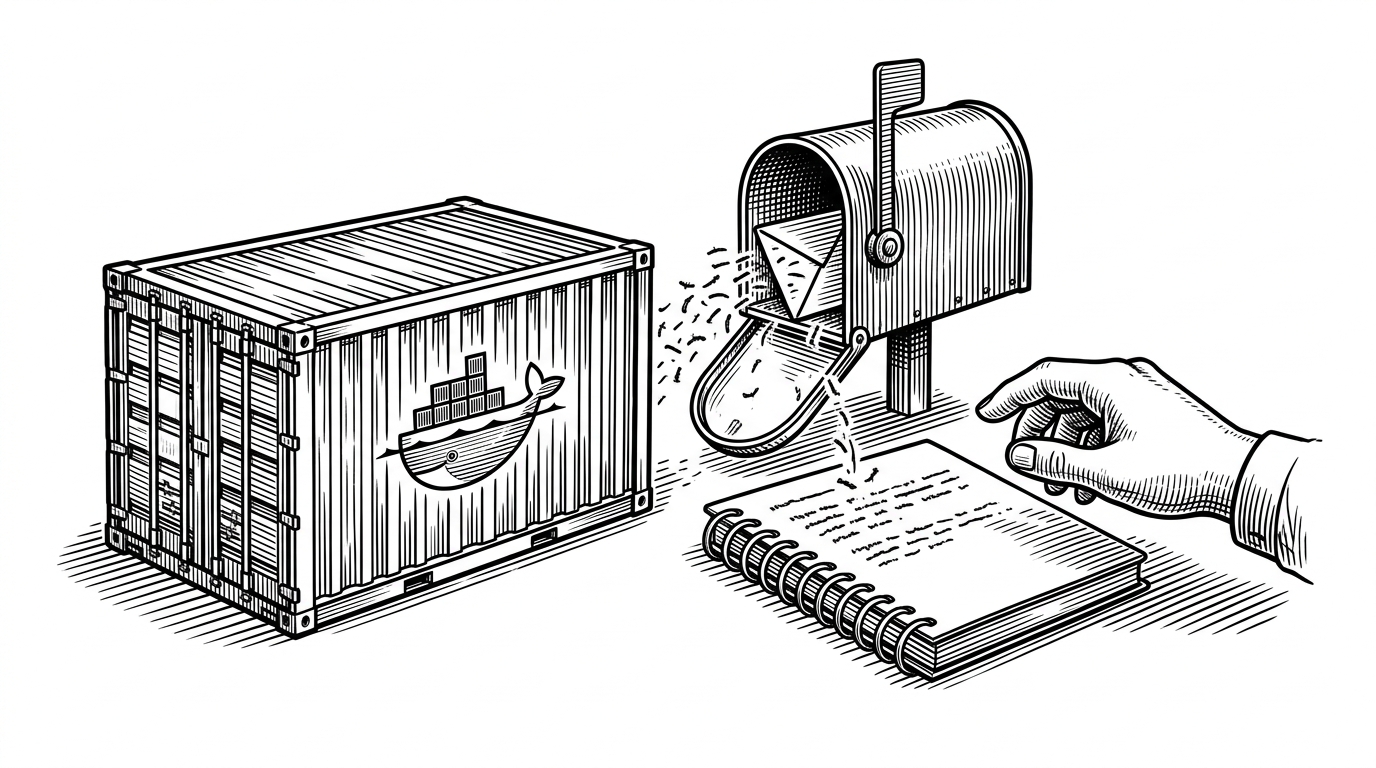
This diagram matters because it changes the mental model. The repository is not merely a list of useful things. It is a small publication system with a quality gate at the front and a navigation system at the back. That is why it feels dependable instead of merely large.
What makes it different from other awesome lists
| Repo | Scope | Primary audience | Curation style | Operational usefulness | Editorial voice | Maintenance model |
|---|---|---|---|---|---|---|
| The Book of Secret Knowledge | Broad across security, sysadmin, networking, and DevOps | Multi-hat technical practitioners | Selective and opinionated | High, because it mixes links, notes, and practical references | Strong and coherent | Centralized maintainer with quality gates |
| Awesome Pentest | Offensive security deep dive | Pentesters and red teams | Specialist list | High inside one niche | Narrower | Community PR driven |
| Awesome Cybersecurity Blue Team | Defensive security resources | Blue team and IR practitioners | Specialist list | High for defense workflows | Focused | Community PR driven |
| Awesome Sysadmin | Infrastructure and admin tools | System administrators | Tool centric | Strong for ops basics | Neutral | Community PR driven |
| Awesome Hacking | Hacking tutorials and resources | Learners and generalists | Wide and encyclopedic | Moderate to high | Broad | Community PR driven |
The comparison is simple. Most adjacent lists specialize harder or spread wider. This one sits between them, but it feels more useful because it behaves like a toolbelt built by an editor with a point of view.
Why the maintainer model works
A centralized maintainer model can look old-fashioned, but here it is the point. The repo keeps its voice because someone is still editing it like a publication. That reduces drift, keeps the taxonomy legible, and makes the list feel like a product instead of a committee artifact.
Even the community response reinforces the same idea. People keep describing the repo as a go-to reference because it saves time, not because it is exhaustive. That distinction matters. Exhaustive lists age into noise. Curated lists age into habits.
This is a fantastic resource. I've been looking for something like this for a long time.
The real product is trust
That is the real trick. The Book of Secret Knowledge is not interesting because it is huge. It is interesting because it proves that careful human curation, enforced like software, can still beat the noisy internet.