Three.js-Object-Sculptor-Codex-Plugin: Three.js Object Sculptor Codex Plugin: Why the Best 3D AI Tool Slows Down
A Codex plugin that rebuilds reference images as procedural Three.js factories by forcing the model through blockout, validation, and refinement passes instead of a one-shot mesh dump.


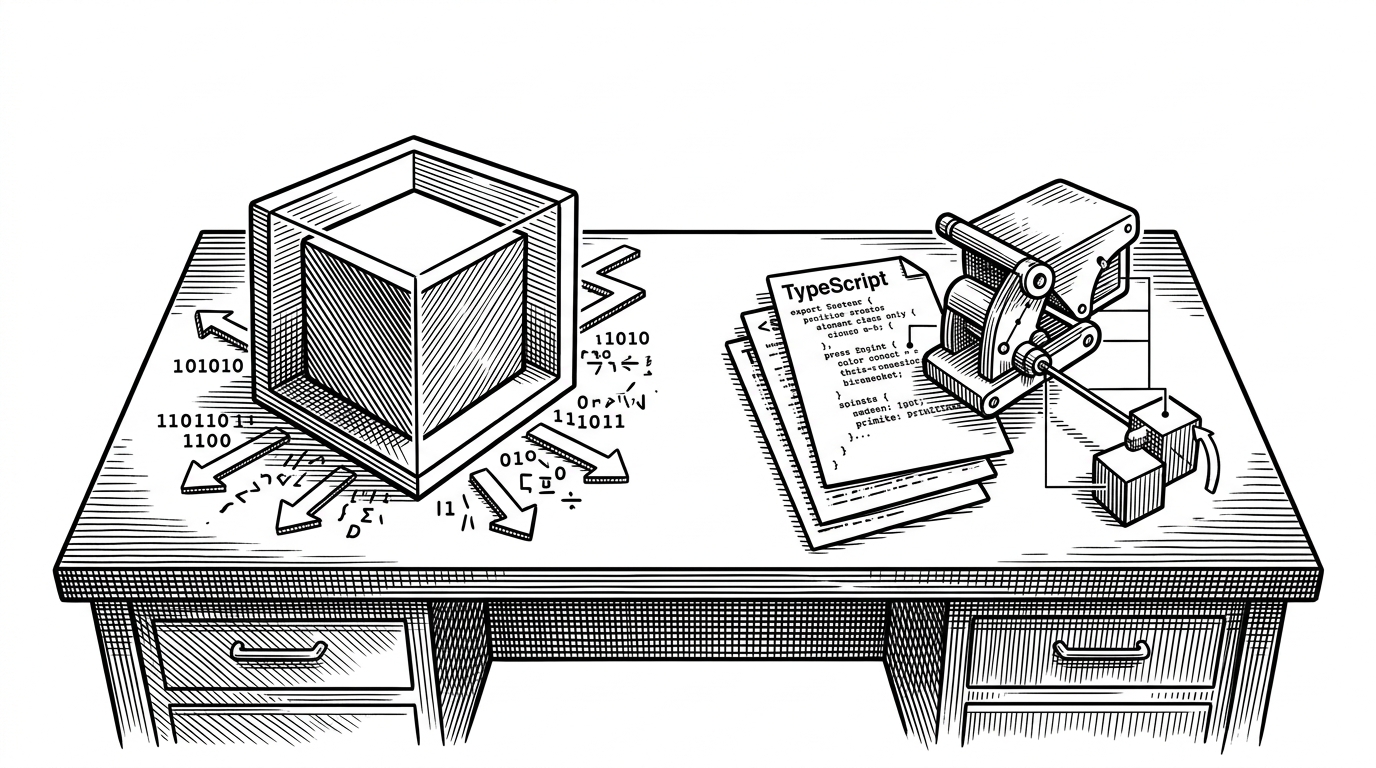
I've been exploring a idea: can AI reconstruct a complex object from a single reference image as an editable procedural Three.js object, instead of producing or downloading a static mesh?
- The plugin wins by refusing the one-shot fantasy and making the model earn each sculpting pass.
- Its core advantage is structural output: hierarchical Three.js code, not a disposable mesh blob.
- The quality gate matters more than the prompt because screenshots and vision scores control progress.
- This is a code-first 3D tool for editable web assets, not a high-fidelity replacement for photogrammetry.
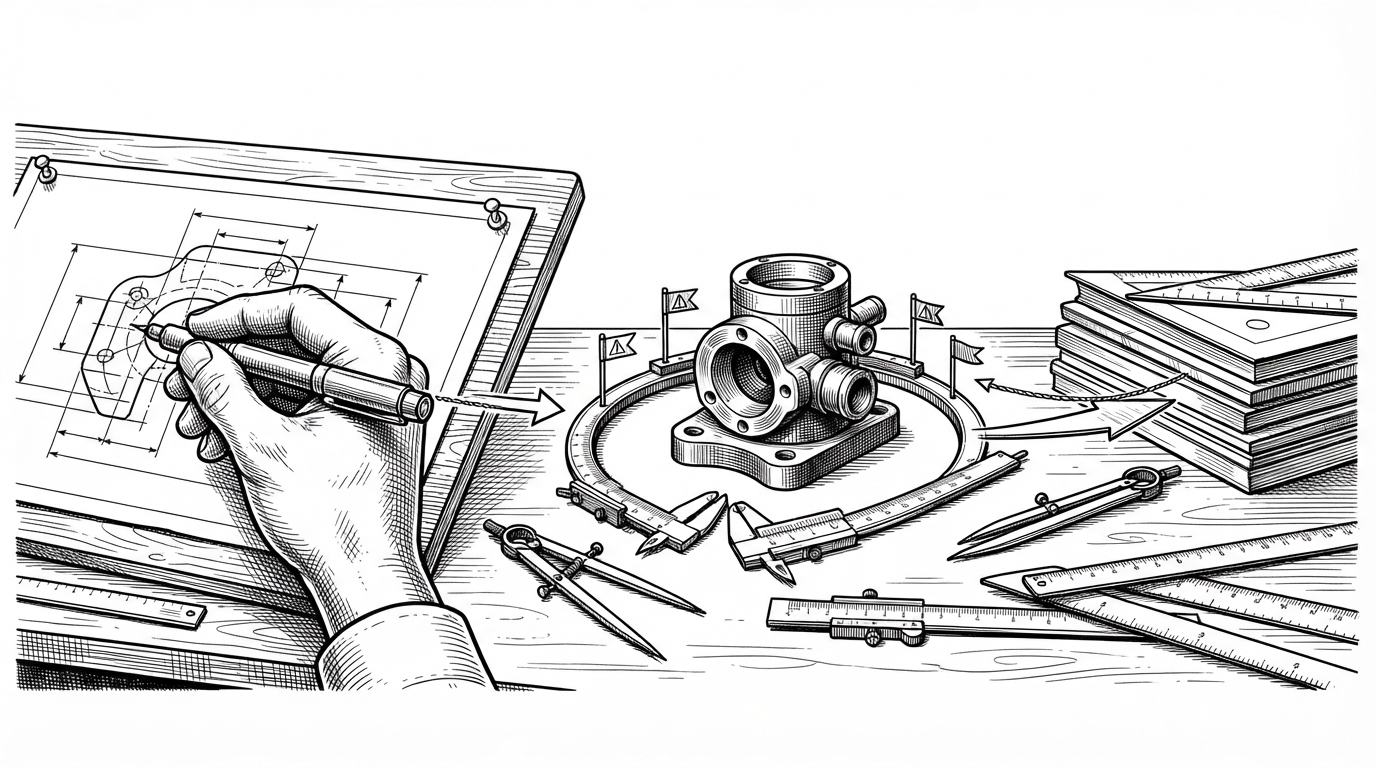
Most image-to-3D tools sell speed. This repo sells restraint. It treats the LLM like a junior sculptor that has to prove the silhouette, then prove the structure, then prove the details before it is allowed to finish the asset.
That is the real trick in vinhhien112/Three.js-Object-Sculptor-Codex-Plugin. It does not chase a photoreal mesh. It tries to produce something a web developer can inspect, animate, and keep alive.
Why slowing down makes the model better
That sentence contains the whole thesis. The project is not trying to make a prettier blob. It is trying to keep the result editable, because editability is what makes the output useful in a real pipeline.
The README frames the system around a quality contract, not a creative prompt. That changes the job of the model. It is no longer asked to improvise an answer. It is asked to satisfy a sequence of checks.
The sculpt pass pipeline
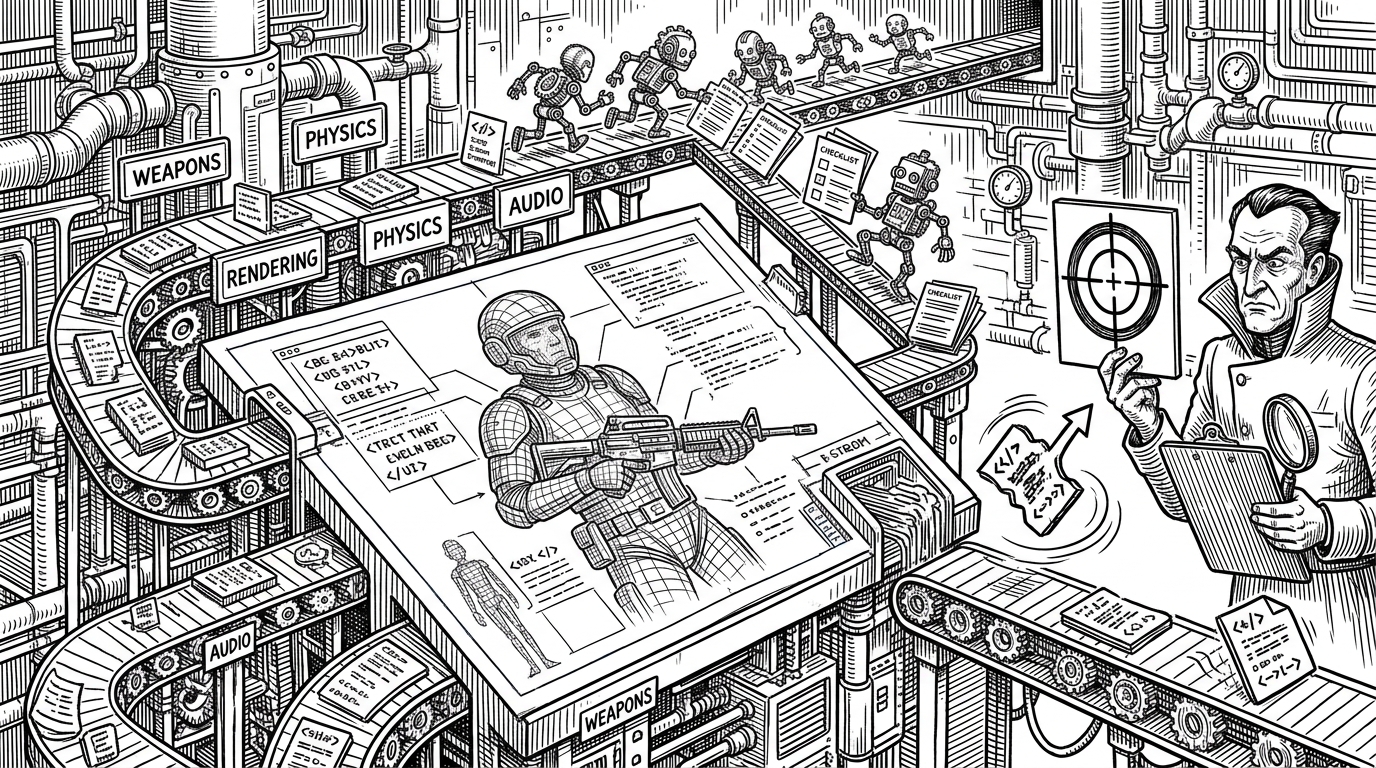
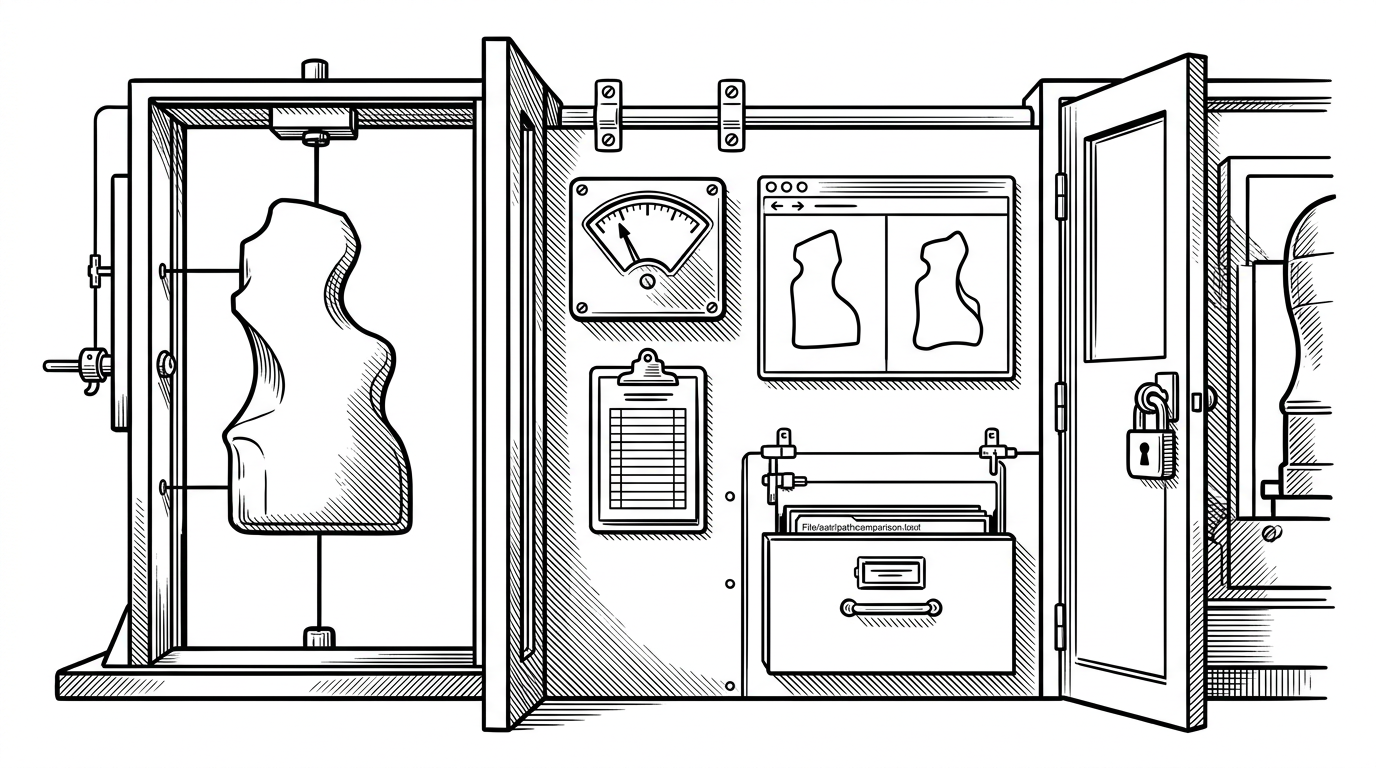
The orchestrator is the center of gravity. Research into the repo shows a default pass order that moves from blockout to structural pass to form refinement, then material work and optimization. The important part is not the list itself. It is the rule that a later pass cannot start until the earlier pass has visual evidence and a sufficient score.
That turns the LLM into an apprentice with a supervisor. It gets a task, produces a result, gets reviewed, and only then moves forward. If the silhouette is off, the next stage is blocked. If the structure reads wrong, the pipeline loops back.
# Simplified shape of the control loop
if vision_score < threshold:
    return to_previous_pass()

unlock_next_pass()
run_next_pass()
The spec is the secret
Its image assessment, structured sculpt spec, locked passes, and visual review loop became the foundation for the GitHub Copilot plugin.
That is the hidden leverage. Before geometry exists, the repo creates a contract that describes complexity, failure modes, attachment points, and self-critique criteria. The model is not wandering into shape generation blind.
This matters because many AI 3D tools confuse inspiration with control. Here, the spec says what counts as a plausible object, what can fail, and what must be repaired. The result is less mystical and more shippable.
From JSON spec to Three.js factory
The factory generator turns the abstract plan into code that actually behaves like software. Instead of a static asset, the output becomes constructors, hierarchy, and attachment logic. That is what makes the repo feel web-native rather than export-native.
This is where the project earns its name. The goal is not a single mesh file. The goal is a procedural object factory that knows about parents, children, pivots, and sockets, so the thing can be animated or extended without rebuilding it from scratch.
What it beats, and what it does not
| Criterion | Object Sculptor | Mesh-first generators |
|---|---|---|
| Output | TypeScript Three.js factories | GLB, OBJ, or extracted meshes |
| Editability | High. Hierarchy and attachment logic stay explicit | Low to medium. Output often behaves like a sealed blob |
| Animation readiness | Built in through pivots and joints | Usually added later, if at all |
| Dependency footprint | Lean Python utilities and shell-friendly tooling | Often heavier conversion and processing stacks |
| Best use case | Web props, game-ready objects, structured assets | Organic fidelity, scanned realism, broad visual variety |
That comparison is the point. The repo is not trying to beat the best photogrammetry systems at fidelity. It is trying to beat them at usefulness inside a codebase.
For founders and product teams, that distinction is huge. A smaller asset that is easy to edit, animate, and version can outperform a prettier artifact that breaks every downstream workflow.
Why this matters for web 3D
This repo argues that code is not just a delivery format. It is the asset. If the generated object is already a structured Three.js factory, then the thing you ship is both geometry and behavior.
That is a strong bet for web 3D. The browser rewards lightweight, inspectable structures. The more your asset behaves like code, the easier it is to keep it alive across design changes, animation needs, and product constraints.