lunar-tear: Lunar Tear: Rebuilding NieR Reincarnation One Binary Constraint at a Time
A Go-based private server that preserves a dead mobile RPG by patching the client, replaying its network contract, and rewriting its asset pipeline with surgical precision.

- Lunar Tear’s standout move is not server emulation, but preservation under a byte-level client constraint that shapes everything else in the repo.
- The codebase splits cleanly between a Go backend and a Python patcher, which keeps the game logic, setup flow, and binary surgery separate.
- Its Octo asset system is the real technical centerpiece because it parses a proprietary manifest by hand and rewrites delivery paths without breaking the client.
- The project favors static APK patching over runtime hooks, which lowers friction for players and makes the whole stack feel more self-contained.
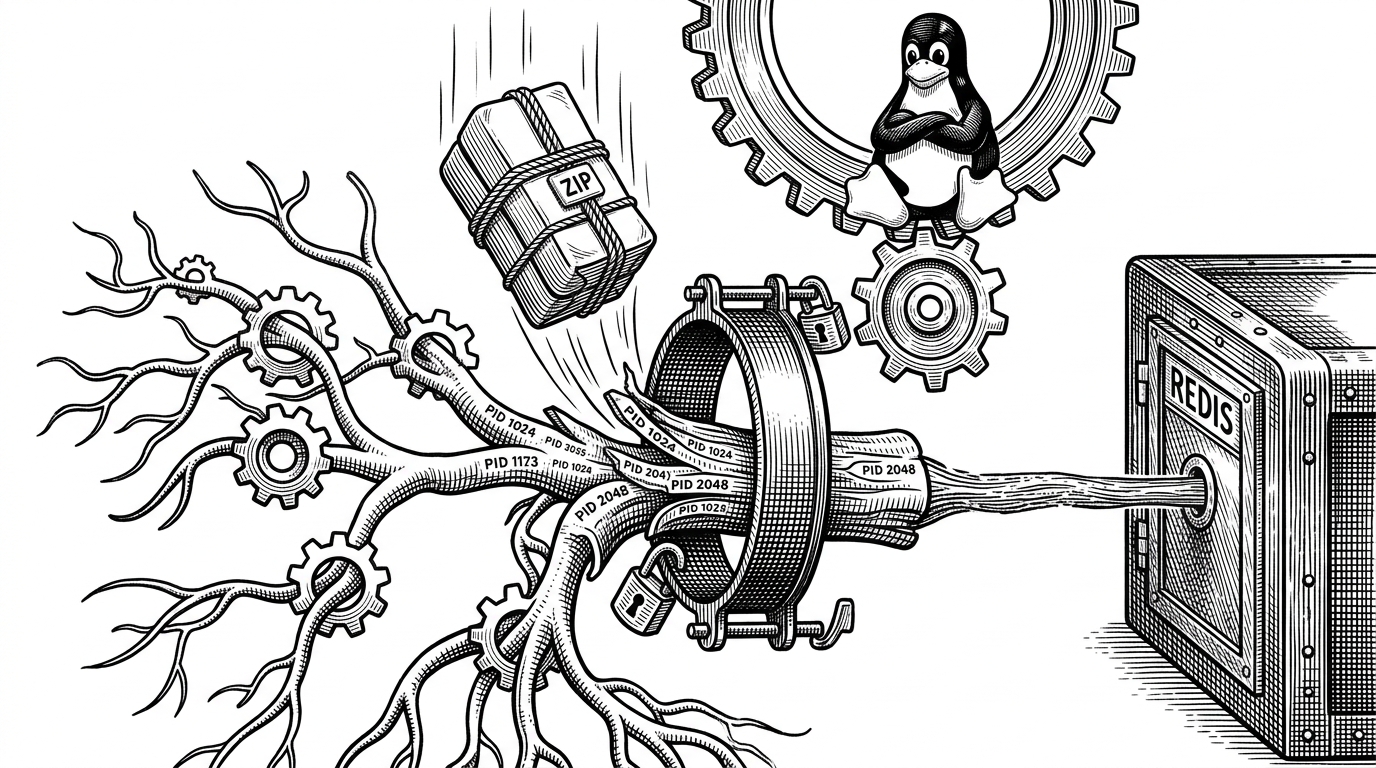
The strange thing about Lunar Tear is that its biggest breakthrough is also its smallest constraint. The repo is built around a client that only behaves if its asset URL and rewrite path stay within a very specific binary shape, down to the 43-byte boundary that keeps the game from noticing anything has changed.
That is why this feels less like a standard private server and more like a preservation tool. The original game is gone, but the client is still there, and Lunar Tear’s job is to keep speaking its dialect exactly enough that the app accepts the illusion.
Keep client changes minimal (prefer static APK patching over heavy runtime hooks).

The 43-Byte Trick That Keeps the Game Alive
The memorable detail is not that Lunar Tear runs a backend. It is that the backend must fit the client’s expectations so precisely that a rewritten asset URL still lands inside the same binary footprint the game was built to trust.
In practice, that means the project is doing two jobs at once. It patches the APK so the client can point at a private server, and it rewrites asset delivery so the client keeps reading the world it expects from a local source instead of an official one.
That is the preservation problem in one sentence. The game is dead on the official side, but the app still contains enough assumptions about format, length, and endpoint behavior that a small mismatch can break the whole illusion.
A Preservation Project, Not Just a Private Server
The repository is explicit about its purpose: it is a private server research project for NieR Reincarnation, built so a patched client can connect to local or private infrastructure instead of official endpoints. That framing matters, because it changes how you read the code. The goal is continuity, not novelty for its own sake.
Walter-Sparrow is the clearest human center of gravity here. The repository has the feel of a single, coherent vision, with `lucky1804` appearing as a contributor rather than a second authorial direction.
How Lunar Tear Splits the Problem in Two
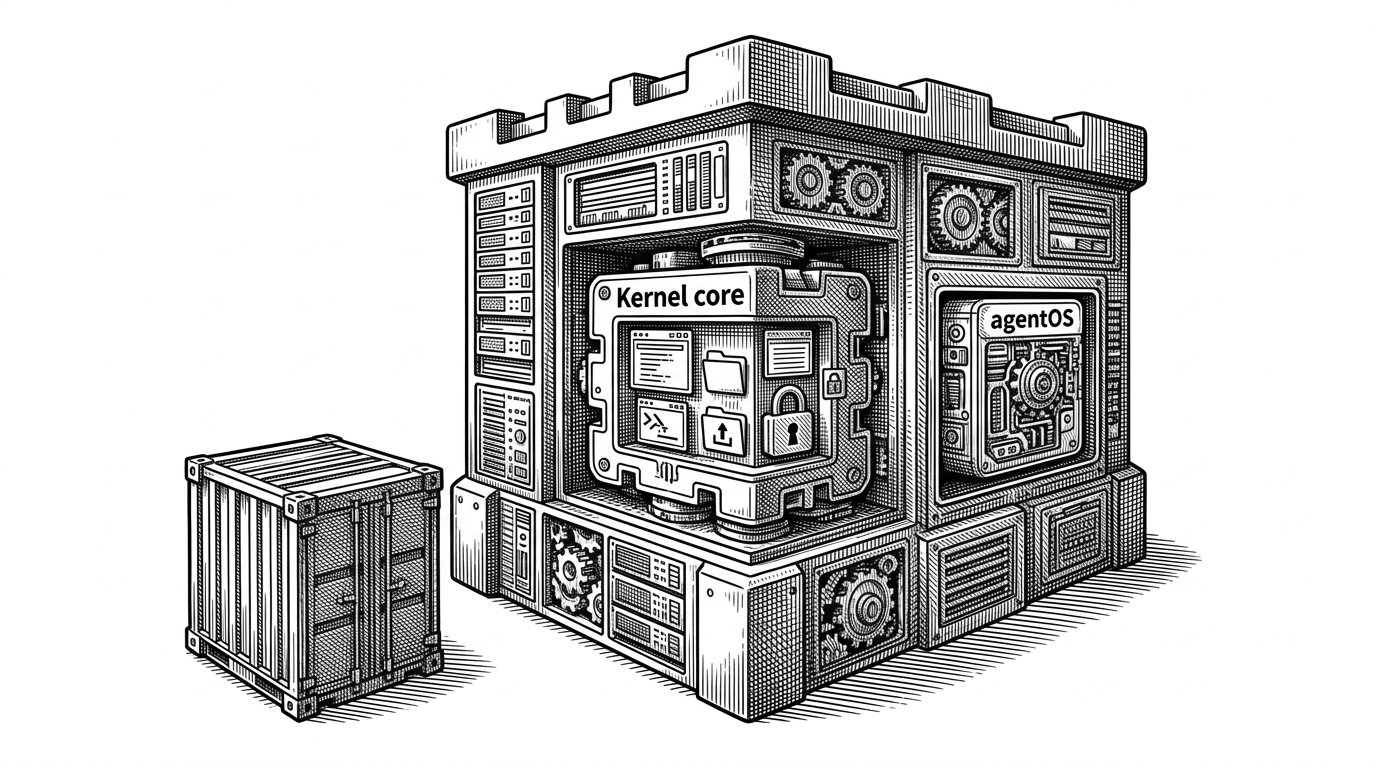
The codebase is divided in a way that makes the project easier to reason about than its surface area suggests. Go handles the server side. Python handles setup and patching. That separation keeps the runtime service clean while pushing the invasive client changes into scripts that are easier to inspect and repeat.
Inside the Go server, the startup path loads master data into a catalog layer, then enriches that data before passing it into services that manage mutable game state. It is a sensible shape for a game backend. Read-only content goes in one lane. Active state goes in another.
| Approach | How it modifies the client | Setup friction | Portability | What it buys you | Main trade-off |
|---|---|---|---|---|---|
| Static APK patching | Edits binaries and metadata before launch | Lower, because no runtime injector is required | Higher, because the app is more self-contained | A client that behaves like a normal install | Binary changes must be maintained carefully |
| Frida or runtime hooks | Injects behavior while the app is running | Higher, because it depends on tooling and execution context | Lower, because it often needs extra runtime support | Fast probing and flexible debugging | More moving parts and more fragility |
Octo: The Asset Engine Hidden Inside the Repo
Octo is where Lunar Tear stops looking like a conventional private server and starts looking like a preservation instrument. The project parses `list.bin` manually, without leaning on generated `.proto` files, then uses that manifest to index bundles and serve assets locally.
That manual parsing matters because the repository is not just reproducing requests. It is reconstructing the proprietary shape of the asset pipeline from the outside, then honoring that shape closely enough that the client accepts the result as native.