modelctl: The Rust CLI That Treats Local LLMs Like System Services
A thin, transparent manager for detached model servers, runtime adapters, and Apple Silicon telemetry.
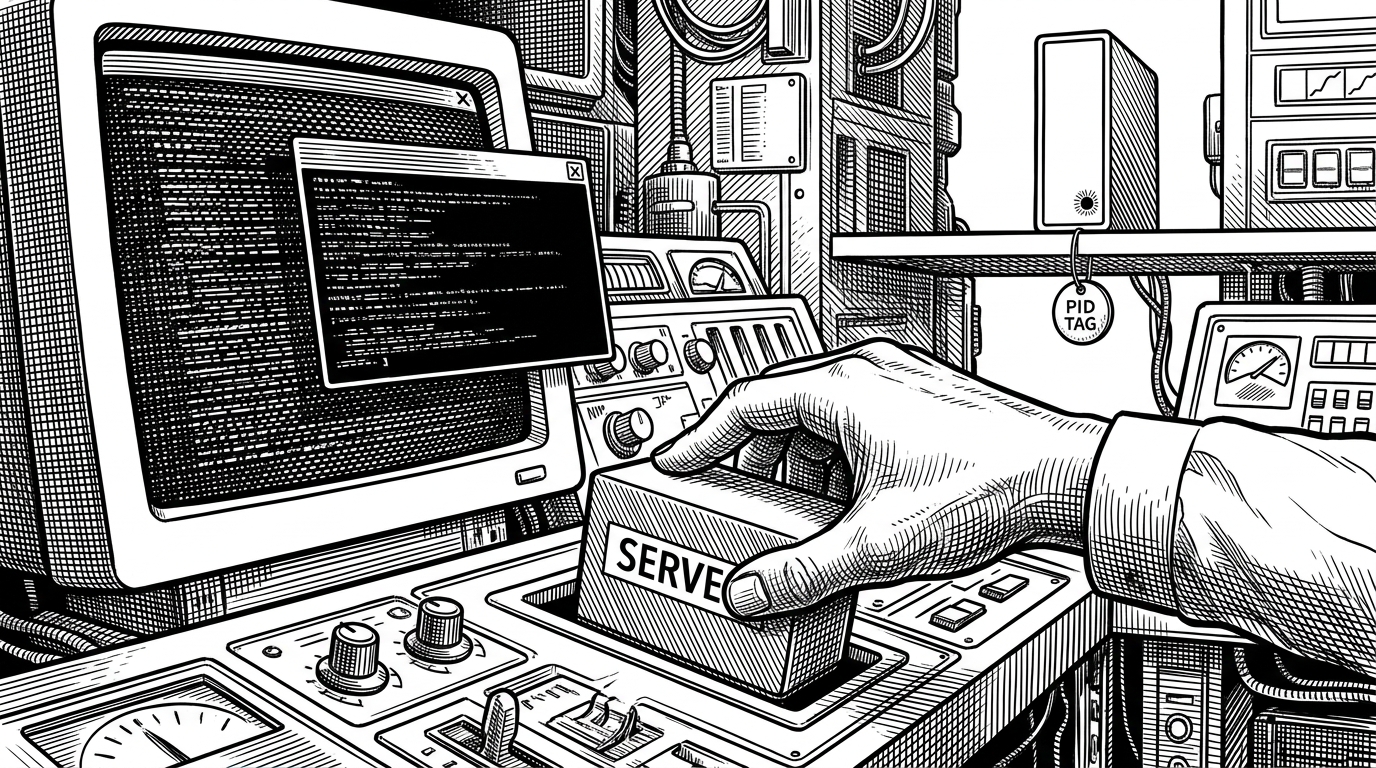
- modelctl’s core idea is to manage local LLM servers like ordinary Unix services, with state, liveness, and shutdown behavior that stays visible.
- Its value comes from being thinner than a bundled launcher, because it asks for the real binary and leaves the runtime architecture exposed.
- The runtime trait keeps the tool open-ended, so new model backends can fit without rewriting the CLI around a single engine.
- Apple Silicon telemetry turns the TUI into an ops tool for hardware tinkerers, not just a start-stop wrapper.
A service manager for local models
Most local model tools try to feel like apps. modelctl feels like infrastructure. It launches an LLM server, detaches it, records the PID, and lets you ask whether the process is still alive. That is a small shift in interface, but a big shift in mental model.
The result is closer to systemctl than to a consumer launcher. You are not surrendering control to a black box. You are managing a process that happens to speak tokens.
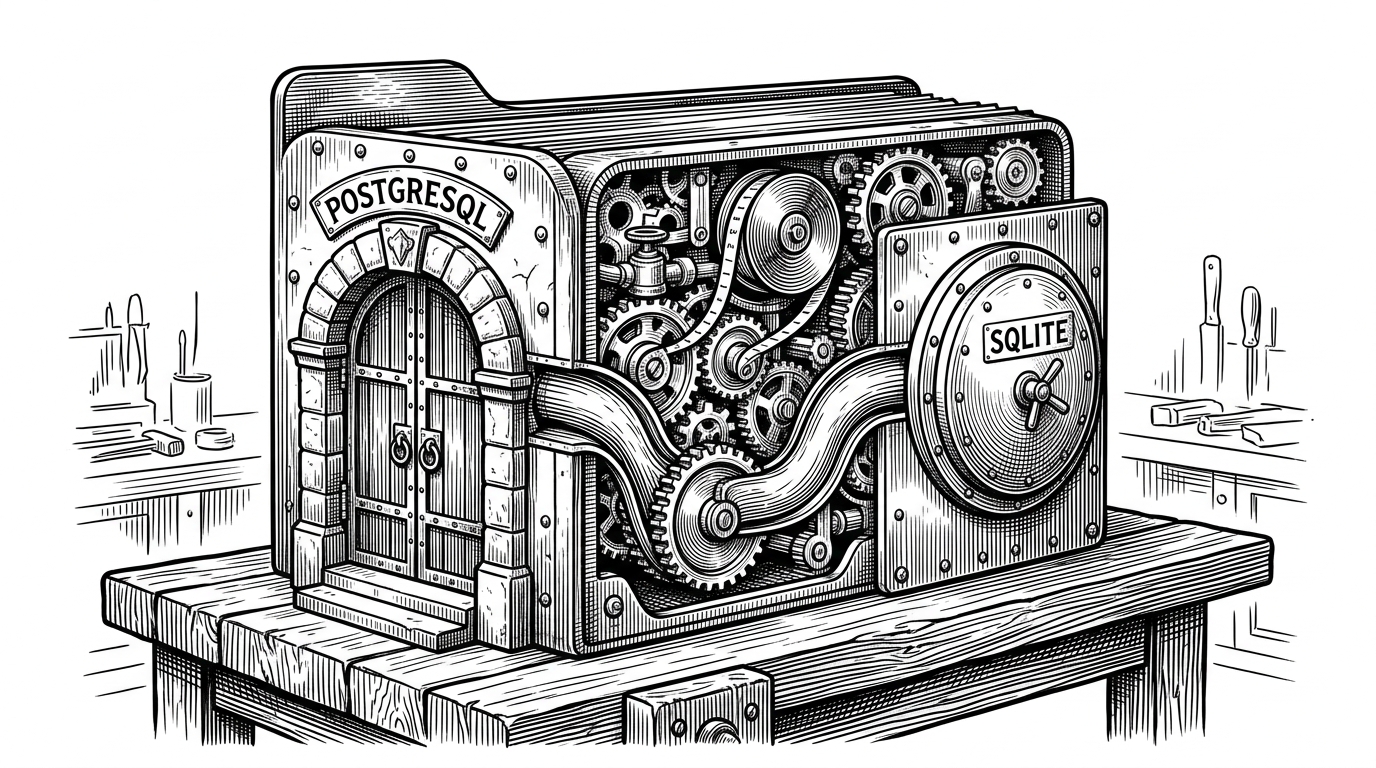
Why this feels different from Ollama
| Dimension | modelctl | Bundled launcher |
|---|---|---|
| Underlying binary | You point it at the actual server binary. | The engine is usually packaged behind the app. |
| Process model | Detached process plus PID state on disk. | Managed as part of the application shell. |
| Extensibility | Runtime adapters make new backends feel natural. | Support tends to follow the vendor’s roadmap. |
| Configuration | TOML and explicit flags. | More opinionated, more hidden defaults. |
| Audience | Power users and tinkerers. | People who want a smoother all-in-one experience. |
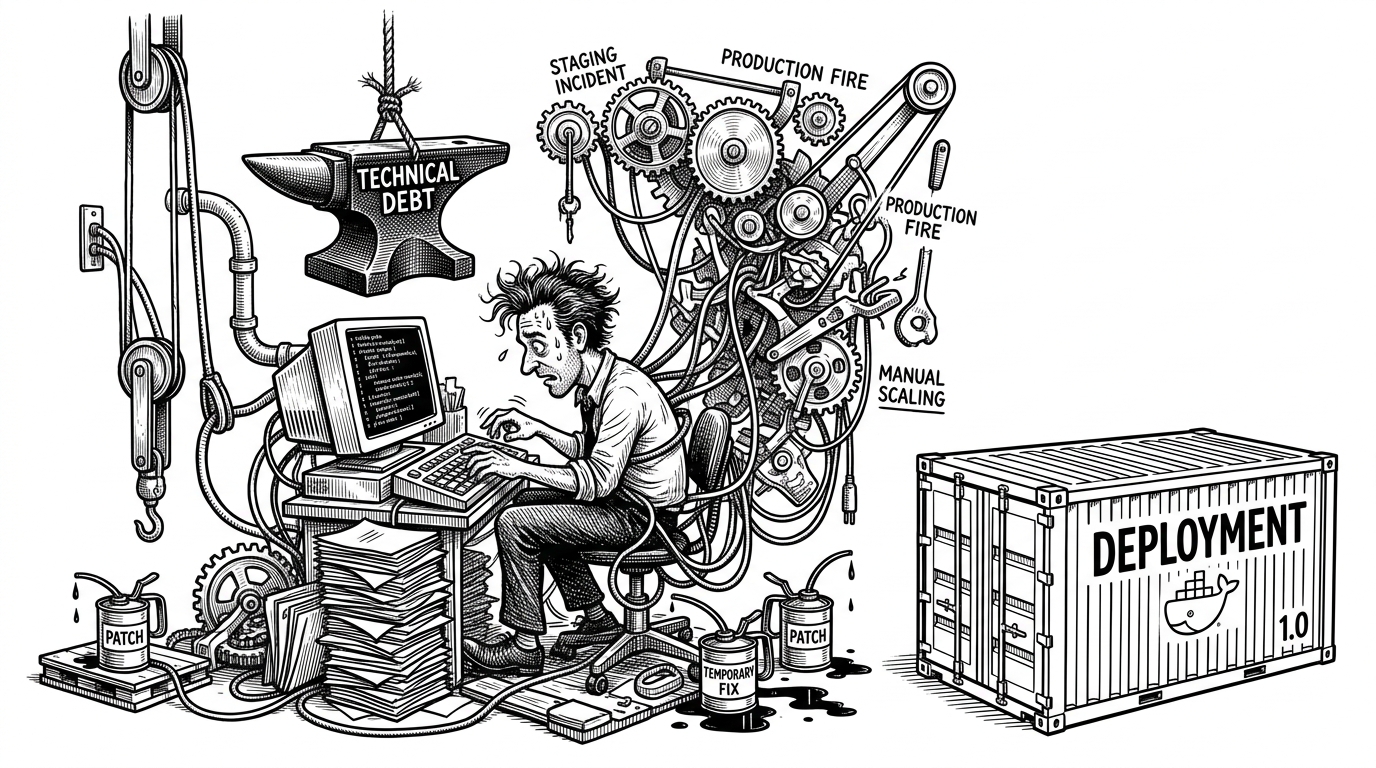
The process manager under the hood
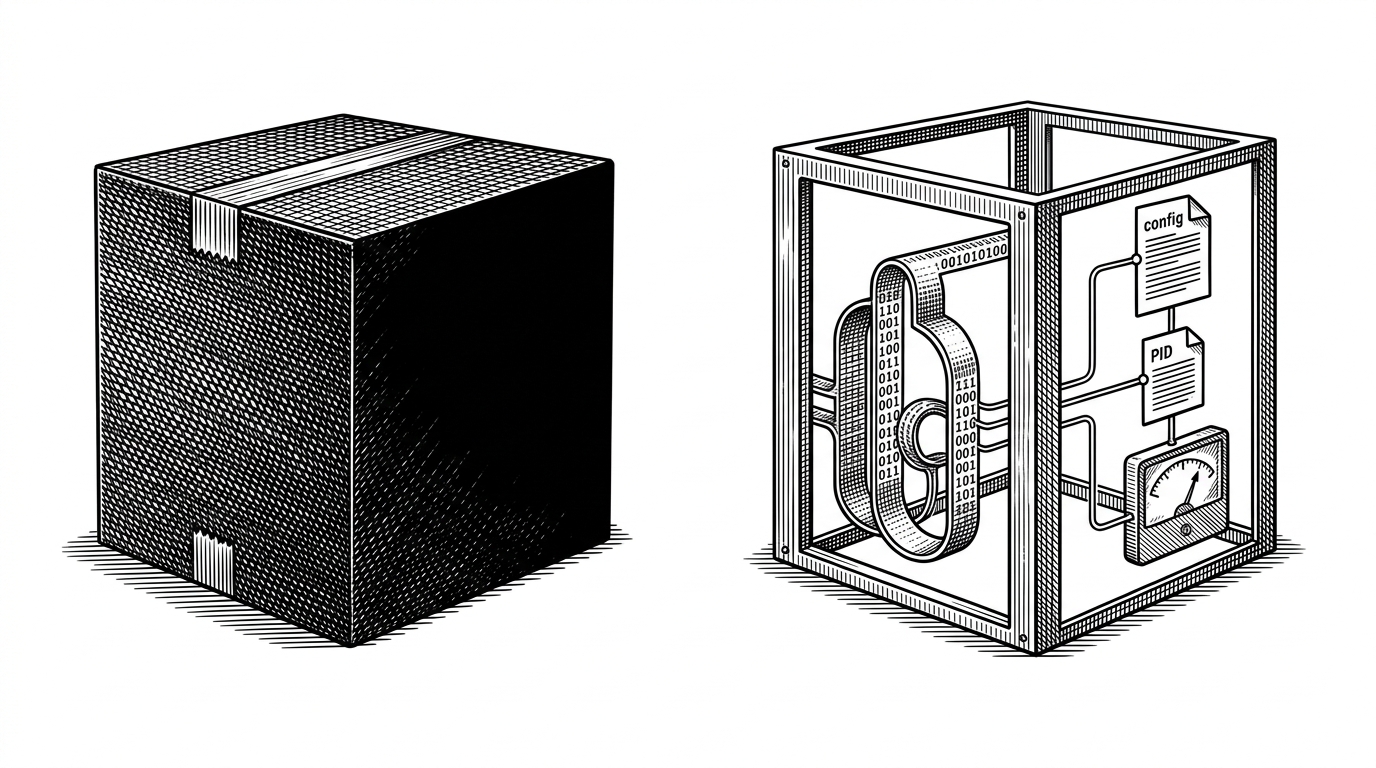
The interesting part is not that the code can fork a child process. The interesting part is that it does so with discipline. In start, the child calls setsid() in a pre_exec hook, which creates a new session so the server survives after the CLI exits.
State lives on the filesystem, not in a database. A PID file under ~/.local/state/modelctl/<name>.pid is enough to answer the only question that matters: is this server actually running?
// Simplified idea of the lifecycle
let child = Command::new(binary)
    .args(extra_args)
    .pre_exec(|| {
        nix::unistd::setsid().map_err(|e| std::io::Error::from_raw_os_error(e as i32))?;
        Ok(())
    })
    .spawn()?;

write_pid_file(name, child.id())?;

// Later
if is_alive(pid)? {
    println!("running");
} else {
    println!("stale pid file");
}
A runtime trait that keeps the tool open-ended
The Runtime trait is the quiet architectural choice that makes the whole project less fragile. The CLI does not need to know whether the backend is llama_cpp, something custom, or something that has not been wired in yet. It only needs a way to build the command.
That keeps the control plane small. The tool can stay opinionated about process management while staying neutral about the engine underneath it.
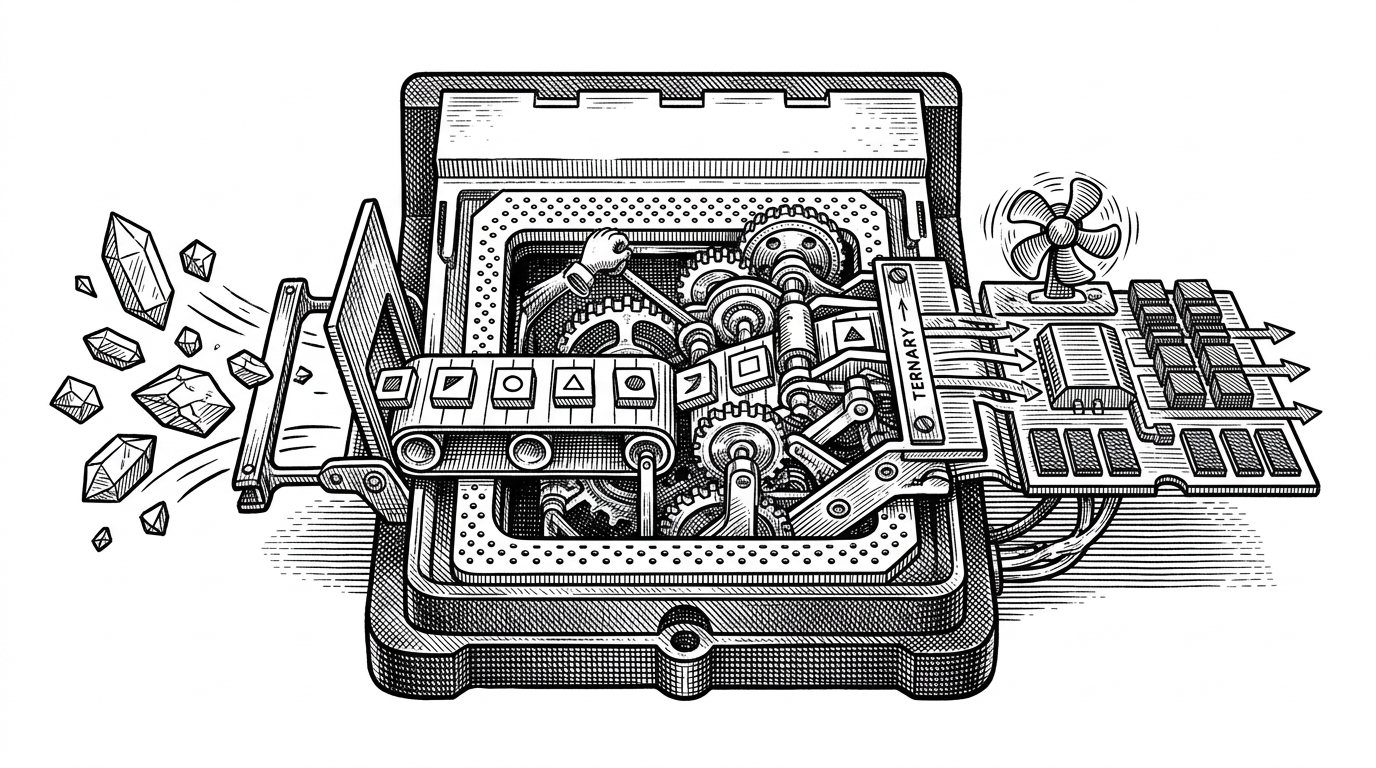
Telemetry for people who tune hardware
Generating illustration...
This is where the project becomes more than process supervision. The metrics thread samples Apple Silicon residency data in the background, then feeds the TUI without blocking it. For people tuning local inference, that means the dashboard is not decorative. It is operational.
The design stays read-only by choice. The dashboard observes. The command layer acts. That separation is part of the tool’s discipline.
Where this tool fits in the local LLM stack
| User need | Best fit | Why |
|---|---|---|
| Point-and-click setup | A bundled launcher | It hides the plumbing and gets you running fast. |
| Scriptable control | modelctl | It exposes the process model and stays CLI-native. |
| Custom model binaries | modelctl | It does not assume one blessed runtime. |
| Ad hoc debugging | Either tool | But the CLI wins when you want repeatable commands and logs. |
That is the point of the tool. It is not trying to be the easiest path for everyone. It is trying to be the right layer for people who already think in processes, paths, and services.
The Unix philosophy, translated for local AI
Local AI is starting to look less like a novelty and more like an operations problem. Once models run on your machine, you need the same boring things you need everywhere else: lifecycle control, observability, and a way to recover from stale state.
modelctl answers that with a small Rust binary and a very Unix answer to a new problem. No bundle. No mystery. Just enough machinery to start, track, and observe a model server cleanly.