dbt-osmosis: Ending the Copy-Paste Era of Data Engineering
How a "sidecar" for dbt turned the DAG into a self-documenting knowledge graph and killed the manual YAML grind.
Aside from that, can we do refactoring and decouple code? Specifically, https://github.com/z3z1ma/dbt-osmosis/blob/main/src/dbt_osmosis/core/osmosis.py looks too large. It would be great to address refactoring before the issue, because supporting the new schema on top of the current implementation can make the code complicated.
- The Ancestor Tree propagates documentation downstream through the dbt DAG to eliminate manual copy-pasting.
- A surgical Write-Validate-Replace pattern using ruamel.yaml prevents the corruption of comments and Jinja expressions during file updates.
- The Streamlit-based workbench provides a live sidecar environment for real-time SQL debugging and macro profiling.
- Integrated LLM synthesis automatically generates descriptions for new columns by analyzing naming conventions and table context.
The High Cost of "DRY" Data
The "Data Documentation Tax" is the silent killer of high-velocity data teams. Engineers spend an inordinate amount of their time copy-pasting descriptions from a staging table to a data mart, only for those descriptions to drift the moment a column is renamed. This leads to stale metadata where a single concept is defined differently across five different models.
The core issue is that while data transformation follows "Don't Repeat Yourself" (DRY) principles, data documentation does not. Documentation usually lives in disparate silos. dbt-osmosis is the first tool to treat the dbt directed acyclic graph (DAG) not just as a transformation pipeline, but as a true knowledge graph.
Documentation as a Fluid Dynamics Problem
To solve the documentation tax, dbt-osmosis introduces the concept of an Ancestor Tree. The tool crawls the DAG to find the original source of truth for any given column. It then pulls that description forward, propagating it downstream to undocumented models automatically.
This "osmotic" flow means that documentation acts like a fluid. A description written once in a base table will naturally fill the empty vessels of downstream data marts. If a downstream model requires a specific override, the flow is broken only for that specific node, preserving the inheritance everywhere else.
The YAML Surgeon
Modifying YAML files programmatically is notoriously dangerous. Most standard parsers destroy comments, reorder keys, and overwrite dynamic Jinja expressions with static rendered values. dbt-osmosis approaches file mutation like a surgeon.
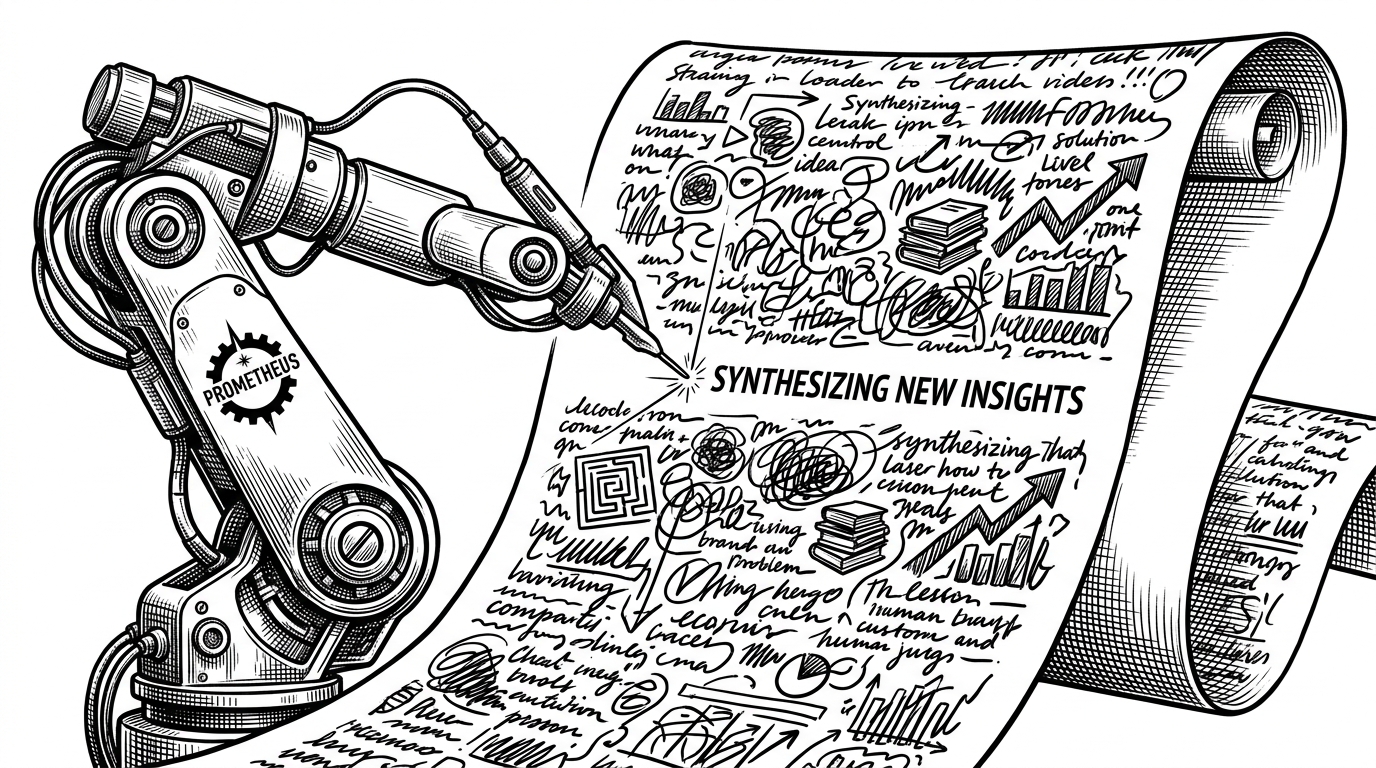
The architecture relies on ruamel.yaml for safe round-tripping. It uses a Write-Validate-Replace pattern to ensure it never corrupts your codebase. Before committing changes to disk, it pulls keys like macros and semantic models from an original cache and re-injects them into the new file. This guarantees that unmanaged dbt metadata is never accidentally deleted.
As the project grows, handling the complexity of these operations requires careful architectural decisions. Core contributors actively monitor the health of the codebase to keep this surgical precision intact.
A Sidecar for the Modern Stack
Beyond file mutation, dbt-osmosis provides a live environment for developers. Instead of relying solely on command-line interfaces, it ships with a Streamlit-based web interface. This acts as a sidecar to your primary editor.
The workbench provides a real-time IDE-like experience for Jinja SQL development. You can execute queries, profile data, and debug complex macros with immediate visual feedback. It bridges the gap between a raw text editor and a heavy business intelligence tool, offering a reactive SQL playground that understands your dbt project's context natively.
Beyond the DAG: LLM Synthesis
Inheritance solves the problem of repeated columns, but what happens when a brand new column is introduced? When inheritance fails to find an upstream progenitor, dbt-osmosis leverages Large Language Models to fill the void.
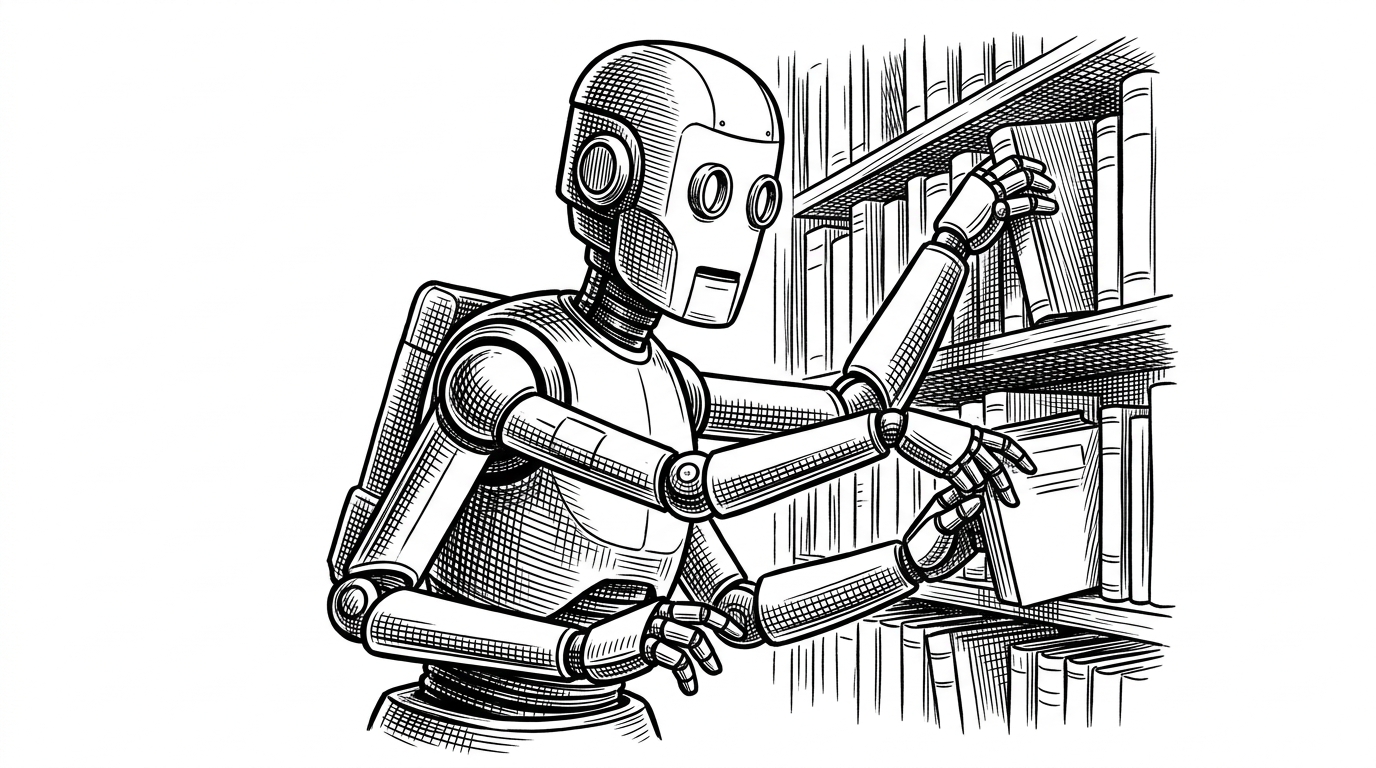
The synthesis command connects to Anthropic, OpenAI, or local models to guess the description based on naming conventions and surrounding table context. By abstracting the LLM interaction into a common interface and supporting secure authentication methods like Azure AD, the tool ensures that automated documentation generation is both accurate and enterprise-ready.
The Automation Landscape
The dbt ecosystem has spawned several tools to handle its rapid growth. While some seek to replace the framework entirely and others act as strict gatekeepers, dbt-osmosis occupies a unique position as an automator.
| Feature | dbt-core (Raw) | dbt-checkpoint | dbt-osmosis |
|---|---|---|---|
| Primary Role | Transformation Engine | The Enforcer (Linting) | The Automator (Generation) |
| Doc Inheritance | Manual copy-paste | Checks if it exists | Auto-propagates downstream |
| YAML Formatting | No native control | Enforces style rules | Safe round-trip editing |
| Interactive UI | CLI only | CLI only | Streamlit Workbench |
| LLM Integration | None | None | Context-aware synthesis |
By automating the most tedious aspects of data engineering, dbt-osmosis allows teams to focus on logic rather than formatting. It turns the documentation burden into a fluid, self-healing process, ensuring that the knowledge graph remains as robust and accurate as the data it describes.
Sources: