The Headless Newsletter: Inside follow-builders
How a centralized GitHub Action and plain-English prompts created a zero-config, API-free content pipeline for local AI agents.
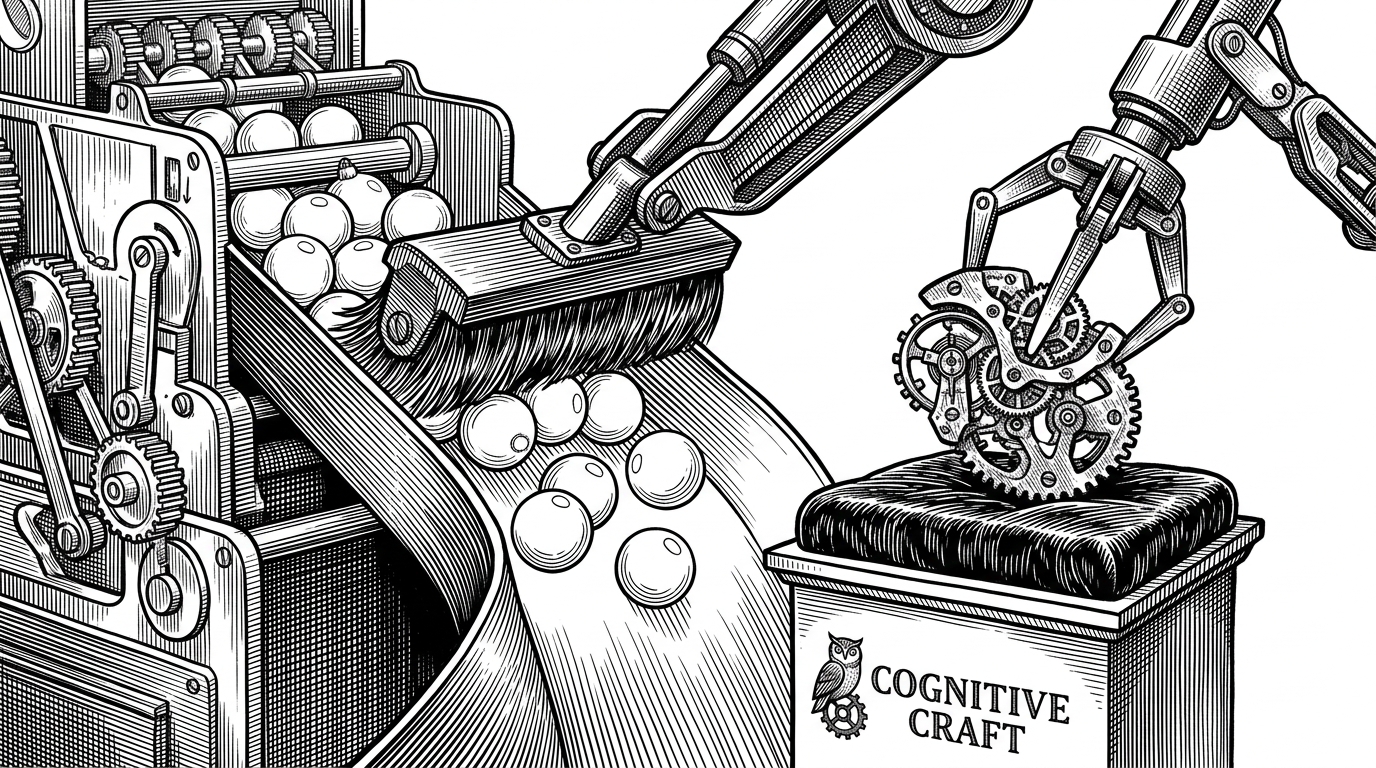

Philosophy: Follow people who build products and have original opinions, not influencers who regurgitate information.
- The follow-builders repository bypasses API key friction by using a public GitHub repository as a centralized producer that scrapes and hosts data as flat JSON files.
- The project encodes an anti-influencer editorial stance directly into its LLM instructions using plain-English Markdown prompts.
- A smart chunking mechanism within the delivery script ensures Markdown formatting remains intact when broadcasting summaries through character-limited platforms like Telegram.
The Signal and the Noise
The AI ecosystem is drowning in engagement bait. Every week brings a new flood of generic threads promising to change your life with ten simple prompts. The follow-builders project is a direct rejection of this noise. It is not just a summarization tool. It is an editorial stance programmed into an AI agent.
The Death of the API Key
Most AI agent tools require the user to supply their own API keys for X, YouTube, or web scraping services. This creates a massive point of friction. The follow-builders architecture solves this through a centralized Producer-Consumer model. A GitHub Action acts as the producer, running on a schedule to scrape APIs and manage state. It then hosts the curated data as flat JSON files.
The user's local AI agent acts merely as a consumer. It pulls these zero-latency JSON files without needing a single API key or scraping dependency. It is a headless, decentralized newsletter built specifically for agentic consumption.
Traditional Scraping vs. Centralized Feeds
To understand the value of this architecture, we must contrast it with the standard approach of running a local browser-controlling agent to find news. The friction drops from hours of setup to seconds.
| Metric | Traditional Agent Scraping | follow-builders Architecture |
|---|---|---|
| Setup Requirements | Requires user API keys and headless browsers | Zero config (just run the skill) |
| Execution Latency | High (seconds to minutes per source) | Millisecond latency (fetching static JSON) |
| Point of Failure | Breaks easily when local IP is blocked | Maintained centrally by the Producer |
| Infrastructure Cost | High token and compute cost for the user | Zero scraping cost for the user |
Compiling English: The Prompt-as-Code Engine
The actual programming of the noise filters happens entirely in plain-English Markdown files within the prompts directory. By prioritizing local overrides over remote defaults, the system allows users to finely tune the editorial logic.

These prompts instruct the LLM to prioritize counterintuitive insights and ignore mundane event announcements. This is how the system enforces its anti-influencer philosophy at scale.
The Last Mile Delivery
Once the digest is prepared, it must be delivered. The delivery script handles multiple transports, including standard output for terminal agents and email via the Resend API. However, the most clever implementation is the Telegram integration.

Because Telegram imposes a strict 4096-character limit per message, a naive split would destroy Markdown formatting mid-sentence. The script solves this by searching backward from the limit for the nearest newline character, ensuring the text is chunked cleanly and elegantly.