ai-code-gen: Teaching LLMs the Language of Vara: Inside the Gear AI Code Gen
How a modular multi-agent system uses "few-shot" orchestration to bridge the gap between general AI and specialized Web3 infrastructure.

- The system replaces expensive model fine-tuning with a library of gold-standard templates injected directly into prompts.
- A multi-agent controller orchestrates parallel workflows to generate the contract, the frontend, and the server simultaneously.
- An automated audit layer specifically corrects Rust borrow checker violations and protocol-specific anti-patterns before delivery.
The "Last Mile" Problem
General-purpose AI models are fluent in Python, React, and standard Rust. But ask them to write a smart contract for a specialized Web3 protocol that did not exist in their training data, and the illusion shatters. They guess. They hallucinate APIs. They write code that looks correct but fails to compile against niche infrastructure.
This is the exact problem the Gear Foundation faced with the Vara Network. Their high-level framework, Sails, abstracts low-level WebAssembly syscalls into a clean service-oriented architecture. Standard LLMs, however, have no idea how it works. The cost of "almost right" code in decentralized infrastructure is unacceptably high.
The Digital Library
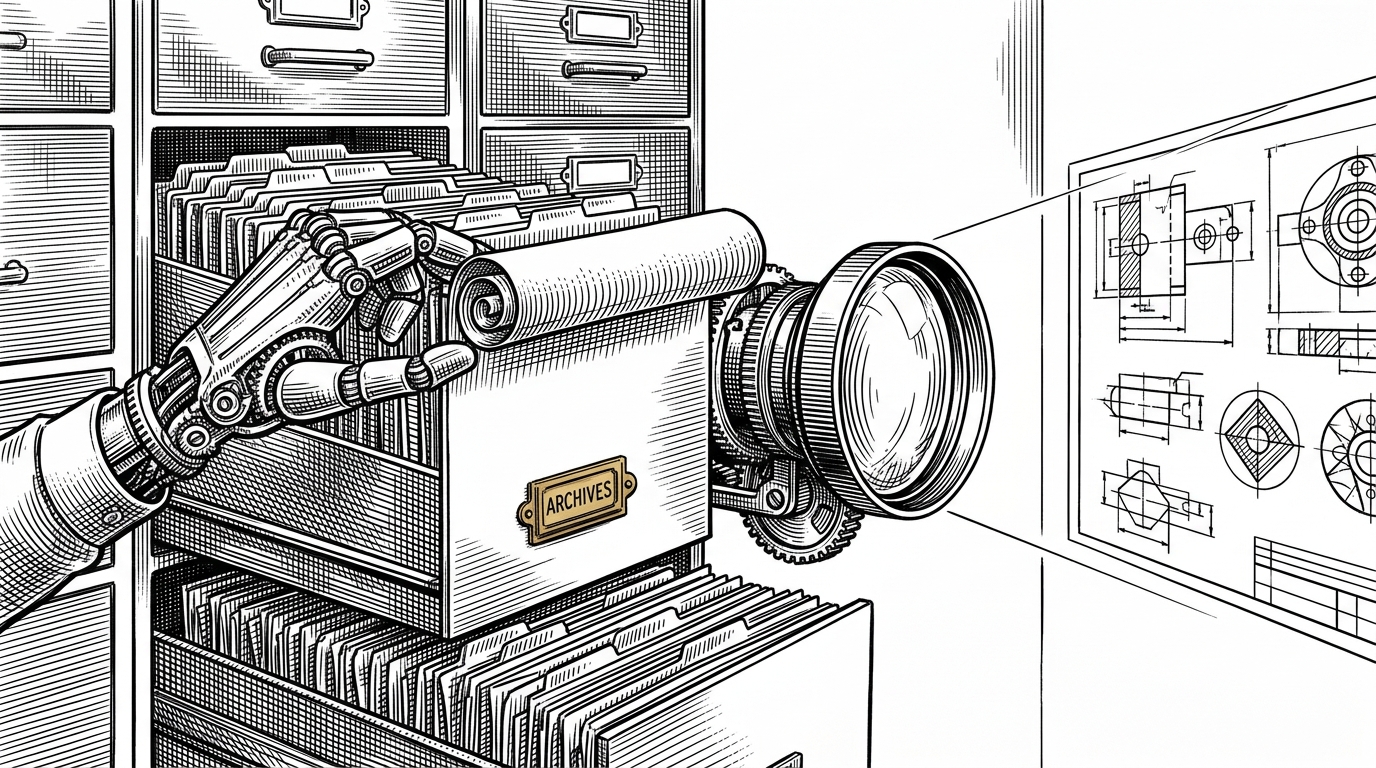
Instead of fine-tuning a model (which is expensive and rigid), the ai-code-gen repository utilizes a highly specialized form of In-Context Learning. The core of the system is not a complex vector database, but a meticulously organized training_data directory.
This directory functions as a digital library of gold-standard templates. When a developer requests a new contract, the backend controller dynamically concatenates these text files. It injects them directly into the LLM prompt just milliseconds before generation begins.
The Four-Headed Developer
Writing a smart contract is only half the battle. A functional decentralized application requires a frontend client that perfectly mirrors the contract's Interface Description Language (IDL). To solve this, the repository employs a multi-agent orchestration architecture.
Inside ia_routes.py, a single user prompt triggers a branching workflow. Specialized controllers (Contract, Server, Frontend, and Web3 Abstraction) spin up parallel AI agents. One agent writes the Rust contract. Another generates the TypeScript client. A third implements Vara-specific "gasless" transaction abstractions.
The Auditor's Eye
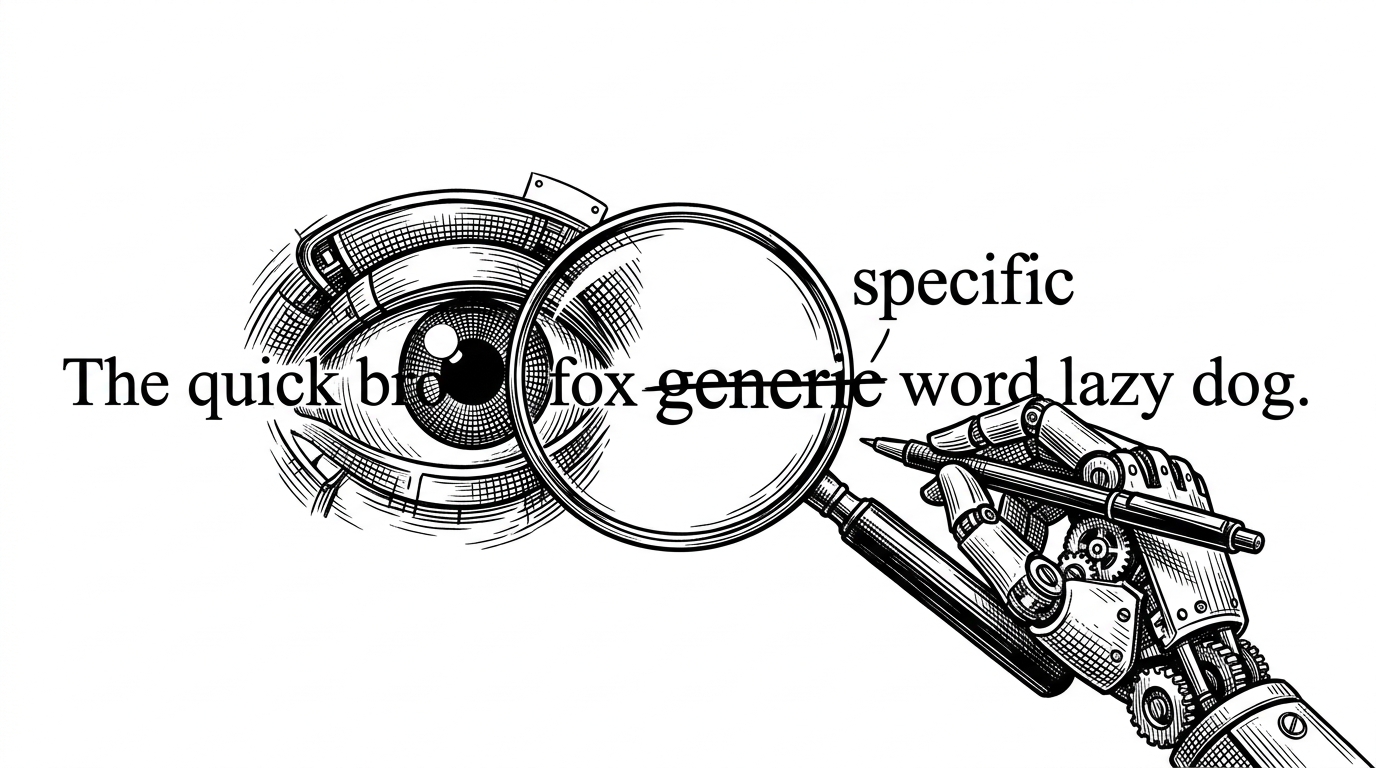
Rust's borrow checker is notoriously difficult for LLMs to satisfy on the first try. To combat this, the architecture includes an automated self-correction layer defined in auditservice.py.
If the audit flag is enabled, the initial LLM output is not sent to the user. Instead, it is routed to a secondary agent powered by a strict system prompt. This auditor agent specifically scans for Vara Network anti-patterns. It replaces generic string references with owned types, enforces integer math rules, and adds explanatory comments before returning the finalized code.
Generalist vs. Specialist
Most AI coding tools attempt to be everything to everyone. The Gear AI Code Gen takes the opposite approach, trading general knowledge for domain absolute certainty.
| Feature | Standard LLM | Gear AI Code Gen |
|---|---|---|
| Knowledge Source | Training Cutoff (Static) | Real-time Template Injection (Dynamic) |
| Output Scope | Single File or Snippet | Full-Stack (Contract + Client + UI) |
| Safety Checks | User-Verified | Automated Multi-Agent Audit |