ai-sales-team-claude: The Sales Department Hidden in Claude Code
A deep dive into the repo that turns prospect research, lead qualification, outreach, meeting prep, and PDF reporting into a routed system of markdown skills, Python scripts, and parallel agents.
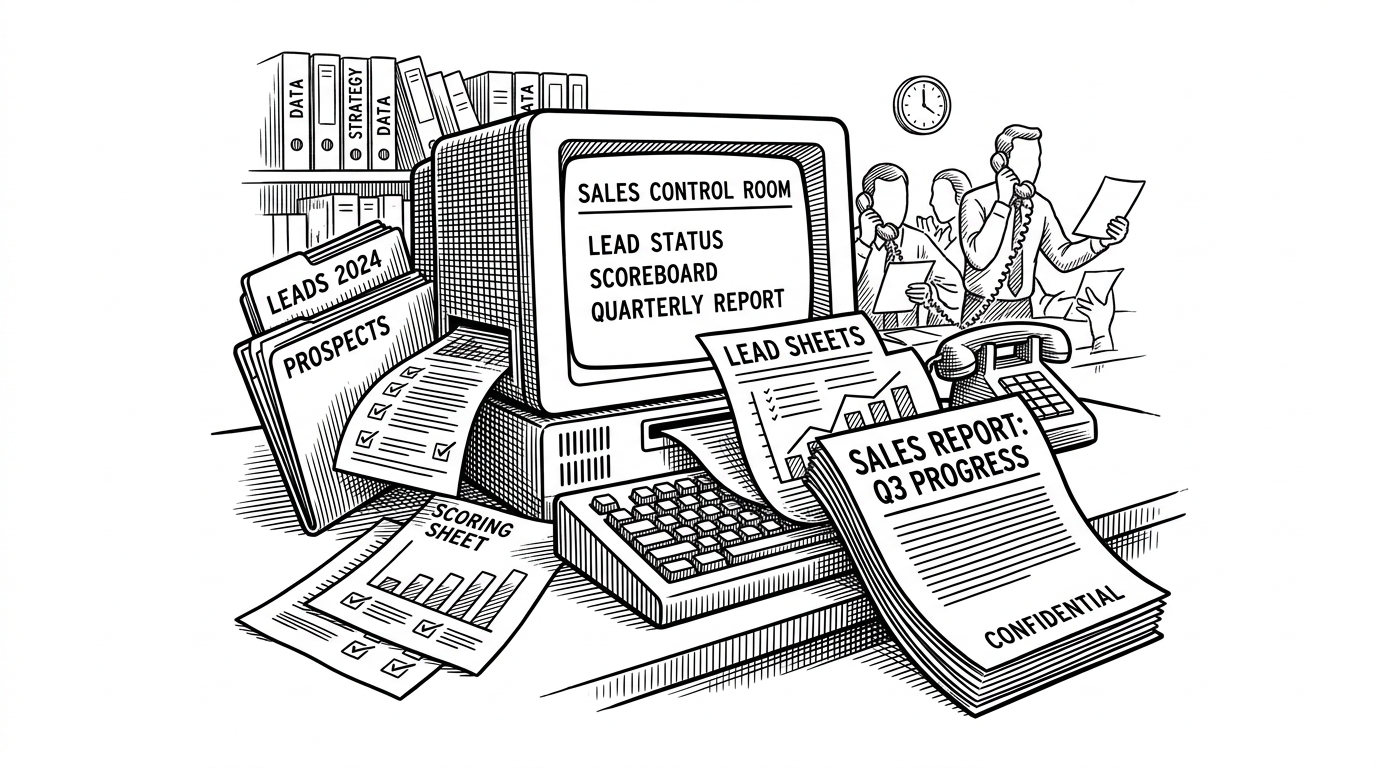
- ai-sales-team-claude turns Claude Code into a sales operating system that runs from the terminal and writes to local files.
- Its core innovation is routing, not chatting: one orchestrator, five parallel specialists, and reusable skills collapse messy research into a decision.
- The weighted prospect score matters because it converts research into a judgment the team can act on.
- The project is most compelling for technical teams that want control, portability, and reproducibility more than SaaS polish.
The terminal is the sales interface
This repo does something stranger than it first appears. It lets a sales workflow begin with a command, then pushes the work through Claude Code, local files, and structured outputs instead of a browser tab full of fields. That changes the shape of the job. Prospect notes become artifacts, not dead ends.
Type a command in Claude Code and get instant, actionable sales intelligence:
That is the real hook. The project is not selling AI as a vague productivity boost. It is trying to make sales work more like an engineered system, where each step leaves behind something reusable: a prospect analysis, a contact brief, a meeting prep doc, or a PDF report.
One command, one orchestrator, five specialists
The architecture is simple to describe and more interesting to use. A top-level sales skill routes the request, then the repo fans out into specialized sub-skills and agents for research, qualification, contact discovery, outreach, and reporting. The important part is not that it uses agents. It is that it separates concerns before the model starts mixing them together.
This is the key design move. The repo does not ask one model pass to do every task at once. It decomposes the work so each skill can stay narrow, which makes the output easier to inspect, debug, and trust.
The prospect score is the product
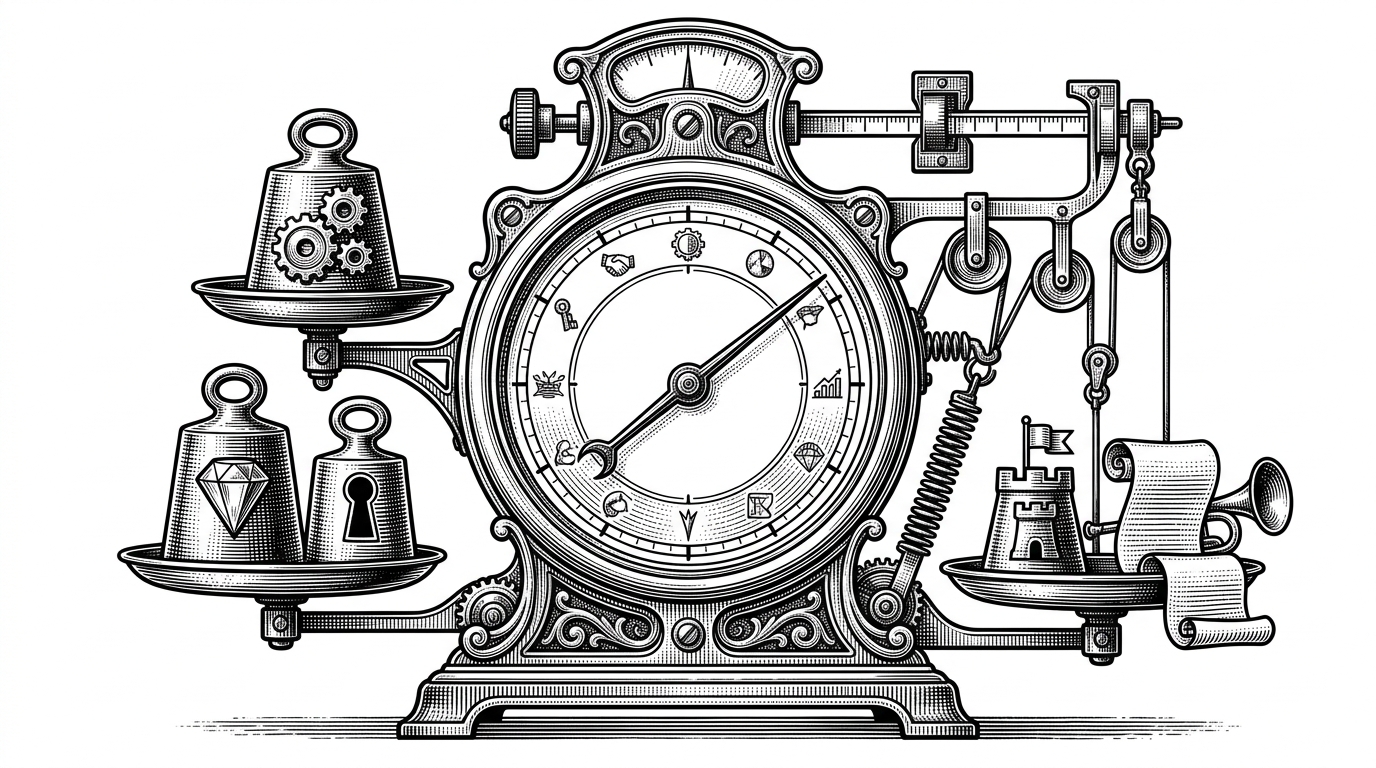
If the routing layer is the machine, the weighted prospect score is the output that matters. The repo is trying to compress noisy sales research into a decision: is this account worth time, what is missing, and what should happen next. That is more useful than a long summary because it gives a team a move.
# The repo’s idea, simplified
score = (
    company_fit
    + contact_access
    + opportunity_quality
    + competitive_position
    + outreach_readiness
)

next_action = "pursue" if score >= threshold else "park"
The point is not the exact arithmetic. It is the discipline. A sales conversation that usually lives in fragments gets translated into evidence buckets, then into a single next action that a human can review.
Markdown is doing real work here
The most underrated part of the repo is that markdown is not just documentation. The `SKILL.md` files behave like executable operating instructions for Claude Code, and the surrounding Python scripts handle the parts that benefit from deterministic parsing and formatting. That split is smart. LLMs do judgment, Python does structure.
sales/
  SKILL.md
skills/
  sales-prospect/SKILL.md
  sales-qualify/SKILL.md
scripts/
  analyze_prospect.py
  lead_scorer.py
  generate_pdf_report.py
templates/
  outreach.md
  meeting-brief.md
  proposal.md
That file layout matters because it makes the system legible. A prospect flow can fetch web data, score signals, render a report, and leave all of it behind as local artifacts that another command can pick up later. In other words, the repo behaves less like a chatbot and more like a workflow engine with memory.
The hidden graph behind the commands
The strongest feature here is reuse. Once a prospect analysis exists, it can feed outreach, meeting prep, proposals, and reporting without forcing the user to start over. That creates a hidden graph of artifacts. Each run improves the next one because the outputs are written down in a form the rest of the system can read.
That is why the project feels bigger than a command palette. It is not just a set of prompts with nicer packaging. It is an attempt to make sales knowledge accumulative, local, and composable.
What this replaces, and what it does not
The repo makes the most sense when you compare it with two nearby categories. General LLM frameworks give you flexibility, but they make you assemble the workflow yourself. Web-first AI SDR tools give you convenience, but they often bundle the process into a hosted product with fixed assumptions. ai-sales-team-claude sits in the narrow space between those worlds.
| Tool type | Where it lives | Primary strength | Main limitation | What ai-sales-team-claude does differently |
|---|---|---|---|---|
| LangChain-style framework | Your app or service layer | General-purpose agent and chain building | You still have to design the sales workflow from scratch | Ships as an opinionated sales workflow inside Claude Code, with skills, agents, and local outputs |
| ReachGenie-style AI SDR platform | Web app and hosted outbound stack | Convenient prospecting and campaign execution | Less local control, more platform lock-in | Keeps the work in the terminal and writes reusable markdown and PDF artifacts locally |
| ai-sales-team-claude | Claude Code and the local filesystem | Tight, reproducible sales operations for technical teams | Only useful if you want a terminal-native workflow | Treats sales judgment as a routed system, not a chat window |
The comparison is not about superiority. It is about fit. If you want broad framework flexibility, use a framework. If you want a hosted SDR surface, use a hosted SDR product. If you want a local, command-driven sales system that produces inspectable artifacts, this repo has a very specific answer.
Zubair Trabzada’s Claude Code pattern

The GitHub profile identifies Zubair Trabzada as CEO @ AI Workshop, and the surrounding repo family suggests a repeatable pattern. He is not just publishing one-off tools. He appears to be building domain-specific Claude Code skills for different business functions, with sales as one of the clearest examples.
That context matters, but only after the architecture has made its case. The project stands on its own because the machine is the message. Once you understand the routing, the scoring, and the artifact reuse, the author profile reads as a pattern, not the premise.