zizmor: The Rust Compiler for GitHub Actions Security
A deep look at the tool that parses workflows, shells, and expressions like code, then turns CI security into a fast, offline, compiler-like analysis pass.

- zizmor treats GitHub Actions security as program analysis, not regex-based linting.
- Its core advantage is layered understanding of workflows, expressions, and embedded shell.
- The persona system and autofix workflow are product decisions that reduce noise and increase adoption.
- Rust gives the tool fast offline audits, but the real differentiator is the security model.
GitHub Actions looks like YAML, but that is a trap. The file can embed expressions, shell, secrets, permissions, and supply-chain decisions in a single workflow graph. zizmor treats that surface like a language runtime, which is why it feels closer to a compiler pass than a linter.
Why GitHub Actions Became a Security Language Problem
A workflow is not a static declaration. It expands event data, interpolates expressions, and executes shell with real side effects. That means a bad assumption in one step can become code execution, credential exposure, or an over-privileged action in the next.
That is the niche zizmor targets. It is built for the uncomfortable truth that CI config is executable logic, and that logic can be attacked through template injection, unsafe quoting, and overly broad permissions.
On a very basic level, I don’t really want zizmor to exist: what I really want is a CI/CD system that’s secure by construction, and that doesn’t require static analysis to be bolted onto it for a degree of safety.
What zizmor Actually Analyzes
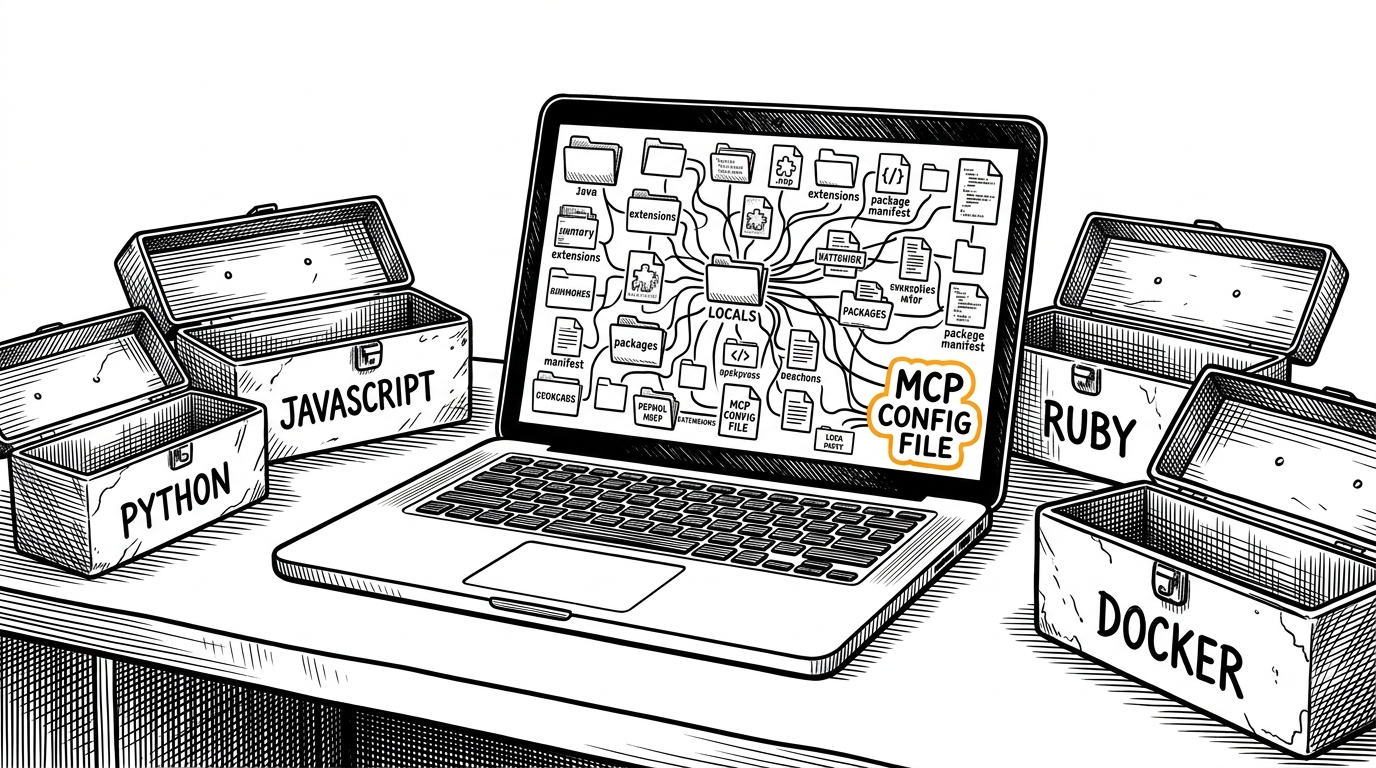
The repository is split like a real analysis stack. The main CLI lives in crates/zizmor, while supporting crates model GitHub Actions workflows, parse the ${{ ... }} expression language, navigate YAML paths, apply patches, and inspect shell blocks with Tree-sitter.
That matters because the engine does not stop at syntax. It uses typed GitHub Actions models, a dedicated expressions parser, and shell parsing to understand where untrusted data can flow, and where it becomes a sink. In security tooling, that is the difference between a warning and a diagnosis.
The registry makes findings feel like diagnostics
The audit registry collects checks into a central engine, then emits findings with locations, severity, and optional fixes. The important part is that a finding is not just a string. It carries YAML paths, line-aware context, and patch data that can rewrite the workflow.
That is compiler thinking. A parser feeds an analyzer. The analyzer produces structured diagnostics. Some diagnostics can even become edits.

The Most Interesting Thing: Template Injection as Data Flow
This is the project’s real intellectual move. Many tools scan for suspicious strings, then stop. zizmor asks a harder question: where did the data come from, how was it transformed, and did it cross into a dangerous sink?
That is why the project leans on GitHub-specific knowledge. A value that is harmless in one context can become dangerous in run:, or when passed to an action input that controls behavior. The analysis is not generic taint tracking pasted onto YAML. It is CI-specific program analysis.
The result is a sharper definition of risk. A workflow event field is not bad by default. It becomes dangerous when expansion and execution line up in the wrong order, with the wrong quoting, inside the wrong step.
Why Personas Matter More Than Raw Severity
zizmor does not treat every user the same. Its persona system changes how much noise you are willing to tolerate. Regular mode aims for practical defaults, pedantic mode surfaces more edge cases, and auditor mode is for the people who want the full blast radius.
| Persona | Signal level | Best for |
|---|---|---|
| Regular | Focused | Most developers running checks in CI |
| Pedantic | High | Security-minded maintainers reviewing workflows |
| Auditor | Maximum | Deep review and triage sessions |
That is a smart product decision. Most security tools fail not because they are wrong, but because they are noisy. Persona-based filtering turns the same analysis engine into different products for different jobs.
People like to use zizmor, even though it’s a security tool! Crazy!
Rust Is Not Just a Language Choice Here
Rust gives zizmor speed, but speed alone is not the point. The workspace structure keeps the parser, models, patching logic, and audits separate, which makes the codebase easier to reason about and safer to extend.
The project also behaves like a serious compiler toolchain. It uses snapshot testing, strong linting, and explicit models instead of loose maps wherever possible. That engineering style matters because static analysis tools fail when their own internal abstractions are brittle.
| Tool | Primary focus | GitHub Actions depth | Security specialization | Runtime | Best for |
|---|---|---|---|---|---|
| zizmor | Security analysis | Deep | High | Rust | CI security and template injection |
| actionlint | Correctness and linting | Broad | Medium | Go | Workflow syntax and best practices |
| Checkov | IaC scanning | Shallow to medium | Broad | Python | Multi-cloud policy checks |
| KICS | IaC scanning | Shallow to medium | Broad | Go | General configuration security |
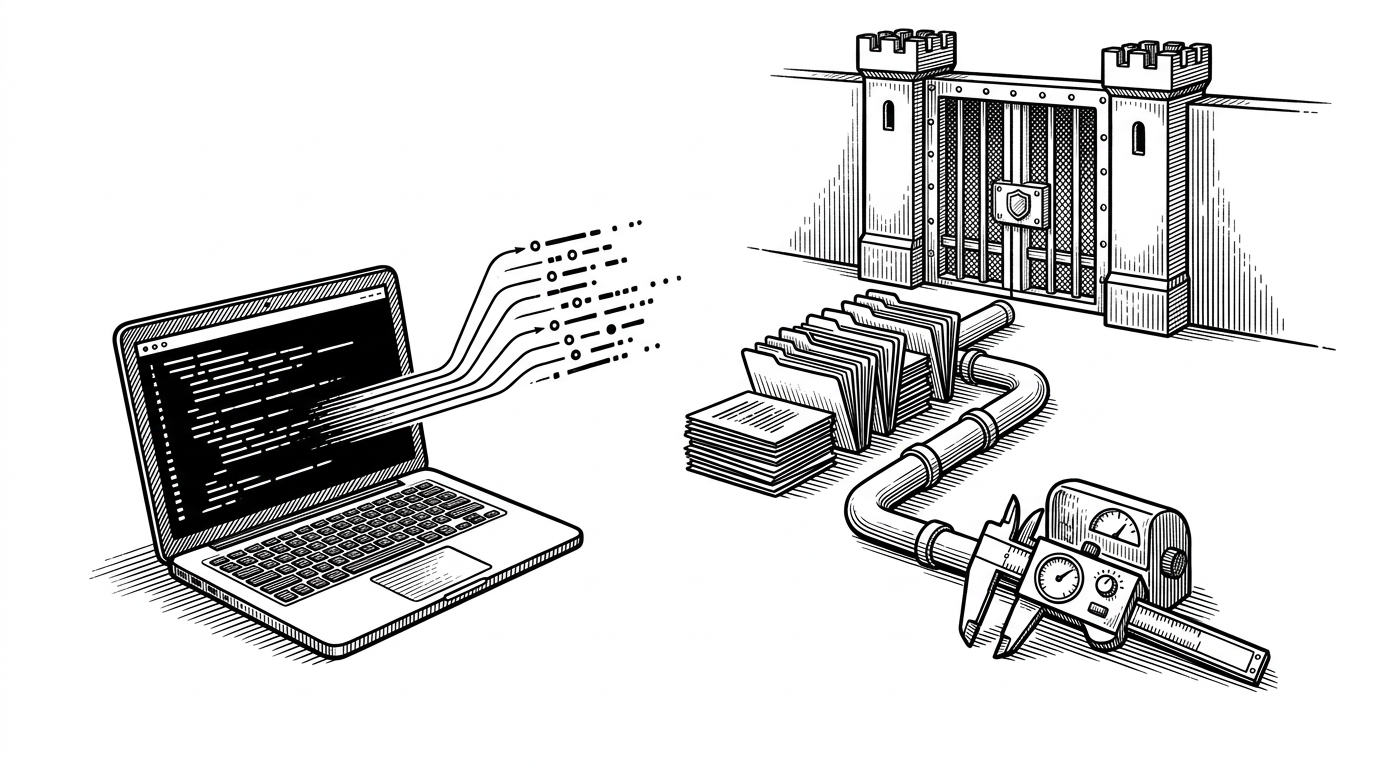
Offline-first behavior is part of the appeal. If a tool can run quickly without waiting on the network, it fits naturally into pre-commit hooks, local triage, and CI pipelines. That lowers friction, and friction is what kills adoption.
Who Built It, and Why It Caught On
William Woodruff built zizmor as a practical answer to a real gap: GitHub Actions needed security analysis that understood the language, not just the file format. The project’s traction came from a rare combination of depth and usability.
It is specialized enough to catch the bugs that matter, but fast enough to use daily. That combination is why teams can live with it, which is usually the hardest part of security tooling.
The larger lesson is simple. The best security tools do not just detect problems. They reshape how a team thinks about the system. zizmor does that by turning workflow review into a language-aware analysis pass instead of a manual audit ritual.