redux-booklist: The Small App That Explains Redux
A five-file lesson in how one click moves through actions, reducers, and containers before the UI changes.
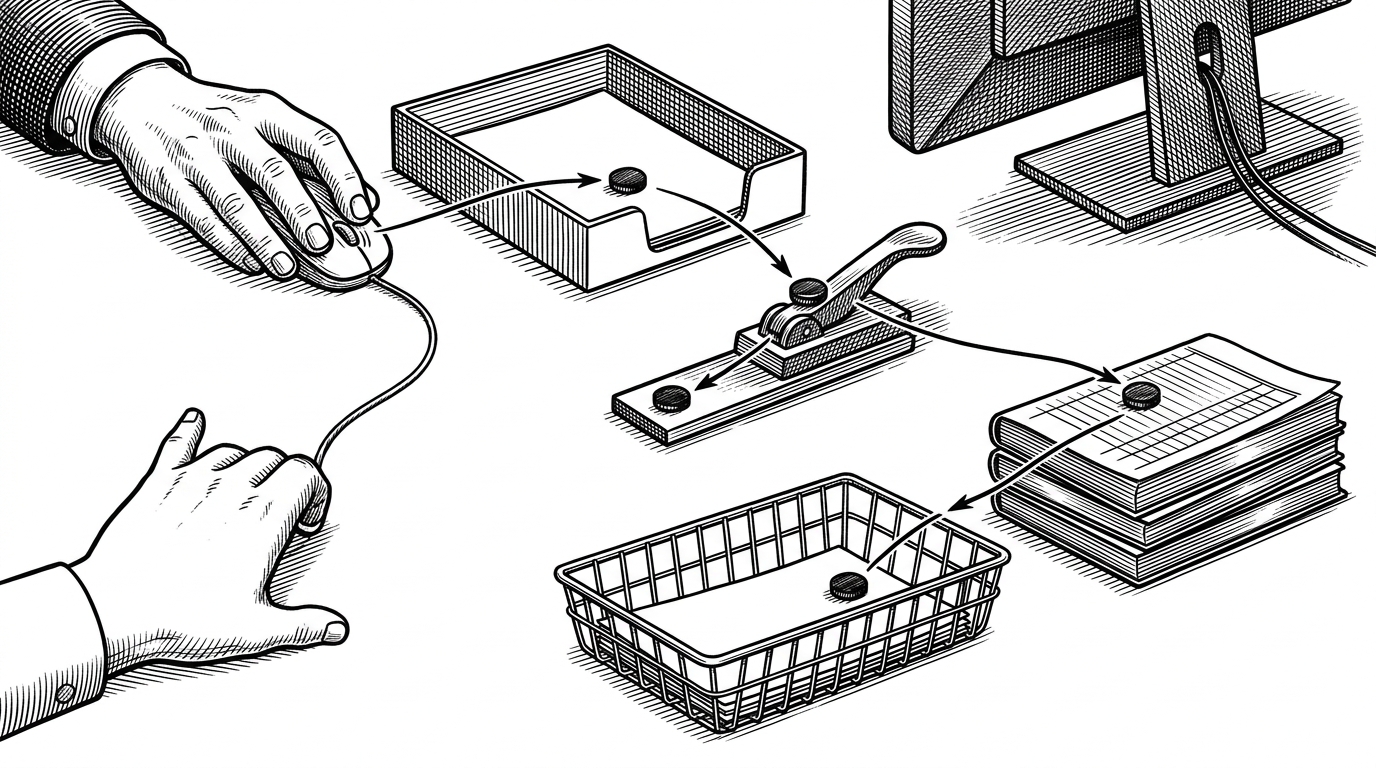
- redux-booklist turns one book selection into a visible contract between action creator, reducer, store, and connected container.
- The repo's real teaching tool is separation of view and wiring, not the book list itself.
- Classic Redux feels verbose because every handoff stays inspectable, which is exactly why the pattern was useful.
- Modern Redux compresses the ceremony, but the discipline of traceable state changes still matters.
The click that changes five files
Click a book title and the UI changes. In redux-booklist, that simple motion passes through an action creator, a reducer, a connected container, and a store update before the detail pane changes.
That is the surprise. The app is tiny, but the path is not hidden, because the repo is designed to show the machinery in the open. The boilerplate is the lesson.
Why this repo exists
redux-booklist is not trying to solve a product problem. It is a teaching artifact in the classic Redux style, built to make unidirectional data flow easy to inspect.
The static book data is not a shortcut. It keeps the focus on the state choreography, where the important move is not fetching data but understanding how state changes become UI.
The split that makes Redux readable
The sharpest decision in the repo is the split between presentational components and containers. The components draw, the containers connect, and the boundary keeps the UI layer honest.
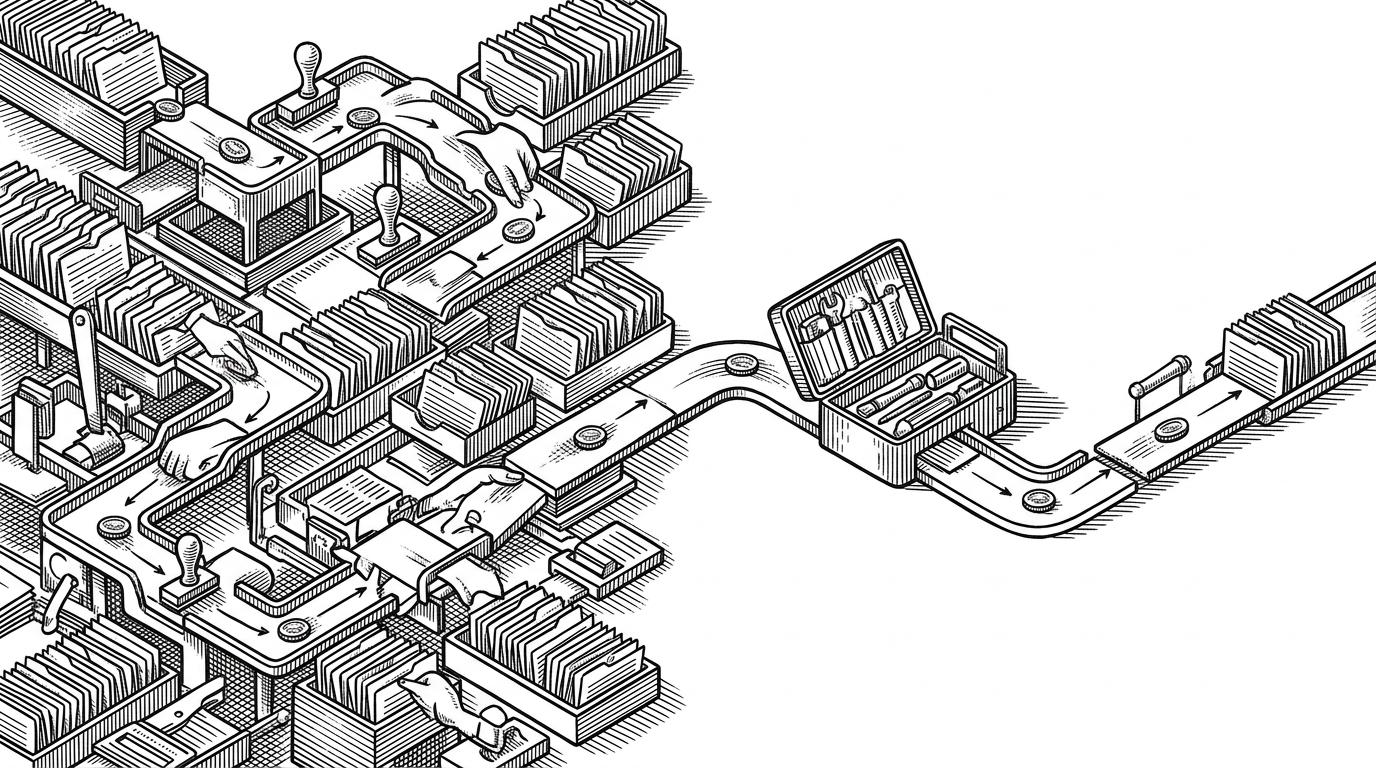
That older pattern can feel ceremonial, but in a teaching repo ceremony is useful. It turns an implicit relationship into an explicit one, so the reader can see where data comes from and where it goes.
Follow one dispatch from list to detail
The path starts in book-list.js. A click calls selectBook(book), which returns a plain action with type BOOK_SELECTED. The reducer in reducer_active_book.js receives that action, swaps the active book away from its initial null state, and the connected book-detail.js container re-renders with new props.
That initial null matters. It gives the app a clean empty state, so the first render tells the truth: nothing is selected yet. The UI is not waiting for data. It is waiting for a decision.
Classic Redux versus modern Redux
This repo belongs to the era when Redux taught its architecture by exposing every seam. Modern Redux Toolkit and hooks keep the same mental model, but they compress the ceremony into fewer files and fewer handoffs.
| Dimension | redux-booklist | Modern Redux Toolkit + hooks |
|---|---|---|
| State shape | Separate reducers keep the books list and active book visible as distinct concerns. | Slices often colocate state, reducers, and action creators. |
| Action flow | <code>selectBook(book)</code> creates a plain action that travels through <code>connect</code> and <code>bindActionCreators</code>. | Components usually dispatch slice actions with <code>useDispatch</code>, then read state with <code>useSelector</code>. |
| Component wiring | Containers own the data wiring, presentational components stay mostly pure. | Hooks collapse much of the wiring into the component body. |
| Boilerplate | Higher, but every seam is explicit. | Lower, with less surface area to maintain. |
| Best fit | Teaching the contract and debugging each hop. | Shipping most app features faster. |
That is not a verdict in favor of one style over the other. It is a shift in what the framework asks you to pay for: more ceremony up front here, less ceremony in the modern stack, but the same core promise that state changes should be predictable.
What still matters
The syntax changed, but the lesson did not. If a team can trace a state change from click to render, debugging gets easier and the architecture stays honest.
That is why redux-booklist still earns attention. It is small enough to hold in your head, yet explicit enough to show why Redux existed in the first place.